

Fed up with lag messing up your best plays? A fast, steady internet connection might be your secret weapon.
Imagine getting ready for the ultimate match with a connection as solid as your favorite gear. In this guide, we break down the top providers that offer low delays, quick downloads, and smooth gameplay.
We also share some handy tips and easy comparisons to help you choose a service that fits your style, making sure every key move is right on point.
So, are you ready to level up your gaming with an internet connection that truly counts?
Top Picks: Best Internet Services for Gaming Compared
AT&T Fiber gives you super-fast speeds up to 5 Gbps. For just $42 a month, you get unlimited data along with a $100 reward card. Picture gearing up for a big tournament; this kind of connection has your back.
Verizon Fios is another solid pick. Plans start at $35 a month and offer download speeds between 85 and 300 Mbps. This means your game loads quickly and runs smoothly. It’s a no-nonsense service with no hidden fees, perfect if you like knowing exactly what you're paying for.
Frontier offers a range of plans from $49.99 to $300 a month, with speeds reaching up to 7 Gbps. The low latency means you won’t suffer lag when every second counts. Think about the thrill of landing that perfect shot, Frontier is built to keep up.
Spectrum delivers cable internet starting at $30 up to $89.99 per month. With download speeds up to 1 Gbps and upload speeds at 20 Mbps, it’s great for homes with several gamers. There are no data caps or long-term contracts, which is a big plus.
If you’re in a rural area, T-Mobile 5G Home Internet might be your best bet. With two plan choices at $50 and $70 a month, its download speeds range from 72 to 245 Mbps, and uploads fall between 15 and 31 Mbps. This wireless option works well where fiber or cable isn’t available.
Every provider here has its perks. From blazing fiber for competitive play to flexible cable and wireless options, these choices are set up to give you a reliable, low-lag gaming experience.
Performance Metrics for Best Internet Services for Gaming

A solid gaming connection means having download speeds above 100 Mbps. This gives you a smooth ride in multiplayer games, while upload speeds of 5 to 10 Mbps keep lag in check. Ping, which is the delay between your action and the game reacting, should be below 25 ms so every move pops up instantly.
Fiber connections often boast pings as low as 5 to 10 ms, making every click almost instant. Cable usually sits around 15 to 30 ms, and 5G home internet can be anywhere from 20 to 50 ms with a bit more jitter (that means the delay might change unexpectedly, causing brief hiccups).
Imagine pulling off a game-saving move with just an 8 ms ping – every action feels sharp and well-timed. When you run a network test, these numbers show if your setup can handle the pressure of competitive play. A high-speed network meets the intense demands of gaming, ensuring that your experience, whether chill or hardcore, remains smooth and super responsive.
Connection Types in Best Internet Services for Gaming
Fiber-optic connections are super reliable and speedy. They give you the same fast speed when downloading and uploading, and almost no lag (usually under 10 ms) so every click feels instant. Picture getting ready for a tournament match where every move counts. Fiber is a top pick if you want that snappy response every time.
- Fiber-optic Pros:
- Equal speeds for downloads and uploads.
- Lag is usually less than 10 ms, which keeps your game smooth.
- Perfect for competitive play where every millisecond matters.
- Fiber-optic Cons:
- They might not be available in some rural areas.
Cable internet is another common choice and is easy to find in most areas. It mainly focuses on super-fast downloads, sometimes reaching speeds up to 1 Gbps. This is great if you share your connection with other gamers at home. However, the upload speeds may be slower and lag might reach around 20 ms, sometimes making things a bit off in multiplayer matches.
- Cable Pros:
- Widely available in cities and suburbs.
- High download speeds that help with quick game updates.
- Cable Cons:
- Speeds aren’t balanced; uploads can lag behind.
- Latency is about 20 ms, which might cause small delays during busy times.
5G Home Internet is a solid wireless option when fiber or cable aren’t around. It typically offers download speeds between 72 and 245 Mbps, making it a good backup, especially for gamers in rural spots. Just keep in mind that the lag and jitter can sometimes change, which might affect your gameplay.
- 5G Home Pros:
- Enjoy wireless freedom without messy cables.
- A useful option for areas without other wired services.
- 5G Home Cons:
- The lag can vary, which might lead to occasional bumps in gameplay.
Pricing & Promotions for Best Internet Services for Gaming
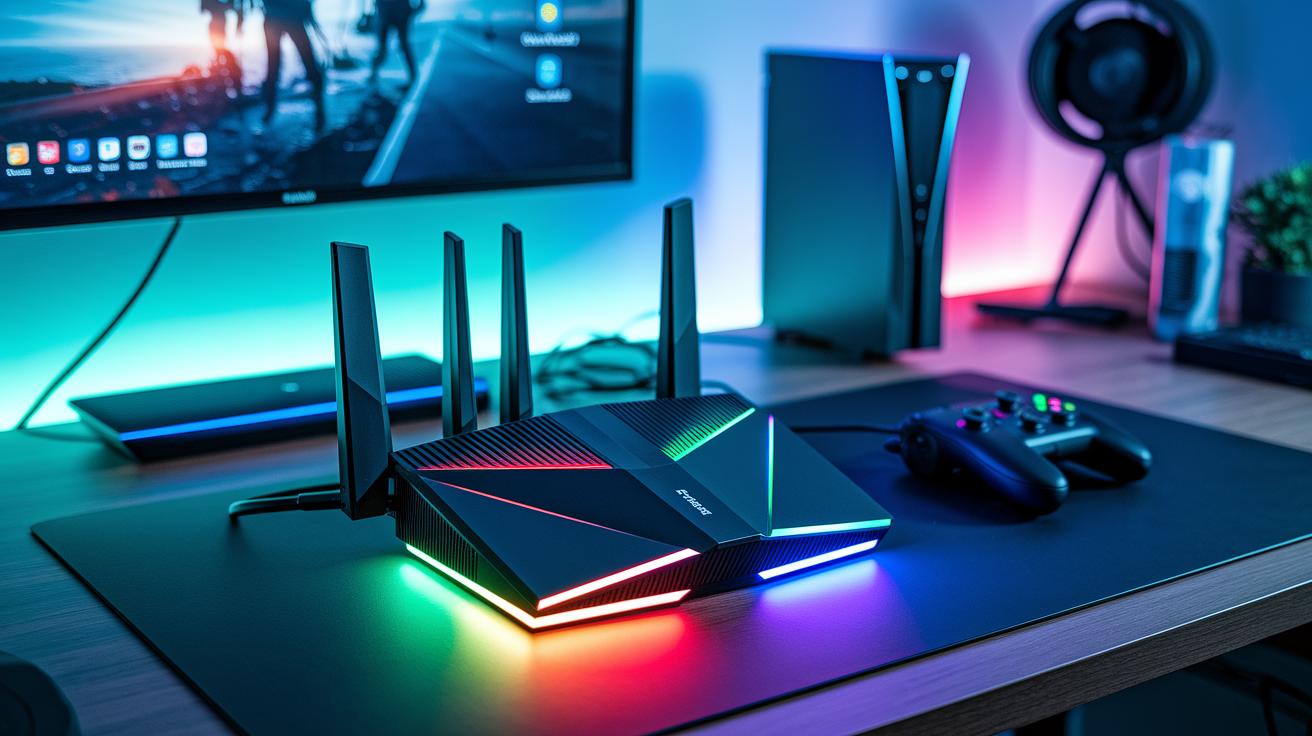
If you’re all about that high-speed gaming life, these deals might just be your next power-up. We dug into the details so you don’t have to stress about long-term contracts or hidden fees. Whether you’re chasing a reward card bonus or need a plan that fits your budget, there’s something here for every gamer.
AT&T Fiber kicks things off with a cool $100 reward card and plans that matter to you. Verizon Fios brings you simple plans starting at $35 a month, with no extra fees sneaking up on you. Spectrum offers unlimited data with plans ranging from $30 to almost $90 and skips the long commitments. Frontier covers a wide range of speeds with prices between $49.99 and $300, perfect if you crave ultra-fast options. Meanwhile, T‑Mobile 5G Home Internet gives you wireless service between $50 and $70 without locking you down.
| Provider | Price Range | Promo/Contract Terms |
|---|---|---|
| AT&T Fiber | ~$42/mo and up | $100 reward card; flexible terms |
| Verizon Fios | From $35/mo | No hidden fees; straightforward plans |
| Spectrum | $30–$89.99/mo | No long-term contract; unlimited data |
| Frontier | $49.99–$300/mo | Ultra‑fast options available |
| T‑Mobile 5G | $50–$70/mo | No annual contract; affordable wireless service |
Setup Tips for Best Internet Services for Gaming
When you want your game to run fast and smooth, picking the right router makes all the difference. Try a Wi-Fi 6 or 6E router that supports MU-MIMO (that means it can handle many devices chatting at once) to keep your data zipping along. It’s like switching from a basic controller to one loaded with extra buttons for epic combos.
Wired Ethernet is another great pick, especially if you’re rocking a console or gaming PC. This cable connection cuts out most of the hiccups, much like a super-fast cable keeps lag at bay. Also, put your router in the middle of your gaming zone and steer clear of walls or appliances that might mess with the signal.
Don’t forget to turn on QoS (Quality of Service, basically giving your gaming data first dibs) so your gameplay stays prioritized. And always update your firmware, because these updates fix little bugs and sometimes even boost performance. With these easy tips, you’re all set to enjoy top-tier internet every time you play.
Reliability and User Reviews of Best Internet Services for Gaming

Real-world tests show that not every provider plays the same. AT&T Fiber is a standout. It rarely drops a connection and has top-notch support. Gamers love it because you can stay in the game without fretting about lag.
Verizon Fios also earns high marks. It offers a stable connection and clear billing, so you can dive into your match with smooth, uninterrupted play. Ever felt that rush after a clutch win? That’s the vibe here.
Frontier speeds are great, but a few users have noted some hiccups during busy times. This means that while you get fast, high-speed action, you might face a pause now and then right when you need it most.
Spectrum is a hit in city areas. Its solid performance and buffer-free play really keep multiplayer games running smoothly. On the flip side, T-Mobile 5G Home Internet can be a bit of a wild card. Its performance shifts with local network conditions, so your experience might change depending on where you live.
All in all, checking user reviews and real tests can help you find the perfect match for your gaming sessions.
Actionable Tips to Choose the Best Internet Services for Gaming
When you’re setting up your gaming connection, try to go for symmetrical fiber service if you can. It gives you the same upload and download speeds, which means no lag in your crucial moments. Aim for over 100 Mbps down and at least 10 Mbps up so every move you make shows up perfectly. Also, keep an eye on your ping; if it stays below 25 ms, lag will barely be a thing, letting you react instantly when the game heats up.
Here are a few pointers to keep in mind:
- Look at different providers side-by-side to see which one gives you the best mix of price and performance without slowing you down mid-game.
- Try out your speeds on several devices to be sure that real-life performance hits the numbers they promise.
- Make sure the plan has terms that work for you. Check the contract details and data limits so there are no surprises that might mess with your gaming session.
Final Words
In the action, we broke down top gaming providers, compared speeds, and weighed pricing and setup tips. We covered how fiber, cable, and 5G hold up during intense matches. We highlighted the must-know metrics like download/upload speeds and ping to keep gameplay smooth and responsive. User reviews and smart configuration tips round out our guide, giving you a clear edge when choosing a service. Get ready to level up your online play with the best internet services for gaming.
FAQ
What are the best internet services for gaming according to Reddit?
The best internet services for gaming, as noted on Reddit, include providers that offer low latency, high-speed fiber or cable, and solid customer support—like AT&T Fiber, Verizon Fios, and Spectrum—for smooth online play.
How do I find the best internet for gaming in my area?
The best internet for gaming in your area depends on local coverage. Checking provider maps for fiber or cable options helps you secure high speeds and low ping for consistent, lag-free gameplay.
What is the best internet for gaming and streaming?
The best internet for gaming and streaming features ultra-fast download/upload speeds, low latency, and minimal buffering. Cable and fiber-optic plans are top choices to keep your sessions smooth and uninterrupted.
What should I know about Spectrum Internet for gaming?
Spectrum Internet is a popular cable service that offers speeds up to 1 Gbps, unlimited data, and no contracts. It provides a budget-friendly option for gamers seeking reliable performance without extra fees.
What are the best internet services for gaming on Xbox Series X and Xbox?
The best internet services for Xbox gaming deliver low latency and high speeds. Using reliable fiber or cable internet ensures you enjoy smooth, lag-free online play on your Xbox consoles.
What is considered the best gaming internet speed?
The best gaming internet speed means download speeds over 100 Mbps, upload speeds above 5 Mbps, and ping under 25 ms. This mix keeps your online matches responsive and reduces lag.
What does the best internet provider for gaming look like on Reddit?
The best internet provider for gaming, according to Reddit, is one that offers high-speed fiber or cable with ultra-low latency. Providers like AT&T Fiber and Verizon Fios are often praised for their reliable, gamer-friendly performance.
Which network type is best for gaming?
The best network type for gaming is usually fiber-optic because it offers symmetrical speeds and ultra-low latency below 10 ms, providing a stable connection that’s key for competitive online matches.
Is 400 Mbps fast enough for gaming?
Yes, 400 Mbps is more than fast enough for gaming as it exceeds the recommended 100 Mbps. This ensures smooth gameplay and supports simultaneous streaming or downloads without interrupting your play.
Is Starlink internet good for gaming?
Starlink’s internet can work for gaming, but its performance depends on location. While it offers broad coverage, its latency may be higher than fixed fiber or cable, which might affect competitive play.
Is AT&T or Spectrum better for gaming?
Choosing between AT&T and Spectrum for gaming depends on your needs. AT&T Fiber often offers lower latency, while Spectrum’s broader cable coverage may suit areas without fiber access.
Which providers offer top internet services for gaming?
Top internet providers for gaming include Verizon Fios, AT&T Fiber, Google Fiber, Frontier Fiber, and Q Fiber. Each delivers competitive speeds, low latency, and reliable service that many gamers trust.