

Ever wondered if just one extra minute could save your spell slots for the big fight? In D&D rituals, you can cast spells without using up your precious energy (saving you from burning out your best moves), turning idle moments into secret game-winning strategies. Picture a wizard hiding in a dim corner, setting up a spell like a sneaky play that gives you the upper hand. In this post, we dive into the magic of ritual casting, sharing simple tips so you can make every move count and add a fresh twist to your game lore.
Understanding D&D Ritual Casting Mechanics
Ritual casting in D&D 5e lets you cast some spells without using up your spell slots by adding an extra 10 minutes to the normal casting time. This extra time means you save your spell slots for crunch moments in tough battles. Picture a wizard in a quiet tavern corner, taking a bit more time to set up the spell. Fun fact: before she became a famous scientist, Marie Curie used to carry test tubes of radioactive stuff in her pockets, pretty wild, right?
Only spells marked with the Ritual tag (a little "R" next to the casting time) can be cast this way. When you use ritual casting, you always use the spell at its lowest level, even if it normally has a stronger option. The spell’s parts, like the materials, gestures, and words, stay just as they are when you cast it normally. Think of the Identify spell; it still needs that pricey pearl to work.
The 5e rules fit ritual casting right into the game without any extra fuss. Older editions had a different approach, but in 5e it’s all streamlined. This means that if your character knows or has prepared a ritual spell, you can easily cast it and save your resources for the heat of battle. In short, D&D rituals give you handy magic support while keeping your combat moves ready when you need them most.
Classes, Feats, and Caster Options for D&D Rituals
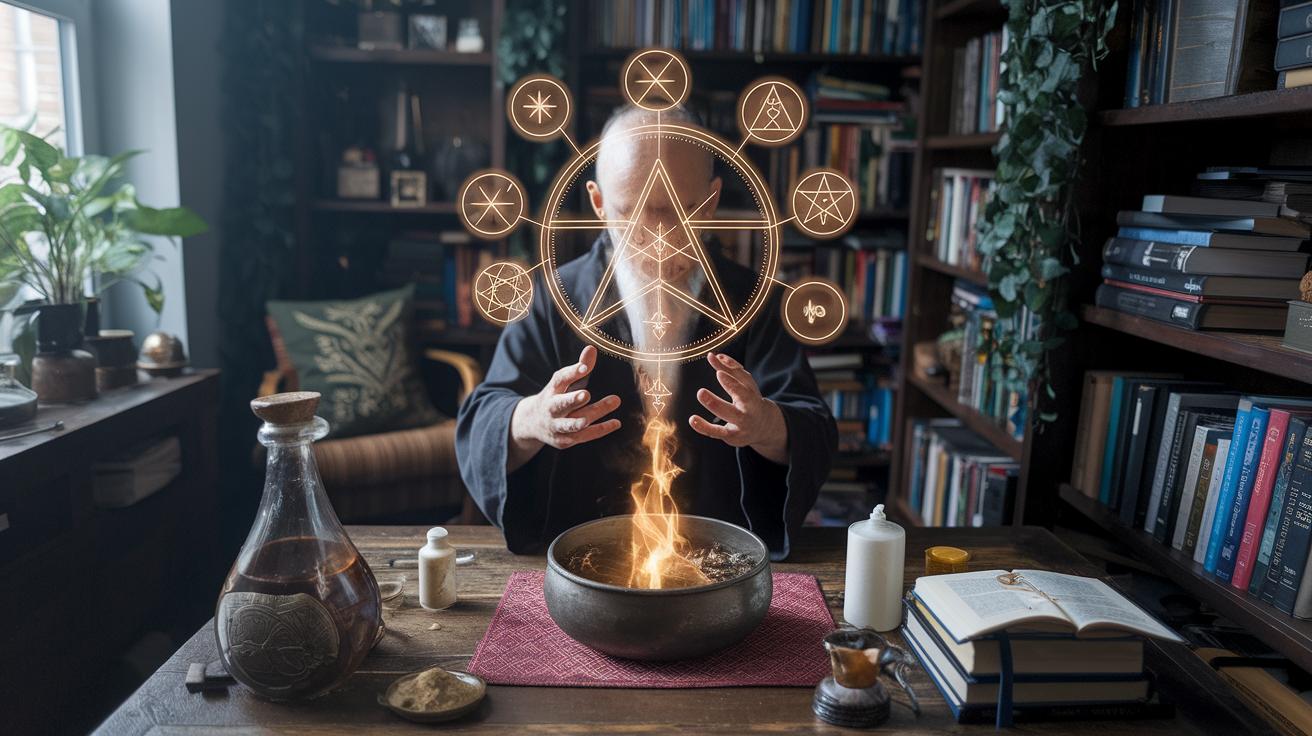
There are five classes in D&D 5e that can cast rituals straight out of the gate: Artificers, Bards, Clerics, Druids, and Wizards. Wizards get a neat perk, they can use any ritual spell from their spellbook without needing to prepare it first. This lets them save their other spells for fight-or-flight moments and focus on creative problem-solving.
Warlocks, on the other hand, have their own path to ritual casting. They need to choose the Pact of the Tome and grab the Book of Ancient Secrets invocation. With these, they can pull in spells usually reserved for other classes, though they can only use them as rituals. It’s a cool twist that mixes up the usual spellcasting roles.
Another way to join the ritual fun is through the Ritual Caster feat. If your character has an Intelligence or Wisdom score of 13 or higher, they can pick this feat to learn ritual spells from one class’s list. In simple terms, it adds a bunch of new spells to your arsenal. Just remember that for most classes, you need to know or prepare these spells before you cast them (wizards, again, get an out!).
All these choices add extra flavor and strategy to your campaign, giving you more ways to create epic magical moments.
Cataloging Ritual Spells and Their Utility
Ever been in a long break during a game round? Ritual spells in 5e let you use that downtime in cool ways without burning your fight spells. They give you room to explore, snoop around, or set up the perfect scene while keeping your best moves saved for battle. Sure, they take an extra 10 minutes to cast, but if you're chilling and not under attack, it's totally worth it.
Let's break down some of the go-to ritual spells you might use:
- Detect Magic (1st-level): Spots magical auras around things.
- Identify (1st-level): Uncovers a magic item's secrets (and yeah, don’t forget that pricey 100-gp pearl).
- Alarm (1st-level): Sets up a warning system so you know if someone's sneaking around.
- Find Familiar (1st-level): Summons a little buddy to scout your path or help out.
- Floating Disk (1st-level): Creates a handy platform to carry your gear.
Ritual spells range from basic levels like Comprehend Languages to stronger ones like Instant Summons (6th-level). They’re practical little tools, perfect for getting your strategy in place or picking up important clues. Just remember, these spells work only when there’s no fighting around. If anything interrupts you, you’ve gotta start the 10-minute process all over again.
Imagine your wizard calmly casting Identify in a quiet corner when suddenly, the door flies open and forces you to restart the incantation. Bad timing, right? These moments add a burst of excitement to your game, turning downtime magic into part of the epic tale.
Evolution of Ritual Casting Across D&D Editions
When you look back at the old editions, D&D rituals were a whole different beast. In 3.5, they were treated like special spells that cost extra gold and needed extra skill checks (basically extra work and money). It was like unlocking a secret level of magic for those who were all in on the spellcasting journey.
Then along came Fourth Edition, and things got a bit more laid-back. Rituals turned into handy tools for non-combat tasks. They became easier to use, but you lost a bit of that old story magic that made every ritual feel epic.
Now, with 5th Edition, casting rituals got a makeover. The extra gold and skill checks were kicked out, so they blended right into the normal spell rules. It made things simpler and faster, even though there are fewer special ritual effects now. Still, classic spells like Leomund’s Tiny Hut keep their spot in the hall of fame among fans.
Every edition added its own twist, shaping ritual casting into what it is today.
Integrating D&D Rituals into Campaigns and Roleplay
Ritual casting can be a real game changer. It helps you save those valuable spell slots for action-packed battles while building cool scenes during downtime. Picture your crew gathered in a secret spot, like an abandoned tower’s hidden chamber, as a wizard kicks off a ritual that needs a smooth, uninterrupted ten minutes. If anyone interrupts, the whole thing resets, so the area has to be totally secure from prying eyes or sudden attacks. Imagine sneaking into a quiet crypt where every tick of the clock ramps up the tension as the ritual unfolds.
Dungeon Masters can take it up a notch by letting several players join one epic ceremony using expanded ritual caster rules. Think about each character adding their own magic to the mix, creating a shared buzz of anticipation. Or picture rival groups clashing over control of a powerful ritual, which layers in strategy and amps up the story tension. With clear objectives and stakes, even a basic spellcasting session can become a major turning point in your campaign.
Setting up in-game ceremonial moments is all about timing and atmosphere. GMs might choose safe zones like a hidden forest glade or a quiet study deep in a castle. These spots give players not only a secure place to cast their spells, but also serve as key anchors in the story. It’s like setting the stage in a play, every little detail, from flickering torchlight to echoing footsteps, helps build a richer, more immersive tale of magic.
Weaving D&D rituals into your campaign breathes new life into your game lore. It turns routine spellcasting into those unforgettable moments that feel like the ultimate team win.
Advanced and Homebrew Ritual Practices

Advanced dnd rituals bring a ton of creative freedom. The new Ritual Caster lets you and your friends pull off big spells with step-by-step moves, kind of like a team quest. Imagine your party stacking up quick buffs just before the boss fight, each player adding their own magic twist to change the game.
Warlocks using the Book of Ancient Secrets can mix things up with rituals from other classes. This means they can blend their usual invocations with spells from other lists, sparking fresh and surprising magic moves. It’s like cooking up your own special spell in the heat of battle.
Homebrew arcane practices let you tweak the costs of your spells. You might need rare ingredients, change the time it takes, or add a twist with the setting. Picture a ritual done on a stormy night that feels extra powerful compared to one on a quiet day. Cool, right?
Some smart ritual strategies involve linking rituals together for local effects or sneaking in magic without tipping off your enemies. For example, you might set up a small start ritual, then hook it up with another that boosts your defense when sneaking in. These creative magic tricks can lead to epic in-game moments and a whole new level of fun.
Final Words
in the action, we broke down D&D ritual casting mechanics from the basics to advanced homebrew practices. We covered how casting without slots extends your playtime by an extra 10 minutes and detailed which classes and feats bring this magic to life. We traced the evolution of dnd rituals across editions and showed how you can blend these spells into your campaigns for richer game moments. It all wraps up into a solid toolset to boost your gameplay and spark epic in-game moments. Enjoy the magic!
FAQ
How does ritual casting work in D&D 5e?
The ritual casting rule lets you cast spells with a ritual tag without using a spell slot but adds 10 extra minutes to your casting time. You still need all the usual verbal, somatic, and material components.
Does ritual casting use the same components as standard spells?
The ritual casting rule means you use the same components as when casting normally, including any gold costs like the 100-gp pearl for Identify, without any changes to the spell’s requirements.
How can I tell if a spell is a ritual in D&D 5e?
The ritual casting rule lets you know a spell is a ritual when you see a small “r” next to its casting time, marking it as available for ritual casting without needing a spell slot.
What benefits does the Ritual Caster feat provide in 5e?
The Ritual Caster feat lets characters with an Intelligence or Wisdom of 13 or higher learn ritual spells from a chosen class list, giving extra casting options without needing extra spell preparation.
Where can I find community discussions on D&D rituals?
The ritual casting discussions on Reddit offer tips, lists, and personal experience stories from players, making it a handy resource for ideas and clarifications on using rituals in your game.