

Ever thought your brain might be your secret weapon for those epic wins? A lot of gamers believe that a strong mindset can flip near misses into big victories. Just imagine pulling off your best combo – it’s not only your skill, but your focus and determination that make it happen.
Gaming isn't just about fast moves; it's also about training your mind to handle tough battles and bounce back when things go sideways. In this article, I'm sharing some solid tips that can help boost your mental game and set you on the path to winning.
Building a Competitive Gamer Mindset: Foundational Principles
A winning mindset is the secret sauce behind clutch plays and game-changing moves. Your thoughts can boost your game or hold you back, especially during high-pressure matches. Ever felt that rush when you land a perfect combo? It’s not just your skill at work, it’s your belief that you can keep leveling up. Many gamers even say that staying positive can turn a near miss into a winning streak.
It might sound wild, but your mindset really affects your body too. One study showed that when hotel housekeepers tweaked how they viewed their tasks, they ended up shedding weight and lowering their blood pressure. In another experiment, simply calling a milkshake “low-calorie” made hunger hormones drop much more than when it was labeled “high-calorie.” Basically, aligning what you believe with your goals can lead to real, physical benefits.
Pro gamers toss down serious hours, sometimes up to 16 hours a day, mixing mechanical drills with routines to boost focus. They often spend at least an hour a day on specific skills, using visual reminders to celebrate even the tiniest wins. This blend of hard practice and mental conditioning is what transforms raw talent into epic tournament performance.
At its core, competitive gaming rests on four pillars: mental skills, game knowledge, in-game mechanics, and strategy. Gamers hone discipline, dive into game theory (essentially figuring out how the game works), sharpen their reaction times, and plan match tactics. All these efforts are geared toward taking potential and turning it into a string of solid wins.
Structured Conditioning Routines for a Competitive Gamer Mindset

Top gamers know that block scheduling is a game changer. They break the day into mini-levels, each hour focused on a specific skill drill. Think of it like setting up mini battles. First, you warm up with quick reaction drills, then move on to perfecting your combos. It’s like turning a long practice session into a series of epic challenges that build your skills without feeling overwhelming. For instance, picture starting your session zeroed in on movement mechanics.
Visual cues are a secret weapon too. Many gamers set custom alerts on their monitors or use phone notifications as reminders (kinda like in-game tips). These cues are like checkpoints that keep you from drifting off into autopilot. Imagine a little alert popping up and asking, "What can I improve today?" It’s that steady nudge that keeps you locked in and ready for the next round.
Lastly, a quick self-check makes a huge difference. Asking yourself “What can I improve today?” at the start of your session gets you in the zone for constant progress. Pair that with a brief mental replay of intense play sessions, and you’re building familiarity with high-pressure game moments. Taking a minute after practice to celebrate even the small wins keeps you aligned and motivated to level up.
Tactical Assessment and Training for a Competitive Gamer Mindset
Taking a close look at your game is key to stepping up your play. When you honestly check your performance, you figure out what moves need work and what strategies really fire you up. Using clear goals, like hitting a high rank or ending the season at the top, lets you see that your game plan is working.
Self-Assessment Framework
Begin by sizing up four areas: your mental strength, game smarts, in-game moves, and overall strategy. Ask yourself things like, "How cool do I stay during those heated moments?" or "How quick is my memory for patch notes (updates to the game)?" Use these thoughts to set clear training targets, almost like planning your next big move in a tournament. For example, if you notice your reaction time falls short in combo drills, add a few extra practice rounds to boost that speed.
| Category | Key Metrics | Training Focus |
|---|---|---|
| Mental Skills | Confidence level (1–10), tilt frequency | Self-talk scripts, gradual exposure |
| Game Knowledge | Map/objective recall, patch-note memory | Review sessions, theorycrafting (thinking through strategies) |
| In-Game Mechanics | Actions per minute, combo success % | Reaction drills, combo repetitions |
| Strategy | Win/loss data vs. counters, decision time | VOD breakdowns, scenario practice |
Using this framework, you’ll uncover your strong points and what needs improvement. Regular check-ins and small, specific goals, like increasing your combo completion rate, help build solid skills and boost confidence. A quick self-review after each session keeps the feedback loop fresh, just like top players do during live tournaments.
Developing Resilience Techniques for a Competitive Gamer Mindset: Focus for Victory
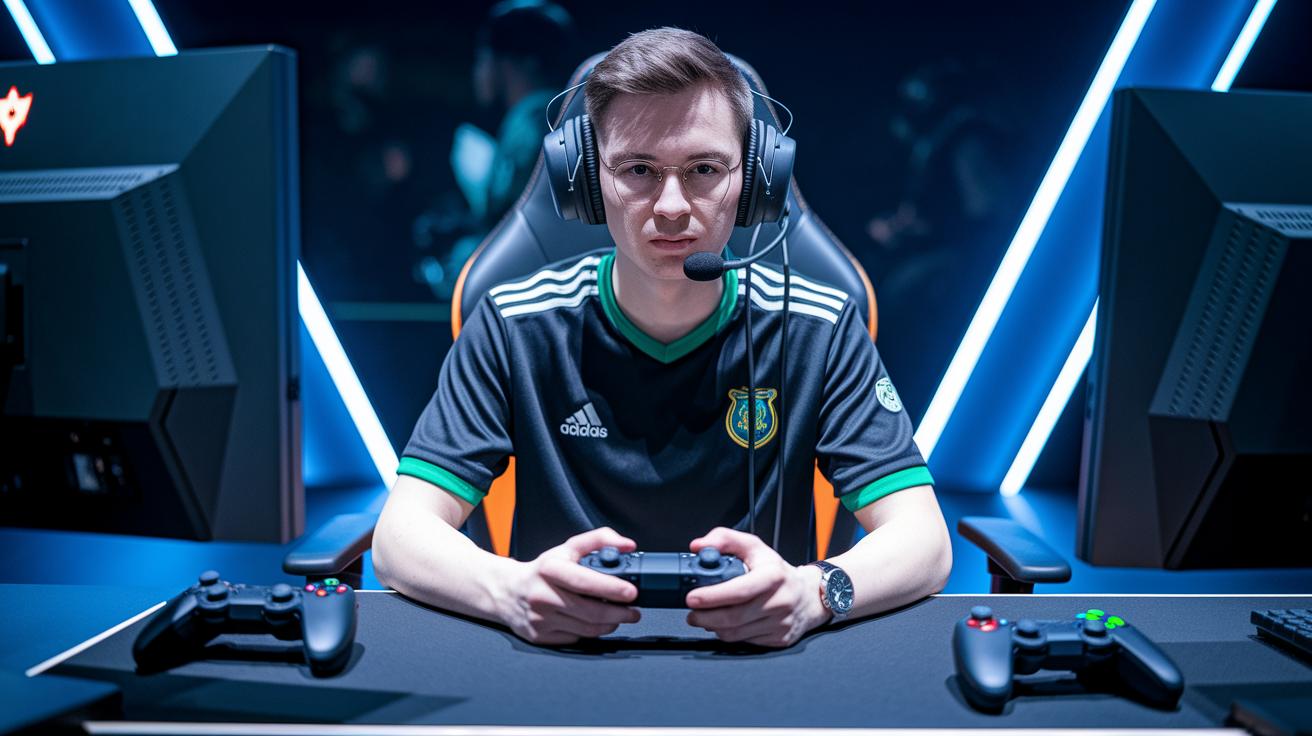
Feeling tilted, tired, or stuck on auto-pilot can really mess with your game. When emotions take over, your play can drop like a lag spike right when you need to shine. Fatigue slows down your moves and turns clear decisions into a fuzzy blur. And if you're on auto-pilot, you miss your chance to make sharp, quick plays.
Taking charge of your gaming space is a smart move. Try setting up a quiet zone where distractions are kept to a minimum, noise-cancelling headsets can work wonders. Turn off your phone alerts during play and schedule short breaks to let your mind recharge. This way, nothing slows you down, and you can stay locked into every match.
When you manage your emotions, even a bad round can turn into a learning moment. Instead of giving up over a failed play, see it as a useful tip for next time. Develop a little ritual, maybe take a deep breath or pause for just a moment after a tough round. A quick mental reset like saying "I got this" or "Next round is a new chance" can help keep your focus and confidence strong.
Goal Setting and Reflective Practice in a Competitive Gamer Mindset
Start by picturing your big win. Set bold goals like joining a top team or making it to a tournament playoff, then chop that huge aim into small, daily missions that build your skills bit by bit. Think of it like plotting out a quest: "I’m going to work on my combo accuracy with a focused 30-minute drill each day." These mini challenges make a giant target much easier to beat while keeping your motivation high.
Then, add a bit of reflective journaling and some pre-match daydreaming to your routine. Right before you jump into a contest, take a minute to imagine your best game, each move landing perfectly, like watching an awesome replay in your head. Regular check-ins on your progress help you see where you can improve and adjust your training, so every session sharpens your edge even more.
Final Words
In the action, we broke down the key steps, setting a solid mindset, sharpening daily routines, using self-assessment for tweaking play, building emotional resilience, and setting clear goals.
These steps show how top players blend strategy and focus to level their game. Today, developing a competitive gamer mindset means combining practice with smart thinking and a bit of heart. Keep applying these tips and let your passion lead every round.
FAQ
Developing a competitive gamer mindset Reddit
The discussion on Reddit highlights that building a competitive gamer mindset means pairing daily practice with focused mental drills, self-reflection, and tactical reviews to boost both in-game skills and overall performance.
How to get better at games and competitive gaming?
The advice on improving at games encourages using structured practice sessions, targeted skill drills, and reflective prompts like “What can I improve today?” to sharpen play and build mental resilience under match pressure.
How are people so good at video games?
The excellence seen in top gamers comes from combining endless practice with mental training, such as refining reaction times and game strategies, which helps maintain focus and make smarter in-game decisions.
How do you become a competitive gamer and develop the best gaming mindset?
Becoming a competitive gamer involves integrating long practice hours with deliberate mind-training routines. This method focuses on mechanical skills, goal setting, and emotional control to drive consistent, high-level performance.