

Ever wonder if game reviews have lost their punch? They sure did back in the day when a star rating was all you got. Once consoles brought in mind-blowing visuals, reviews started to blend hard facts with gut feelings about the gameplay. Now, every part of a game gets broken down like you're tuning a high-end engine (that means experts check every detail). It’s wild how these critiques spark debates among gamers. This blog dives into how game criticism has transformed into an art that totally connects with our gaming passion, pushing change with every thoughtful review.
Historical Foundations of Game Criticism
2005 flipped the script on game reviews. When the Xbox 360 burst onto the scene with crisp HD graphics, gamers got a whole new visual kick. Critics began weighing not just how fun a game was, but also its tech chops (think of it as checking a game’s engine alongside its cool factor). Remember that thrill when the visuals first hit, that’s what set a new bar for gaming.
Then came 2006. The PS3 and Wii made their debuts, smashing sales records while drawing in a massive crowd. These consoles brought fresh gameplay styles that made reviewers step up their game. Instead of simply tossing out star ratings, critics dug deeper, exploring game stories and the nuts and bolts behind the scenes. Ever felt the excitement of a game that worked on every level? That’s what this era was all about.
Reviewers started shifting from basic scores to multi-layered critiques. They looked at storytelling, design, and replay value, all while sparking debates like, “How has gamer culture evolved over time?” Reviews now mixed hard numbers like frame rates and resolution with gut feelings about the plot and style, blending science with art in a way that really spoke to the entire gaming community.
Those early years set the stage for the detailed, passionate reviews we see today. Critics began crafting breakdowns that went beyond simple scores, matching technical details with narrative insights. In short, the impact of early consoles pushed reviewers to elevate their craft, turning game criticism into a respected art form.
Influential Critics and Pivotal Game Criticism Milestones
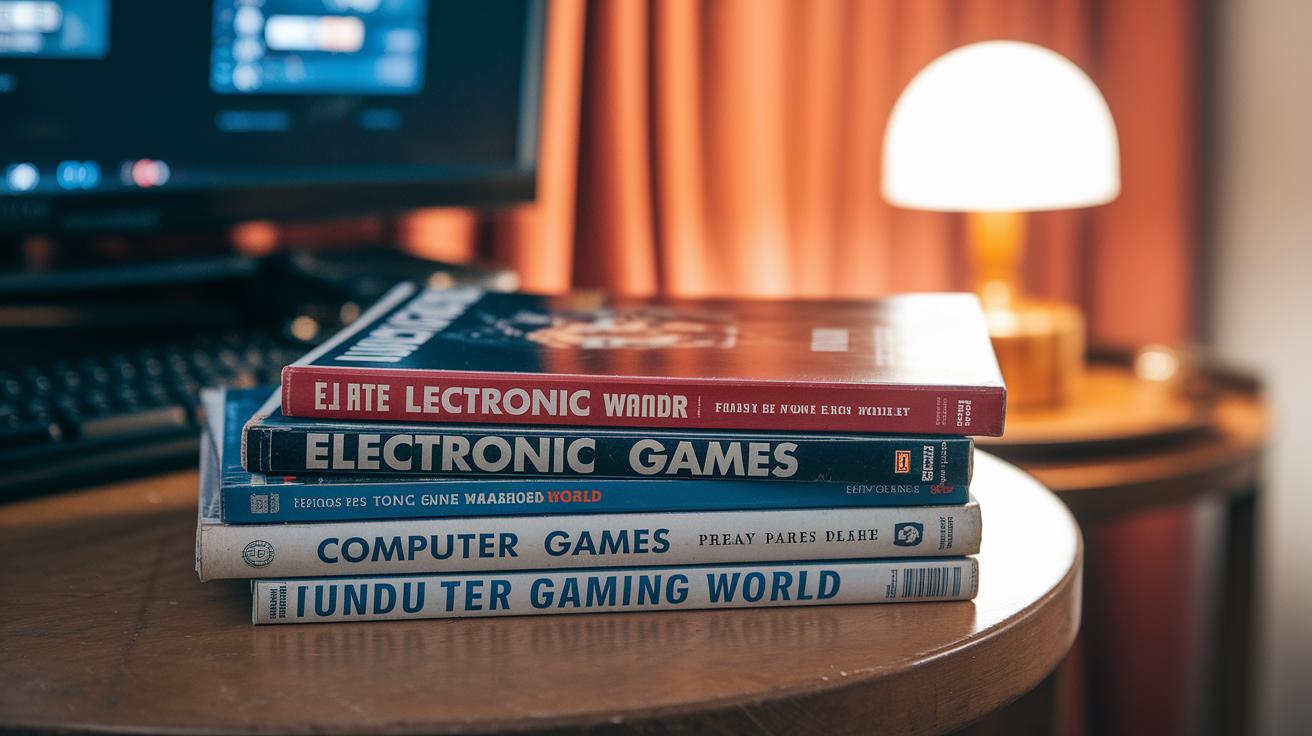
Back in the day, print magazines like Electronic Games and Computer Gaming World were the real trailblazers. They built the review style and scoring system that gamers and critics still lean on today. It’s like starting a game with a legendary weapon; these magazines set the gold standard for how reviews should sound. Fun fact: In 1981, Computer Gaming World rolled out a scoring system that turned everyday opinions into prized critiques.
By the mid-90s, things started to change as online sites stepped in. GameSpot popped up in 1996 and IGN followed in 1998. They weren’t just about handing out ratings; they invited the community to join the conversation. Critics began mixing classic reviews with fresh, user-driven insights. Imagine unlocking a secret level where every player’s voice really mattered.
Big milestones also shook up the whole review game. For example, when Famitsu handed Ocarina of Time a perfect 40/40 in 1998, it proved that a flawless score could change how a game was seen. At the same time, gaming talk grew through zines, niche blogs, and major magazines. These different voices made the discussion richer, bringing fresh viewpoints and moving the conversation beyond just star ratings.
Each milestone helped widen our critical chat. They did more than just pass on scores, they built a living, evolving review culture that still shapes how gamers celebrate and analyze the games they love.
Methodological Shifts in Game Criticism
Back in the late 2000s, game reviews changed a lot. Critics stopped using a one-number score and instead dug into details like graphics, gameplay, story, and replay value. Reviews turned into full deep dives on what makes a game work. One reviewer even said it’s like checking every part of your rig before a match, visuals, performance, and storyline all count.
Soon, writers picked up tricks from investigative journalism. They dug into how games were made, looked at things like pay-to-win perks and extra charges, and even questioned live-service models. This made reviews feel more solid and honest, not just a bunch of opinions. Think of it like playing detective, where every clue is important.
At the same time, sites started checking their review standards. These audits made sure scores weren’t just inflated by hype and helped keep things fair. They standardized reviews so no game got unearned praise or extra criticism for no reason.
Then came comparative assessments where new games went head-to-head with genre classics. This approach added extra context and showed how a game really stacked up. Critics compared gameplay, design choices, and overall fun, like a seasoned gamer pitting a fresh title against a retro favorite. In the end, moving to multi-factor reviews sparked smarter, more balanced discussions about games.
Technology’s Impact on Game Criticism

When the HD era hit with consoles like the Xbox 360, PS3, and Wii, the way we talked about games totally changed. Critics weren’t just about simple fun anymore, they started diving deep into the tech side of things. They began checking things like frame-rate (how smooth the game looks) and resolution with a speed-run level of precision. It’s like when your game’s frame-rate drops and you feel that sudden lag right in the middle of a clutch moment. And then Steam launched in 2005, making digital downloads and user reviews instantly available, which pushed critics to use real-time feedback to sharpen their takes.
Then came YouTube gaming channels in 2006 and later Twitch in 2011, and game reviews turned into live chats. No more static reviews on paper, critics began streaming their thoughts as every glitch, combo, and miscalculated jump unfolded live. Ever imagined watching a game and hearing every maneuver dissected in real time? That’s exactly what happened as reviews got as lively as a gamer’s in-game chat.
Critics didn’t stop at one platform either. They started comparing how games performed on PCs, consoles, and handheld devices, making sure the experience was consistent whether you were at home or on the go. At the same time, new AI-driven tools (think automated tests that check game performance) joined the mix. This blend of technology and critique gave reviewers a bigger toolkit, letting them measure every pixel and every move with fresh eyes and quick data, as if they were tweaking strategies right on the fly.
Cultural Shifts in Game Criticism
After 2006, critics started to see video games as true art, just like movies and books. Reviews moved away from just technical details and began exploring engaging storylines and social themes. One critic even shared, "A game is like a movie where you control the hero’s destiny." It showed that games had become a vibrant mix of feelings and ideas.
Critics from around the world brought fresh views to the table. In the East, reviewers highlighted amazing visuals and design, while in the West, the focus was more on gameplay and storytelling. This blend led to reviews that felt more balanced and welcoming. Online spaces like NeoGAF (launched in 2003) and ResetEra (kicked off in 2017) sparked lively debates, nudging critics to keep up with changing trends.
Reviewers also started to value the social aspects of gaming. They began looking at cultural context, who the players were, and real-life social issues. Public opinions online even shaped how big review sites approached games, a trend clearly tied to the evolution of gamer culture.
All of this meant that game analysis became richer and more multi-layered. Critics not only described the gameplay but also dived into art, identity, and the shared love of play. Nowadays, every review feels like a community conversation that connects art and everyday experiences.
New voices are pushing reviews to mix genuine emotion with sharp insights, capturing shifts in culture that hit home with gamers everywhere.
Digital Platforms and Online Game Criticism

Online commentary exploded when sites like Metacritic (1999) and OpenCritic (2018) started mixing scores from many sources. It was like unlocking a secret cheat code that suddenly changed the game. Ever seen a game's score pop up and felt that instant rush of excitement or frustration? That feeling flipped how we all talked about game quality. Suddenly, every review became part of a big online chat.
Then YouTube burst on the scene in 2006, with Twitch following close behind in 2011. Critics began streaming live and chatting play-by-play, making it possible to build a unique style and connect directly with us gamers. The live chat feature turned reviews into a shared experience, much like swapping tips during a heated multiplayer match.
Even blog comments and video interfaces made it hard to tell who was just a player and who was a full-on critic. Gamers started chiming in with their own thoughts, keeping the conversation flowing non-stop. Algorithms and social sharing only cranked up the volume of these voices, steering the overall discussion. For another look at how this all shakes out, check out this study: Influence of Social Media on Game Culture: headline case studies.
Modern Examination and Future Directions in Game Criticism
Today, game reviews are changing in real ways. Critics now care about how games show different characters, making sure everyone can play, and keeping an eye on smart ways to earn money in games. Imagine a reviewer saying, "A tiny change in character movement can make a huge difference for players who need easier controls, sort of like nailing that perfect strategy right when the game gets intense." This kind of real talk shows how modern reviews mix fun gameplay tips with important social ideas.
Long-form chats are also stealing the show. Podcasts and video essays let critics dive deep into every game detail, kind of like piecing together clues in a mystery. Think about tuning in to a podcast where a critic explains how a game’s design helps all kinds of players feel welcome, much like breaking down a clutch play when the game is at its hottest. They might even start with a shocker, like "One audio review changed how players saw the game and got everyone talking about fair play."
New AI tools are also shaking things up. These smart tools read fan feedback as it happens, helping reviewers focus on the topics that matter most. With data driving the way suggestions are made, every recommendation feels personalized and in tune with what gamers truly care about.
All these fresh ideas are building a new era in game reviews, a process that’s open, clear, and focused on including everyone.
Final Words
in the action, we explored how game criticism has grown. We saw how the Xbox 360 and PS3 releases sparked a shift in review methods while online platforms and live commentary reshaped the scene. Early print scores and community chats paved the way for detailed multi-criteria evaluations. This lively evolution of game criticism over time proves that the art of gaming reviews keeps adapting and thriving. Enjoy the ride and grab your controller for the next big win.
FAQ
How has game criticism evolved over time according to Reddit discussions, PDFs, and essays?
The evolution of game criticism shows a shift from basic star ratings to in-depth analysis. Early reviews focused on simple performance metrics, while today’s critiques blend technical, narrative, and community insights.
How do video game controversies shape modern criticism?
The impact of video game controversies shapes modern criticism by driving debates over ethical practice and performance standards. These high-profile incidents push critics to examine both game content and cultural influence more deeply.
What is known about the first violent video game and its historical context?
The first violent video game set off debates about content and influence that still echo today. Its release opened a conversation on the balance between entertainment value and social responsibility in gaming.
What does video game criticism involve?
Video game criticism involves analyzing gameplay, graphics, storytelling, and social impact. This approach mixes technical details with personal perspectives, giving gamers a well-rounded view of a game’s strengths and weaknesses.