

Ever wonder how a simple test model flipped the whole gaming scene? Back in 1967, a rough prototype, known as the Brown Box, set the stage for the smooth, sleek consoles we play on today.
Early game systems took basic ideas and turned them into experiences that lit up our screens and blasted us with vibrant sounds. Each tech breakthrough paved the way for the next big thing in gaming.
In this post, we'll take a look at the key innovations that reshaped gaming. It’s pretty wild how every single step made our gaming world a whole lot more exciting.
Defining the Timeline of Gaming Consoles Evolution
Gaming consoles have come a long way since 1967. It all began with a simple idea that grew into the amazing systems we play on today. Every major step in design and hardware pushed gaming into new territory.
| Year | Console | Key Innovation |
|---|---|---|
| 1967 | Brown Box Prototype | Ralph Baer’s early test model that set the stage for gaming at home |
| 1972 | Magnavox Odyssey | The first console to hit the market, using simple screen overlays |
| 1975 | Atari Home Pong / Odyssey 100/200 | Moved arcade excitement into living rooms with updated systems |
| 1977–1979 | Nintendo’s Early Consoles | Introduced color displays and fun game designs that hooked players |
| 1981–1985 | Golden Age Consoles | Brought in a mix of game types like fighters, platformers, and RPGs with better tech |
| 1988 | Sega Mega Drive/Genesis | Introduced 16-bit graphics and richer sound, making games more immersive |
| 1994 | Sony PlayStation | Used CD media to unlock 3D graphics and deep audio experiences |
| 1998 | Sega Dreamcast | Featured a built-in modem that let you play online from your living room |
| 2005 | Xbox 360, PS3, Wii | Brought in 1080p HD visuals and motion-sensing moves to redefine gameplay |
Every milestone changed the game. The early models sparked home entertainment dreams that Magnavox turned into a hit. Then Atari and Nintendo ramped things up with more fun and better designs. During the golden era, varied genres came into play, setting up the future of gaming. Sega and Sony further upped the tech with CD-based media and 3D worlds, while the Dreamcast bet on online gaming. And finally, consoles like the Xbox 360, PS3, and Wii redefined play with high-def graphics and cool new controls, paving the way for the modern gaming we love.
Origins and First-Generation Pioneers (1967–1972)

Back in 1967, Ralph Baer’s Brown Box prototype kicked off the home video gaming scene. This cool wooden box came with wired paddle controllers and lit up simple on-screen dots, giving everyone a taste of interactive gaming. The Sanders Associates demo even hinted at a future where fun could jump right into your living room. Fun fact: way before home consoles were a big deal, this standalone unit got people excited with its basic, moving dots!
Then, in 1972, the Magnavox Odyssey made its debut by licensing Baer’s breakthrough tech. It came with plastic screen overlays to spice up the visuals, even though it didn’t have sound and only offered a handful of games. Still, people were amazed by the new idea of playing games at home, setting the stage for the huge gaming world that followed.
Rise of Home Systems and the Golden Age (1975–1985)
Back in the day, consoles like Atari’s Home Pong, Magnavox’s Odyssey 100/200, and Nintendo’s Color TV-Game series brought the arcade right into our living rooms. It wasn’t just about playing a game, it was about sharing an experience that turned everyday hangouts into mini gaming sessions.
- Home Pong lit up living rooms: Now, gamers could soak in that arcade vibe without ever leaving the couch.
- Programmable cartridges opened new worlds: This change sparked endless possibilities, letting game makers expand their libraries in fun ways.
- Nintendo’s early designs set the stage: The Color TV-Game series paved the way for a legacy that still thrills us today.
- Game genres took a leap: Better graphics and sound chips meant new types of games, from fighters to platform adventures, became a reality.
- Rival brands pushed boundaries: Competition drove companies to build systems that kept fans coming back for more.
Market growth during this era wasn’t just about fun, it mixed gaming with culture. Home systems quickly became more than gadgets; they turned into hubs where family and friends gathered, creating trends that still echo in the gaming world.
The 16-Bit Era and Hardware Innovation (1986–1993)
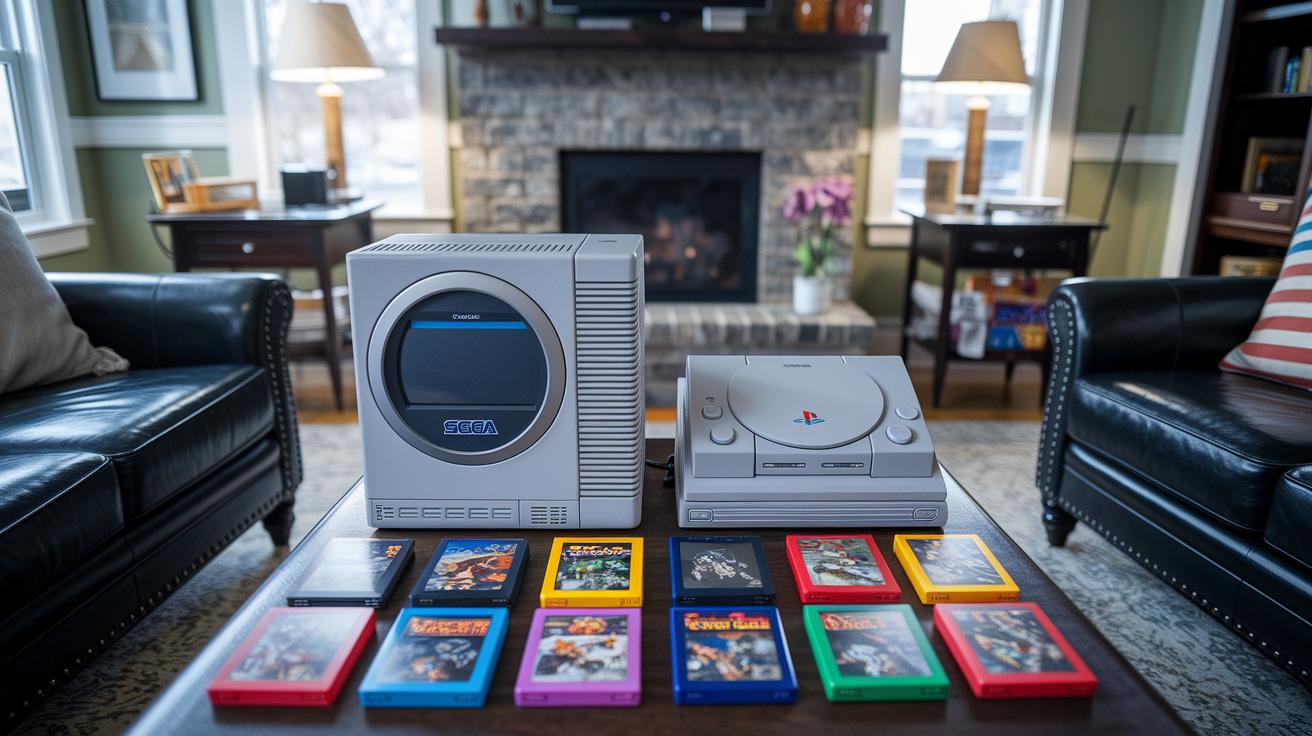
Back in those days, the console wars were real. Nintendo’s NES, even though it debuted in 1983, kept proving its worth while Sega jumped in with the Mega Drive/Genesis in 1988. Sega’s machine boasted quicker processors and sharper graphics, so both sides ended up pushing game design harder. Ever felt that thrill when your game suddenly looked clearer and sounded richer? That’s exactly what was happening.
Then, in the early 90s, things got really interesting with the arrival of CD add-ons like the Sega CD. These add-ons ramped up storage from tiny bits to full megabytes, letting developers show off detailed pictures and CD-quality sound. Imagine playing on a Genesis with epic soundtracks and cool in-game movies, it was like turning every play session into a mini cinema! For a deeper dive, you can check out the console hardware release scoop here: https://sololadder.com?p=1836.
At the same time, game makers started experimenting with early 3D techniques. They played with thin polygon shapes and quirky, warped textures to give games a three-dimensional feel. This fresh approach not only expanded what games could do but also laid the groundwork for the digital breakthroughs we see today.
The 3D Revolution and Sony’s Breakthrough (1994–1997)
Back in 1994, PlayStation burst onto the scene with a cool new take on game tech. It used a CD system that let game makers mix full-motion video, 3D graphics, and high-quality audio into one game. Imagine a simple drawing coming to life with bright colors and real movement.
It quickly became a hit, selling over 100 million units around the world in record time. Its magic wasn’t just in the numbers, it turned living rooms and gamer hangouts into exciting spots full of shared moments. Picture a small console blowing up into a global sensation that brought millions of fans together.
The secret behind its power was the impressive tech inside. Super-fast graphics chips did the hard work of showing smooth 3D images, while clear CD audio filled the room with great music and sound effects. This combo made game worlds feel rich and cinematic, like you were right in the middle of the action.
Moving to 3D did more than just change the pictures. It changed how games were built. Developers started creating deeper stories, more interesting characters, and worlds that pulled you right in. These new expectations for visuals and sound set the bar higher, sparking a breakthrough that still shapes our games today.
The Online Console Pioneer: Sega Dreamcast (1998–2004)
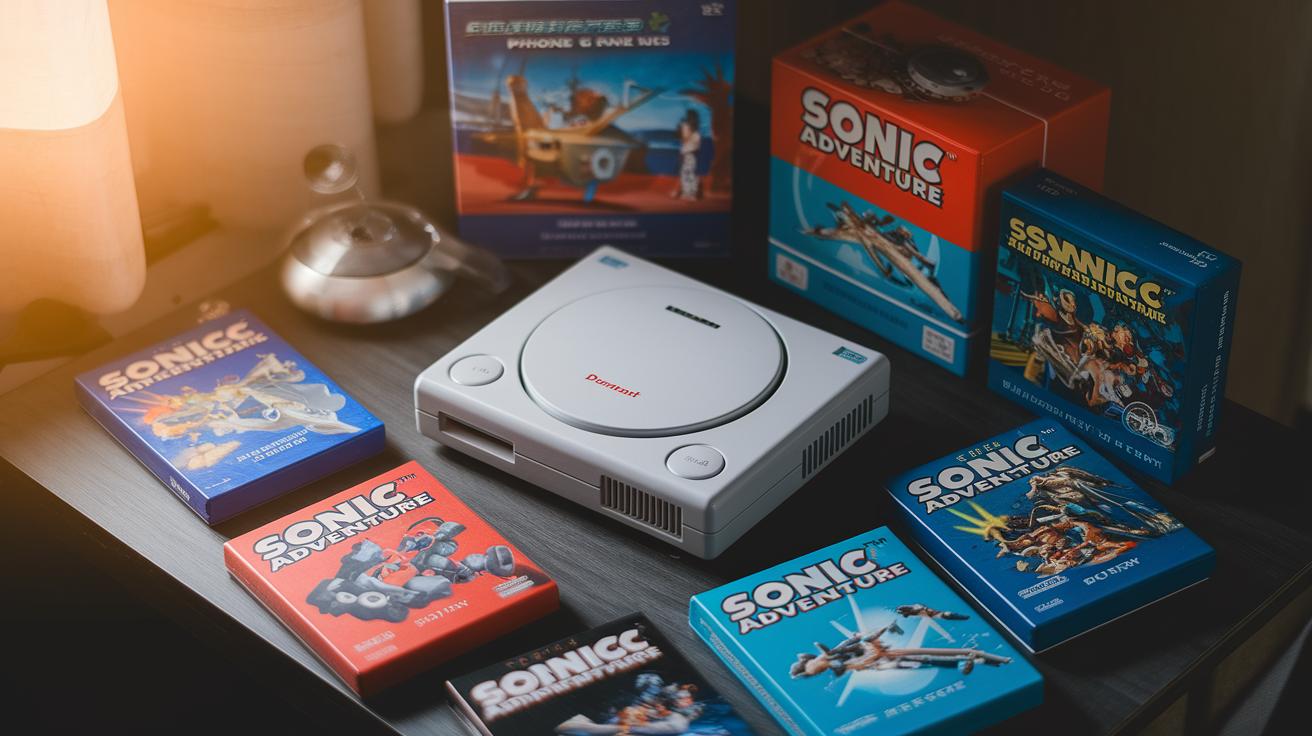
Back in 1998, Sega dropped the Dreamcast on gamers. This cool console came with a built-in 56k modem so you could jump into online multiplayer without needing extra gear. It looked sharp and had internet-ready hardware right out of the box. Imagine that first rush when you connected, game on!
Epic launch games like Sonic Adventure and Phantasy Star Online really set the stage. Sonic Adventure brought fast, thrilling action that pushed the Dreamcast’s graphics to the limit. Meanwhile, Phantasy Star Online was the first big online RPG (that’s short for role-playing game, where you team up or face off in a shared world). These games made it clear: online play wasn’t just a bonus, it was a game-changer.
Even though the Dreamcast sold just 9.13 million units before it was discontinued in 2001, its impact is still felt today. It paved the way for future consoles by proving that having internet play built right in can totally reshape a gaming experience. It’s remembered as a pioneering console that blended fun with innovation, forever changing the way we game.
High-Definition and Motion Controls (2005–2011)
When the Xbox 360 and PlayStation 3 hit the scene, it sparked an epic race in home gaming. These consoles brought killer 1080p visuals that made every game burst with clarity and life. Imagine the rush of watching every color pop and every movement snap with crisp detail.
In 2006, the Nintendo Wii turned the gaming world on its head with a cool motion-sensing Wii Remote. You wasn’t just pushing buttons, you were swinging and tapping in real time. It changed how people played, turning button mashing into real, active fun that brought families together for unforgettable moments.
Fast forward to 2010, and camera-based gadgets like Kinect and PlayStation Move upped the ante even more. These devices tracked your whole body, so your gestures had a direct impact on what happened in the game. It made gaming feel natural, like you were really part of the action.
Big launch titles made the most of these upgrades, blending tight gameplay with controls that felt like second nature.
This era also welcomed a wider crowd into the gaming community, casual players, newcomers, and families all joined in. Gaming became an experience where cool tech met pure fun, making every session feel like a shared adventure.
Digital Distribution, Streaming, and VR in Modern Consoles (2011–Present)

Digital stores have totally changed the way we grab our favorite games. With consoles like the Wii U (2012), PS4 (2013), and Xbox One (2013) stepping into the scene, downloading games or demos and streaming gameplay became the norm. Now, you can even watch movies and shows right from your console without ever needing a disc.
| Console | Release Year | Signature Feature |
|---|---|---|
| Wii U | 2012 | Digital storefront integration and streaming apps |
| PS4 | 2013 | Robust online marketplace and media streaming |
| Xbox One | 2013 | Comprehensive digital ecosystem and live streaming |
VR headsets brought a fresh buzz, too. When PlayStation VR launched in 2016, it sparked a trend that many games followed by offering immersive experiences (that’s when you feel like you’re really inside the game). For the full scoop on how virtual reality is flipping the script, check out the VR gaming innovation piece at https://sololadder.com?p=1810.
Indie and digital-only games have also exploded onto the scene. Thanks to digital distribution, small studios and creative minds can now share their unique stories and gameplay ideas with everyone. This creative surge has built buzzing online communities, linking players around the world through shared excitement. For another look at how these new platforms are changing the gamer community, dive into the history of gamer culture at https://nerdladder.com?p=2448.
Future Directions in Gaming Consoles Evolution
New hardware is set to blow your mind. Ray tracing GPUs make light and shadows look real, like the glow of a streetlamp at night, while fresh SSD designs cut wait times way down. AI upscaling takes low-res textures and turns them almost into 4K quality in real time. Imagine a console that reads your gameplay in split seconds and upgrades every pixel instantly. These cool upgrades mean consoles will not only run games faster but also create worlds you can really feel a part of.
On the software side, things are changing too. Cloud gaming and subscription setups let you move smoothly from your home system to playing on the go. Hybrid portability and cross-platform play mean you can pick up your game almost anywhere, without missing a beat. Picture logging in on your tablet during your commute and diving right back into that detailed game session you started on your living room console. This shift makes gaming more flexible and always connected, opening up a world of new possibilities for digital play.
Final Words
in the action, we traveled from the earliest prototypes to today’s high-tech systems. We covered everything from the Brown Box and Atari Pong to the 3D revolution and modern streaming setups. Each milestone played a part in shaping gaming consoles evolution and set the stage for fresh ideas. It’s been an exciting ride that shows how far gaming has come, and there’s plenty more ahead. Keep pushing forward and stay fired up for the next big leap.
FAQ
What is the historical timeline of gaming consoles evolution?
The evolution starts with the 1967 Brown Box prototype and climbs through milestones like the 1972 Magnavox Odyssey, the golden age of arcade-to-home gaming, leading to modern devices like the PS5.
What are all the generations of consoles, including the 9-generation lineup?
The progression covers early home devices, retro systems, 16-bit breakthroughs, 3D revolutions, online pioneers, seventh-gen (Xbox 360, PS3, Wii), eighth-gen digital systems, and current next-gen consoles.
Which gaming consoles define Generation 7?
Generation 7 consoles include the Xbox 360, PlayStation 3, and Nintendo Wii, known for bringing online play, HD graphics, and new ways to interact with games.
What role does the Magnavox Odyssey play in gaming history?
The Magnavox Odyssey, the first commercial console from 1972, is key for introducing home play, even with its limited game library and simple design, setting the stage for later innovations.
Which consoles mark early gaming and what was the first video game console?
Early gaming kicked off with prototypes like the 1967 Brown Box, and the first commercial video game console was the Magnavox Odyssey, which opened the door for a wide list of classic systems.