
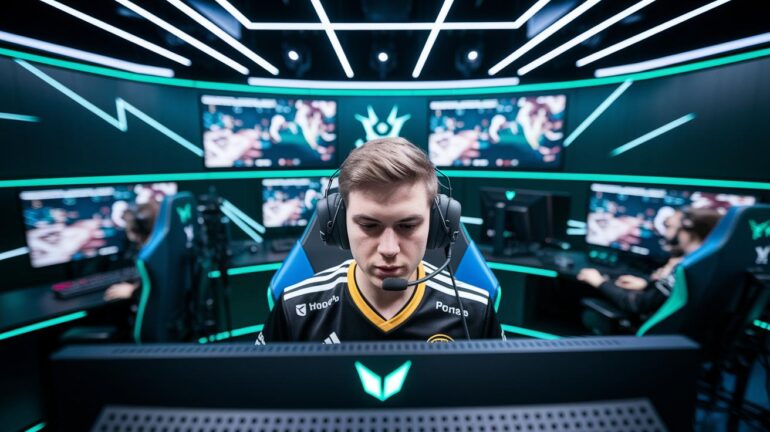
Ever wonder why some esports streams instantly grab you? With nearly 30 million fans watching each month, basic tech just doesn’t cut it anymore.
Broadcasters now need lightning-fast, crystal-clear setups that make you feel like you’re right in the heart of the final game moments. Advanced gear and smart software team up (think of it as a power combo) to deliver live action that’s as sharp as a perfect in-game play.
This new streaming tech breaks the mold, pushing esports broadcasts into an entirely new league.
Core Streaming Innovations Empowering Esports Broadcasts
Today’s esports streams need to be lightning-fast and crystal clear to wow the nearly 30 million monthly viewers. Back in 2022, fan engagement jumped by over 11%, and gamers now expect displays running at 120 to 240 Hz with stunning resolutions like 1080p or 1440p and super-quick response times (less than a millisecond). Basic setups just aren’t enough. Think of it like upgrading from an old TV to a high-definition monitor right when the game is on the line.
To hit these high standards, broadcasters rely on special hardware to boost every pixel of the live action. High-speed KVM-over-IP extenders let you smoothly control multiple screens, while multi-port HDMI AV mixers let you switch scenes on the fly. And with uncompressed HDBaseT transceivers, video signals travel long distances without losing quality, imagine going from a home projector to a movie theater experience.
Then there’s the magic of cloud control platforms and integrated software that tie everything together. They create a dynamic control room where scene switching, quick troubleshooting, and instant tweaks keep the broadcast as sharp as the gameplay. It’s like nailing a perfect combo in the heat of battle. This blend of advanced hardware and smart software is changing the game for esports streaming.
Low-Latency Broadcast Engines and Networking Solutions
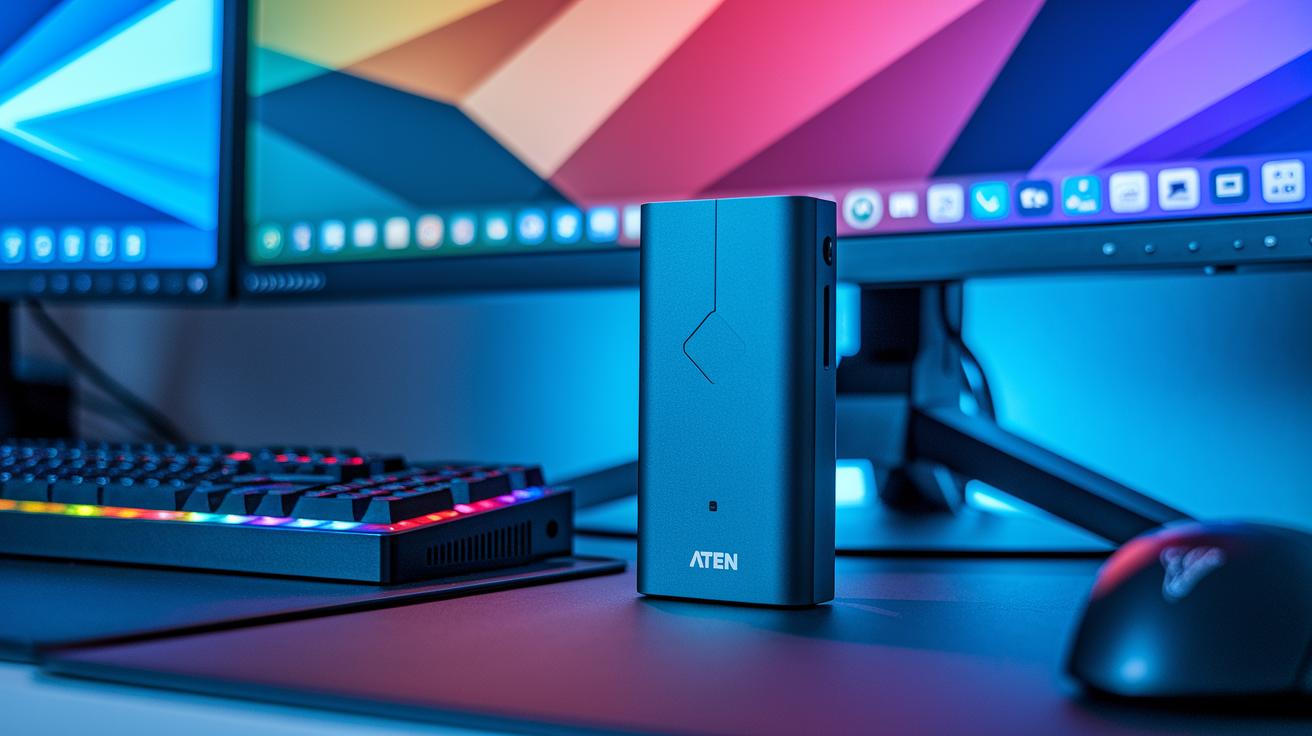
Esports tech now demands systems with less than a 1 ms delay so fans can enjoy every move in real time. This means no lag, no missed plays, just pure action. With low-latency setups and anti-buffering live events, even the quickest moves shine through perfectly. One standout tool is the ATEN 5K DisplayPort KVM over IP Extender (KX9970), which nails high-refresh feeds with absolute precision.
The secret sauce is optimized network performance. The KX9970 extender smoothly handles outputs like 1080p at 240 Hz and 1440p at 144 Hz. Plus, features like Boundless Switching make control transfer across screens a breeze. With cool tech like dithering (which smooths out colors) and an EDID Expert (a tool for keeping your display settings on point), it keeps your signal strong and clear. And with built-in power and network failover, you’re set even when the live action gets wild.
Here’s a quick look at what makes it awesome:
| Feature | Benefit |
|---|---|
| 1080p@240 Hz, 1440p@144 Hz support | Stunning visuals, every frame crisp |
| Boundless Switching | Seamless control across multiple screens |
| Panel Array Mode with 6×6 scalability | Flexible, scalable setups |
| Dithering and EDID Expert | Reliable display performance |
| Power and network failover | Uninterrupted live feeds |
In a nutshell, specialized extenders and tuned networking systems like the KX9970 make sure that every live broadcast is smooth and lag-free. This means broadcasters deliver crisp, responsive gameplay, keeping fans locked in on every heart-stopping moment. It's tech like this that turns excellence into a true competitive edge.
AI-Enhanced Video Encoding and Adaptive Bitrate Protocols
Video encoding takes your raw game clips and turns them into smooth, clear streams, even when your network’s acting up. It’s like watching your fav chef whip up a meal from fresh ingredients, squeezing every frame to keep the action crisp and lively. Imagine a chef tweaking a recipe on the fly to serve up non-stop, awesome gameplay.
AI-powered encoders add a cool twist by checking out each scene in real time. They adjust the compression like a smart buddy fine-tuning settings based on the scene, whether it’s a chill moment or an all-out explosive fight. It’s just like having that sidekick who knows when to tweak the details so everything looks sharp without any lag.
Adaptive bitrate protocols are your secret weapon for a hitch-free viewing experience. They’re always keeping an eye on the network, switching quality levels on the fly so you get steady playback even on a shaky connection. Basically, they make sure your stream rolls on flawlessly, no matter how the network vibes change.
Cloud-Based and Edge-Centric Broadcast Architectures
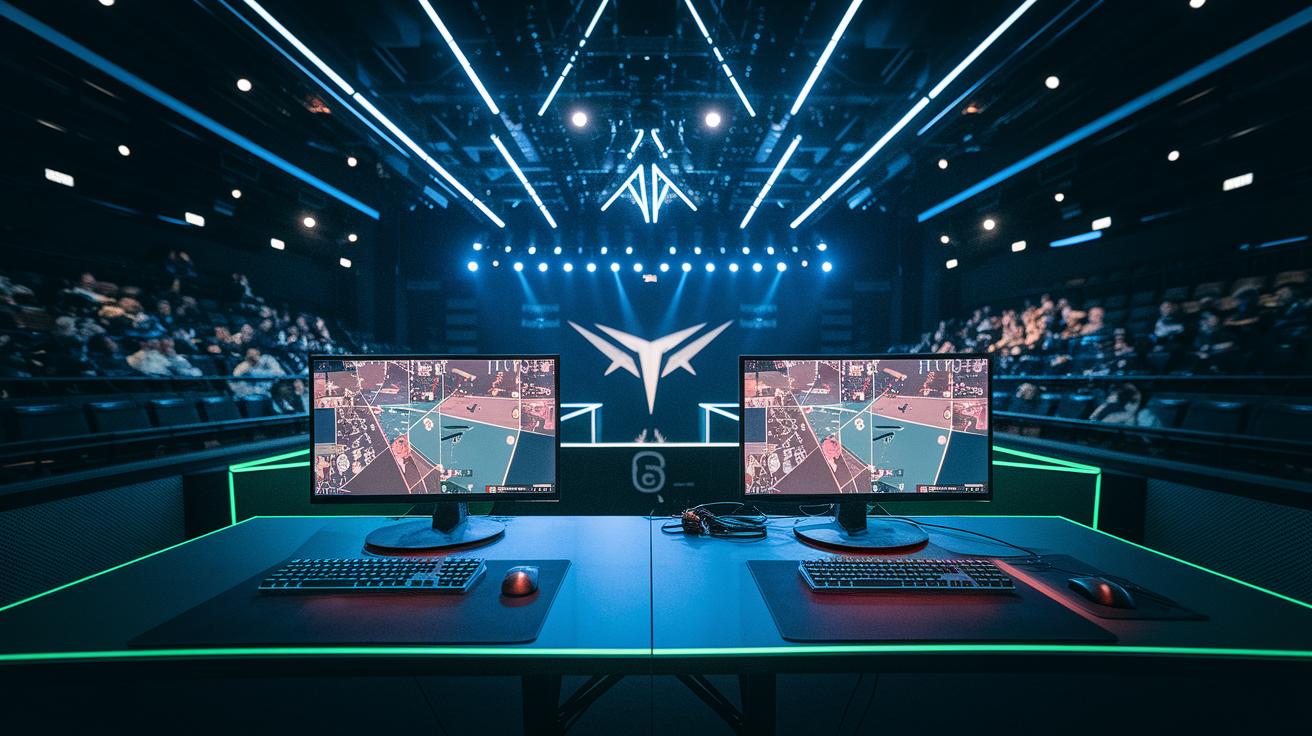
Modern esports streams lean on powerful cloud tools to keep the game running smoothly during big tournaments. Broadcasters count on platforms like CloudFlow Hub, ConneX Software, and ConneX Hub. These systems handle live log recording, software inputs (using standard web protocols), and sending content worldwide.
These flexible setups give operators a live dashboard that easily manages huge amounts of data. Plus, edge video systems process content right near the event venue, trimming delays and boosting the viewer’s excitement.
Managing everything is a breeze with a web interface or tablet app. This streamlined control makes handling remote production across multiple sites both simple and efficient. And with options like emerging stream platforms (check out the link), broadcasters can ramp up their setups quickly for high-pressure tournaments.
| Tool | Feature | Use Case |
|---|---|---|
| CloudFlow Hub | Live workflow management | Controlling tournaments across multiple sites |
| ConneX Software | Real-time logging and capture | Fast event content capture |
| ConneX Hub | Easy API integration | Triggering custom overlays |
Altogether, this mix of cloud and edge systems meets the heavy digital demands of top esports events. It ensures every match is broadcast with real-time precision and rock-solid stability.
Hardware Acceleration and High-Performance Broadcast Setups
Today's esports broadcasts lean on dedicated hardware that eases the load on PCs. For example, the StreamLIVE PRO 4-port HDMI AV mixer lets you stream live, record gameplay, and switch between two OBS setups like a smooth trick. Imagine nailing a scene change right in the middle of an epic match without missing a beat.
In huge arenas, high-fidelity gear steps up to boost performance. The ATEN True 4K HDMI/USB HDBaseT 3.0 Transceiver (VE1843) sends uncompressed 4K at 60 Hz or 1080p at 240 Hz over 100 meters using just one Cat 6A cable. By combining both the transmitter and receiver in one unit, it makes arena setups clutter-free and super efficient.
These smart devices offload heavy tasks from PCs, freeing up resources and keeping the live feed rock-solid. This lets broadcasters zero in on the action while every game detail is shown in crisp, high resolution with barely any lag. It’s a setup crafted to bring each thrilling moment right to your screen.
Immersive and Interactive Viewership Experiences in Esports Streaming
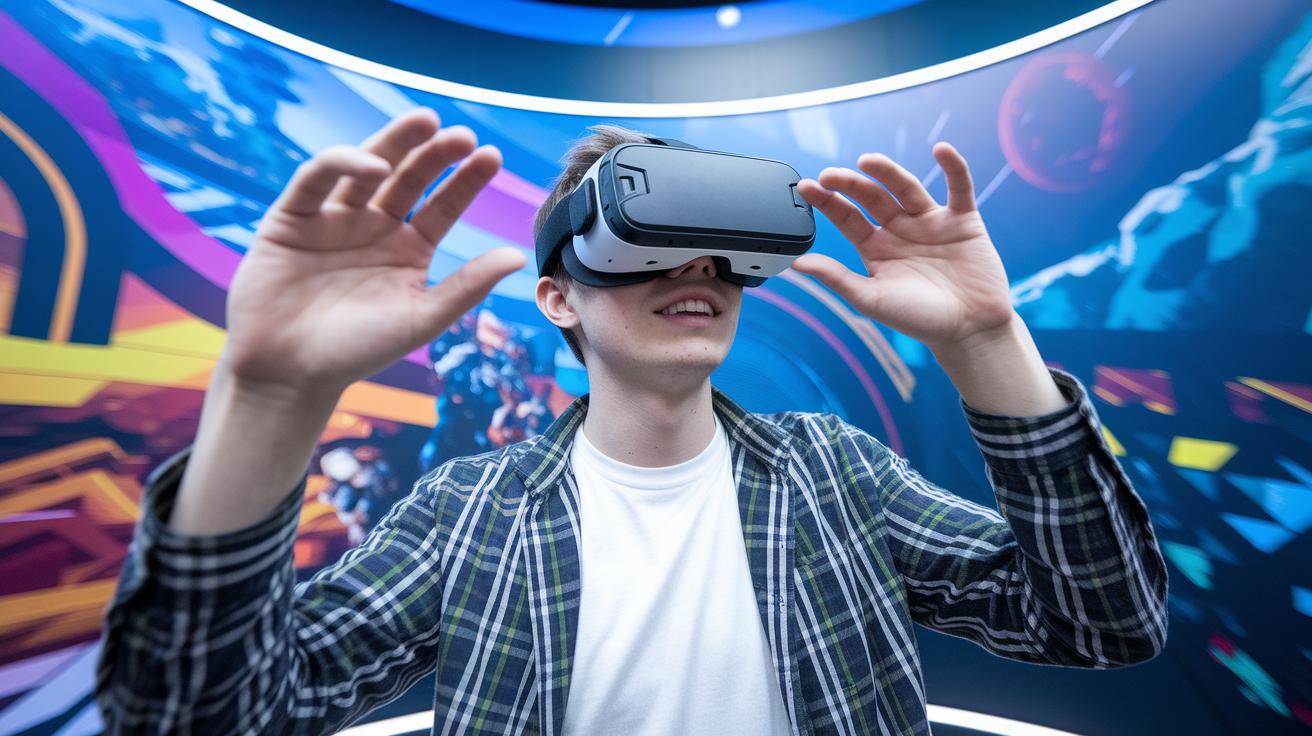
Advanced VR and AR tech lets you jump straight into the game. Imagine putting on a VR headset and feeling like you're right in the heart of the arena, with live stats and cool animations popping up around you. This twist changes watching a game into an all-out adventure where you’re part of the action. For more on these awesome VR features, check out VR gaming innovation scoop.
Interactive tools bring a whole new vibe to live esports. With gadgets like the Broadcast Control App, CD2 Software Ingest, and custom RESTful APIs (basically, tools that let different systems talk to each other), you can switch camera angles, join live polls, or pop up graphics on your screen. Picture this: in a nail-biting match, you choose the perfect angle for that clutch play, making each viewing session feel uniquely yours.
By mixing immersive tech with live, interactive overlays, esports broadcasters create a lively fan zone. This combo of virtual experiences and hands-on features makes every broadcast feel personal and exciting. You get to steer some of the action while enjoying a smooth flow of live content, which brings you closer to the players and the whole community vibe.
Final Words
In the action, we broke down the key areas powering esports broadcasts. We explored low-latency engines, smart video encoding, and cloud-based tools that simplify high-stakes event production.
We also covered hardware acceleration setups that keep feeds crisp and immersive, interactive features that keep fans engaged.
This overview shines a light on innovative streaming tech for esports broadcasters, promising smooth, sharp gameplay feeds and an even more vibrant competitive scene.
FAQ
Name a gaming peripheral or accessory that has been developed with esports in mind.
The gaming peripheral known as a KVM over IP extender, like the ATEN KX9970, is designed for esports. It delivers ultra-low latency and high refresh support, ensuring smooth and reliable live broadcasts.
What does esports technology entail?
Esports technology means using specialized hardware and software for low-latency, high-quality live streams. It covers tools like advanced display extenders, adaptive video encoding, cloud-based platforms, and interactive overlay systems.