
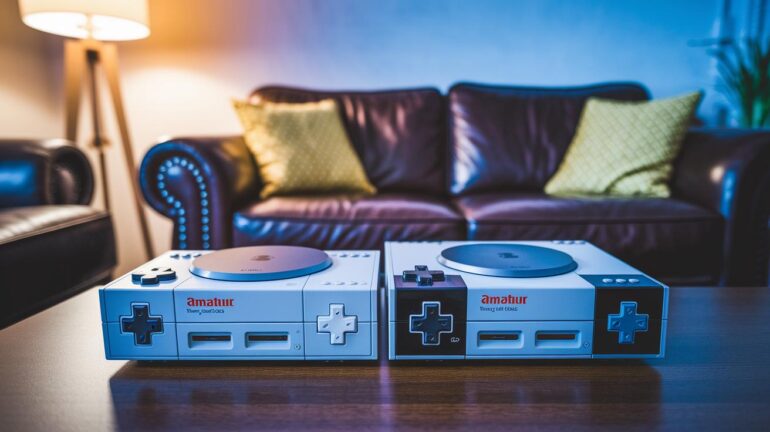
Have you ever wondered how Nintendo changed gaming forever? Think about the journey, it all started with Japan’s Color TV-Game 6 back in 1977 and led right up to the Nintendo Switch we hold today.
Each system brought something new to the table. Remember those early handheld screens? They may have been simple, but they packed a punch. Then came immersive, 3D worlds that got fans cheering like never before.
So, grab your controller and join me for a trip through Nintendo’s wild timeline. Every upgrade hit a sweet spot with gamers across the globe, sparking excitement and a fresh way to play. Ready to dive in and see how each innovation captured the heart of the gaming community?
Comprehensive Nintendo Gaming Systems Timeline Overview
Nintendo changed the gaming world with new ideas that kept coming. It all began in Japan and grew into a global icon. The journey kicks off on June 1, 1977 with the Japan-only Color TV-Game 6, launching a legacy that mixed home fun with on-the-go play.
The early Game & Watch gave us our first taste of handheld excitement with simple LCD screens. Then the NES brought classic games back to life, making gamers everywhere excited again. In the late 1980s and early 1990s, systems like the Game Boy and SNES set new rules with improved sound, cool portable designs, and 16-bit graphics that felt like a big upgrade.
As tech advanced, the Nintendo 64 wowed us with real 3D graphics and an easy analog stick (a smooth way to control your moves). Soon after, the GameCube stepped in with a compact look and mini-DVDs, showing off even more clever design. The DS later doubled the fun with two screens and touch gameplay, while the Wii invited everyone in with its motion controls that made gaming more physical and friendly.
Since 2017, the Nintendo Switch has been a game-changer by blending home comfort with portable play. It captures the spirit of Nintendo by keeping fun simple and accessible, no matter where you are.
| System | Release Year | Key Innovation |
|---|---|---|
| Color TV-Game 6 | 1977 | First dedicated home console (Japan-only) |
| Game & Watch | 1980 | Pioneering handheld LCD gaming |
| NES | 1983 | Revitalized home gaming with hit titles |
| Game Boy | 1989 | Portable 8-bit gaming revolution |
| SNES | 1990/91 | Enhanced audio and 16-bit graphics |
| N64 | 1996 | Introduced true 3D with analog stick |
| GameCube | 2001 | Compact design with mini-DVDs |
| DS | 2004 | Dual-screen and touchscreen gameplay |
| Wii | 2006 | Motion-controlled gaming for everyone |
| Switch | 2017 | Hybrid console merging portable and home play |
This timeline shows Nintendo’s bold steps over the years, with each new system building on the last. It kind of feels like leveling up, from early handheld gizmos to home consoles and then to a cool hybrid device. Every release pushed the boundaries of gaming, proving why Nintendo remains a huge name in the industry.
Nintendo Gaming Systems Timeline: Early Origins (1977–1985)

Before Nintendo became a household name in video gaming, it was known for making playing cards and experimenting with early electronic gadgets. They were already thinking outside the box, turning everyday items into fun, interactive experiences. Fun fact: before creating game legends, Nintendo was a trailblazer in mixing traditional games with new tech.
The Color TV-Game series marked Nintendo’s big first leap into home gaming. On June 1, 1977, in Japan, they launched the Color TV-Game 6, a simple console that got people excited about playing games at home. It was like opening a door to a digital playground, changing how families spent their free time.
Then in 1980, Nintendo introduced the Game & Watch handheld devices. These cool gadgets used basic LCD screens for a single game each, showing off clever design and a taste for portable fun. Imagine holding a small device that was the spark for today’s on-the-go gaming.
Nintendo Gaming Systems Timeline: Cartridge and 16-Bit Era (1986–1999)
Nintendo switched to using cartridges to kick gaming into a higher gear. This move wasn't just about sharper graphics and sound, it meant rethinking how consoles were built from the ground up. Engineers tweaked chip designs to fire up performance and save energy, and factories tightened up every detail in production. These behind-the-scenes changes helped shape a whole new era in gaming.
Game Boy Breakthrough
The Game Boy was more than just a portable console; it was a real win for creative hardware design. Designers had to find the sweet spot between powerful processing and low energy use, so they reworked chip layouts early on. They even pushed the prototypes to the limit, testing them in tough conditions to ensure they could handle long gaming sessions. One engineer remembered, "We pushed battery life to the max, making sure it could last for weeks." Thanks to these smart fixes, the Game Boy became a global sensation and changed how we play on the go.
SNES and 16-Bit Revolution
The SNES raised the bar with its advanced circuitry, making intricate visuals and sounds a reality. Engineers came up with custom data flow systems to really bring out features like Mode 7 graphics (a technique that adds depth and rotating effects to images) and ADSR sound effects (a method to shape how sounds play). One developer joked, "I can code that on my lunch break," while describing how they fine-tuned background layers and sprite scaling. These cool technical breakthroughs not only blew players away, they also helped Nintendo grow its market in a big way.
Nintendo Gaming Systems Timeline: 64-Bit Era and Console Struggles (1995–2003)
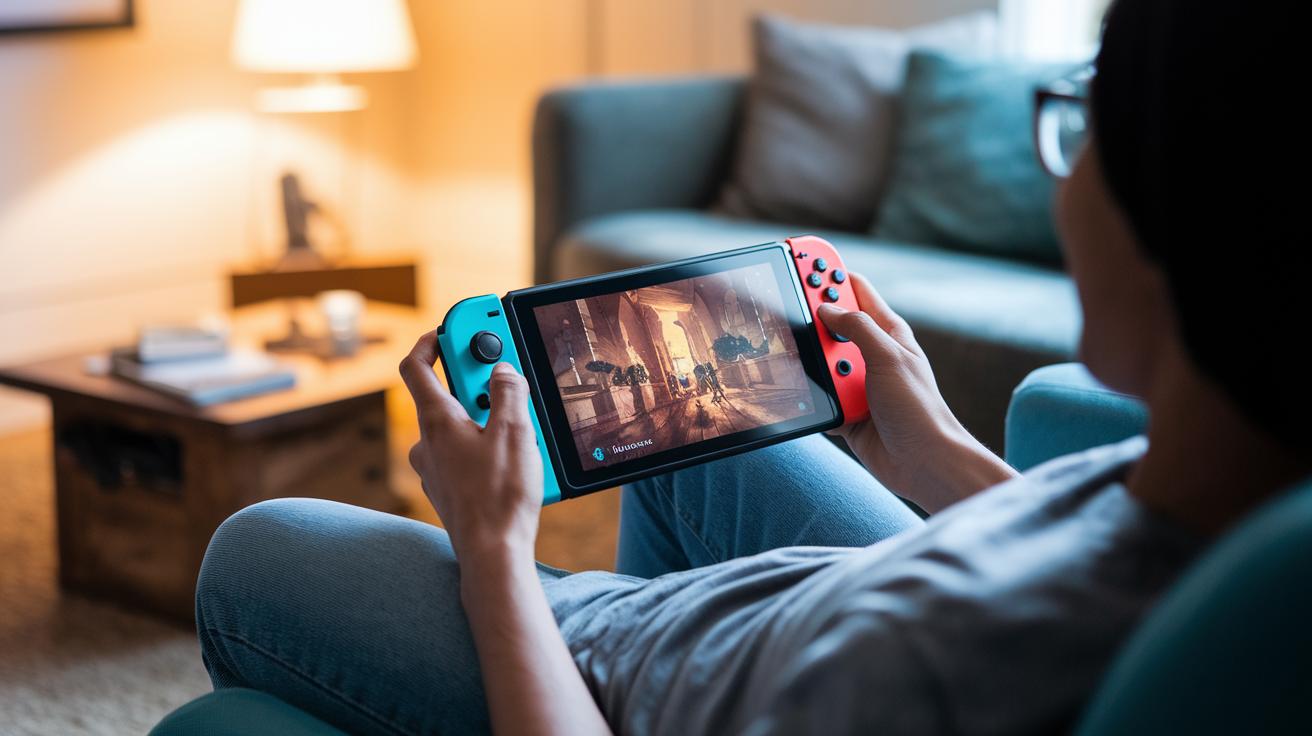
Back in 1995, Nintendo dared to try something new with the Virtual Boy, a 64-bit red VR machine meant to push gaming into fresh territory. The design was bold but ended up feeling uncomfortable and too expensive for many players. It was a risky move that taught Nintendo a big lesson in balancing cool tech with making games easy and fun to play.
Then, in 1996, the Nintendo 64 stormed onto the scene with real 3D graphics and an analog stick that gave gamers precise control (think of it like having a smart joystick that really gets your moves). Its launch titles whisked players into vivid, dynamic worlds, setting a new bar for what games could be. This leap in tech didn’t just boost Nintendo’s sales, it changed what everyone expected from gaming.
Fast forward to 2001, and the GameCube made its debut. With its compact look and mini-DVD media, it had a unique style but struggled to beat rivals like the PlayStation 2 and Xbox. At the same time, the Game Boy Advance along with its clamshell version, the Advance SP, powered up handheld gaming. They proved that even when the going got tough, Nintendo was still committed to innovation and pushing gaming forward.
Nintendo Gaming Systems Timeline: Dual-Screen to Wii U Evolution (2004–2016)
Nintendo was on fire during this time, trying out fresh ideas that changed how we game. They mixed cool dual-screen setups with motion-controlled home consoles to bring new thrills. The DS family led the way with better touchscreens that made games a lot more fun, while the Wii U gave us a gamepad with its own screen, even though it had a few bumps along the road.
DS Family Innovations
The DS series totally flipped the script by adding a second screen. The original DS, launched in 2004, was light and fun, letting gamers dive into puzzles and strategy in cool new ways. Then the DS Lite in 2006 and the DSi in 2008 came along to boost the touchscreen experience. These upgrades ramped up gameplay and proved that handheld gaming was built to last.
Wii U Motion Control
In 2012, the Wii U rolled out with a gamepad that had its own screen. It was a bold move to mix standard console play with motion control (using movement to interact with the game). Even with neat ideas like playing off the TV, it didn’t take off as expected. Issues with the gamepad design and marketing slowed its success, leaving behind a mixed but memorable chapter.
| Device | Release Year | Cool Feature |
|---|---|---|
| DS | 2004 | Dual screen with touchscreen gameplay |
| DS Lite | 2006 | Sleeker design and a better screen |
| DSi | 2008 | Improved graphics and connectivity |
| 3DS | 2011 | 3D view without glasses |
| 2DS | 2013 | Simple design and affordable fun |
| Wii | 2006 | Motion control for active gaming |
| Wii U | 2012 | Gamepad with its own screen |
Nintendo Gaming Systems Timeline: Hybrid Switch Era and Beyond (2017–Present)
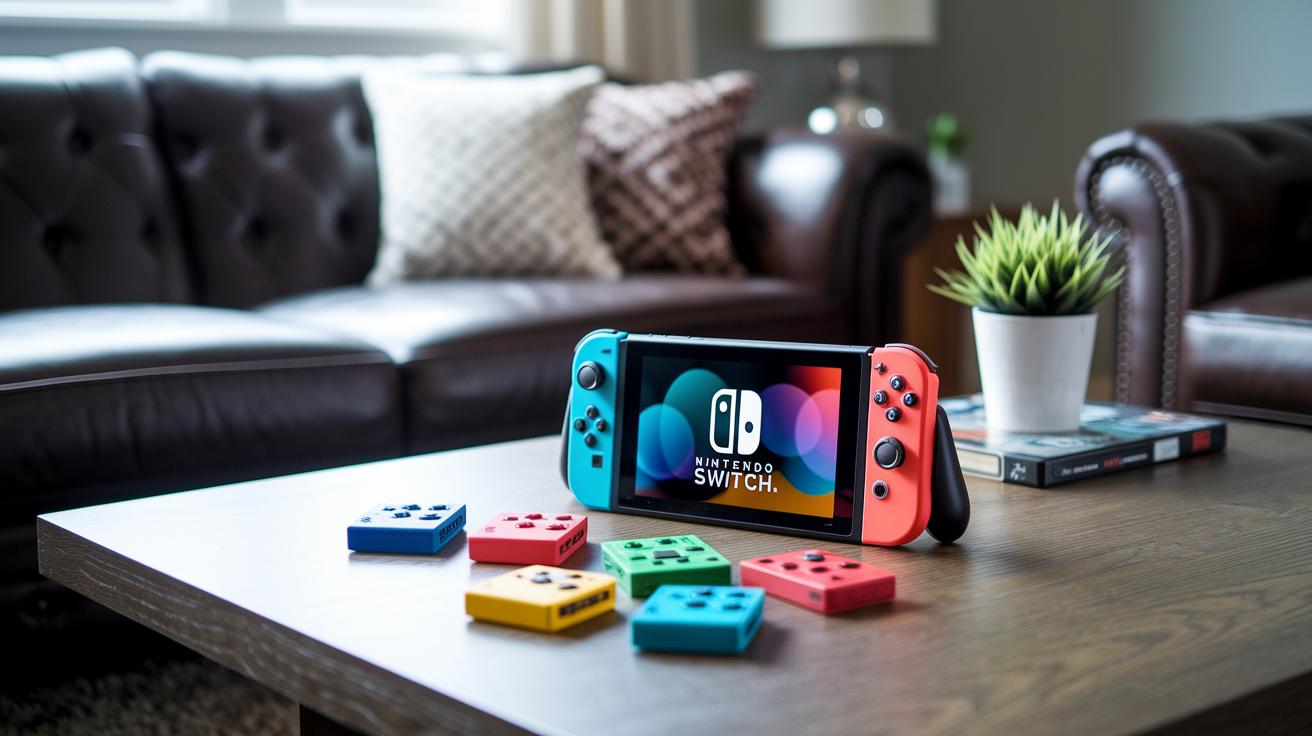
The Nintendo Switch hit the scene in 2017 as a cool hybrid console that lets you play anywhere, whether you’re out and about or kicking back at home. It flips between a portable device and a docked home setup, and that switcheroo changed the game. By 2023, over 120 million players worldwide had grabbed a Switch, proving that mixing mobility with home console power really pays off.
Then there’s the eShop, it’s like a digital arcade loaded with both timeless classics and the latest hits. Gamers can easily dive into any game they love, anytime they want. This constant stream of new digital goodies has boosted Nintendo’s profits, even when going head-to-head with giants like the PlayStation 5 and Xbox Series. It’s like stepping into a gaming room that’s always buzzing with fresh energy.
Final Words
In the action, we traced Nintendo's leaps from the Color TV-Game adventures through Game Boy, SNES, 64-bit challenges, dual-screen breakthroughs, and hybrid innovations. Each era added layers that shaped today's gameplay and player experiences.
We broke down pivotal moments in the nintendo gaming systems timeline, showing us how progress built upon earlier wins. The evolution continues, inviting us to keep exploring and enjoying the magic of gaming, one epic console at a time.
FAQ
What is the timeline of Nintendo consoles?
The timeline starts in 1977 with Japan’s first Color TV-Game 6 and moves through key systems like the NES, Game Boy, SNES, and up to the hybrid Nintendo Switch, showing the clear evolution of Nintendo gaming.
What are all the generations of Nintendo consoles?
The console timeline spans several generations—from early home systems to handheld breakthroughs, the cartridge and 64-bit era, the dual-screen DS generation, and the modern hybrid Switch era—each marking a leap in gaming tech.
Can I see a Nintendo console timeline with pictures?
The timeline is often presented with images that highlight each console’s design and innovation, giving gamers a visual guide to how Nintendo has changed over the years.
What details are known about the Nintendo Switch and its evolution?
The Nintendo Switch launched in 2017 with a unique hybrid design that lets you play at home and on the go. Rumors of a Switch 2 suggest even cooler hardware upgrades and new features.
What is the order of gaming consoles in general?
The order starts with early systems like the Color TV-Game and NES, then moves through handheld and home console eras with major shifts like the 64-bit and dual-screen stages, leading to today’s hybrid consoles.
What is the next Nintendo gaming system expected to be?
Anticipation is building for the rumored Nintendo Switch 2, which many expect to offer improved hardware and fresh features that build on the success of the original hybrid console.
What is the significance of the Nintendo Entertainment System (NES) in the timeline?
The NES revolutionized home gaming with its innovative design and legendary titles, marking one of Nintendo’s most influential steps in shaping modern console gaming.