
Have you ever wondered if today’s fancy games can match the excitement of classic consoles? Back in the day, gaming meant epic living room battles and on-the-go handheld adventures that got your heart racing. Classics like the Atari 2600 and Game Boy show that it’s not flash but fun that truly matters. You know that rush when a simple game lights up your day? These old-school consoles still capture our hearts, reminding us that great gaming is all about the pure joy of play.
retro gaming systems: Timeless Console Fun
Retro gaming systems, including classic home consoles and handheld devices, played a huge role in shaping gaming history. Home consoles like the Atari 2600, Nintendo Entertainment System, and Sega Genesis were the stage for living room battles, while handhelds such as the Game Boy and Game Gear let you dive into games anywhere you went. It's like reconnecting with an old friend when you hear that familiar startup sound.
These vintage gadgets cover a wide range, from the simple, then-groundbreaking first-generation consoles to the colorful 8-bit and 16-bit eras, all the way to modern versions that still keep the charm of simpler times. Each era brought new tech and game designs that many gamers remember with fond nostalgia. Imagine a pixelated world where every sprite had its own tale.
• First-gen home consoles
• 8-bit systems
• 16-bit machines
• Portable classics
• Niche imports
• Arcade cabinets
Collectors love these systems because they’re more than just old tech, they're keys to epic play sessions and unforgettable moments. Every cartridge or disc was a ticket to immersive gameplay. And as these gems become rarer and more valuable, finding one in mint condition feels like a thrilling treasure hunt. Imagine the rush of finding a pristine NES; it's like holding a piece of gaming history in your hands.
Timeline and Evolution of Retro Gaming Hardware
Ever wonder how retro gaming got so cool? It all began in 1972 with the Magnavox Odyssey. This was the first time someone could enjoy video games at home, sparking the passion we feel for console gaming today.
With each new generation, consoles turned up the heat. Early systems had basic graphics and simple sounds. Then, as tech improved, we saw richer visuals and more immersive audio that made every gaming session feel epic. Plus, storage evolved too, moving from cartridges to CDs and newer formats, opening up totally fresh ways to design and tell game stories.
| Generation | Console | Release Year | Notable Feature |
|---|---|---|---|
| First | Magnavox Odyssey | 1972 | First home video game system |
| Second | Atari 2600 | 1977 | Made cartridge games popular |
| Third | NES | 1983 | Brought iconic titles back to home gaming |
| Fourth | Sega Genesis | 1988 | Offered faster processing and sports games |
| Fifth | PlayStation | 1994 | Ushered in 3D graphics for mainstream gamers |
| Sixth | Dreamcast | 1998 | Introduced online play and fresh designs |
Looking back, each console built on the last one’s success. The early hardware paved the way for home play, while later systems pushed graphics, sound, and controls to totally new levels. It’s clear that these advancements didn’t just give us better performance, they reshaped how we experience games.
Technical Comparison of Iconic Vintage Consoles
| Console | CPU Speed | Memory | Display |
|---|---|---|---|
| NES | 1.79 MHz (8-bit) | 2 KB RAM | 256×240 max resolution |
| SNES | 3.58 MHz (16-bit) | 128 KB RAM | 512×448 max resolution |
| Genesis | 7.6 MHz (16-bit) | 64 KB RAM | 320×224 max resolution |
| PlayStation | 33 MHz (32-bit) | 2 MB RAM | 640×480 max resolution |
| N64 | 93.75 MHz (64-bit) | 4 MB RDRAM | 640×480 max resolution |
Retro consoles each brought a distinct flavor to gaming. The NES, with only 2 KB of RAM and a modest CPU, pushed developers to think creatively, coding smart moves that made every game a fun ride.
The SNES upped the ante. Its better processing power and extra memory meant games could show off cooler animations, richer colors, and catchy sounds that pulled you deeper into the action.
Then came the Genesis. Its faster clock speed meant games could focus on high-speed action and precise timing, like landing that perfect combo during a heated match.
Later, the PlayStation’s leap to 32-bit opened up the world of 3D gaming. Developers started playing with immersive worlds and realistic audio that felt like you were really there.
And the N64? Its boosted processor and more memory delivered smoother scene transitions and detailed characters, taking visual and sound effects to a whole new level.
Each of these hardware tweaks forced game makers to smartly tweak every element, from character moves to layered audio, to get the best performance out of each console. It’s like mastering your strategy in a game where every click and sound counts.
Top Vintage Systems List for Enthusiasts and Collectors
Collectors have always been drawn to that unique console that mixes old-school charm with cool design. These systems aren’t just gadgets, they’re bundles of memories made of plastic and wiring. Many hobbyists love the hunt for special editions that come with an awesome backstory and a pretty neat price tag. Here’s a numbered list of five vintage consoles that still get hearts racing:
-
NES 2-Player Pak (includes R.O.B. bundle): This set wins fans over with its quirky R.O.B. accessory and classic vibe. Rough market price: $200–250.
-
Super NES Classic Edition: A modern reissue loaded with nostalgia and plug-and-play ease. Its limited run makes it super sought-after. Rough market price: $100–150.
-
Nintendo 64 2-Player Pak: With rare color options adding extra flair, this console is a prized find among collectors. Rough market price: $150–200.
-
Sega Genesis Model 2: Known for its sought-after regional versions and a solid game library, this console shines as a 16-bit legend. Rough market price: $120–170.
-
Atari 2600 Deluxe: Early models of this classic open a window to gaming’s early days and are revered by purists. Rough market price: $80–130.
Each of these systems offers a unique slice of gaming history. Whether it’s the playful charm of the NES bundle or the raw legacy of the Atari 2600 Deluxe, collectors find these consoles to be key milestones in our ongoing celebration of gaming culture.
Buying Guide: Affordable Classic Consoles and Pricing Trends
When you're on the hunt for a retro console, price is a big deal. Most of us collectors look for affordable classics that won’t break the bank. For example, you’ll find the NES usually around $50 to $80, the SNES roughly $70 to $100, the N64 between $80 and $120, the PlayStation 1 at about $30 to $50, and the Sega Genesis near $40 to $60. Keep in mind that market demand and how rare a model is can change these numbers, giving you a solid starting point when comparing deals.
The condition of the console means a lot too. A machine that’s a bit worn out will likely stick to the basic prices. But if you grab one with all its original parts or in the box, you might see a price bump of about 30%. And if it’s still sealed in its original packaging? You could end up paying 50% to 100% more. It’s kind of like finding a special edition game, it might cost extra, but it’s totally worth it for collectors.
Check out online marketplaces, auctions, and local sales events to snag these vintage systems. These spots are like secret bonus levels where you can score hidden deals from trusted sellers and fellow enthusiasts. Happy hunting, and may your collection level up!
Maintenance and Restoration Tips for Vintage Devices
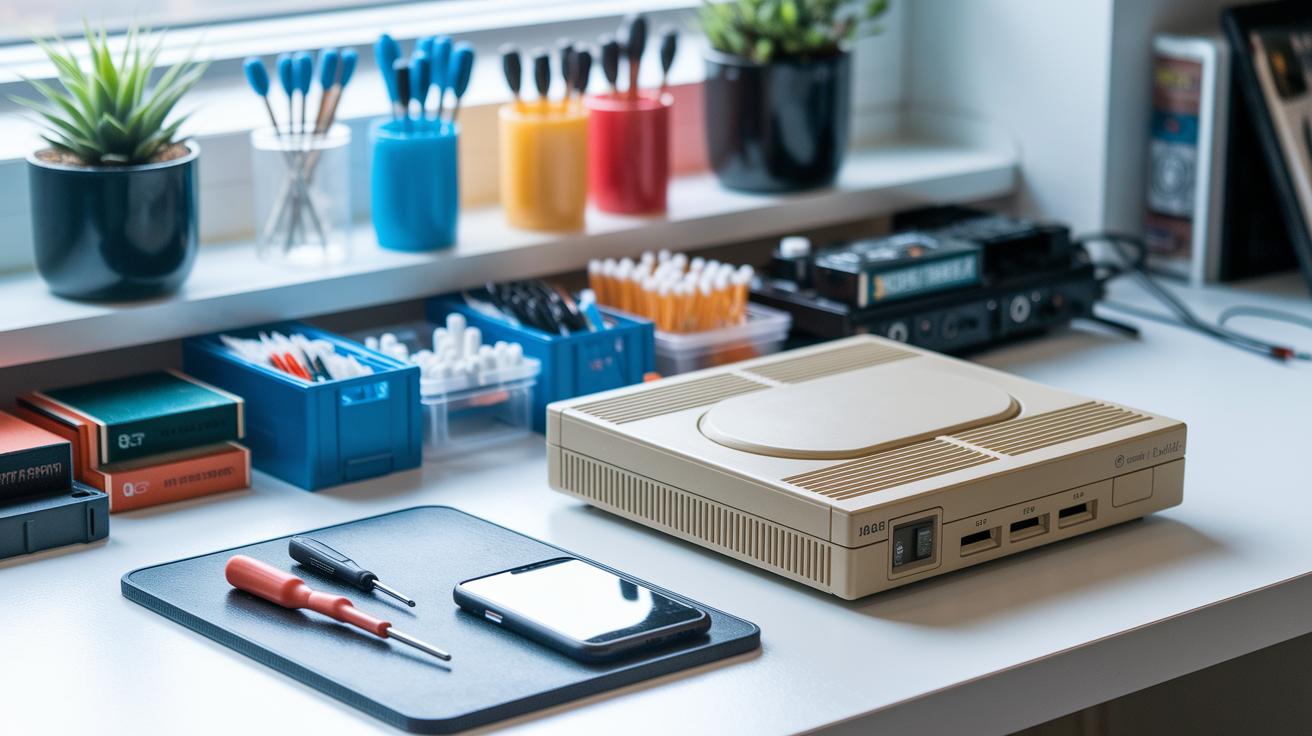
Before you dive into repairs, unplug your device and set up a clean, bright workspace. Grab your static wristband (if you have one) to block any accidental shocks, and line up your basic tools like small screwdrivers, cotton swabs, and a bottle of 90%+ isopropyl alcohol. It really helps to have some extra electronic contact cleaners and replacement parts nearby too. This way, you stay safe, and your vintage gadget stays in top shape during the fix.
- Start by cleaning the cartridge slot pins with cotton swabs dipped in 90%+ isopropyl alcohol. This simple trick dusts away grime that can ruin your connections.
- If your NES is acting up, consider swapping out the old 72-pin connector assembly. Worn connectors can cause lock-ups, and a new one can revive the system.
- For your PS1 or Genesis, check the power supply boards. Capacitors (small parts that store electrical energy) can wear out over time, and replacing them prevents annoying power issues.
- Keep your controller ports running smoothly by applying a bit of electronic contact cleaner. This reduces friction and wear, ensuring your controls feel as good as new.
- After each repair, test your work with known-good cartridges and controllers to make sure everything holds up when it counts.
For any parts that need replacing, always go with OEM components from trusted repair shops or specialty vendors.
Building a Modern Retro Gaming Setup
When you're setting up your retro gaming station for your modern HDTV, the trick is to pick the right adapters and upscalers. A cool option is using HDMI-to-composite adapters like RetroTINK. They help your old consoles talk with your high-def display.
If you care about keeping that classic scanline look (where the lines make the graphics pop), grab an OSSC or Framemeister upscaler. And hey, if you want to keep using your old gamepads, don't forget USB controller adapters. It's like landing the perfect combo move, everything clicks, letting you enjoy authentic controls on today's tech.
Next up, sort out your software settings and tweak your display. Many gamers use a Raspberry Pi loaded with RetroPie because it's super flexible and easy to set up for playing lots of old systems. Turn on features like integer-scaling to keep that pixel art crisp, and throw in scanline filters for that vintage vibe.
Play around with the calibration settings until your TV shows the right colors and aspect ratios. This way, you mix old-school charm with modern clarity to bring back those unforgettable gaming moments.
Trends and Community Insights in Retro Gaming Systems
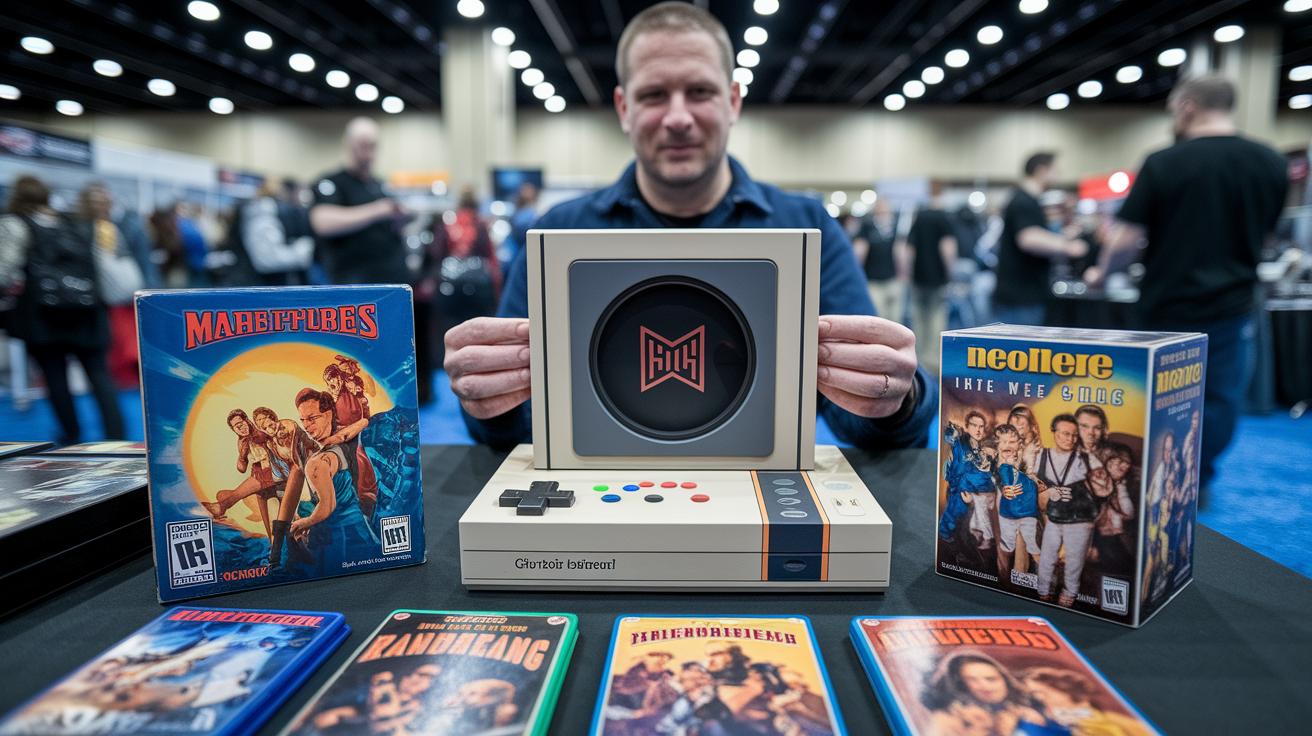
Collectors are riding a wave of change in retro gaming. Sealed games are now scoring a 30% premium compared to last year, meaning those mint-condition titles are hotter than ever. Meanwhile, the custom mod shell scene is booming as gamers give their old consoles a fresh, modern twist. One collector shared, "Upgrading my classic system with a custom shell is like mixing vintage feels with a touch of today’s creativity." It’s a cool blend of keeping history alive while adding your own style.
Local retro gaming expos and swap meets are now the go-to spots where fans share hands-on restoration tips, swap rare finds, and reminisce about epic gaming moments. Online forums are buzzing with chatter about pricing and custom mods, and restoration and playthrough YouTube channels are gaining loads of traction. One fan said, "Hitting up a local expo is like diving into a treasure trove of gaming passion." These meet-ups and online convos keep the excitement alive, proving that retro games are still a key part of our modern gaming world.
Final Words
In the action, we broke down everything you need to know about retro gaming systems, from distinguishing home consoles and handhelds to tracking key hardware milestones across generations. We compared technical specs, spotlighted collectible vintage consoles, and offered smart advice on budget options and restoration techniques. We even looked at blending these classics with modern setups. Each section gives a fresh look at old-school tech that still thrills today. Keep the excitement alive, and let these insights power up your next play session.