

Ever thought about running the show during a heated game? With Game Dispatch Strategy, you jump straight into the action with cool moves that mix surprise twists and quick decisions. Every move you make feels like a power play (a strong move that changes the game on the fly). This guide shows you how fast event triggers (actions that spark new moments) and smart resource shuffles work together to create epic moments. Get ready to dive into tactics that let you control your own live-action game show.
Operational Blueprint for Game Dispatch Strategy
Dispatch mixes classic storytelling with a hands-on management sim that lets you control both the plot and live tactics. Think of it like running your own show, where every decision can change the scene. Instead of slow cutscenes, you jump straight into the action, handling tasks like a pro. Imagine this: you're in the middle of a crisis and quickly shuffle resources, just like a director calling the perfect cue at just the right time.
At its heart, Dispatch uses today’s tech to blend an immersive story with real tactical challenges. It fixes old glitches with smoother, more intuitive controls, so every command you make pushes the story forward. With a planned release in 2025, this game offers a cool new mix of strategy and narrative, challenging you to balance big, high-pressure choices with quick, on-the-fly resource moves.
Player Routing Mechanism Breakdown in Game Dispatch Strategy

In Dispatch, the player routing mechanism is built to move tasks fast and spot-on. With quick event triggers (imagine sensors that light up as soon as something happens), the system springs into action the minute a new task comes up.
Take a closer look: Dispatch uses a modular design that checks every new request by how many players are available and how urgent the mission is. The routing system leans on priority queues and simple rule-based logic (think of it as a set of clear guidelines) to keep everything running smoothly. As story moments change and supplies shift, these event-driven insights continuously shuffle players in real time, making sure each mission fits just right. The mechanism recalibrates on the fly, so dynamic cues steer the action without slowing things down. It’s a clever setup where every decision feels sharp and impactful, blending precise operations with the excitement of the game.
Algorithmic Decision-Making in Game Dispatch Strategy
Dispatch’s engine is always keeping an eye on how fast things happen and how well you pull off your moves. It tracks key numbers like response time (how quickly the game reacts), success rates, and resource usage so it can fine-tune things on the fly. In a way, it’s like the game learns from every move you make.
Behind the scenes, control protocols handle smart loops that deliver quick and steady outcomes. At the same time, adaptive algorithms adjust the game’s challenge and twist the story based on what’s happening right now. This setup means your gameplay stays smooth and lively, with the story always moving in sync with your tactics.
| Metric | Purpose | Impact |
|---|---|---|
| Response Time | Measure system speed | Keeps the action snappy |
| Success Rate | Assess mission outcomes | Balances tactical flow |
| Resource Usage | Monitor asset deployment | Optimizes load distribution |
| Data Rebalance | Calibrate game difficulty | Maintains story pacing |
Adaptive algorithms take all that data and reconfigure the game in real time, shifting both the challenge and the narrative twists. By monitoring how you play, Dispatch adjusts the action so that high-pressure moments meet perfect tactical responses. The control protocols make sure every decision loop runs smoothly, blending rich story bits with fast-paced sim action. Every command you make is driven by real-time feedback, making every play feel intentional and tight.
inside look at game dispatch strategy: smart tactics
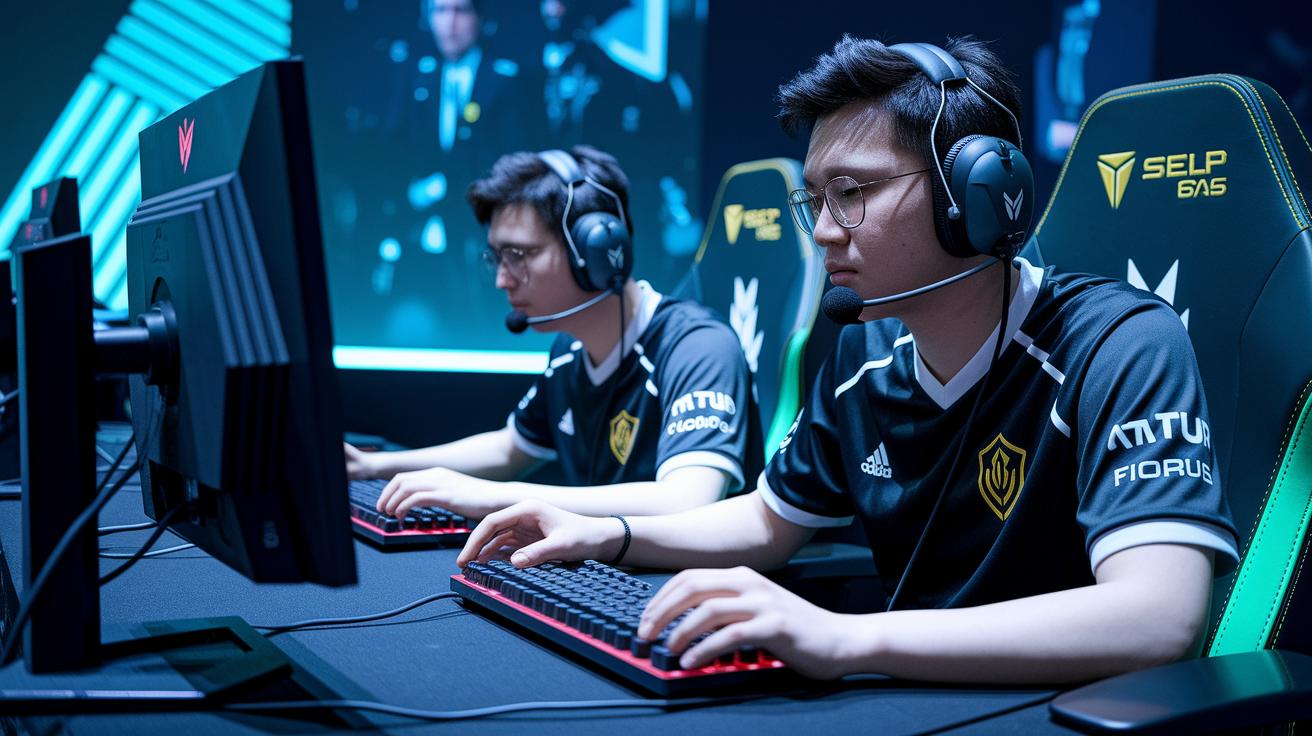
Dispatch keeps track of which heroes are available, which missions are active, and even follows the story by organizing everything into smart pools. It gathers live info from every part and mixes it into one smooth game plan. When a new task pops up, the system quickly checks which heroes are free and which missions need a boost (that means a little extra help), all while following the story’s flow. Smart preloading cuts down wait times, usually keeping response times below 100ms. So even when the action gets intense, the game stays steady and true to its narrative.
On the backend, load balancing spreads work across several server clusters to stop lag during busy times. It gathers resource info from all active missions to quickly adjust player assignments and mission priorities. This tight integration makes Dispatch strong enough to handle fast-paced battles without any hiccups, ensuring every tactical move fits right with the unfolding story.
Server-Side Load Distribution Analysis
Tasks get spread out to different server clusters using a clear priority system. Every new request is checked for urgency and available capacity before it’s sent off. And if one cluster runs into trouble, backup systems jump in so no mission ever gets stuck.
Network Latency Impact on Session Scheduling
Latency is kept super low by using clever preloading and buffering. This method makes sure that session scheduling stays fast, so you get real-time decisions exactly when you expect them.
Backend Scheduling Optimization and Scalability in Dispatch Strategy
The backend scheduler uses strong priority queues and smart, context-aware rules to decide which events in Dispatch get handled first. This cool setup makes sure every trigger is dealt with in the right order, keeping the game pace tight and responsive. Also, by keeping the scheduling work in a microservices design (small, independent services that work together), the system can easily spread out the load even when things get busy.
The system matches incoming requests with open dispatch units based on current workload and game state. In simple terms, it pairs tasks with the right resources on the fly. It even tweaks its settings in real time, so it always stays in tune with how the game is playing.
Tests with up to 10,000 sessions at once showed a 20% boost in speed and fewer errors during high-demand moments. This shows that the scheduler can handle both optimization and growth challenges. Every operation runs perfectly balanced, making sure gameplay stays smooth even when the action is at its peak.
Final Words
In the action, we broke down the inside look at game dispatch strategy, covering everything from core operational tactics to backend scheduling optimization. Each section showed how narrative and simulation mechanics mix to level up gameplay, blending real-time decision-making with resource management.
This article brings that upbeat spirit where tech meets strategy, sparking clear ideas for better play. It leaves you with a feeling of excitement and readiness to tackle new tactics and push your gaming skills even further.
FAQ
What does the game dispatch strategy’s operational blueprint involve?
The game dispatch strategy’s operational blueprint combines narrative storytelling with real-time management, placing you in a dispatcher role that mixes choice-driven gameplay with active simulation mechanics.
How does the player routing mechanism in game dispatch strategy work?
The player routing mechanism evaluates incoming tasks through a modular system that assigns responsibilities based on availability and priority, with event triggers in real time shifting task assignments.
How does algorithmic decision-making improve game dispatch strategy?
Algorithmic decision-making collects response metrics and uses adaptive rules to adjust dispatch outcomes, ensuring real-time consistency and improved narrative progression based on performance data.
What role does real-time resource management and load balancing play in Dispatch Strategy?
Real-time resource management tracks hero availability and active missions while server-side load distribution and predictive preloading work together to keep lag minimal and response times fast.
How is backend scheduling optimized for scalability in Dispatch Strategy?
The backend scheduler uses priority queues and adaptive pairing rules, alongside a microservices architecture that supports horizontal scaling, to boost throughput and reduce dispatch errors during peak loads.