
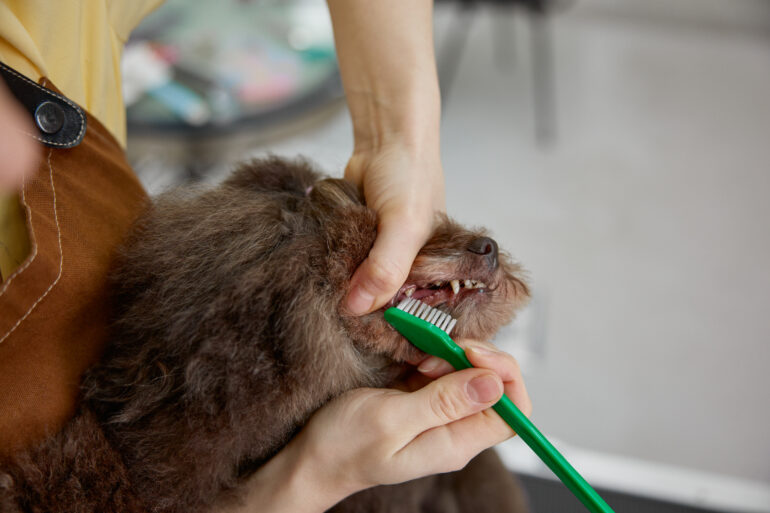
Pet dental care is an essential, yet often overlooked, aspect of overall pet health. Many pet owners find themselves wondering why dental services for their furry companions can sometimes come with a hefty price tag. Understanding the factors that influence the cost of pet dental care can help owners make informed decisions and prioritize their pet’s health while managing expenses wisely. Below, we explore the key elements that contribute to the cost of pet dental services.
1. The Complexity of the Procedure
One of the most significant factors affecting the cost of dental care is the complexity of the procedure. Routine procedures, such as dental cleanings, are typically less expensive, as they require less time and attention. However, if your pet has advanced dental issues—including gum disease, infections, broken teeth, or the need for extractions—the cost will likely increase. More complex cases often involve specialized skills, additional resources, and extended recovery periods, all of which can drive up expenses.
2. Pre-Procedural Tests and Diagnosis
Before any dental procedure, veterinarians often require diagnostic tests such as bloodwork, X-rays, or other imaging to ensure your pet is healthy enough for anesthesia. These tests provide critical insights into your pet’s overall health and help veterinarians mitigate risks during the procedure. While these pre-procedural tests are vital for safety, they add to the overall cost of care.
3. Use of Anesthesia
Administering and monitoring anesthesia is a standard part of most veterinary dental procedures. Ensuring that your pet stays still and pain-free while the veterinarian works is essential, but anesthesia carries a cost. Specialized staff, equipment, and medications are all required to safely anesthetize your pet, which can make dental procedures costlier than basic checkups or grooming sessions. The amount and type of anesthesia may also vary based on your pet’s size, age, and health condition, further influencing costs.
4. The Expertise of the Veterinarian
The level of expertise of the veterinary team can also play a role in the cost. If your pet requires care from a veterinary dentist or a practice with advanced equipment and training, you may find the costs are higher. Specialists often have years of additional training and board certifications, making them experts in handling complex dental cases. While this expertise justifies the expense, it can feel like a significant investment upfront.
5. Veterinary Clinic Location and Overheads
The physical location of the veterinary clinic can also impact pricing. Clinics in urban areas or regions with a higher cost of living usually charge more for services, reflecting the higher overhead expenses such as rent, staff wages, and equipment maintenance. On the other hand, clinics in rural areas or smaller towns may have lower base costs, resulting in slightly reduced prices for dental care.
6. Additional Services and Aftercare
Beyond the procedure itself, aftercare and additional services can also contribute to the overall cost. Medications, such as pain relievers or antibiotics, and follow-up visits for post-procedure checkups are often necessary to ensure proper healing and care. If your pet requires any special diets or rehabilitative care due to dental issues, these costs can quickly add up. Some veterinary clinics may also offer optional services, such as take-home dental hygiene kits or pet insurance plans, which, while helpful, increase the cost.
7. Your Pet’s Size and Health Condition
The size, breed, age, and health of your pet can all impact dental care costs. Larger pets often need higher doses of medications and anesthesia, driving up costs. Likewise, pets with pre-existing health conditions may require extra precautions, such as extended monitoring or additional treatments, increasing the overall expense of care.
Conclusion
Understanding the costs associated with pet dental care allows for better planning and budgeting while ensuring your pet’s health stays a top priority. Always consult your veterinarian about the specific needs of your pet and ask for a detailed breakdown of costs before proceeding with treatment. Investing in preventative dental care—such as regular cleanings and at-home maintenance—can help reduce the need for costly surgeries or treatments down the line.
Prioritize your pet’s dental health today to save on costs tomorrow, but most importantly, to give your furry friend the happy, healthy life they deserve!