
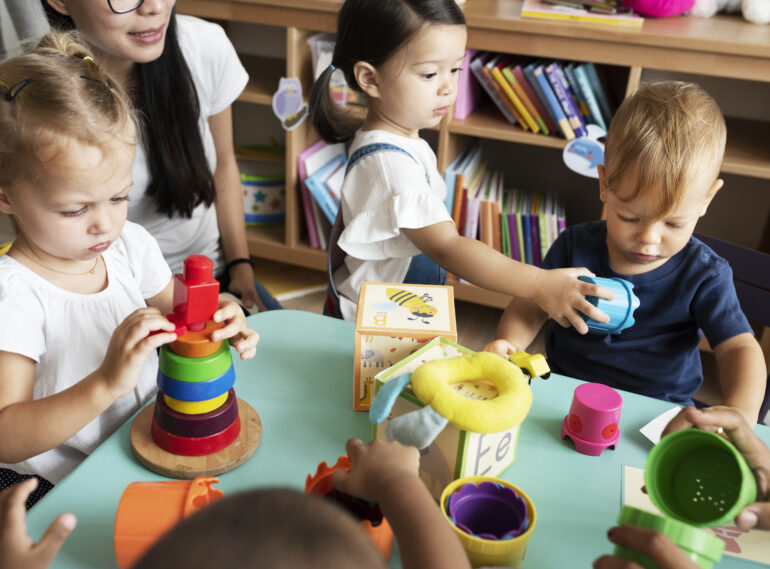
Preschool represents a crucial period in a child’s development, laying the foundation for life-long learning and personal growth. Through carefully designed environments, activities, and interactions, preschool cultivates three key traits in young learners: confidence, social skills, and curiosity. Below, we explore how these essential attributes are nurtured during these formative years.
Building Confidence Through Independence and Encouragement
Confidence is an essential component of success, and preschool plays a pivotal role in fostering this trait. In a nurturing yet structured environment, preschoolers are encouraged to try new things and accomplish small but meaningful tasks on their own. From participating in group activities to mastering skills like putting on their own shoes or tidily organizing toys, each achievement reinforces a sense of capability.
Teachers in preschools understand the importance of positive reinforcement. By celebrating every small effort and gently guiding children through challenges, educators help develop self-assured children. Furthermore, group settings teach kids how to express their ideas, ask questions, and take risks—all crucial for developing self-confidence at an early age.
Developing Social Skills in a Collaborative Environment
Preschool is one of the first structured social environments children encounter. Here, they interact with children from various backgrounds, learning important lessons in understanding, empathy, and collaboration. Group play, storytime, and cooperative activities create opportunities to share, negotiate, and resolve conflicts.
Educators often introduce activities centered on teamwork, such as working on collective art projects or engaging in role-playing scenarios. These activities teach children to listen, contribute, and respect others’ perspectives—all foundational social skills.
Additionally, learning to navigate disagreements or misunderstandings within a safe and supportive space helps children build resilience and emotional intelligence. By kindergarten, children with preschool experience often display higher levels of social competency, which benefits them academically and personally.
Igniting Curiosity Through Exploration and Play
Children are natural explorers, and preschool capitalizes on this innate curiosity. With engaging activities and a child-centric curriculum, preschools nurture the joy of discovery. Whether observing changes in nature, experimenting with building blocks, or listening to fascinating stories, every aspect of a preschool program is designed to encourage questions and critical thinking.
Preschool environments often feature learning centers dedicated to specific interests such as science, art, or reading. These areas allow children to explore their passions and pursue activities at their own pace. Play-based learning, a key component of many preschool philosophies, ensures that education feels exciting rather than overwhelming.
Teachers cultivate curiosity by encouraging open-ended conversations, asking thought-provoking questions, and fostering a mindset that celebrates the process of learning as much as the outcomes.
The Long-Term Benefits of Preschool
The skills and traits developed in preschool create a strong foundation for the years to come. Confident children are more likely to excel in academics and extracurricular activities. Socially adept children form healthier relationships and navigate school environments with ease. Curious children maintain a love of learning that fuels their growth well into adulthood.
As a parent or caregiver, selecting a preschool that aligns with your child’s personality and needs can set the stage for incredible milestones in their cognitive, emotional, and social development. By investing in this crucial stage, you’re not just preparing children for kindergarten—you’re preparing them for life.
Preschool is far more than early childhood education; it’s where confidence is built, friendships are formed, and young minds are sparked to explore the world around them. With these traits firmly established, children are poised to embrace learning, face challenges, and chase their dreams with enthusiasm.