
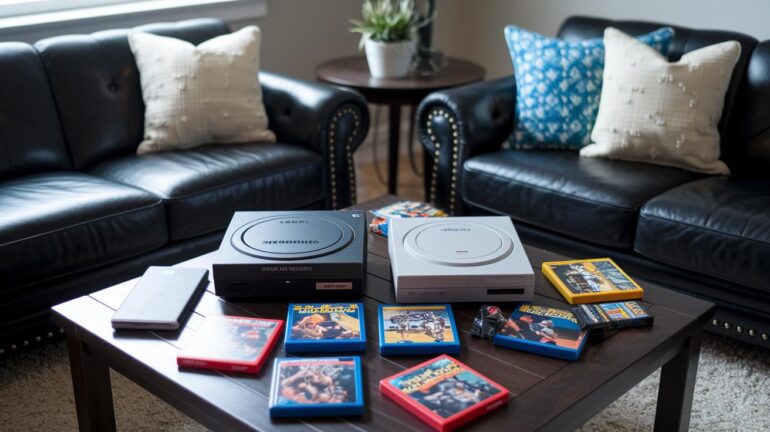
Remember the rush you felt when you first powered up your Sega? That moment you flipped the switch on your SG-1000 back in 1983 set you up for an awesome ride through gaming history.
Think about it, the raw power of the Genesis and the slick moves of the Dreamcast. Each console brought its own magic, sparking epic memories and fueling our passion for gaming.
This post takes you through every key moment of these legendary systems, showing why they still light up our gaming hearts today.
A Complete Evolution of Sega Consoles: From SG-1000 to Dreamcast
| Console | Launch Date | Key Specs |
|---|---|---|
| SG-1000 | July 1983 (Japan) | NEC 780C CPU (Z80A-based) |
| SG-1000 II | July 1984 | Built-in joystick, two detachable controllers, extra port |
| Mark III | October 1985 | Asia-only, backward compatible with SG-1000 |
| Master System | 1985/86 | Zilog Z80A @ 4 MHz, Light Phaser accessory |
| Genesis/Mega Drive | 1988/89 | Motorola 68000 @ 7.67 MHz; Z80 @ 3.58 MHz |
| Sega CD | 1991 | Custom ASIC GPU |
| Pico | 1993 | VDP @ 23.01136 MHz, edutainment focus |
| 32X | 1994 | Twin Hitachi SH-2 CPUs |
| Saturn | 1994/95 | Dual Hitachi SH-2 @ 28.6 MHz |
| Nomad | 1995 | 64 KB main RAM, portable Genesis |
| Dreamcast | 1998/99 | Hitachi SH-4 RISC @ 200 MHz, PowerVR2 GPU |
| Advanced Pico Beena | 2005 | ARM7TDMI @ 81 MHz |
| Mini Consoles | 2019-2022 | ARM7TDMI @ 81 MHz, preloaded classic titles |
These consoles spark a rush of memories. Remember the buzz when you first powered up the SG-1000 in July 1983? Back then, gamers were in awe of the NEC 780C CPU, which was based on the trusty Z80A. It was like stepping into a new adventure every time.
Then came the Genesis, fueling our passion with 16-bit power and the lightning-fast Sonic. It really turned up the heat on gameplay speed, epic, right?
Each console pushed the limits. The SG-1000 II came with a built-in joystick and even had controllers you could swap out. And the Master System? Its vibrant display really set a new standard among its competitors.
Fast forward to the Dreamcast. With a Hitachi SH-4 RISC running at 200 MHz and a PowerVR2 GPU, this console embraced online play and futuristic features that kept gamers on the edge of their seats.
Every system had its own legendary moment, like uncovering a secret easter egg in your all-time favorite retro game. Want more details on Sega’s awesome journey? Dive into the history of gaming systems and relive those epic milestones all over again.
Sega’s Early Breakthrough: SG-1000, SG-1000 II and Mark III Consoles

Sega's first consoles were more than just cool tech, they sparked ideas that still echo in today’s gaming. The SG-1000 set the stage, and the SG-1000 II brought neat updates like a built-in joystick and extra controller ports. It was like upgrading from a basic paddle to a full gamepad that got everyone ready for local multiplayer fun.
The Mark III took things a step further by letting you play older games, which really warmed the hearts of longtime fans. Gamers loved that their old favorites got a second chance, almost like coming home after a tough match. This mix of respecting the past while embracing new tricks became a big part of Sega’s style later on.
Sega’s plan here was both smart and passionate. While others rushed to build huge game libraries, Sega focused on making solid hardware with thoughtful additions like backward compatibility. This blend of old-school charm and fresh innovation changed the way future systems balanced past glory with new possibilities.
Sega Master System: 8-Bit Rivalry with Nintendo
The Sega Master System hit Japan in October 1985 and rolled into North America by 1986. It was built to shake up home gaming and take on Nintendo in a big way. Powered by a Zilog Z80A CPU running at 4 MHz, this console pushed 8-bit tech to deliver vivid, clear colors that made a real splash compared to Nintendo’s simpler look.
It wasn’t just about the visuals. Cool extras like the Light Phaser gun and 3-D glasses adapter added a fun twist to classic games. Imagine firing the Light Phaser during a boss fight, the whole room buzzing with energy like you just pulled off an epic play.
Beloved titles like the Alex Kidd series and Phantasy Star helped cement the Master System as a cartridge classic. Even though it sold around 10–13 million units worldwide, exclusive Nintendo licensing deals held it back a bit. Still, its fresh hardware design and unforgettable game library bring back memories of late-night challenges and pure retro fun.
Genesis / Mega Drive: The 16-Bit Iconic Power Unit
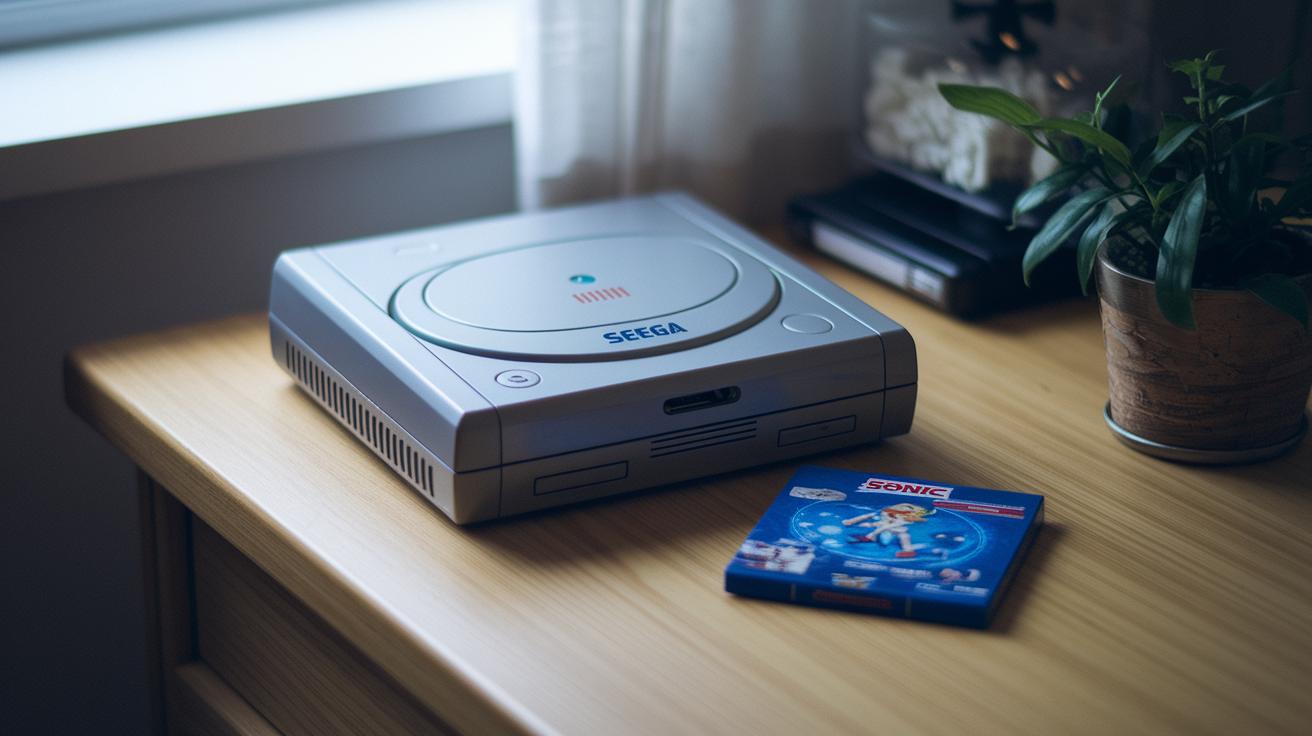
Beyond our specs, the Genesis shook up gaming culture in a big way. It wasn't just another console, it became a rebel icon with the bold slogan "Genesis does what Nintendon’t." Back in the day, Sega developers even said during late-night brainstorming that this slogan sparked their drive to outdo the competition.
Sonic's first run wasn’t only about fast action. It turned the tables on how games were designed and what fans expected. When Sonic zoomed onto the screen, it felt like a burst of energy that made arcade thrills seem alive again.
Then, Sega rolled out cool add-ons like the Sega CD and 32X. They not only cranked up the console’s power but also kept the classic arcade vibe going. Some developers still remember those intense sessions in cramped studios where they pushed every limit to deliver that electrifying gaming experience.
Saturn Era: 32-Bit Hardware Innovation and CD Add-Ons
Sega Saturn Core
Released in November 1994 in Japan and May 1995 in North America, the Saturn quickly made a name for itself with a dual-CPU setup. In simple terms, it ran on two Hitachi SH-2 chips clocking in at 28.6MHz. This clever design was built to deliver awesome 2D sprite action. Think about how games like Virtua Fighter and Panzer Dragoon made every pixel come alive with crisp, fast-paced visuals. The goal was simple: bring that arcade vibe right into your living room. But here’s the kicker, the Saturn was pretty complex to work with, which meant fewer developers jumped in, and there just weren’t as many sleek 3D games compared to pals like the PlayStation. Imagine gearing up for a big boss fight; that’s what playing Panzer Dragoon felt like, every detail charged with adrenaline.
Sega CD & 32X Add-Ons
To pack even more punch, Sega rolled out the Sega CD add-on. This gadget sported a custom Sega 315-5548 ASIC GPU (that’s a special chip made for graphics) designed for FMV games. It opened the door for full-motion video scenes that made cutscenes look like mini-movies, like that first time you watched an epic animated game sequence. At the same time, Sega also introduced the 32X accessory, which upgraded the Genesis to 32-bit power by adding two extra SH-2 CPUs. This boost gave extra muscle to 2D games, although its 3D performance couldn’t quite keep up with the new kids on the block. Big titles like Night Trap and Star Wars Arcade embraced these add-ons to push interactive gameplay into fresh territory. Still, both add-ons didn’t quite catch on globally, mainly because the Saturn’s tricky hardware and limited developer backing held things back. All in all, this era shows off Sega’s bold push to innovate, even when it meant wrestling with some serious tech challenges.
Dreamcast: Sega’s Final Console and Technological Legacy
The Dreamcast hit Japan in November 1998 and reached North America by September 1999. It’s still loved as one of Sega’s coolest consoles. Powered by a Hitachi SH-4 RISC CPU running at 200 MHz and a PowerVR2 GPU, it served up graphics that blew minds back then. And get this, it was the first console with a built-in modem, so you could jump online and play with gamers around the globe instantly. Epic.
At its debut, the Dreamcast came loaded with 18 games. Classics like Sonic Adventure and Soul Calibur lit up screens and stirred up fun chats among friends. Gamers were thrilled by how it mixed top-notch hardware with real-time online play. Ever felt that rush when you scored your first online win? That was it.
Even though over 9 million units found their way to fans before the Dreamcast was discontinued in 2001, it eventually took a back seat to the PlayStation 2’s massive appeal. Still, its daring design, especially the built-in online play, changed the game for future consoles. Fans and developers still shout out its bold moves, marking it as a true pioneer in the age of online connectivity. Its legacy keeps sparking nostalgic gaming fun and inspiring the design of today’s consoles.
Portable Legacy: Game Gear, Nomad, Pico and Modern Mini Consoles
Sega Game Gear & Nomad
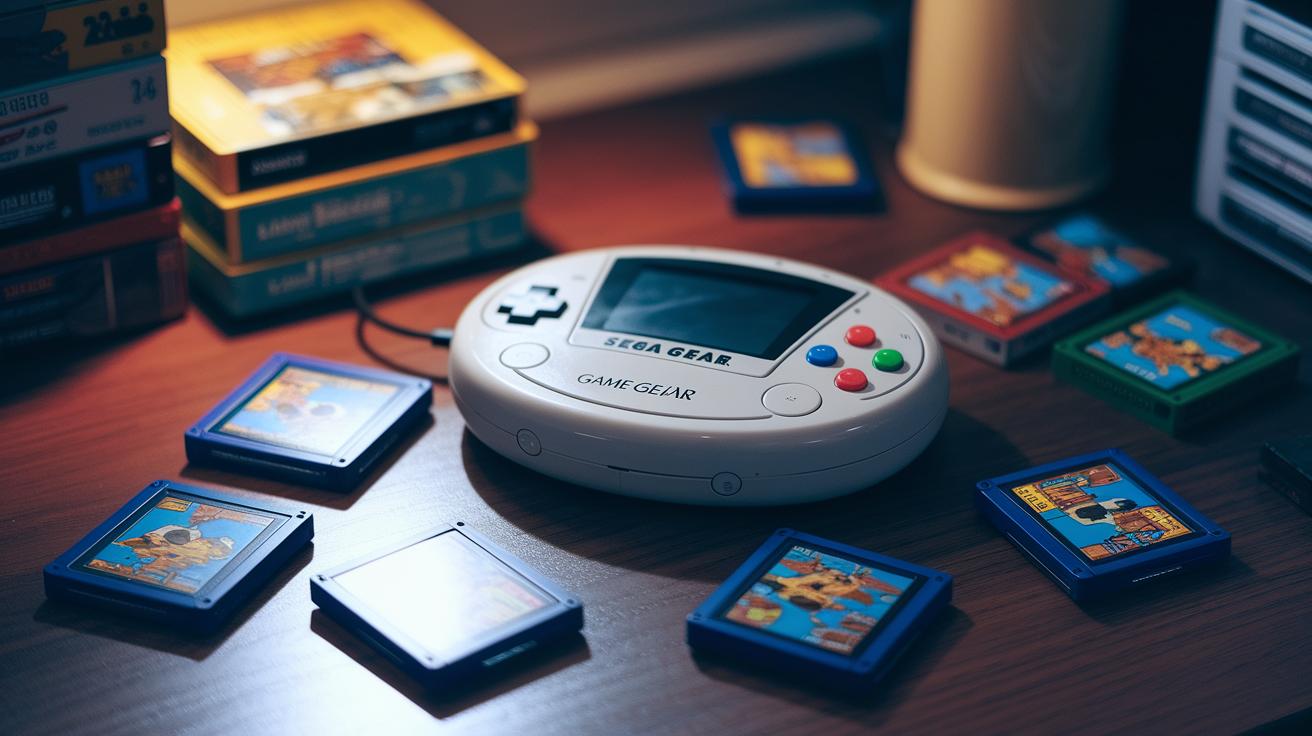
The Game Gear first hit the scene in 1990 and totally changed portable gaming. It had a Zilog Z80 running at 3.5 MHz and a neat backlit color screen that made every game pop. With a battery life of just 3 to 5 hours, you had to make every minute count, imagine playing one intense level and then scrambling to swap batteries! Then came the Nomad in 1995, letting you dive into Genesis games on the go. It packed 64 KB of RAM and worked straight from cartridges, which made swapping games as easy as switching levels in your favorite platformer.
Pico and Mini Revivals
The Pico came out in 1993 as Sega’s fun mix of learning and gaming. With a stylus and keyboard built in, it turned play into a cool puzzle-like challenge. Fast forward to today, and modern mini consoles carry on Sega’s legacy. The Genesis Mini (2019), Game Gear Micro (2020), and Genesis Mini II (2022) come preloaded with classic titles, running on an ARM7TDMI at 81 MHz. These pocket-sized versions give both longtime fans and newbies a blast from the past with today's tech, kind of like uncovering a secret level that brings back old-school thrills while keeping things fresh.
Collector’s Guide: Pricing Trends, Restoration and Maintenance Tips
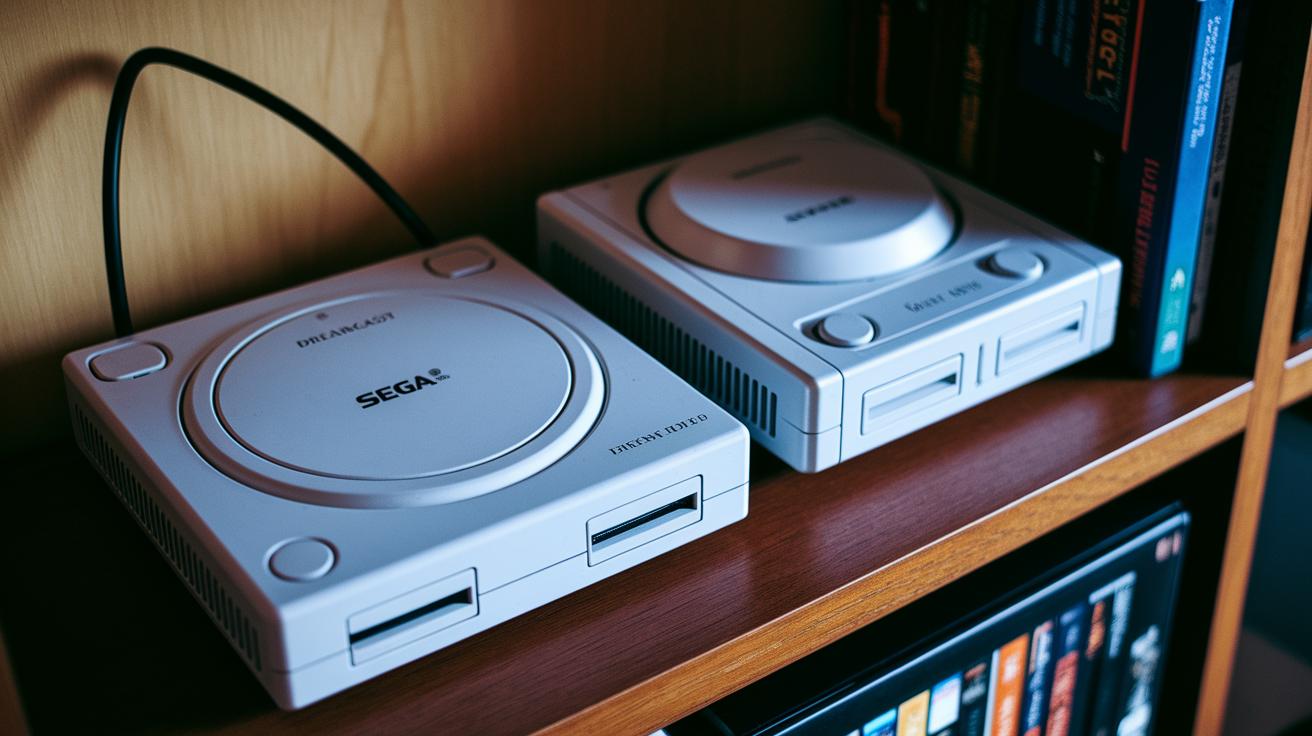
Hey collectors, ready to jump into the retro gaming world? Prices can change a lot. For example, Saturn consoles usually go for about $80 to $200 (depending on your region and how good they are), while a Genesis Model 1 often sells for $50 to $150. It’s a good idea to check out auctions or hit up trusted forums where other collectors hang out when you’re looking for parts or a special system.
Fixing up classic consoles can be really satisfying. For your Dreamcast, try swapping out any faulty capacitors, and if your Game Gear has screen bleed issues, that's a common problem you can fix. Also, think about digital preservation, you can use emulation platforms or clean your cartridges with isopropyl alcohol to keep everything working longer.
If you need a detailed, step-by-step guide on fixing your gaming systems, check out the repair guide here: gaming systems repair.
Regular maintenance keeps your vintage consoles running smoothly so you can relive those epic gaming moments. Plus, sourcing parts properly means your retro system isn’t just a cool collectible but works like a charm on game day. Following these tips can turn every repair into a mini win, kind of like beating your high score in your favorite retro game.
Final Words
in the action we walked through Sega’s evolution – from the early SG-1000 days to the legendary Dreamcast – showcasing key specs, standout titles, and collector insights.
We also explored how each console pushed gaming innovation and left its mark on the community. The timeline of sega consoles reminds us that even the toughest challenges spark creative breakthroughs. Keep that excitement alive and let these vintage highlights fuel your next gaming session.
FAQ
What is the order of Sega consoles?
The order of Sega consoles starts with the SG-1000, then moves to the Master System, followed by the Genesis/Mega Drive, Saturn, and Dreamcast along with handheld versions and updated mini consoles.
What key features define the Sega Genesis?
The Sega Genesis features a Motorola 68000 CPU and powerful graphics, making it a 16-bit icon with memorable titles like Sonic the Hedgehog that helped shape its renowned game library.
Which Sega consoles are considered the best?
Some of the best Sega consoles include the Genesis for its striking performance, the innovative Dreamcast noted for online play, and classic handhelds like Game Gear, plus the nostalgic mini revivals.
What makes the Sega Dreamcast unique?
The Dreamcast stands apart with its built-in modem for online gaming, advanced Hitachi SH-4 processor, and a launch library with hits like Sonic Adventure, marking it as Sega’s innovative final console.
What makes the Sega Master System special?
The Sega Master System is known for its Zilog Z80A CPU and vibrant color display, making it a standout 8-bit console with beloved games such as Alex Kidd, despite facing stiff competition.
Is Sega still making consoles?
Sega is no longer making new consoles; they stopped producing dedicated hardware after the Dreamcast in 2001 and now focus on game development and collector-friendly mini editions.
What are the five generation consoles?
The five generation consoles include systems like the Sega Genesis, Super Nintendo, PlayStation, Saturn, and Dreamcast, each marking key steps in the growth and evolution of gaming.
When was the last Sega console released?
The last Sega console, the Dreamcast, was released in 1998 in Japan and 1999 in North America, marking the close of Sega’s era in console hardware production.
How much did a Sega Genesis cost in the 90s?
The Sega Genesis typically cost around $150 to $200 in the 90s, reflecting its competitive edge as a popular 16-bit console during that period.
What is the Sega Genesis Mini and how does it work?
The Sega Genesis Mini is a modern, compact version of the original console, featuring preloaded classic games, and offering plug-and-play retro gaming without the hassles of old hardware.
What is the Sega Mega Drive Classic Collection?
The Sega Mega Drive Classic Collection compiles a selection of beloved classic games, letting fans relive the golden days of 16-bit gaming on a modern, easy-to-use platform.
How do consoles like GameCube and PlayStation 2 compare to Sega systems?
Consoles such as the GameCube and PlayStation 2 brought fresh features and expansive game libraries, but Sega systems remain celebrated for their pioneering technology and lasting impact on gaming culture.