
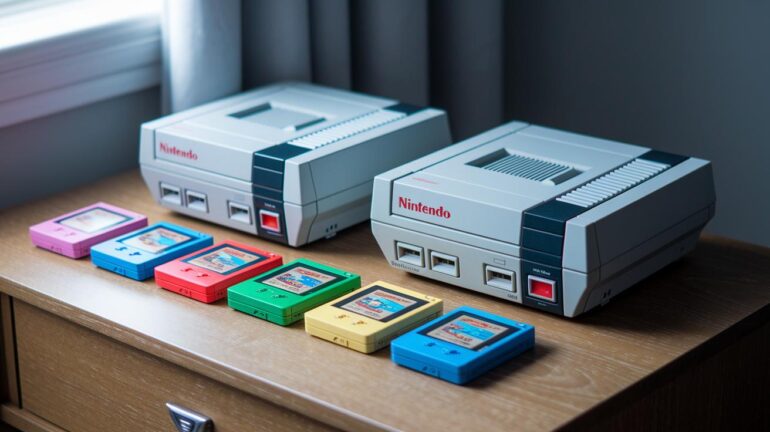
Ever wondered what makes that classic Mario jump feel so magical? Nintendo's consoles have been lighting up our screens for over 40 years, kicking off with the Color TV-Game 6 and sparking a new thrill every time they leveled up.
Each console drop was like snagging a fresh power-up, think about the NES launching epic adventures and the Switch totally flipping the game on its head.
Join us as we take a look back at those bold upgrades and endless fun. Every new console changed the game and left a mark on gamers everywhere.
Comprehensive Overview of Nintendo Consoles
Nintendo's journey has seen 33 consoles, starting with the Color TV-Game 6 on June 1, 1977. Over the years, each release unlocked new adventures and changed the way gamers play. Think of it like leveling up; every console brought its own challenges and rewards. For example, the NES kicked off classic game series, and later systems took gaming to exciting new heights.
- Game & Watch (Apr 28, 1980): Brought arcade fun into a pocket-sized design.
- NES (Oct 18, 1985): Launched unforgettable game franchises with its cartridge-based lineup.
- Game Boy (Jul 31, 1989): Made handheld gaming a hit with timeless titles like Tetris.
- SNES (Aug 23, 1991): Offered 16-bit graphics that powered many epic adventures.
- N64 (Sep 29, 1996): Introduced gamers to 3D worlds with groundbreaking titles.
- GameCube (Nov 18, 2001): Switched to optical discs to boost game experiences.
- Wii (Nov 19, 2006): Brought motion controls into the spotlight, inviting a wider audience.
- Wii U (Nov 18, 2012): Played around with a GamePad to merge console and tablet play.
- Switch (Mar 3, 2017): Blended home and portable gaming, smashing sales records.
Nintendo's recent wins show why gamers still love the brand. The Switch has sold over 120 million units, a number that stands shoulder to shoulder with the DS and PS2. With a 30% profit margin in 2023, each milestone proves that Nintendo always knows how to level up its gaming legacy.
Classic Home Systems: NES, SNES, N64 & GameCube Evolution
Nintendo's home consoles really changed the game. They moved us from simple pixel displays to rich, immersive worlds that pulled you right in. The jump from the 8-bit NES to the 16-bit SNES was a huge step up, bringing smoother graphics and deeper sound to beloved franchises like Super Mario Bros and Donkey Kong Country.
NES
The NES launched on October 18, 1985, and it quickly set the stage for home gaming. Its easy-to-use cartridge system let developers break new ground with creative game designs. Gamers still remember it for its crisp visuals and gameplay that kept you coming back for more.
SNES
The SNES debuted on August 23, 1991, and upped the ante with vibrant 16-bit graphics and richer sound. It helped shape a more detailed, lively gaming world. Imagine playing Super Mario World and feeling that rush as characters moved so smoothly through beautifully crafted environments.
N64
On September 29, 1996, the N64 entered the scene and brought 3D gameplay into the spotlight. Its powerful hardware paved the way for epic titles like Super Mario 64 and The Legend of Zelda: Ocarina of Time. There were even cool translucent editions that highlighted the console’s unique and innovative edge.
GameCube
The GameCube hit the market on November 18, 2001, and switched things up by moving from cartridges to optical discs, which boosted game storage and quality. It introduced neat features like built-in rumble in the controllers that made gameplay even more engaging. Plus, it partnered with the DVD-capable Panasonic Q to bring a fresh twist to home media. For more details, check the gamecube tech specs.
Portable Pioneers: From Game & Watch to Game Boy Advance
Game & Watch paved the way for gaming on the go. It brought the feel of arcade fun into a tiny pocket device. Gamers loved its simple, playful style, and over 40 million units later, we saw the debut of the famous D-Pad (a four-way digital control that changed the game). This showed that handheld gaming could be both fun and easy to pick up.
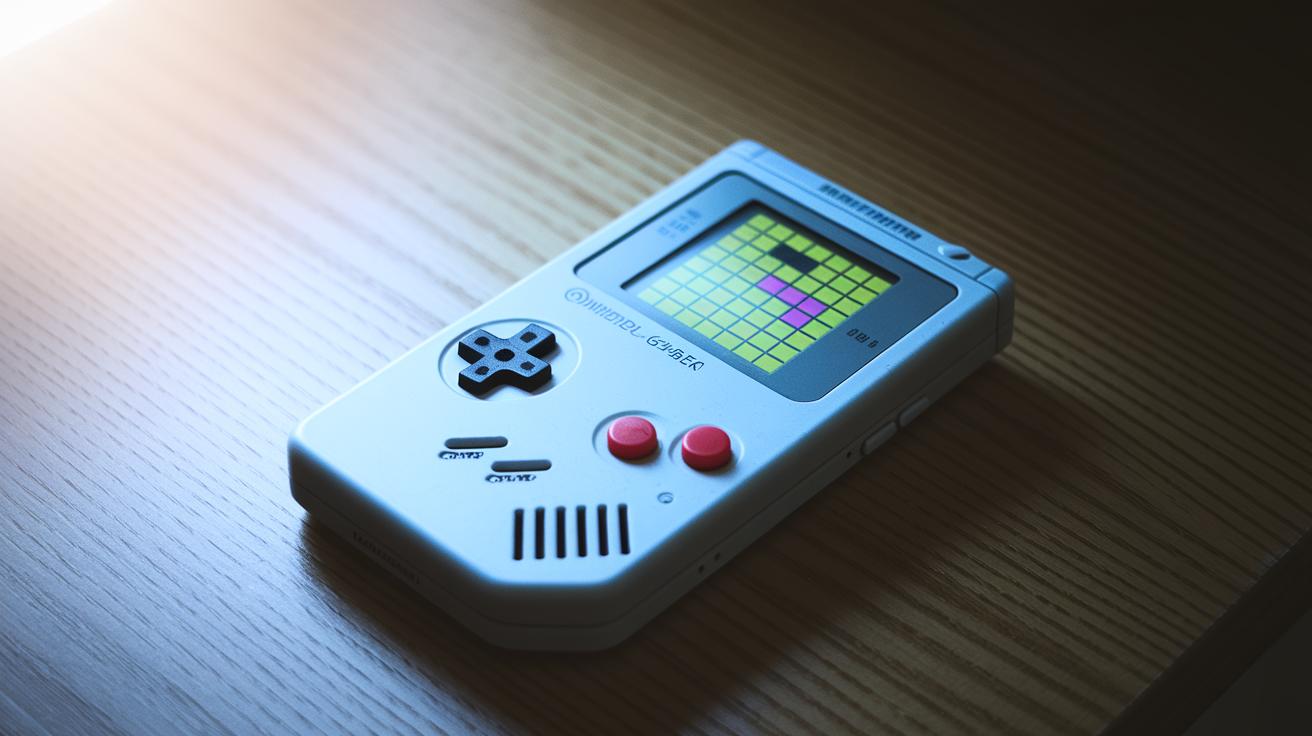
Then, on July 31, 1989, the original Game Boy hit the scene with Tetris included. This little gadget became a must-have for gamers everywhere. It proved that you could pack quality games and a tough design into a small console, sparking a trend that inspired many portable systems down the line.
| Console/Upgrade | What Changed |
|---|---|
| Game Boy Light (Apr 14, 1998) | Introduced a backlight so you could play even in dim settings. |
| Game Boy Color (Oct 21, 1998) | Brought colorful graphics that made games really stand out. |
| Game Boy Advance (Jun 11, 2001) | Switched to a horizontal design and played older games too. |
| Broader Impact | Each step improved the handheld experience and showed how design upgrades could transform portable play. |
All these breakthroughs helped shape modern handheld gaming. They turned quick play sessions into deep, immersive experiences that still influence the way we play today.
Dual-Screen Revolution: Nintendo DS & 3DS Families
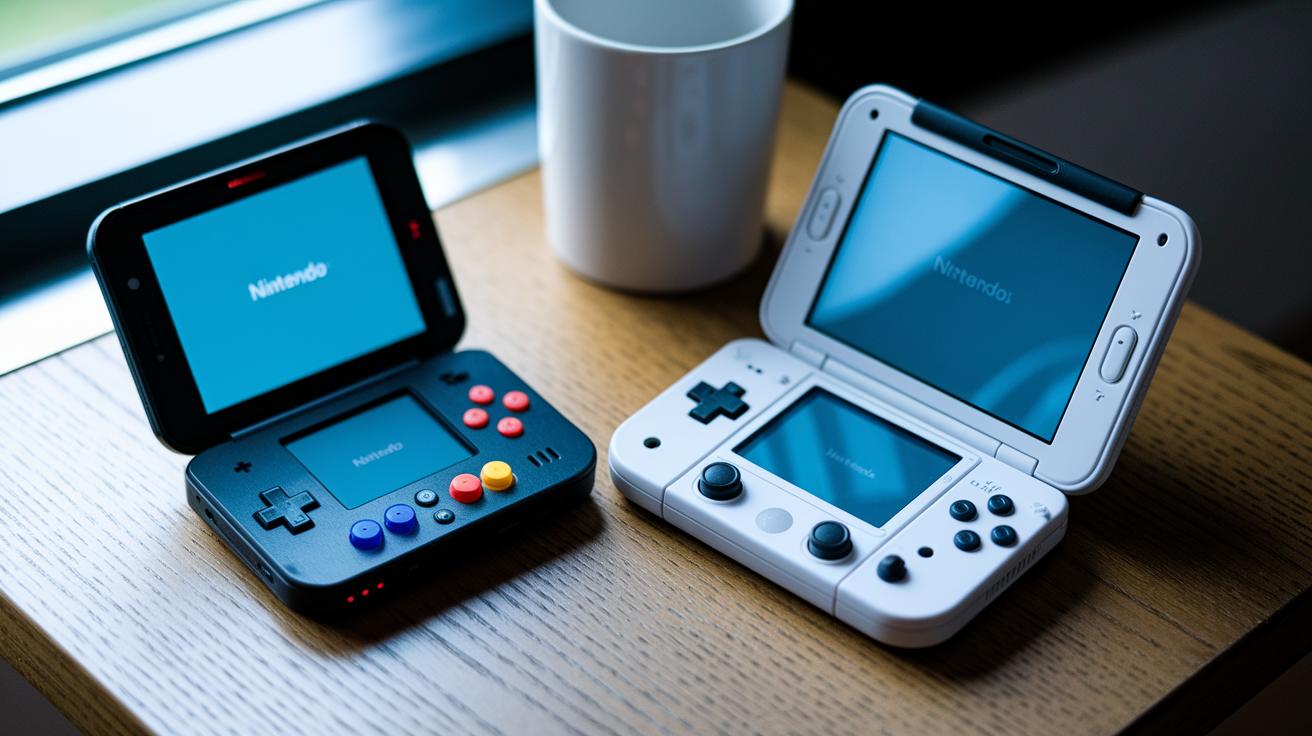
Back in 2004, Nintendo turned handheld gaming on its head. The DS, launched on November 21, 2004, brought two screens and built-in Wi-Fi (a way to connect wirelessly) to freshen up gameplay. Imagine checking your map on one screen while your other screen shows cool game stats, a combo that still excites players today.
Soon, the DS Lite and DSi family stepped in to build on that magic. The DS Lite, which came out on June 11, 2006, sported a slimmer design and brighter screens, making day or night gaming a breeze. Not long after, on November 1, 2008, the DSi hit the market with handy cameras and its own online store. Then came the DSi XL on November 21, 2009, boasting a larger screen and even better sound quality. These upgrades really kept the vibe going strong for all kinds of gamers.
Then came the 3DS era on March 27, 2011. With glasses-free 3D visuals, the 3DS pulled you right into the game. Later versions like the 3DS XL, New 3DS, and New 3DS XL added bigger screens and extra controls to boost the immersive feel even more.
| Model | Release Date | Screen Type | Standout Hardware Feature |
|---|---|---|---|
| DS | Nov 21, 2004 | Dual Screens | Wi-Fi Connectivity |
| DS Lite | Jun 11, 2006 | Dual Screens | Slimmer Design & Brighter Display |
| 3DS | Mar 27, 2011 | Glasses-Free 3D | Immersive 3D Visuals |
| New 3DS | Oct 11, 2014 | Enhanced 3D | Extra Controls & NFC for amiibo |
Home Innovation & Hybrid Play: Wii, Wii U, Switch & Beyond
The Wii first hit our screens on November 19, 2006, a game changer that got us moving with its motion controls and even let you play GameCube games. It wasn’t about fancy tech; it was about fun, getting everyone up and active in what felt like a giant living-room playground.
Then, on November 18, 2012, the Wii U stepped in with its HD GamePad. This controller doubled as a second screen, blending console and tablet play in a fresh way. Even though it packed an innovative punch, sales didn’t quite catch fire. Gamers loved the concept, even if the market wasn’t completely on board.
March 3, 2017, brought the Nintendo Switch, a massive pivot that blended home gaming with portable play. Imagine gaming on your couch then grabbing your console to take on the world, over 120 million units have been sold, and it’s clear this mix hit a home run. Later upgrades, like the Switch Lite launched on September 20, 2019, and the OLED Model on October 8, 2021, kept the excitement rolling. The newest, Switch 2, dropped on June 5, 2025, and it’s packed with magnetic Joy-Cons, a 7.9-inch HDR screen, a new C-button for GameChat, and a hefty 256 GB base storage with MicroSD Express support.
| Model | Key Details |
|---|---|
| Nintendo Switch (Mar 3, 2017) | Hybrid design with detachable Joy-Cons for both home and portable play. |
| Nintendo Switch Lite (Sep 20, 2019) | A dedicated handheld model built for gaming on the go. |
| Nintendo Switch OLED Model (Oct 8, 2021) | Features a vibrant 7-inch OLED screen for richer, clearer visuals. |
| Nintendo Switch 2 (Jun 5, 2025) | Includes magnetic Joy-Cons, a 7.9-inch HDR display, a new C-button for GameChat, and 256 GB base storage with MicroSD Express support. |
| Nintendo Switch Special Editions | Limited-run designs that celebrate major gaming franchises with unique aesthetics and bundled extras. |
Nintendo Console Hardware Evolution

Nintendo really shook things up by changing its hardware over the years. When they moved from cartridges to discs, games started showing off cooler graphics and deeper stories. But with that came new challenges, like longer load times and limits on game data.
Then came the hybrid systems. This was a mix of old-school cartridges and digital downloads, giving gamers the best of both worlds. Ever notice how that combo made every game feel fresh yet familiar?
Fun fact: Those early cartridge games were super fast, letting you switch titles in a blink. That quick pace defined a whole generation of gamers.
| Console Series | Media Format | Key Feature |
|---|---|---|
| Classic Era (NES–N64) | Cartridges | Quick loads that kept the gameplay simple |
| Disc Era (GameCube–Wii U) | Optical Discs | Sharper graphics and controllers that expanded play styles |
| Hybrid Era (Switch series) | Cartridges/Digital | A smart mix of physical and digital play with vivid visuals |
Choosing the Right Nintendo Console for Your Playstyle
When you're picking a Nintendo console, it’s really about what fits your style. Think about your budget, what kind of games you love, if you want to play on the go, or if you’re all about gaming with friends. Whether you're into quick group sessions, long portable play, or a mix of both, there’s a console out there waiting for you.
Here’s a quick breakdown:
| Console | Why You Might Love It |
|---|---|
| Nintendo Switch | Great for family and casual play with the freedom to switch from home to on-the-go gaming. |
| Nintendo Switch Lite | Handheld only and easy on the wallet for gamers always on the move. |
| Wii | Perfect for group motion gaming and fun, interactive play with friends. |
| Wii U | Awesome if you love niche or competitive titles, thanks to its cool GamePad design. |
| DS/3DS Families | Excellent for portable gaming, combining old classics with modern hits. |
| Retro Systems (NES, SNES) | Ideal for collectors and anyone feeling nostalgic, though they stick to classic libraries. |
Older systems like the Virtual Boy, which sold less than 800k units, might not be the best choice for everyday fun. Check out more tips at nintendo gaming systems if you want to dive deeper into picking the console that’s right for you.
Final Words
in the action, we tracked nintendo consoles from their early days to today's hybrid heroes. The post walked through classic home systems, portable innovations, and modern evolutions in easy-to-follow steps. It broke down major releases and design shifts in a fun, game-like pace. With each milestone briefly sketched, you can now see how these consoles continue to shape our play. Keep these insights at hand and power up your gaming experience with confidence and excitement.
FAQ
What consoles has Nintendo released so far?
The Nintendo consoles list covers releases from Color TV-Game to the latest Switch 2, including key systems like NES, SNES, N64, GameCube, Wii, Wii U, and handhelds such as Game Boy and DS series.
How has Nintendo’s console timeline evolved?
The Nintendo consoles timeline shows a clear progression from early systems in 1977 to modern hybrid devices. It highlights eras marked by Game & Watch, NES, SNES, N64, and continues with current innovations.
Which Nintendo consoles are seen as the best among gamers?
The best Nintendo consoles are celebrated for their unique design, strong game libraries, and pioneering features. Fans often favor the SNES, N64, Wii, and Switch for delivering timeless gaming experiences.
What are Super Nintendo consoles?
Super Nintendo consoles refer to the SNES series, famed for its 16-bit graphics and legendary hits like Super Mario World. Its smooth play and vibrant titles helped shape the gaming world.
Where can I buy Nintendo consoles today?
Nintendo consoles for sale can be found through major retailers, specialized gaming stores, and trusted online outlets. These shops offer both modern systems like the Switch and vintage classics sought by collectors.
What sets the Nintendo 64 apart from other consoles?
The Nintendo 64 impacted gaming by pioneering 3D experiences with breakthrough titles like Super Mario 64 and Ocarina of Time. Its design and unique special editions still resonate with gamers today.
What does “Classic Edition Nintendo Consoles” mean?
Classic Edition Nintendo Consoles describe reissued versions of older models updated for modern TVs. They let fans enjoy the nostalgia of retro gaming with improved interfaces and built-in classic titles.
What are the nine major generations of Nintendo consoles?
The nine major generations include the Color TV-Game series, NES, SNES, N64, GameCube, Wii, Wii U, Switch, and Switch 2. Each generation brought fresh design, gameplay, and innovation to the market.
Which console is Nintendo’s current flagship?
Nintendo’s current console is the Switch, known for its hybrid play that works at home and on the go. Models like the Switch Lite, OLED, and Switch 2 offer diverse options for every playstyle.