
Ever think your gaming skills might hide a secret power? Meta gaming mixes in-game stories with real-life smarts to create a winning formula.
Gamers use extra info (like insider tips) to make clever moves and catch opponents off guard, whether they're fine-tuning their loadouts or switching strategies on the fly.
This post dives into how top players blend what they know from outside the game with the on-screen action. We’ll break down easy strategies that turn bonus data into a real edge, setting you up for some epic wins.
Understanding Meta Gaming: Definition and Historical Overview
Meta gaming means using extra game info to decide what your character does. It's like when you learn about a hidden treasure from an earlier session, and even though your character wouldn’t know, you guide them to look for it. Players might change their skill choices, team up with someone based on side stories, or pick a build that takes advantage of a monster's known weakness. Basically, it's mixing what you know outside the game with actions your character is supposed to take.
Meta gaming got its start in tabletop roleplaying games and has grown with online multiplayer titles. Over the past 20 years, many experienced players (almost 60% of them) have used trends like known difficulty levels, monster abilities, or common story ideas to boost their gameplay. Back in the day, players openly shared secrets during a session. Now, that idea has evolved into using outside info for in-game gains. Today, you see this in every genre, from FPS tweaks based on pro tournament plays to RPG builds that use extra data. It just goes to show how old roleplaying methods have changed, shaping the way modern gamers meet challenges.
meta gaming: Winning Tactics
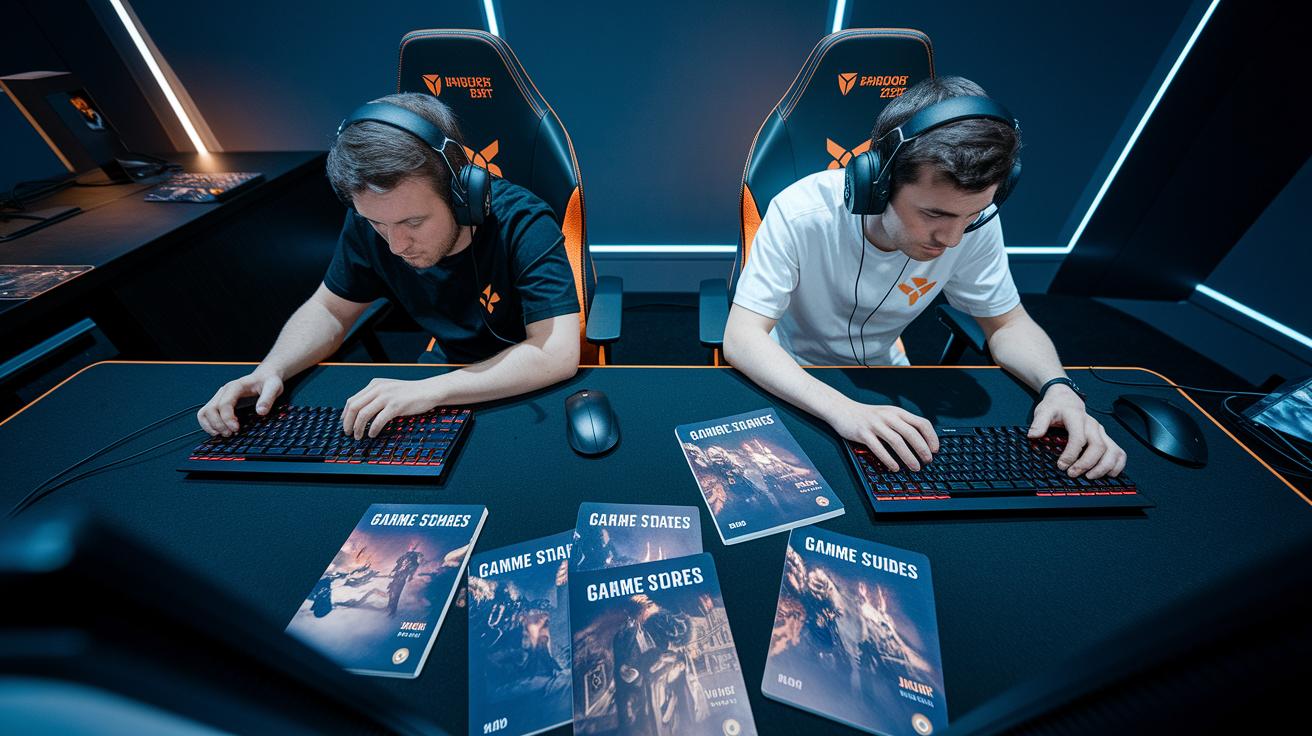
Competitive play is all about grabbing every little bit of info to boost your game. Gamers use what they know about game rules and mix it with what’s happening on screen to craft smart strategies that throw their opponents off balance. They tweak character setups, switch gear, or move around based on what the pros are showing off off-screen. This cool combo of outside insights and in-game actions keeps things exciting and full of surprises.
- For example, in first-person shooters, seasoned players swap gear and plan map routes based on what’s trending in tournaments.
- In role-playing games, fans craft character builds by using extra stats and skill tips (basically, advice on abilities you use) to boost their game.
- MOBA players change their item choices and skill orders by checking out recent high-level match tactics.
- For strategy RPG fans, spotting patterns in boss fights helps them use game mechanics (the basic game rules) to get the upper hand.
- Team-based shooter players fine-tune their positions and communication strategies by learning from pro play insights.
- Many gamers even dive into community data and past match stats to completely change up how they play.
All in all, these tricks show how meta gaming really shapes match outcomes by guiding both personal moves and team strategies.
Strategic Impacts of Meta Gaming on Game Balance
Meta gaming pushes you to get creative with your strategies and rewards those who stick with long-term planning and teamwork. It’s like constantly fine-tuning your character build with secret tips only a few seasoned players know about. This fresh approach not only sharpens your play but also keeps you hooked as you experiment with different tactics. It even brings your team closer as you share ideas and plan smarter moves together.
But, sometimes meta gaming can throw things off balance. When everyone starts using the same tried-and-true strategies, the game can feel a bit stale and unfair. Imagine if every player picked the same loadouts or hit the same map routes, it leaves little room for unique or creative plays. That shift from spontaneous in-game decisions to just following the crowd can frustrate players who crave more variety and challenge. In the end, the mix-up of strategies dwindles, and the game may lose some of its spark.
Community Debates and Developer Responses to Meta Gaming
Players and fans often fire up debates about whether using extra game info is cool or just gives someone too much of a boost. Some folks say that mixing in stuff from outside the game messes with its natural flow. They worry that leaning on outside hints leaves little room for creativity and true skill. One gamer put it simply: "It feels like we're just following a script instead of really thinking on our feet." These talks show how much our shared experiences drive us to challenge the old rules and push for fair play that rewards real talent.
Developers are on it too. They drop balance patches and fresh content to break up stale meta moves. They study game data and player trends to mix things up, making sure one strategy doesn’t win all the time. For example, a recent update changed some key mechanics, forcing everyone to rethink their game plans. It’s like hitting the reset button to keep things exciting and fair.
Competitive leagues join in as well. They tweak rules to stop players from leaning too hard on outside help. Sometimes, officials even ban certain tactics that upset tournament balance. This keeps matches fun and challenging, making sure that on the pro stage, it’s all about skill and smart plays.
Meta Gaming in Roleplaying and Collaborative Environments
Meta gaming mixes out-of-game insights with storytelling. It can add clever tactics, but it might break the vibe if overdone. Sometimes, players use little hints meant only for building the world, like clues about secret loot or hidden spots, to nudge their characters into action. And yeah, some folks build characters that exploit game rules (the hidden perks in gameplay) even if their backstory feels a bit off. Many groups keep a clear line: they’re cool with smart team moves that use meta gaming, but they frown on tricks that shatter the in-game magic.
In-Game Roleplay Meta Gaming Examples
Imagine this: one player hears about a secret stash from an earlier session and drives their character there, even though the story never mentioned it. Another might create a character tuned for game mechanics over the storyline. Then, there are times when players chat outside the game to plan their moves, making sure they beat challenges by using extra info that wasn't brought up during role play. It’s a fun twist, but it also shows how off-screen knowledge can steer in-game decisions.
Community Standards and Boundaries
Most roleplaying groups set clear rules to keep things balanced. They welcome clever meta gaming that ramps up teamwork, yet they draw the line when off-game details spoil the story. Chatting openly about what’s okay helps everyone enjoy the game fairly. At the end of the day, a smart and balanced use of extra insight can keep roleplay both inventive and true to its narrative vibe.
Mitigating Harmful Meta Gaming: Tips and Best Practices

Meta gaming can really throw a wrench into gameplay when off-screen info starts steering your in-game moves. But here’s the thing, both mods and players have ways to keep the fun and fairness alive. It’s kind of like tweaking your character before a big match; even small changes matter. For instance, before a tournament, players might double-check their strategies to avoid leaning on known glitches so that every move feels earned.
- For moderators, keep an eye on communication channels that might let hidden info float around during big sessions.
- For moderators, set clear rules about meta gaming and be ready to step in fast when someone breaks them.
- For players, do a quick self-check after each game to see if you used any extra, off-screen info. It helps boost your real skills instead of taking shortcuts.
- For players, if something seems off, speak up with your group or get the game master involved to set things straight.
These steps help keep the playing field level and push everyone to use real in-game tactics, building true challenge and a sense of camaraderie.
Final Words
in the action, we broke down meta gaming, from its roots in tabletop battles to the modern clash of competitive play. We unraveled examples where out-of-game knowledge shapes character builds, map routes, and team tactics.
We dived into how these strategies affect game balance, sparked community debates, and pushed developers to act. Tips for moderators and players help keep gameplay fun and fair. Stay sharp, level up your skills, and keep enjoying every match with vibrant meta gaming insights.
FAQ
Q: What does meta gaming mean in RP contexts like GTA RP or DnD?
A: Meta gaming in RP means using out-of-character info to shape in-game actions. In GTA RP or DnD, players may use external knowledge to decide character moves they wouldn’t otherwise know.
Q: What is power gaming and how does it differ from meta gaming?
A: Power gaming focuses on maxing out character abilities or stats, sometimes sidelining story. In contrast, meta gaming uses outside information to influence in-game decisions that break the immersion.
Q: How does meta gaming manifest in FiveM and similar platforms?
A: Meta gaming in FiveM happens when players use out-of-game details to affect roleplaying choices. This practice can disrupt the gaming experience by giving some players an unfair edge.
Q: What is an example of meta gaming in practice?
A: A common example is a player using known enemy tactics or weaknesses from online guides to decide in-game strategy, leading to imbalanced play and reduced immersion.
Q: How is meta gaming discussed on Reddit or used in apps and gaming PCs?
A: On platforms like Reddit and in certain gaming apps or PCs, meta gaming involves sharing strategies and techniques based on external game insights, which can influence player decisions and affect game balance.
Q: Why is meta gaming often discouraged among players?
A: Meta gaming is discouraged because it breaks the intended in-game experience, giving players unfair advantages and reducing the natural challenge and immersion of roleplaying and competitive play.