

Have you ever thought one quick move could flip the match? Picture map control like owning the best territory in chess. When you grab the prime spots, you force your rivals into tricky moves and open up chances for a surprise attack.
This guide breaks down simple tactics like blocking key areas and taking the high ground (that means getting a better view so you can spot everything). By setting up your plays right from the start, you steer the fight and put your team in line for a win. Ready to learn how to turn the game in your favor?
Mastering Map Control: Key Tactics for Competitive Shooter Matches
Map control is all about owning key spots on the map so you can steer your opponent’s moves. It means placing your team in the right positions to force the enemy into playing by your rules. When you hold these areas, you keep the pressure on and can even predict what they’ll do next. In tight, competitive matches, this smart control can totally flip the round in your favor by giving you vital info and a stronger grip on the battlefield.
At higher levels of play, mastering map control is a total game-changer. It shapes how your whole team plays and how the match flows. When you push into hot zones, you make the enemy take risky moves while you gather clues about their position. Knowing the map and working together lets you often win a fight before the brawl even starts.
- Area Denial: Keep enemies out of their comfort zone.
- Control Point Defense: Guard key spots to make enemy moves predictable.
- High Ground Exploitation: Use elevated positions to get a clear view of the action.
- Choke Point Assessment: Identify narrow paths to slow down enemy advances.
- Flank Route Development: Create side paths for sneaky, surprise attacks.
- Rotational Advantage Planning: Move quickly between positions to stay one step ahead.
These core tactics are the backbone of match-winning play. When you lock down areas and force enemies out, you make them react under heat. Holding control points not only secures key zones but also lets you read the enemy’s next step. Taking the high ground gives you a fresh perspective on the fight, while understanding choke points disrupts their advances. Building flank routes adds unexpected pressure, and planning rapid rotations keeps your team agile. Mastering these moves lets you turn map knowledge into that decisive win.
Map Control Through Area Denial and Choke Point Exploitation
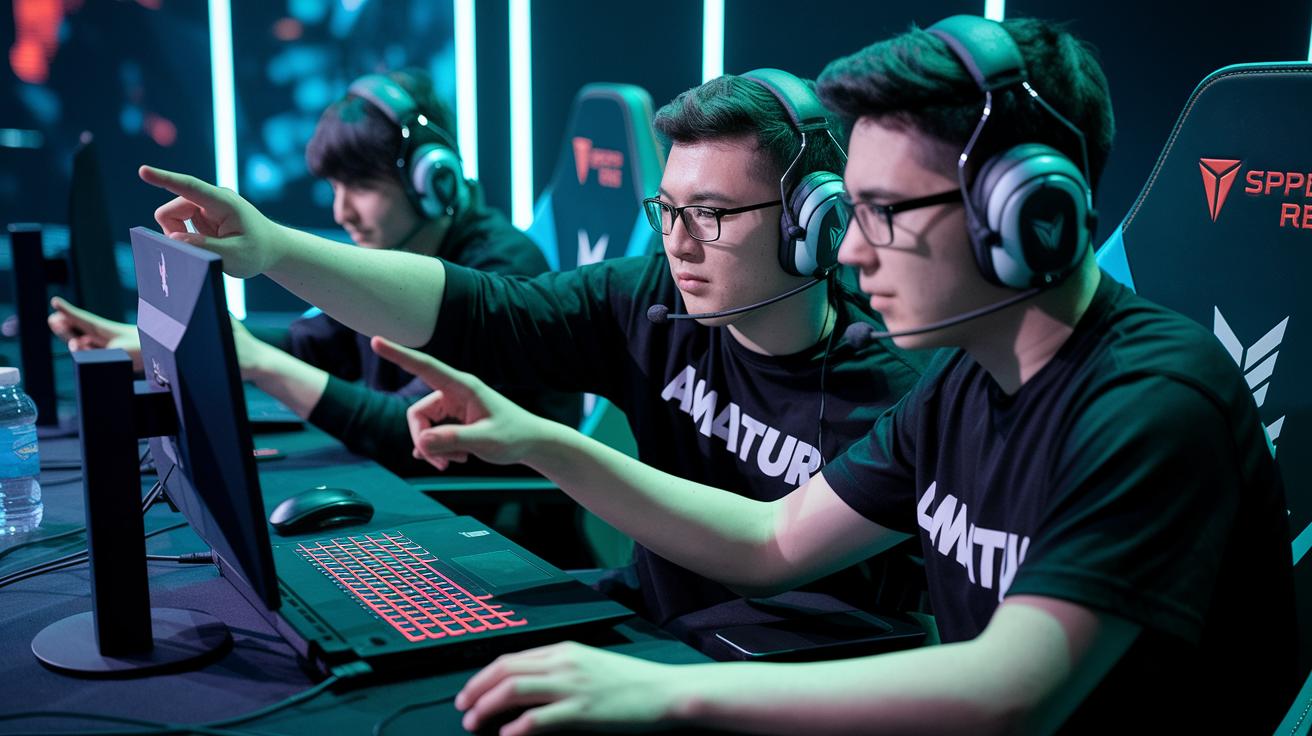
Taking charge of key map spots means cutting off your enemy’s best moves. When you hang on to these hot zones, you force opponents into awkward, less fun areas. For instance, think about watching Banana on Inferno, your team’s presence makes the enemy tread carefully instead of rushing in. This not only limits their movement but also helps you predict where they’ll go next. Plus, adding a hidden player or two can catch them by surprise, really boosting your team’s impact.
Now, let's talk about choke points. These are tight corridors in a map where enemies have no choice but to pass through. On maps like Cache, owning A Main or B Main creates pressure that makes enemy rotations predictable. When foes are forced through these narrow spaces, they become easy targets for a team push or an ambush. Ever feel that surge of adrenaline when you trap an enemy? Timing your push as they commit can turn the tide of the match.
Put together, these strategies form a solid game plan. By controlling both wide areas and narrow choke points, your team forces opponents to play on your terms. This means more wins and those epic moments you’ll remember long after the match.
Map Control via Optimal Positioning and High Ground Exploitation
Choosing a solid spot can really turn the tide. Look for places where you get a good view of different areas at once. Imagine a corner where you can watch two paths, this kind of setup makes enemies stick to one predictable route.
Being high up is a game changer. When you're on rooftops or raised platforms, you catch enemy moves in time, giving you the chance to hit them when they're most exposed. For example, if you’re in a high spot, you might spot a sneaky flank before it turns into a real threat.
Smart map play is all about knowing your view and reading the terrain. By understanding how walls and obstacles block sight, you can decide whether it's time to move in or hold off. Think of it like a wall that limits enemy vision, it puts your team in a better spot to control the flow of battle.
Map Control with Coordinated Team Rotations and Communication Cues
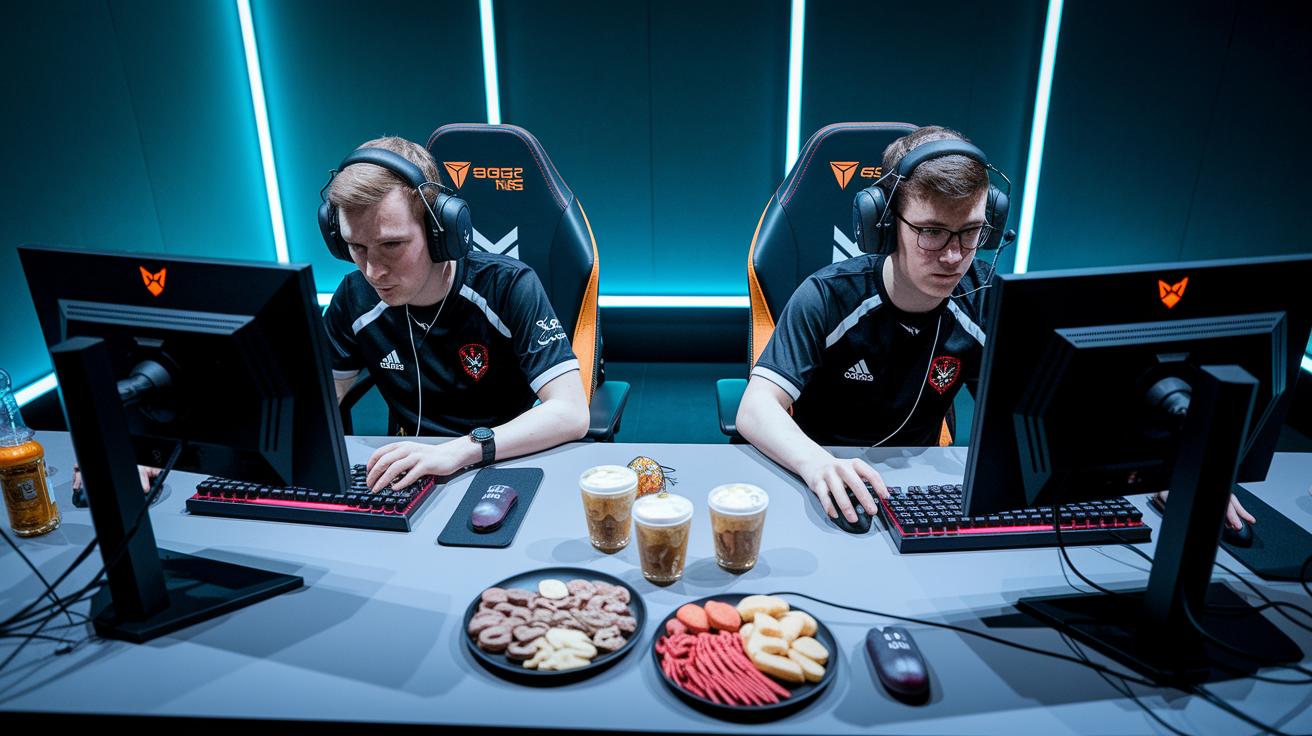
In intense matches, quick rotations can be your secret weapon. When your team moves at just the right moment, it surprises the enemy, leaving them scrambling and off balance.
Clear, simple callouts and defined roles keep everyone in sync. When each player knows whether they're holding a choke point, flanking an approach, or covering a key spot, the squad operates like a smooth, well-tuned machine. For example, the lurker quietly watches critical angles, boosting your team's offensive potential. Using phrases like "Rotate left" or "Shift to mid" helps everyone lock in their positions, cutting down on mix-ups when the pressure is on.
Keeping a steady, united push forces the enemy to constantly adjust. With every call and movement timed just right, their defense begins to crack. Your team finds and exploits openings, setting up those epic, game-turning plays.
Map Control through Dynamic Movement and Flank Route Development
Dynamic pushes shake up enemy plans by forcing them to react quickly. When you dive into hot zones, you throw off their setup and create those split-second chances to grab control.
Flank routes add a cool twist by opening up unexpected angles. Imagine your teammate sneaking through a hidden corridor while others hold the center. This clever side move lets your squad hit opponents from behind, keeping them off balance and preventing a solid enemy setup.
Reading the map and anticipating where enemies will strike lets you switch up your position fast. It’s like predicting a boss move in real-time, giving you the upper hand in contested spots.
Case Studies: Map Control on Inferno and Cache
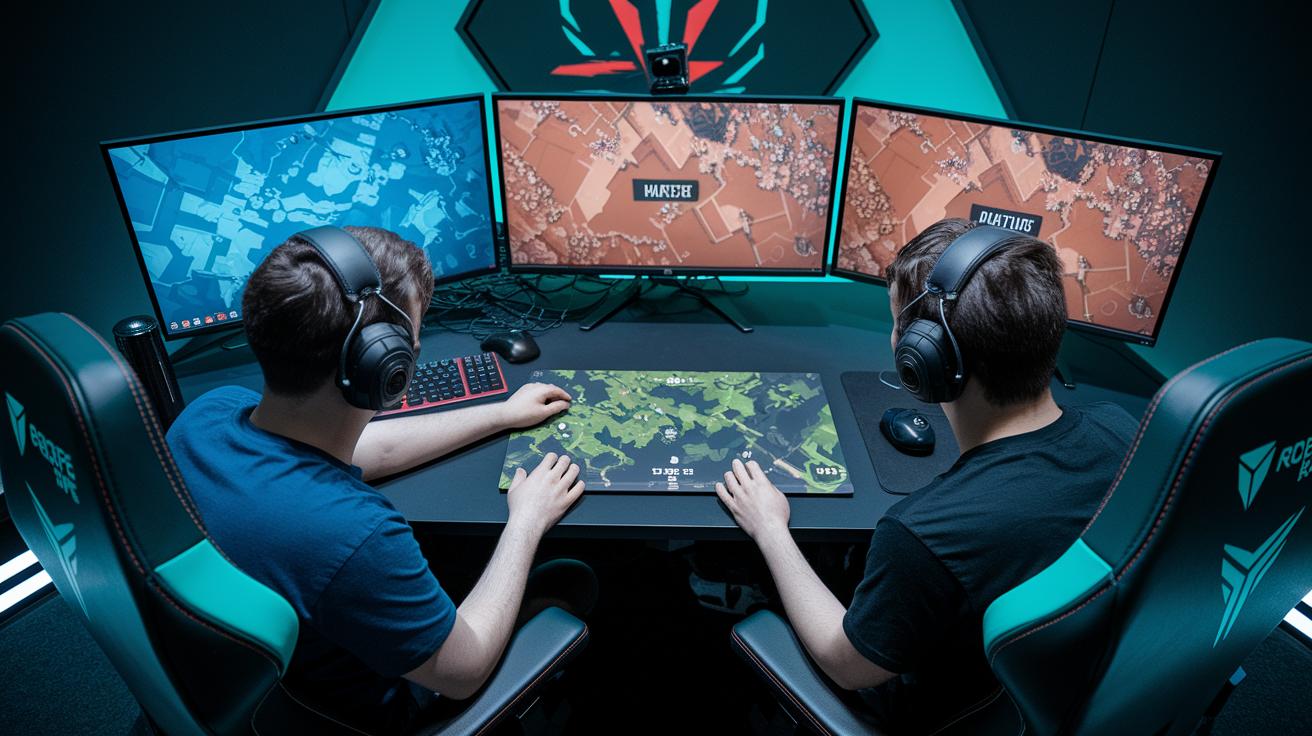
Inferno Banana Control
On Inferno, holding Banana, the narrow path, is huge. Stats show that teams guarding Banana win rounds about 15% more often. One top pro explained, "When I lock down Banana, I force enemies into tight spots where I can set up my flashes (quick light bursts that blind opponents) perfectly." In rounds where CTs are either retaking or giving ground, they use fast utility checks and target the lone enemy with instant stuns. Fun fact: teams using spot-on decoys on Banana can shift round outcomes by up to 15%.
Cache A-Main and B-Main Control
On Cache, CTs now use fresh utility setups at A Main and B Main that push enemies to act in predictable ways. They rely on staggered flashes and well-timed smokes that delay enemy pushes. Remember, keeping control of A Main and B Main forces Ts into guesswork, giving CTs a hidden edge. For Ts, the trick is all about misdirection. Some star players are testing decoy strategies on A Main to lure CT rotations, then switching quickly to a push through B Main that catches defenders off guard. One player noted, "It’s all about faking an attack on one route, then launching a fast, synchronized move on the other."
| Map | Key Control Zone | Denial Tactics | Rotation Paths |
|---|---|---|---|
| Inferno | Banana | Timed stuns, decoy flashes, and aggressive utility use | Quick retakes with live adjustments based on enemy moves |
| Cache | A Main and B Main | Staggered smokes and flashes to force enemy errors | Coordinated fallback with feints to disrupt enemy rotations |
Advanced Map Control and Zone Saturation: Adaptive Rotations and Perimeter Monitoring
Advanced map control isn’t just about holding key spots, it’s about flooding areas and always keeping an eye on your back. Teams mix adaptive rotations with smart drills to stay everywhere at once. You’re constantly checking the edges, so any sneaky move gets spotted fast. This forces your enemy to stick with static setups, limiting their options. It’s like having a sensor on every corner: every move is predicted, and every risky push meets a speedy counter.
When things heat up, quick response drills become a lifesaver. If an unexpected push comes through, teams that have practiced fast fallback moves and dynamic adjustments can regain lost ground in no time. These drills help players switch roles naturally while chaos unfolds, giving your team a clear advantage. Under pressure, this smart control keeps any breach sealed tight, holding your overall game plan intact and securing your win even in the toughest plays.
Final Words
in the action, we broke down how map control shapes the flow of competitive shooter matches. We explored key tactics like area denial, choke point assessment, and dynamic movements that force opponents into tight spots.
These map control strategies for competitive shooters build a solid base for smart, aggressive play. Stick with these tips and let teamwork and sharp positioning boost your overall game feel. Happy gaming, and keep it creative out there!
FAQ
Q: What is map control in competitive shooter matches?
A: Map control refers to the strategy of dominating key areas on the map. It impacts enemy movements and provides your team crucial intel and positioning advantages during matches.
Q: How do area denial and choke point tactics influence map control?
A: Area denial and choke point tactics limit enemy options by forcing them into narrow passages. This gives your team control over pivotal zones while making enemy routes more predictable and easier to counter.
Q: How does optimal positioning and high ground exploitation help control the map?
A: Optimal positioning at key vantage points and utilizing high ground boost visibility and coverage. This positions your team to preempt enemy movement and force opponents into less favorable combat situations.
Q: In what ways do coordinated team rotations contribute to map control?
A: Coordinated team rotations keep your team’s presence across the map balanced. Clear communication and strategic movements force enemy rotations, enabling your team to reclaim or maintain control during crucial rounds.
Q: How does dynamic movement and flank route development enhance map control?
A: Dynamic movement and well-planned flank routes catch enemies off guard. They allow your team to pressure opponents, forcing reactive play that creates openings and secures new control zones.
Q: What are some real-world examples of map control in popular maps like Inferno and Cache?
A: On Inferno, controlling Banana restricts enemy advances, while on Cache, dominating A Main and B Main shapes defensive and rotational strategies. These tactics are core in dictating match flow and advantage.
Q: What advanced techniques can teams use to sustain map control under pressure?
A: Advanced techniques include adaptive zone saturation, perimeter monitoring, and rapid response drills. These strategies let your team adjust quickly to unexpected enemy pushes and maintain continuous control over the map.