
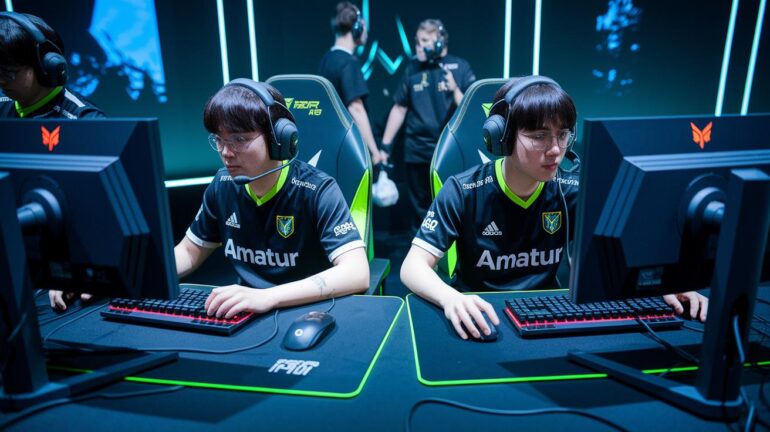
Ever have one of those epic plays suddenly lose its magic? In esports, the game can flip in a heartbeat – what felt rock-solid one minute might tank with a new update. Teams rush to swap moves, adjust their playbooks, and sometimes even come up with an entirely fresh strategy. So here’s the scoop: staying quick on your feet can be your secret to turning things around and nailing that win. Ready to level up and stay ahead?
Adaptive Gameplay Strategies for Esports Meta: Core Principles
The meta is all about the best tricks and tactics that work right now, but it's always changing. Developers tweak agents, weapons, and maps so fast that what worked last week might not cut it today. Imagine gearing up for a match with your go-to weapon, only to find out it doesn’t hit like it used to. It’s that sudden jolt that makes you rethink your plan, whether you’re a casual player or a pro.
Even small tweaks, like a tiny buff (making something stronger) or nerf (reducing power), can completely shift how teams operate. Picture your signature move getting slightly nerfed, forcing top teams to scramble and try out new roles and lineups in just a couple of days. It’s the kind of twist that keeps every match exciting and unpredictable.
Teams are now diving into data like never before. They break down post-patch win rates, study heat-map analyses, and monitor agent pick rates to adjust their strategies on the fly. Imagine a team plugging away at data overnight from the latest patch, then rolling out a completely revamped lineup the very next day. It’s that mix of fast thinking and quick adaptation that turns the tide in esports.
This fast-paced, ever-changing game theory is what gives teams their competitive edge. When everyone’s feeling the pressure of meta shifts, the team that adapts first wins. Want to get the inside scoop on these tactics? Check out the breakdown of esports ladder systems and see some ladder tactics for esports pros for more tips on staying ahead of the game.
Tactical Shift Innovations for a Fluid Esports Meta
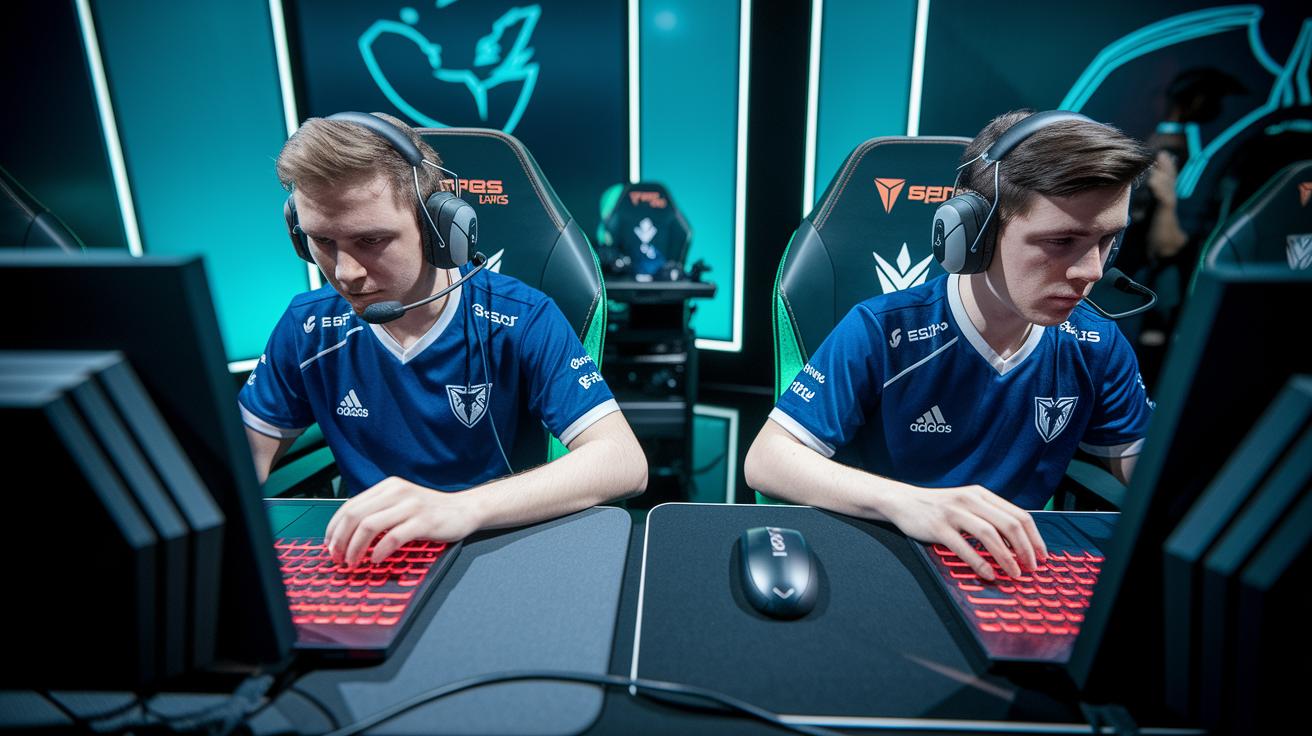
Balance patches, like those reworks in Valorant or tweaks to weapon recoil, really shake things up. When a key ability gets nerfed, even top teams switch from sticking with their one-trick plays to mixing in surprise flanks and long-range pressure. Ever seen a team completely change their lineup overnight? That’s what happens when a single patch forces everyone to rethink their game.
Today, every serious team makes it a habit to study patch notes and try out new setups in scrims. They blend solid, numbers-based insights with simple game math (basically using statistics to guess what the other side might do). The pace of change means you’ve got to adjust on the fly to stay ahead.
One great example: a team known for its dominant style revamped its roles and map tactics after a seemingly minor tweak. In fact, they overhauled their entire playbook in just 24 hours, switching from static roles to quick pivots. This fresh approach cuts down on repetitive strategies and keeps the esports scene fluid.
Data-Driven Real-Time Refinement Models in Esports Meta Adaptation
Teams rely on numbers to see how they’re doing after a patch. They check heat maps and agent pick-rate stats to spot what’s working and what isn’t. Coaches use handy tools like using game analytics for esports performance optimization to catch tiny shifts and change their game plan fast, imagine scanning 24-hour stats to swap in the best counter picks.
AI tools step in with fresh insights by predicting new meta trends using smart algorithms (basically, computer programs that forecast patterns). They dig into patch notes and community reports, spotting changes before most do. A coach might say, “Imagine building a tool that flags odd pick patterns, it’s like getting a heads-up before the meta explodes.” Tools like innovation in game AI: breaking down headline trends mix these AI forecasts with live data.
This mix of real-time stats and AI smarts helps teams make faster, smarter decisions, keeping them ahead in the game.
Case Studies of Fluid Play Adjustments in Valorant and Beyond

Remember the rush when a small game tweak changes everything? In March 2021, Valorant’s Phoenix got a neat rework that flipped the script for top teams in VCT Stage 2. Overnight, teams moved from a chill, cautious style to aggressive entry plays. They had to think fast and test strategies in scrims (practice matches) to keep up with the change.
League of Legends had its own wild ride during the Patch 11.17 cycle at Worlds 2021. Coaches started picking off-meta champions like crazy, there was even a 35% spike in these unexpected choices. It was all about outsmarting your opponents, shaking up the usual plays, and constantly rethinking team setups. Ever felt that excitement when you try something totally new?
Over in Overwatch, the Version 2.0 hero balance update brought some surprising benefits. Stage 4 teams found out that using two tank heroes on control maps could really pay off. This tweak pushed teams to talk more and better coordinate their moves. In short, it wasn’t just about individual skills but working together smoothly as a unit.
- Quick shifts are crucial when change hits fast.
- Regular scrim testing sharpens new tactics.
- Team chat and coordination boost your overall strategy.
These examples show that staying on top of in-match changes isn’t just about reacting, it’s about quickly learning and adapting your strategy. Fluid play adjustments across games prove that on-the-fly decisions and constant evaluation are the secret weapons in high-stakes competitions.
Developing Sustainable Competitive Framework Adaptation Practices
Competitive framework adaptation is all about planning for the long haul rather than scrambling for quick fixes. Instead of huddling over daily patch note debriefs, teams can set aside time for leadership sessions where they nail down big-picture goals. For instance, consider this: a mid-season shift in leadership focus upped tactical efficiency by 35%, proving that long-term planning really pays off.
Mixing up skill sets with cross-training helps teams stay flexible, boosting overall performance. Coaches can merge leadership reviews with in-depth performance tracking by comparing scrim data over weeks instead of just minutes. This approach builds a team that’s ready for anything.
Long-term tracking paired with scenario drills not only shows growth but also fine-tunes team coordination. Imagine going over trends from several matches and then running a practice session that mirrors upcoming balance changes. This way, lessons learned turn into real game-winning strategies.
- Leadership sessions that shape strategic goals
- Cross-training workshops for multi-role expertise
- Periodic performance reviews that track long-term progress
Final Words
in the action, we've seen how constant changes in patch notes keep gameplay fresh and force teams to pivot on the fly. We broke down the impact of minor tweaks on team compositions and how real-time data, analytics, and community insights help shape winning approaches.
Every shift fuels innovation and proves that adaptive gameplay strategies for esports meta empower players to adjust quickly while staying ahead. Keep testing new tactics, and let each play refine your edge.
FAQ
What does adaptive gameplay strategy mean in esports meta?
The adaptive gameplay strategy means adjusting your tactics based on game balance changes and evolving team compositions. It helps players stay ahead when small buffs or nerfs shift the competitive dynamic.
How do balance patches affect strategic gameplay in esports?
Balance patches affect gameplay by changing agent abilities, weapon stats, and map layouts. These tweaks force teams to experiment, update compositions, and rethink their tactics to maintain their competitive edge.
How do analytics and AI tools improve game strategy refinement?
Analytics and AI tools improve game strategy by tracking win rates and agent picks, analyzing data, and predicting emerging trends. This real-time insight helps teams fine-tune their play quickly and efficiently.
What lessons can we learn from case studies in games like Valorant or League of Legends?
Case studies from games like Valorant or League of Legends show that fast tactical pivots, extensive scrim testing, and clear team communication are keys to adapting strategies and winning head-to-head matches.
How can teams develop sustainable approaches to meta adaptation?
Teams can build sustainable approaches by setting up daily patch reviews, practicing various compositions in scrims, and using data insights. This routine helps them adapt quickly to changes and keep competitive performance high.