
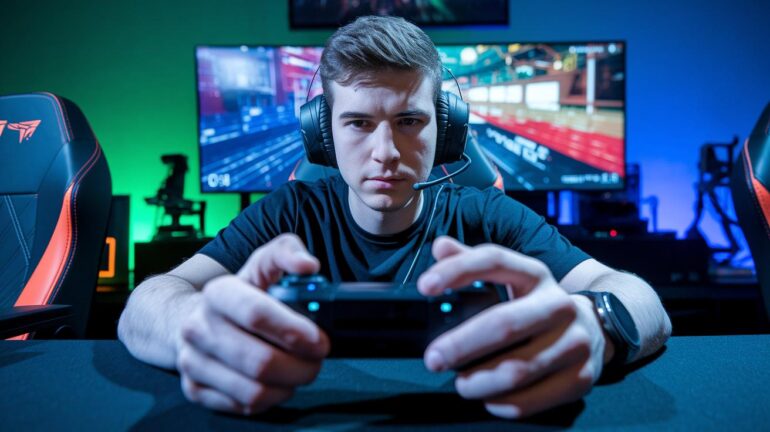
Ever stall at a tight moment in a game? I used to freeze up under pressure, and it really cost me some wins. Then I started mixing in simple exercises like quick finger warm-ups, aim drills (these help you line up your shot faster), and short breaks to clear my head. In fast games, every millisecond really counts, so even a little tweak in your routine can make a huge difference. This guide is packed with easy steps to boost your speed and sharpen your reflexes. Ready to go from hesitating to totally dominating?
Designing an Improving Reaction Time Routine for Gamers
Reaction time is all about how fast you respond to what’s happening around you. It can make or break your game in fast titles like Apex Legends and Warzone. Start by mixing physical moves with mental drills, and don’t forget to take some breaks. Warm up first, imagine quickly stretching your fingers and doing a few hand taps before you dive into your match. Even just 30 seconds of this can really get your blood pumping.
Break your practice into chunks. Spend around 10 minutes using aim trainers to sharpen your focus. Then, dedicate about 15 minutes to exercises like rapid tapping or catching pop-up targets. Repeating these familiar patterns helps your brain learn the moves faster, kind of like practicing your best combo until it feels natural.
Every week, remember to take a rest day and check your progress with a simple reaction timer. Keep your training zone distraction-free by choosing a quiet, dim room and making sure your gear is on point. A high-refresh-rate monitor and low-lag peripherals can seriously help. And don’t skip a quick session of breathing exercises to keep your stress low and your reflexes high.
Integrating Reflex Upgrade Training and Hand-Eye Coordination Drills

Start with personalized aim training using tools like Kovaak's or Aim Lab. These programs let you pick target patterns that really push your reaction time. Think of it like practicing your best combo moves repeatedly.
Then, add in some regular reaction-time tests, like the ones on Human Benchmark. These tests act as your baseline, showing where you stand and how much you're improving. Try a drill where you tap a key as soon as a target flashes. Your muscles learn to react faster, and your brain picks up the cue quicker. Give the drill a go, tap as fast as you can when the target changes color.
Next, work on training your mind and muscles with quick pop-up target drills. They condition your hands and eyes to work together, much like quick passes in your favorite FPS games. Imagine targets appearing for just a split second, and repeat the sequence until the moves become natural.
Keep your sessions short and intense. Repeat your favorite drills until every movement feels automatic. With regular practice, these drills will sharpen your reaction speed, making every in-game decision quicker and more precise.
Fast Reaction Enhancement Through Peripheral Vision and Visual Processing Exercises
Train your eyes to follow several things on your screen at once. Start with a dual-target drill: watch two objects go in opposite directions at the same time. Think of it like spotting an enemy creeping in from the side, it's that quick flash that makes you instantly shift your focus. In other words, when something zips across, your eyes catch it almost in a blink.
Next, try out some moving visual aids like flashcards or charts that change rapidly. Following these fast-moving images can really boost how quickly your brain processes what it sees. It’s like flipping through a fast-paced comic strip, the faster you grab the details, the quicker you react. Even playing some quick-paced FPS games can train your brain to handle lots of action while keeping your vision sharp.
Also, work on reacting to sounds through simple drills. For example, listen for a beep or a voice command and respond as soon as you hear it. This kind of exercise helps your brain sync what you see and hear. Mixing these drills together not only expands your peripheral vision but also speeds up how quickly your brain processes visual information, making you quicker during gameplay.
Improving Reaction Time Routine for Gamers: Level Up
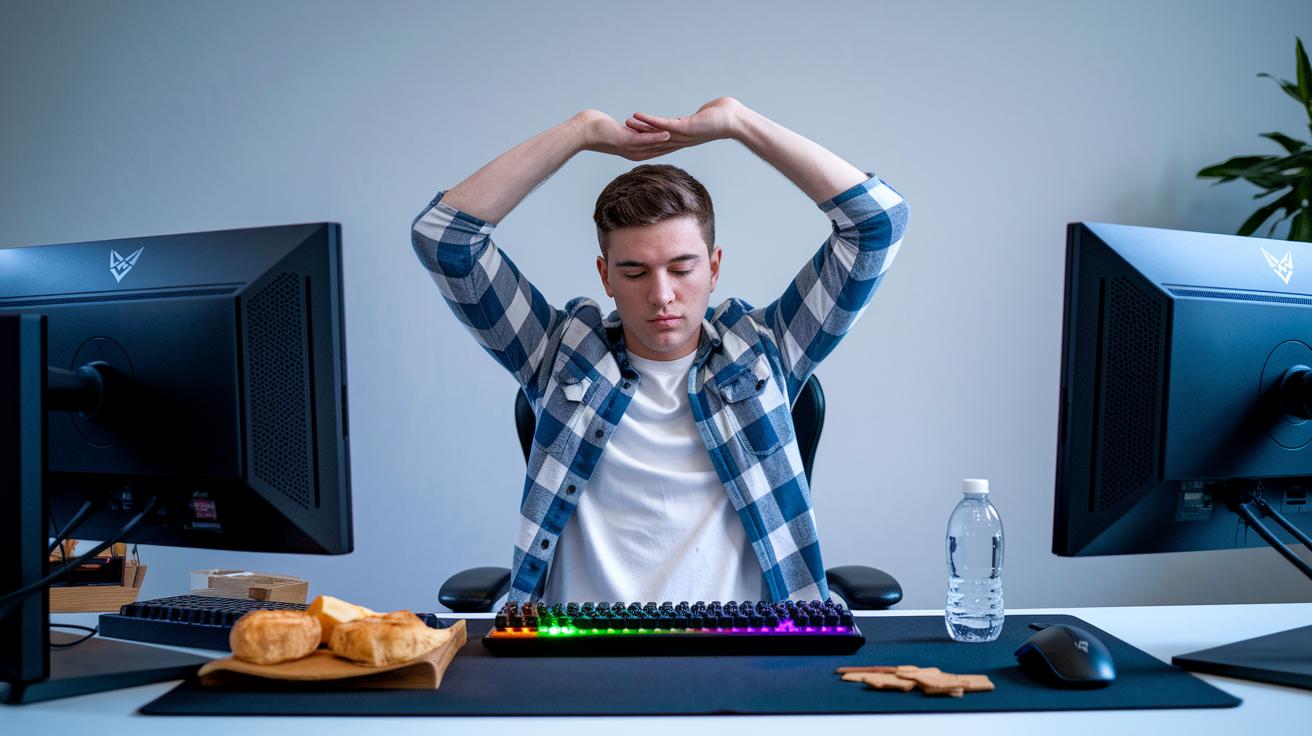
Getting ready for your gaming session means prepping both your body and brain. Start off with some quick, easy warm-ups, think simple stretches and some finger flexes to keep your muscles quick. Ever give your hands a little shake before jumping in? It’s like a mini warm-up before your big play.
Next, keep your body fueled right. Drink enough water and grab snacks packed with good stuff like omega-3s and antioxidants (blueberries, walnuts, avocados). Picture these treats as your in-game power-ups, boosting your brain’s speed and helping you hit those quick moves.
Don’t forget about sleep. A solid 7 to 9 hours each night means you’re fresh and sharp. With a well-rested mind, spotting enemy moves and making fast decisions becomes a lot easier.
Finally, add in some mental exercises. Try quick number games or puzzles when you have a moment. These mini challenges help train your brain to pick up on patterns fast, just like nailing that last-second combo. Stick to these habits, and you'll notice your reaction time leveling up, giving you a competitive punch on every session.
Optimizing Equipment and Environment for Efficient Digital Combat
Keep your gaming rig lean and finely tuned to shave off every millisecond. Use monitors running at 120 Hz or more with low-lag settings to keep your screen action smooth. Tweak the polling rates on your top-tier mouse and keyboard (polling rate means how often your device tells your computer what it's doing) so your commands feel lightning-fast. And if you're up for it, dig into your peripheral settings to banish any lag, try upping your mouse polling rate from 125 Hz to 500 Hz and feel how much more responsive everything becomes.
Keep your space focused and clutter-free. Instead of rehashing the basics, take it a step further with smart room tweaks: position your monitor to dodge glare, fine-tune your headphone output to block unwanted distractions, and adjust your display settings so your system runs a steady 60 to 144 FPS. This way, every in-game decision comes with reliable, predictable visuals.
- Monitors with 120 Hz or more for sharper visuals.
- Adjustable polling rates on your equipment for rapid input.
- Organized room setup and display tweaks to keep distractions at bay.
Tracking Progress and Adapting Your Fast Reaction Practice Regimen

Kick off your session with a simple online timer test. It warms you up and sets your baseline speed, letting you check how quick your reflexes are. By starting with a quick test, you know where you’re starting and can build on that.
Keep an eye on your numbers over the weeks. You might notice your reaction time dropping, your hits getting more on point, or your decisions coming faster. Write down your daily scores and give them a look every week. For example, you could note each session’s reaction time and then compare how you’re doing over a few days.
| Day | Reaction Time (ms) |
|---|---|
| Monday | 240 |
| Tuesday | 230 |
As you get more comfortable, try speeding up your drills or even adding a new twist to keep things exciting. Checking your progress regularly helps you figure out if it’s time to tweak your routine, maybe add a rest day or try a different drill, to really sharpen your skills.
Set small, weekly goals and take note of any cool trends. Over time, these tiny improvements add up to big gains. If you ever hit a plateau, mix things up a bit by challenging yourself with a new test or cranking up the pace just a little. Keep at it and enjoy watching your reaction skills level up!
Final Words
In the action, this guide showed you practical steps to boost your quick responses. We covered drills, physical prep, gear tweaks, and tracking your gains, all to help you level up your reaction skills.
By following this improving reaction time routine for gamers, you'll feel more confident hitting fast-paced targets and managing in-game pressure. Stay persistent and have fun sharpening your skills. Every bit of practice brings you one step closer to game-winning moments.
FAQ
How can I improve my reaction time for gaming?
The reaction time routine for gamers boosts responses through warm-ups, daily drills, proper sleep, and low-lag gear. This mix trains mind and muscles to act fast during gameplay.
How does reaction time training help boost your gameplay?
The reaction time training, using tools like aim trainers and pop-up target drills, sharpens hand-eye coordination and quick decision-making, making it easier to hit that perfect combo.
Are there supplements to increase reaction time?
Some gamers opt for supplements like omega-3 fatty acids, which support brain function, but a balanced diet, proper hydration, and good sleep typically strengthen reaction speed more effectively.
What is a good reaction time for gaming?
The reaction time for gaming often hovers around 150-200ms. This level works well, though many gamers strive for lower times to gain a competitive edge.
How do I improve my response time in fighting games?
The fighting game reaction boost links focused warm-ups, targeted drills, and smooth input equipment. This approach helps synchronize movements, making every fight feel more fluid and responsive.