

Ever wonder how top gamers handle marathon training sessions and still win big? It all comes down to smart time management, your secret power-up that keeps burnout at bay while you sharpen your skills.
When every minute counts, a clear schedule helps you focus and boost your gameplay. Ready to treat your clock like a game-changing item? Let’s dive into some easy, proven tips that turn every second into your winning move.
Core Time Management Strategies for Professional Gamers
Time management is a total game-changer for pros. When you plan out your practice and work time, you not only sharpen your skills but also dodge burnout. A clear schedule turns every minute into a boost for your game. Think about it this way: you only have a short window to perfect your headshot skills in a big tournament!
- Set a daily game timer so you can balance your play with life outside gaming. For example, you might say, "I played scrimmage for 90 minutes and took a 10-minute break to keep my edge."
- Write down your in-game goals on a simple list to help you focus on drills and match objectives.
- Try the Pomodoro Technique (that means 50 minutes of full focus followed by a 10-minute break) to keep your concentration sharp.
- Track how long you spend on scrims, solo drills, or just free play to see where your energy is going.
- Use time blocking by scheduling set periods for warm-ups, focused practice, and review sessions.
- Aim for small, realistic goals so you level up steadily without wearing yourself out.
- Update your approach based on your performance. Tweak your plan so your next session is even better.
Start small and build consistency, like leveling up in your favorite game, each little win adds up. This method shows improvements you can see, like faster reaction times, and those less obvious ones, like better focus, making every session count.
Time Management in Esports Training Routines
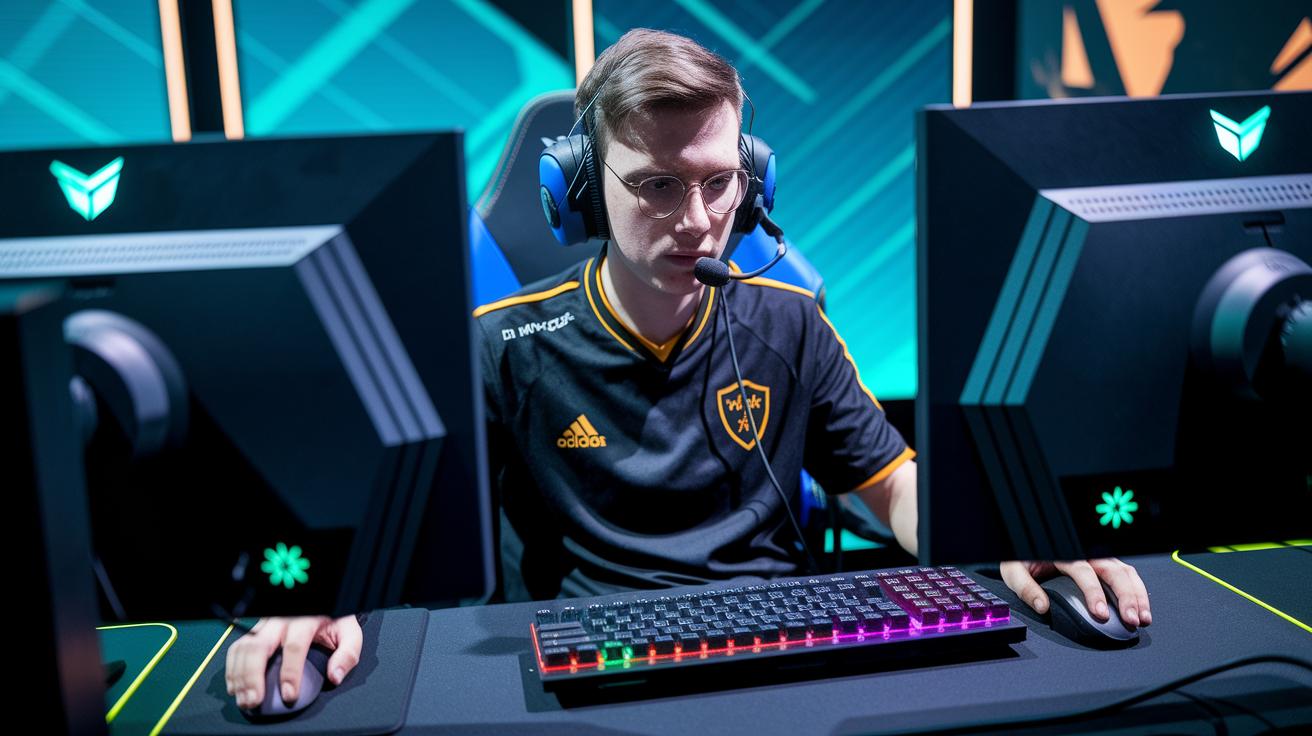
Breaking up your practice into clear blocks helps you stay pumped and avoid getting worn out. When you set aside time for different drills, you can focus on one skill without mixing things up. This method shows you your progress, for instance, upping your headshot accuracy by 5% in a week or landing a top 8 finish in a tournament over a few months.
| Session Phase | Duration | Objective |
|---|---|---|
| Warm-up | 15 minutes | Get your body and mind ready |
| Skill Drills | 90 minutes | Work on your precision and technique |
| Scrimmage | 45 minutes | Play in scenarios that mimic real matches |
| Review | 15 minutes | Look back at your performance and plan next steps |
Each part of your session gets its own goal, so every moment counts. In warm-up, try to sharpen your reactions steadily. During skill drills, set clear targets, like improving your aim to hit a new accuracy mark. And in scrimmages, use the pressure to test out everything you’ve practiced. Finally, the review phase is your chance to reflect on your progress and set up both short and long-term goals for your next round of training.
Time Management for Pro Gamers: Balancing Personal Life and Gaming
Taking a break to handle the basics, sleep, meals, exercise, and hanging out with friends, is like grabbing a power-up for your mind and body. When you set aside time for these things, you jump into each game with clear thoughts and steady energy. It makes tough matches easier and cuts down on stress that might slow you down when it counts.
Getting enough sleep is your way to recharge, like booting up your console for the next level. Aim for 7–8 hours each night so that your reflexes are sharp and your focus stays on point during those high-stakes moments. And don’t forget your meals, fuel up 1–2 hours before practice so you’re running on full power throughout your gaming sessions.
Taking downtime seriously is a total game-changer. Block out moments for relaxation, light exercise, or just chilling with family and friends. Sometimes, having a buddy remind you to take that break can really help. This approach not only lifts your mental load but also keeps you feeling great, just like the awesome tips shared in gamer culture and mental health chats (https://nerdladder.com?p=2506).
Time Management Tools and Hacks for Pro Gaming Productivity

If you're a pro gamer looking to crush your day, digital scheduling tools are essential. Without them, juggling your practice sessions, match times, and life tasks can get messy fast. Try a digital calendar with color-coded blocks, imagine blue for practice, red for match prep, and green for personal breaks. It turns a hectic schedule into clear, step-by-step plans.
Key apps can seriously boost your routine. A calendar app keeps your events straight, and a Pomodoro timer (that’s one which breaks your time into focused play sessions with short breaks) helps you stay sharp. A habit tracker makes sure you stick with healthy routines like proper sleep or meals. Plus, a to-do list manager lets you mark match prep tasks with deadlines. Think of it like setting a 50-minute timer for drills, then taking a 10-minute break. Each cycle gets you closer to victory!
Every week, take a moment to review your time. Look over your planned schedule and see how it compared with what really happened. Write down what went well and where things slipped. Then, adjust your tools and tactics for next week. It’s a small change that can lead to game-changing improvements.
Time Management Tracking and Burnout Prevention for Pro Gamers
Tracking your progress is like having a live in-game stat display. When you watch your win rates, hit accuracy, and reaction times, you instantly see what's working and where you might need a change. For example, after five matches, noticing a 0.2-second drop in reaction time can point you toward areas that need improvement.
It’s a smart move to jot down key stats every week. Keep track of numbers like win rate, kill-death ratio, and headshot percentage. Imagine it as a quick post-match chat with yourself where each number shows your growth step by step.
Planning recovery days is a must. After six intense gaming days, take a full break. Think of it like hitting pause on a tough level to recharge your mind and body, keeping your reflexes sharp for the next round.
After big matches, run a fast performance check. If you notice your accuracy slipping in later rounds, try adding extra breaks or shorter drills in your practice. This flexible approach not only sharpens your skills but also helps keep burnout at bay, so you can always bring your best game.
Final Words
In the action, we broke down key tactics on how to balance training, personal life, and digital tools to streamline your gaming routine. We shared ways to set smart play limits, organize skill drills, and track progress, all while keeping burnout at bay. These insights help solidify a game plan that mixes practice, rest, and regular reviews. Embracing focused time management for professional gamers can boost your performance and keep your gameplay on point. Stay driven, adapt each move, and enjoy every win.
FAQ
How do professional gamers manage their time?
The question on managing time as a pro gamer suggests using methods like time blocking and Pomodoro sessions to balance practice, work, and downtime. Reddit communities share these down-to-earth hacks.
What is the professional gamer salary?
The question on professional gamer salary reveals that earnings vary widely based on tournament prizes, sponsorships, and streaming revenue, with top players often earning significantly more than newer competitors.
What does an esports player’s daily routine involve?
The question about an esports player’s daily routine covers structured segments like warm-ups, skill drills, scrimmages, and review sessions, while also balancing personal tasks and rest for peak performance.
What are time management games for students?
The query on time management games for students points to interactive tools that teach scheduling skills, quick decision-making, and planning techniques, all wrapped in engaging and fun gameplay scenarios.
How many hours a day does a professional gamer play?
The question about daily playtime for a pro gamer indicates that hours can vary but often involve 4 to 8 hours of focused practice, plus extra time for strategy review and team discussions.
What are the 5 P’s of time management?
The question on the 5 P’s of time management refers to key steps like planning, prioritizing, performing, persisting, and profiling, each offering a way to organize tasks efficiently for both work and gaming.
What does the 7 8 9 rule for time management mean?
The question about the 7 8 9 rule hints at dividing tasks into manageable time blocks, creating a balanced schedule that smoothly interweaves play, work, and rest throughout the day.