

Have you ever wondered how plain old screens stole the hearts of millions? Nintendo's early consoles switched things up, they looked simple but were crazy fun to play. Back in the day, these systems didn't need fancy tech; they built real connections with players through pure, engaging gameplay. Every new release got gamers hyped, showing that sticking to basics can still win big. In this post, we’re checking out twelve standout consoles that prove Nintendo keeps its fans excited while staying true to its own unique style.
Nintendo Gaming Systems Shine With Classic Appeal
Nintendo's legacy started with simple designs that changed the way we play. They kicked off gaming with cool, retro screens that might seem basic now but were totally addictive back then. Every new console brought a fresh burst of creativity, keeping gamers excited through every twist and turn. Fun fact: early systems didn’t sport high-tech displays. Instead, they relied on simple screens that players quickly learned to love because of their pure, addictive gameplay.
Check out these 12 standout consoles that set trends and turned heads:
| Console | Launch Date |
|---|---|
| Game & Watch | Apr 28, 1980 |
| NES | Oct 18, 1985 (North America) |
| Game Boy | Jul 31, 1989 |
| SNES | Aug 23, 1991 |
| Virtual Boy | Aug 14, 1995 |
| Nintendo 64 | Sep 29, 1996 |
| GameCube | Nov 18, 2001 |
| Wii | Nov 19, 2006 |
| Wii U | Nov 18, 2012 |
| Switch | Mar 3, 2017 |
| Switch OLED | Oct 8, 2021 |
| Switch 2 | Jun 5, 2025 |
These key milestones show how Nintendo evolved while sticking to a classic charm that feels as fresh as ever. Each release has its own cool twist, blending nostalgia with new ideas, and that’s why Nintendo remains a favorite in the gaming world.
Home Console Milestones in Nintendo Gaming Systems

Nintendo's home consoles have always been a game-changer. They brought cool changes in hardware and user interfaces that changed gaming forever. Think back to the NES with its cartridge media and that special Ricoh 2A03 CPU that powered some unforgettable games. It was as if each console had its own personality, telling gamers, "Get ready for more fun!"
Later on, consoles like the SNES and Nintendo 64 kicked things up a notch. With 16-bit graphics that made games pop and controllers built for 3D play, they set the stage for even deeper gaming thrills. Every new system built on its old tricks, going from simple button presses to slick motion controls and even touchscreen moves. It was like watching your favorite game level up right before your eyes.
| Console | Release Date | Key Innovation | Notable Feature |
|---|---|---|---|
| NES | Oct 18, 1985 | Cartridge Media | Ricoh 2A03 CPU, launched iconic franchises |
| SNES | Aug 23, 1991 | 16-bit Cartridge | Ricoh 5A22 CPU, best-selling of its generation |
| Nintendo 64 | Sep 29, 1996 | 3D Analog Stick | SGI-based CPU, paved the way for 3D gaming |
| GameCube | Nov 18, 2001 | Mini-DVD Format | PowerPC Gekko, ergonomic controller with built-in rumble |
| Wii | Nov 19, 2006 | Motion Sensing | IBM Broadway CPU, Wii Remote transforming gameplay |
| Wii U | Nov 18, 2012 | Touchscreen GamePad | IBM Espresso CPU, introduced interactive second screen |
| Switch | Mar 3, 2017 | Hybrid Mode | NVIDIA Tegra X1, seamless docked and handheld play |
These milestones remind us how Nintendo has mixed classic controls with the latest tech to make gaming feel fresh yet familiar. Each console improved on the last, boosting performance and changing that feeling you get when you play. In every new release, Nintendo linked players together with inventive ways to control the game, and that spirit still inspires today’s consoles.
Handheld Gaming Innovation in Nintendo Gaming Systems
Game & Watch Series
Game & Watch kicked off Nintendo's journey into portable gaming. These devices, built tough for life on the go, offered quick, fun challenges that could brighten your day. With over 40 million units sold, they even introduced the iconic D-Pad (a simple control pad that many gamers still love today). Think of it like having a mini game that slips right into your pocket for an instant burst of play.
Game Boy Family
The Game Boy family brought portable gaming to a whole new level. The first Game Boy hit the scene on July 31, 1989, wowing players with its 8-bit graphics and the mega-hit Tetris. Then came the Game Boy Pocket on September 3, 1996, which sported a slimmer design and quicker response time. Shortly after, the Game Boy Light (April 14, 1998) made night-time gaming easier with its backlit screen and longer battery. On November 18, 1998, Game Boy Color burst onto the scene with vibrant colors while still letting you play your favorite older games. The evolution continued with the Game Boy Advance on June 11, 2001, flaunting a horizontal design, and later the GBA SP on March 23, 2003, which introduced a clamshell design, built-in rechargeable battery, and backlit display. Even the Pokémon mini, released on November 16, 2001, brought in cool extras like a built-in clock, IR communication (a way to send simple signals between devices), and even a rumble feature, showing off Nintendo's creativity.
Nintendo DS Line and Nintendo 3DS Line
The Nintendo DS line changed the game when it launched on November 21, 2004. With its dual screens, responsive touchscreen, and Wi-Fi for online play, it felt like a whole new world. The DS Lite, which came out on June 11, 2006, offered a sleeker, lighter design and a longer battery life, making it a hit among gamers. Later, the DSi (November 1, 2008) and DSi XL (November 21, 2009) turned up the fun with added cameras and larger screens. Enter the Nintendo 3DS on March 27, 2011, which wowed everyone with glasses-free 3D visuals. Then the 3DS XL (August 19, 2012) offered screens nearly 90% larger, followed by the New 3DS (October 11, 2014) and New 3DS XL (February 13, 2015), each packed with extra controls and improved displays. Each new design has kept Nintendo at the forefront of handheld gaming, constantly evolving just like the gamers themselves.
Feature Highlights of Nintendo Switch in Gaming Systems
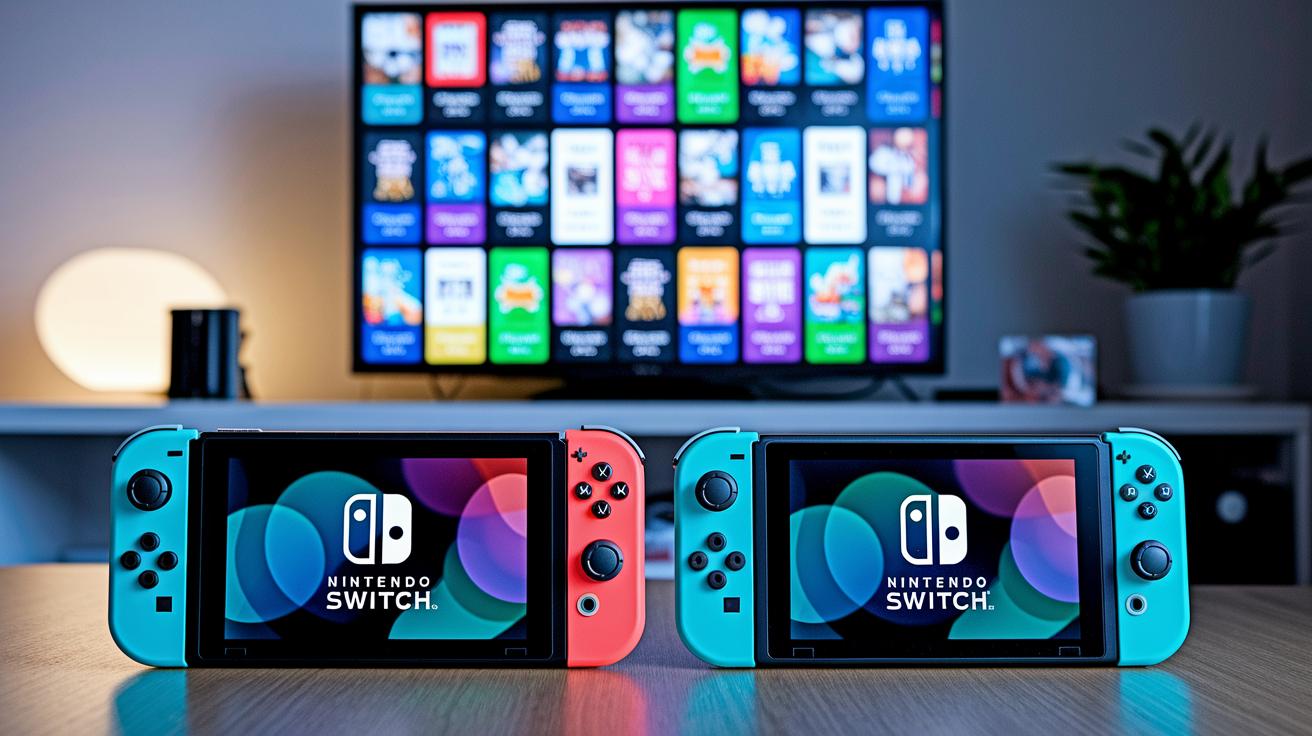
Back on March 3, 2017, the original Nintendo Switch rocked the gaming world with its clever mix of docked and handheld play. Its detachable Joy-Con controllers let you jump from home console battles to portable sessions in just seconds. And with the built-in eShop, you could grab legendary titles like Breath of the Wild, Animal Crossing, or Mario Kart whenever the mood struck you. Ever fancied a quick Mario Kart race on the go? That’s exactly what made the Switch a game changer.
Then, on September 20, 2019, Nintendo introduced the Switch Lite, a smaller, more affordable option that’s perfect for on-the-go gaming. It comes with handy, built-in controls and a crisp 5.5-inch LCD screen. Sure, it doesn’t support docked mode, but it doubles down on the portable experience while saving you about a hundred bucks.
Looking to step up your game, Nintendo dropped the Switch OLED on October 8, 2021. This upgrade brings a vibrant 7-inch OLED screen, richer sound from improved speakers, an adjustable kickstand, and even a new dock with a LAN port for smoother online fun. These tweaks make every game session feel more immersive, like diving into your favorite world even deeper.
And now, meet the Switch 2, the latest powerhouse released on June 5, 2025. It sports a 7.9-inch HDR display that makes game visuals pop and magnetic Joy-Cons that even support mouse controls, plus a cool new C-button for GameChat. With 256GB of storage and MicroSD Express compatibility, all for around $450, this console combines style, muscle, and community vibes, capturing the true spirit of Nintendo once again.
Comparing Classic vs Modern Nintendo Gaming Systems
Nintendo has always nailed the mix of old-school charm and fresh, modern twists. Back in the day, consoles meant physically swapping cartridges and enjoying a straightforward game session. Today, you get the ease of digital downloads and interactive gameplay that makes every session feel like a new adventure.
Even though modern controllers pack a ton of features, the classic feel of a simple D-Pad and one-button action still sparks memories. It’s like watching your favorite game character level up with cool new skills while keeping that original heart-pounding vibe. Ever felt the thrill of landing that perfect combo with a basic setup? Now it’s all about smooth, responsive moves that make every play even more epic.
Retro game libraries now sit side-by-side with today’s digital catalogs. Nintendo shows off its knack for blending timeless appeal with smart, modern updates that let you enjoy the best of both worlds.
Purchasing Guide for Nintendo Gaming Systems
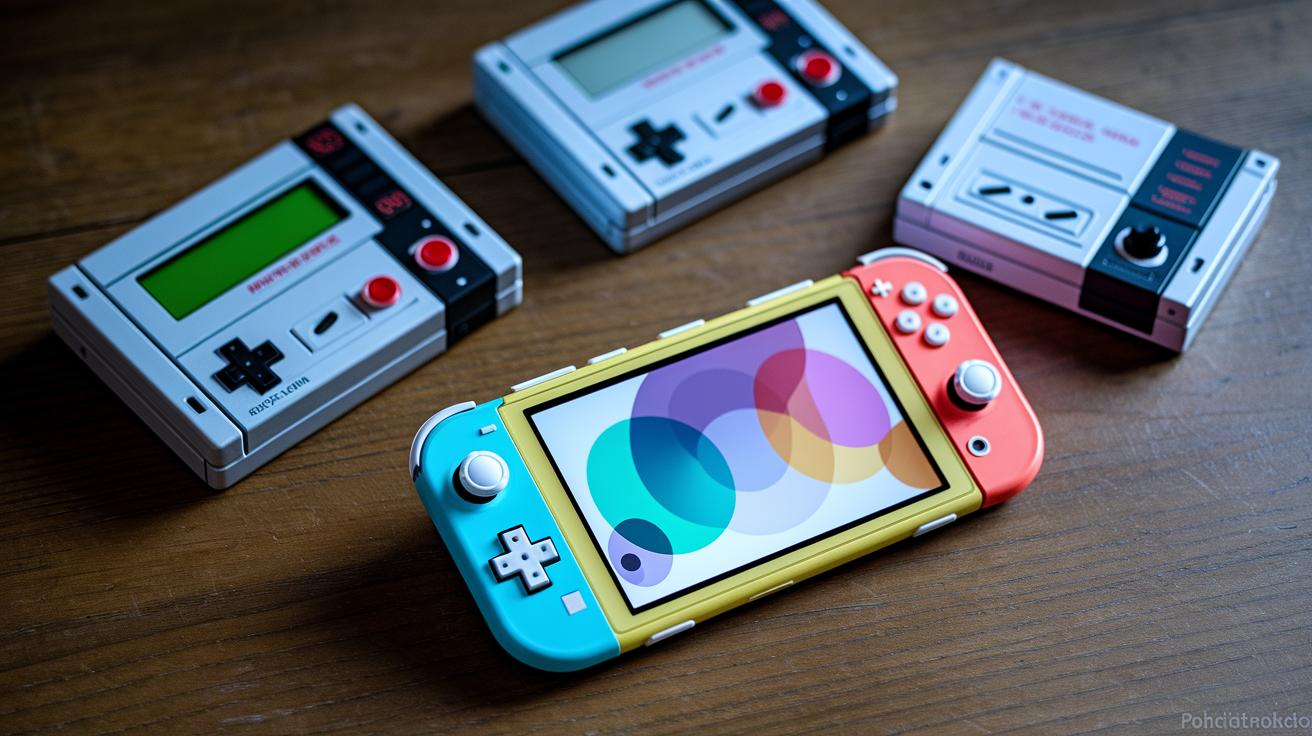
When you're in the market for a new Nintendo system, it's a smart move to compare prices and features to find the best deal. For example, the Switch Lite comes in at $199, which is a neat budget option compared to the standard Switch at $299. Retro fans can grab a taste of classic gaming with the NES Classic Edition at about $60 or the SNES Classic Edition for $80.
Don't forget to check out Nintendo's refurbished gear. These systems come with a warranty, so they're a reliable pick if you're looking for a bargain. And hey, digital storefronts like the eShop often run sales events and offer discounts on Virtual Console titles, perfect for scoring some sweet deals.
Collector editions and limited-run models also add an extra layer of fun. Imagine owning a Pikachu-themed console or a model in a cool, unique color! Preowned systems like those from the Game Boy or DS series are usually priced based on their condition, which means you might land a wallet-friendly classic experience. Always keep an eye out for special promotions and bundle deals that mix affordability with top-notch gaming.
Final Words
In the action, here's a quick timeline of Nintendo's milestones:
- Color TV-Game – Jun 1, 1977
- Game & Watch – Apr 28, 1980
- NES – Oct 18, 1985
- Game Boy – Jul 31, 1989
- SNES – Aug 23, 1991
- Virtual Boy – Aug 14, 1995
- Nintendo 64 – Sep 29, 1996
- GameCube – Nov 18, 2001
- Wii – Nov 19, 2006
- Wii U – Nov 18, 2012
- Switch – Mar 3, 2017
- Switch OLED – Oct 8, 2021
We revisited how each release pushed the boundaries of nintendo gaming systems, blending iconic designs with fresh gameplay twists. Take this recap as a reminder of how far gaming has evolved, and get ready for your next high score boost!
FAQ
What are the different Nintendo gaming systems?
The different Nintendo gaming systems cover classic home consoles like the NES, SNES, and Nintendo 64, handheld favorites like Game Boy and DS, plus hybrid devices such as the Nintendo Switch.
What is the best Nintendo game system?
The best Nintendo game system is often seen as the Nintendo Switch because its hybrid design and diverse game library offer both portable fun and home gaming thrills.
Why buy a Nintendo Switch instead of PS5?
The Nintendo Switch stands out with its hybrid design, family-friendly games, and portability, offering a fun, flexible gaming experience compared to the PS5’s focus on high-end graphics and immersive single-player titles.
What are the big 3 gaming consoles?
The big three gaming consoles usually include Nintendo, Sony, and Microsoft, each with unique play styles—Nintendo with innovative gameplay, Sony with immersive narratives, and Microsoft with robust online features.
What is Nintendo Switch 2 and what does it offer?
The Nintendo Switch 2 features a 7.9-inch HDR display, magnetic Joy-Cons, extra storage, and a new C-button for GameChat, upgrading the hybrid console experience for gamers looking for modern innovations.