

Ever wonder how esports tournaments went from small contests to huge, packed arenas? Back in the day, a game like Spacewar with a magazine prize could spark big excitement, kind of like finding a rare in-game item. Today, tournaments are wild events full of energy, where fans bring the heat, cheering every clutch play.
These early competitions sparked a passion in gamers that still burns bright. Modern events feel like that rush you get when you finally nail a perfect combo. They’ve changed the way we play, making competitive gaming more fun and exciting than ever. And as these tournaments grow, they keep powering up the gaming community around the globe.
Understanding the Evolution of Tournament Culture in Esports
Back in 1972, the very first Spacewar tournament kicked off with a magazine subscription prize. It was a humble start that got passionate gamers hyped, almost like the thrill of stumbling on a rare in-game item when you least expect it.
By 1990, things had scaled up with the Nintendo World Championships. The competition moved from local gaming spots to a national tour, eventually landing at Universal Studios Hollywood. Imagine the rush of a live roller coaster ride as teams duked it out right in front of live crowds.
The 2010s brought explosive growth, with communities around League of Legends, Dota 2, and CS:GO taking center stage. In 2011, The International (Dota 2) burst onto the scene with a whopping $1.6 million prize pool, cranking up the intensity. That same year, the League of Legends World Championship rolled out a $100,000 prize pool, marking a whole new era for esports.
Then in 2023, the Olympic Esports Series arrived, giving esports an official nod from the International Olympic Committee. This was a major milestone that cemented esports' spot in the big league. For more on how it all began, check out esports history.
Tracing Digital Championship History: From Local Cafes to Global Arenas

Back in the late '90s and early 2000s, local gaming cafés and community halls were alive with small competitions. Friends would gather around arcade machines, and every sound of joystick clicks felt like a beat in a live game. Prizes back then weren’t huge, they were simple rewards like vouchers or a cool new gaming mouse. Imagine winning that mouse after a tough match, just like grabbing a secret power-up in your favorite platformer.
Then, good internet connections started to change the game. Gamers could now challenge each other from different corners of the world. Online qualifiers popped up, and teams from all over began to meet for friendly rivalries that felt just as intense as any local face-off.
Big names like ESL and MLG soon stepped in to shake things up. They hosted online qualifiers and set up LAN finals that connected players who once only dreamed of traveling far. Their fresh ideas transformed local tournaments into events with big stakes and even bigger headlines.
In no time, major championships like the World Cyber Games and Intel Extreme Masters joined the party. These events brought six-figure prize pools into the mix and really proved that competitive gaming was a serious sport. Picture this: winning wasn’t just about bragging rights, it was like snagging a cash prize that could fund a high-end gaming rig. This evolution took gaming from casual neighborhood matches to a well-organized, thrilling world of digital championships.
Format Experimentation in Modern Gaming Event Transformation
Esports used to be simple and unforgiving. One loss meant you were out. Now, tournaments are layered with extra rounds. Early matchups were all about one-shot knockouts. But today, formats like double elimination and Swiss group stages give teams a second shot. Ever wonder how getting another chance can flip the game on its head?
Then they brought in best-of series like Bo3 and Bo5. That means teams play up to three or five rounds, so one off day doesn’t sink the whole match. It’s like replaying your favorite level where each round cranks up the excitement a bit more. These changes make the contest fairer and way more fun to watch.
Now, let’s talk brackets. Big tournaments, such as The International, use both upper and lower brackets to keep the competition alive. Many events mix online rounds with live LAN finals, letting more teams from all over compete together. Imagine a team climbing up from the lower bracket in a best-of-five series; it’s pure, electrifying competition that has everyone on the edge of their seat. These smart tweaks have totally reshaped how we play and watch esports.
Prize Pool Escalation Trends and Award Scheme Developments in Esports
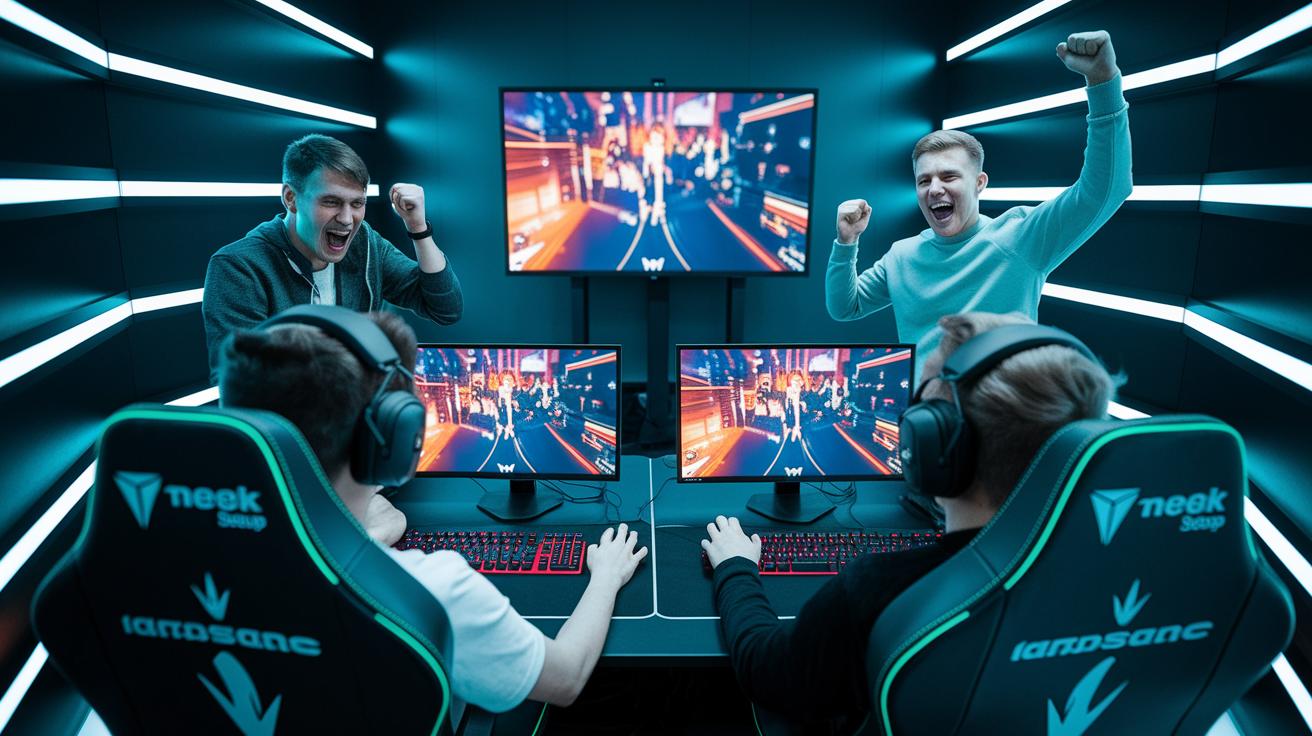
Back in the day, awards were simple, a magazine prize in 1972 or some cool gaming gear and cash in the 90s. These early wins set the stage for what we see today. Then came big moments like the 2011 International with a $1.6 million prize pool, and the League of Legends World Championship kicking off with $100,000.
Now, tournaments are on a whole new level, with games like Dota 2 offering prize pools up to $40 million. Money comes in from sponsors, merch, tickets, and broadcasting deals. Basically, every event not only rewards winners but also helps grow the game and its community. Ever watched a streamer get hyped with a sponsor shout-out during a clutch win? That kind of energy fuels the whole scene.
All of these milestones mix together to show how far esports has come, from humble beginnings to today’s booming financial ecosystem.
Media Coverage and Streaming’s Contest Impact on Competitive Circuits
Streaming sites like Twitch, YouTube Gaming, and Discord have totally changed how we watch competitions. Live chats and fan interactions add a huge buzz to every match. It's like having your crew hyping you up during a tense arcade battle.
Asia now leads the esports crowd, with 57% of fans tuned in, especially in China and South Korea. Imagine a room where every ding on your phone feels like a high-five from your team. That kind of energy makes every play even more epic.
Broadcasts have leveled up big time. Early web shows on a shoestring budget are now polished TV productions rivaling even mainstream sports. With tech like AR/VR (extra graphics added in real time) and 5G, you get cool features like choosing your own camera angle during the clutch moment, just like finding a secret path in your favorite shooter.
New ways to make money are fueling these advances too. This mix of stellar visuals and live data turns every match into an event you can almost feel in your front-row seat. It’s all about that rush of being right there in the moment, unforgettable every time.
Community Engagement Transformation and Social Dynamics in Digital Sports
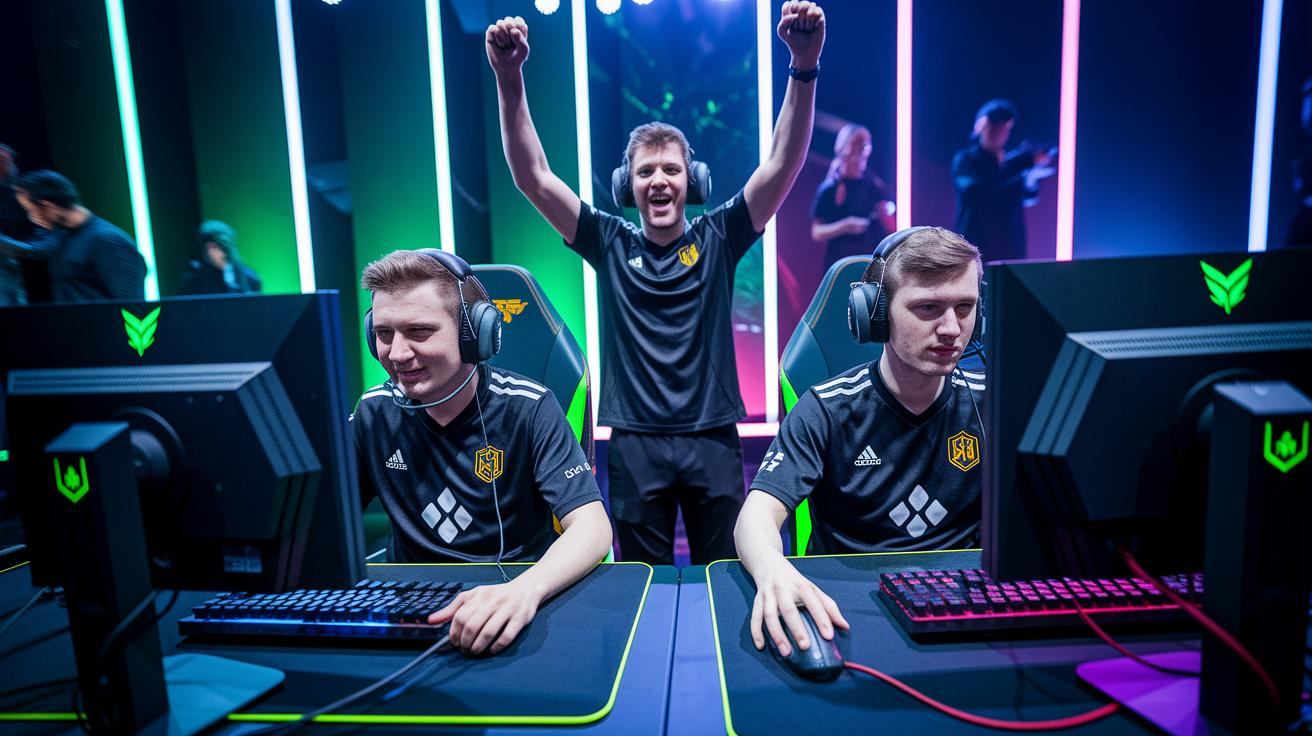
Discord servers and subreddit communities have totally changed what it means to be in a gaming team. Now, you jump into real-time polls and lively chat overlays that make every match feel like you're gaming with a buddy right beside you. Imagine logging in and catching a unique, viewer-driven camera angle during a clutch moment – it's like your squad is there, sharing every epic play.
Local tournaments and amateur leagues boost the grassroots scene big time. They give everyday gamers a chance to shine and turn a normal game into a memorable show. Plus, fan-made content like cool highlight clips and funny memes has taken esports storytelling to a whole new level, making every highlight as unforgettable as that killer in-game move.
Interactive fan experiences are the heartbeat of digital sports. Casual viewers quickly morph into active players, creating a buzzing community full of excitement and shared passion. This energy brings everyone together, building a vibrant culture that evolves with every game.
Regulatory Developments and Organizational Shifts in Esports Tournament Reforms
Legal rules are leveling up esports competitions these days. They’re clearing up player contracts, IP rights, and gambling rules (think of every rule like a straightforward game tutorial). No more hidden surprises when you step into the match.
Leagues are getting a serious makeover to stay in the game. With only the major tournaments making bank, organizers are rolling out standard rulebooks along with age and health checks to keep players safe. It’s like installing a patch that fixes bugs and makes everything run smoother.
Infrastructure is stepping up too, as blockchain technology enters the arena. This cool tech ensures that prize money is split transparently and helps cut down on cheating with secure, built-in anti-cheat measures.
- New rules in contests are making it fairer and keeping everyone honest.
- Clear policies and steady rules help keep competitive play on track.
- Fresh policy tweaks are giving leagues a new, balanced game plan.
- Revamped league structures and tech upgrades set the stage for lasting competitions.
These changes hint at an esports future that operates with the precision of a finely tuned game engine. By blending solid legal groundwork with modern tech upgrades, competitive gaming is ready to thrive in exciting new ways.
Future Outlook: Innovations in Tournament Culture and Emerging Trends in Esports
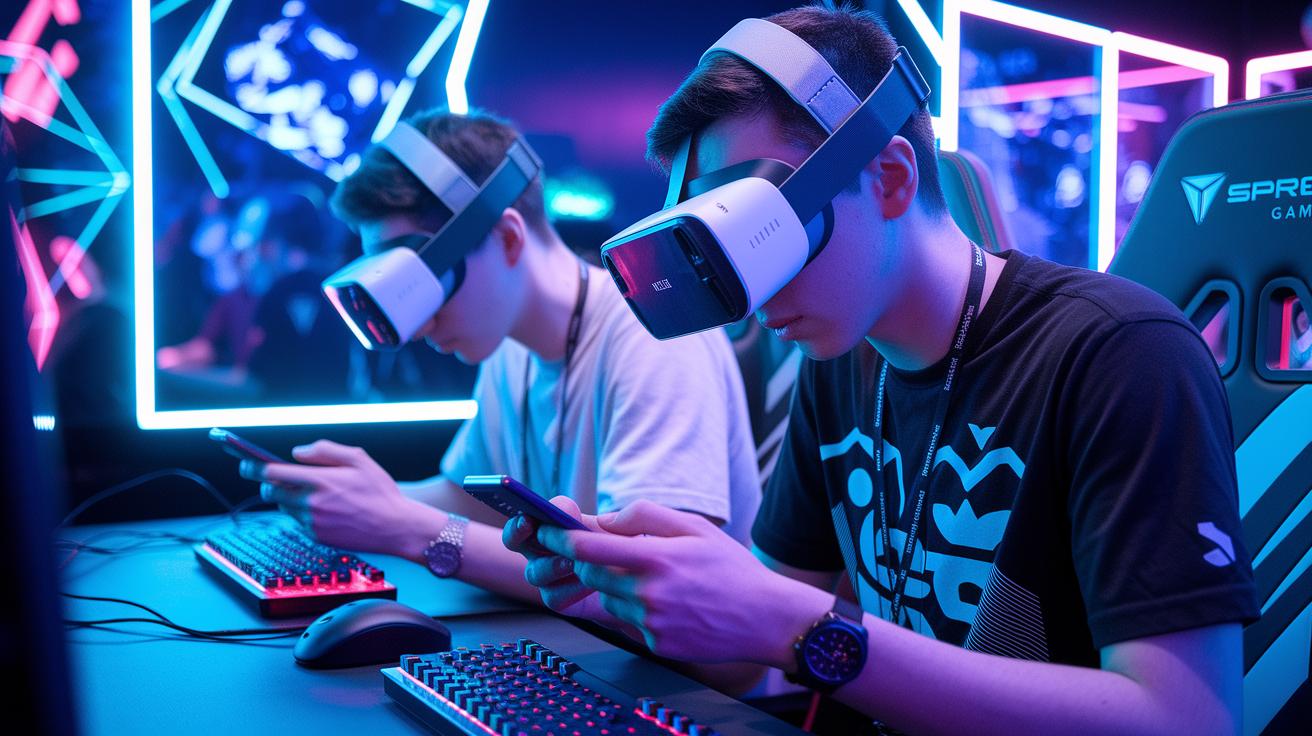
Tech is giving competitive gaming a whole new level-up. With 5G mobile tournaments, gamers from every corner can join the fun. Imagine playing a tournament on your phone and feeling like you're right in the middle of the action, no matter where you are.
AR and VR viewing modes let you pick your favorite angles, while AI-powered match stats (basically smart data that shows you the play-by-play) help teams polish up their tactics. It’s like getting a behind-the-scenes pass every time. Local micro-leagues and mixed pro/am circuits are opening up cool new stages for fresh talent, building tight-knit community vibes. And with moves like carbon-neutral events and remote play setups, the future of esports is both thrilling and planet-friendly.
Final Words
In the action, this article showcased how tournaments grew from early contests to immersive global events. We traced roots from simple local battles to high-stakes competitions where every move counts. Along the way, prize pools, streaming innovations, and fan engagement have reshaped our view of competitive play.
It’s a wild ride through gaming evolution, and the evolution of tournament culture in esports keeps pushing us toward bold, exciting new frontiers. Isn’t it thrilling when the game keeps evolving?
FAQ
What is the history of esports and its timeline?
The history of esports spans back to 1972’s Spacewar contest, through events like the Nintendo World Championships, and evolved into global tournaments that shaped today’s competitive gaming scene.
Who won the first esports tournament?
The first recorded tournament, Spacewar in 1972, set the stage for competitive gaming, though detailed records about the winner are scarce, highlighting early days of esports enthusiasm.
How has esports evolved over the years?
Esports has grown from local contests to global events with huge prize pools, advanced formats, and live streaming, transforming how gamers connect, compete, and celebrate victories.
What is the cultural impact of esports?
Esports has changed cultural views by blending digital competition with community passion, influencing entertainment, merchandise, and even how mainstream sports engage younger audiences.
How are esports influencing traditional sports?
Esports is shaking up traditional sports by introducing innovative formats and interactive fan experiences, drawing in a young crowd and merging digital play with mainstream athletic excitement.
When did esports become a mainstream phenomenon?
Esports hit the mainstream during the 2010s when events like the League of Legends Worlds drew global attention, setting the stage for today’s multi-million-dollar competitions.