

Ever notice how gamer chat can sometimes feel more like a battlefield than friendly banter?
Back in the day, crowded arcades were full of fuel for quick insults and fierce rivalries.
Then came home networks with online chats where no one was really keeping an eye on things, and it got even rougher.
Today, those unsupervised moments point straight to the toxic vibes we see in gaming now.
It all started with those early sparks of hostility that stuck around and evolved into the habits we know too well.
Ever wonder if those old-school moments still influence how we chat and play?
Let's break it down together.
Early Roots of Toxic Gamer Culture in Arcades and Home Networks

Back in the day, arcades were like wild battlegrounds where gamers battled over high scores. Trash-talk and heated rivalries were part of the vibe, and sometimes the energy spilled over into real hostility. Even studies from the 1970s and 1980s show that these rough exchanges helped lay the groundwork for some darker gaming behavior later on.
Then came home networks, which only cranked up the intensity. As consoles became a huge hit, players began connecting over basic chat systems through modems. With no real safety checks in place, those early online chats quickly turned aggressive. Researchers believe these early digital skirmishes paved the way for the toxic behavior we see in gaming today.
- Lack of moderators in public arcades
- Extreme pressure over high scores
- Basic home-console chats via modems
- Early community norms shaped by gender roles
- Primitive network setups without proper rules
By 2014, toxic behavior in games was making headlines. The shift from open arcade challenges to unruly home networks set the stage for a gaming culture that now includes over 3.2 billion players. Those early, unsupervised setups created an environment where hostility could thrive, a legacy that still echoes in how gamers interact today.
Anonymity’s Role in Toxic Gamer Culture Emergence
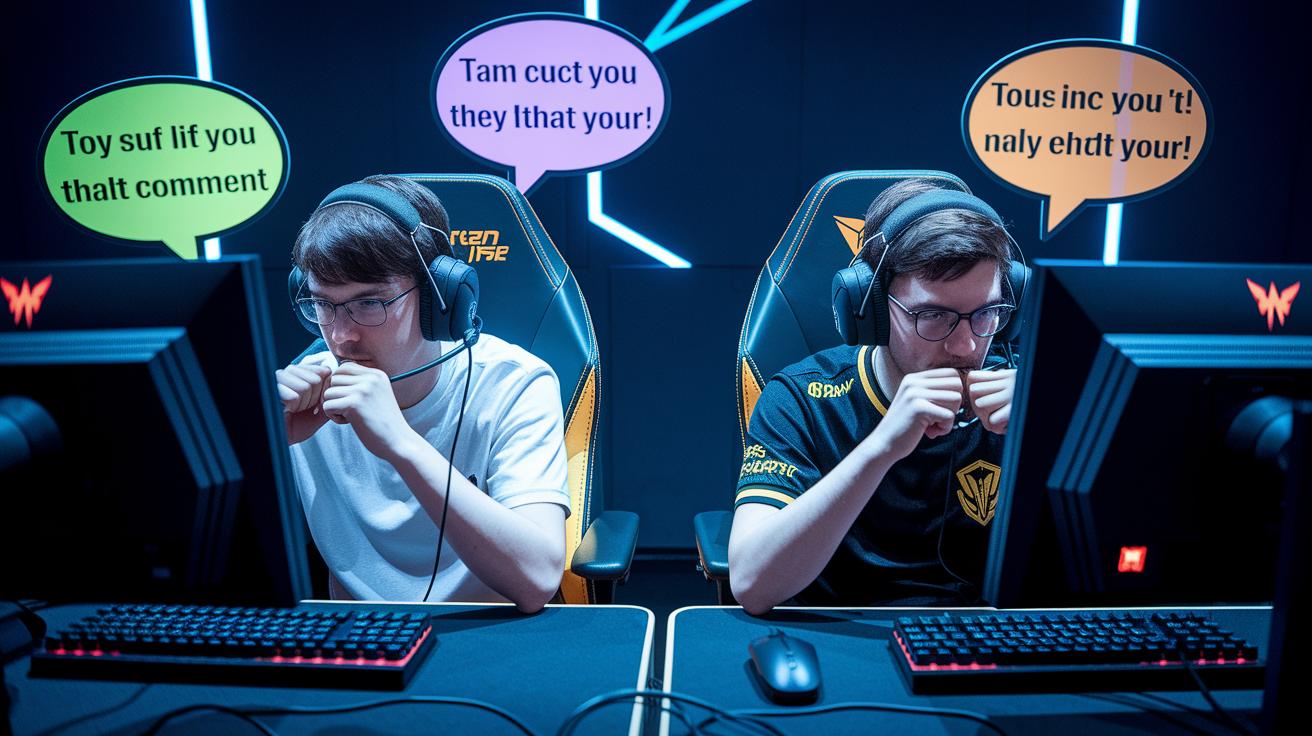
In the early days of online gaming, hiding behind a fake name let players toss out insults and even make threats without worrying about real-life fallout. Gamers could drop a harsh comment during an intense match, and it would quickly disappear into a sea of usernames. This freedom to be anonymous often turned what might have been playful banter into full-on personal attacks.
About 68% of gamers say they’ve experienced serious harassment like stalking and direct threats. That’s a huge red flag. It shows that when you’re behind a mask, the abuse isn’t just harmless trash talk, it can really mess with someone’s mind.
Adding to the problem, different platforms have different rules. This patchwork of policies means that some bad actors slip through the cracks and continue their toxic behavior. The result is a mix of safe and unsafe spaces, making it hard for everyone to enjoy the game.
Technological Catalysts of Toxic Gamer Culture: Chatrooms and Forums
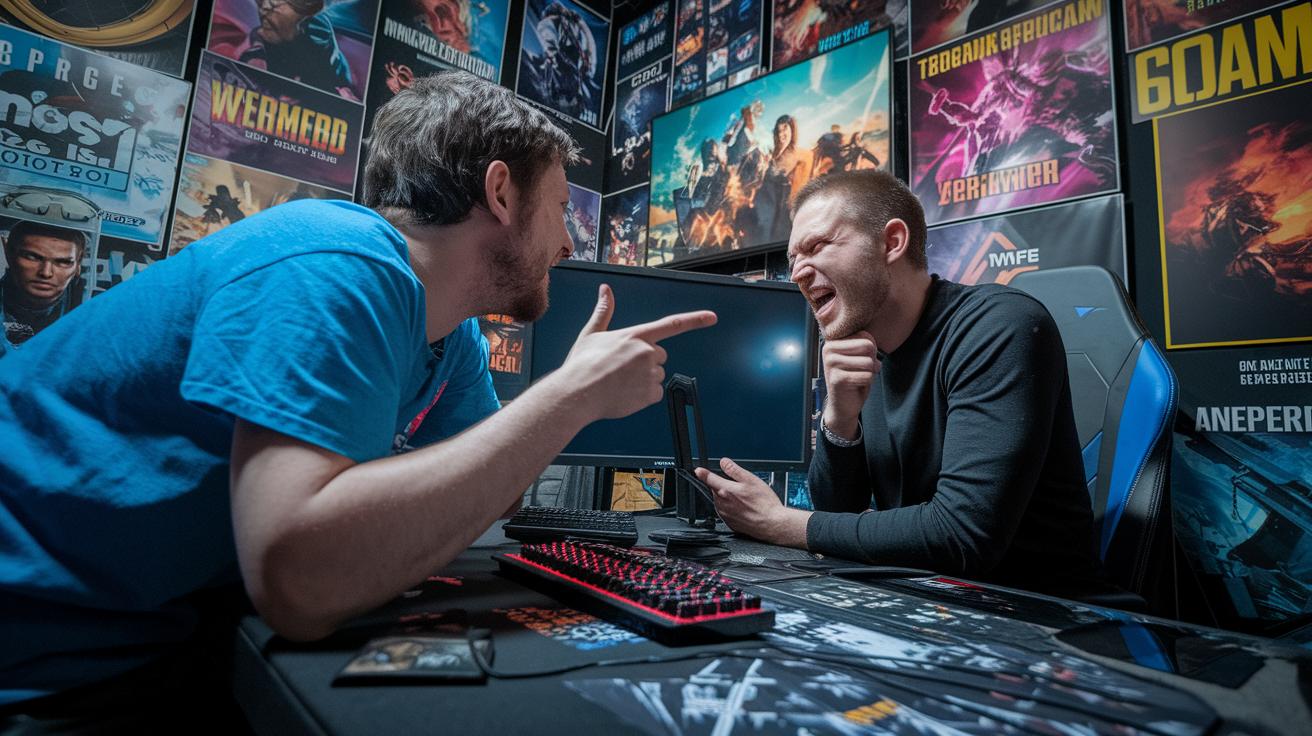
Back in the early days, chatrooms and forums were the main hangouts for gamers. The tools, like IRC channels and in-game chats, were clunky and basic, without proper safety nets. This meant anyone could say really nasty stuff without anyone stopping it. Imagine being in a heated match and the chat is so unprotected, it's like playing a game with no rules at all. Without strict controls, trash talk quickly turned into real verbal abuse.
Data shows this trend clearly. Toxicity reports jumped from 64% to 72% since 2021, mostly because of weak chat filters and spotty moderation. Different platforms having their own rules made it even tougher to keep chats friendly. Old-school forums and outdated systems gave free rein to fights that quickly escalated into abuse. The surge in player numbers mixed with old tech made it easy for toxic behavior to spread.
In the end, these early chat tools turned what could have been fun exchanges into a hotbed of abuse.
Psychological and Sociocultural Roots of Toxic Gamer Culture
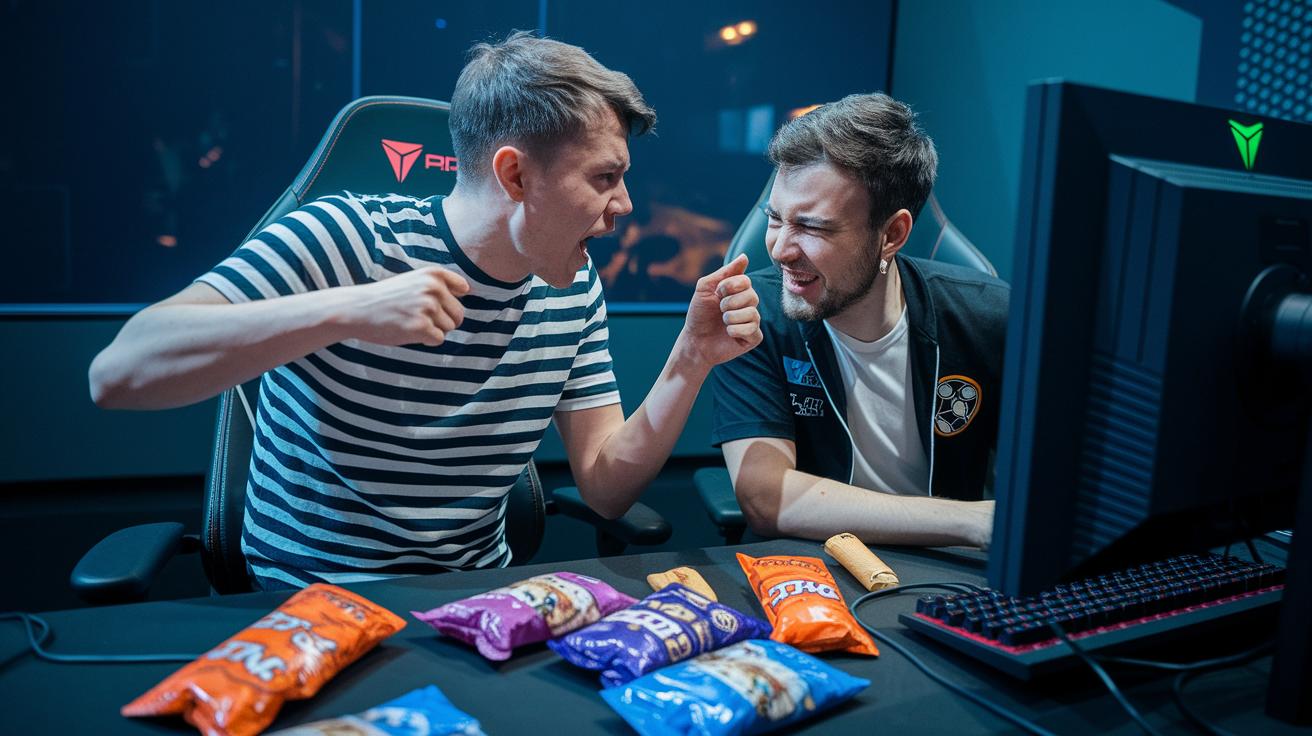
Psychological Triggers for Aggressive Exchanges
When you’re in a high-stakes match, emotions can run wild. The pressure can make you blurt out things without thinking. You know, sometimes players just scream, "That move cost us the win!" without realizing how their words impact everyone. Being behind a username makes it easier because you don’t see the person on the other side. This loss of personal identity often leads to more heated and hurtful exchanges.
Sociocultural Roots of Hostile Interactions
Back in the day, rough banter was just part of gaming. Old school groups even saw aggressive talk as normal behavior. Research from the 1970s and 1980s tells us that strict gender roles and peer pressure pushed players into using mean language. One early online tournament even pressured gamers to use hurtful words. Today’s studies show that these old habits still make toxic behavior seem acceptable in competitive gaming.
Key Events Shaping Toxic Gamer Culture Evolution
Back in 2014, GamerGate really flipped the script for many players. Things got heated with gender-based harassment that pulled toxic behavior into the limelight. Fights over fairness and representation quickly turned into personal attacks, making folks question how they behaved online. Imagine chatting about game rules and then suddenly getting sucked into a full-on battle, crazy, right? A cool fact: before streaming took off, GamerGate reshaped online aggression in unexpected ways.
Then, platforms like Twitch picked up that raw energy and broadcast it to millions. Live streams turned intense moments into must-see events, where even a single sharp comment could go viral in a blink. Every streamed game meant toxic behavior became more visible and reached a bigger crowd. It felt like the digital world turned into a stage for both epic plays and fiery debates, forever changing how the community interacted.
| Event | Year | Impact |
|---|---|---|
| GamerGate Controversy | 2014 | Surge in targeted harassment |
| Rise of Twitch Streaming | 2015–2016 | Global visibility of toxic exchanges |
| GameTree AI Matchmaking | 2020 | Projected toxicity drop from 72% to 16% |
Current Trends and Solutions Addressing Toxic Gamer Culture
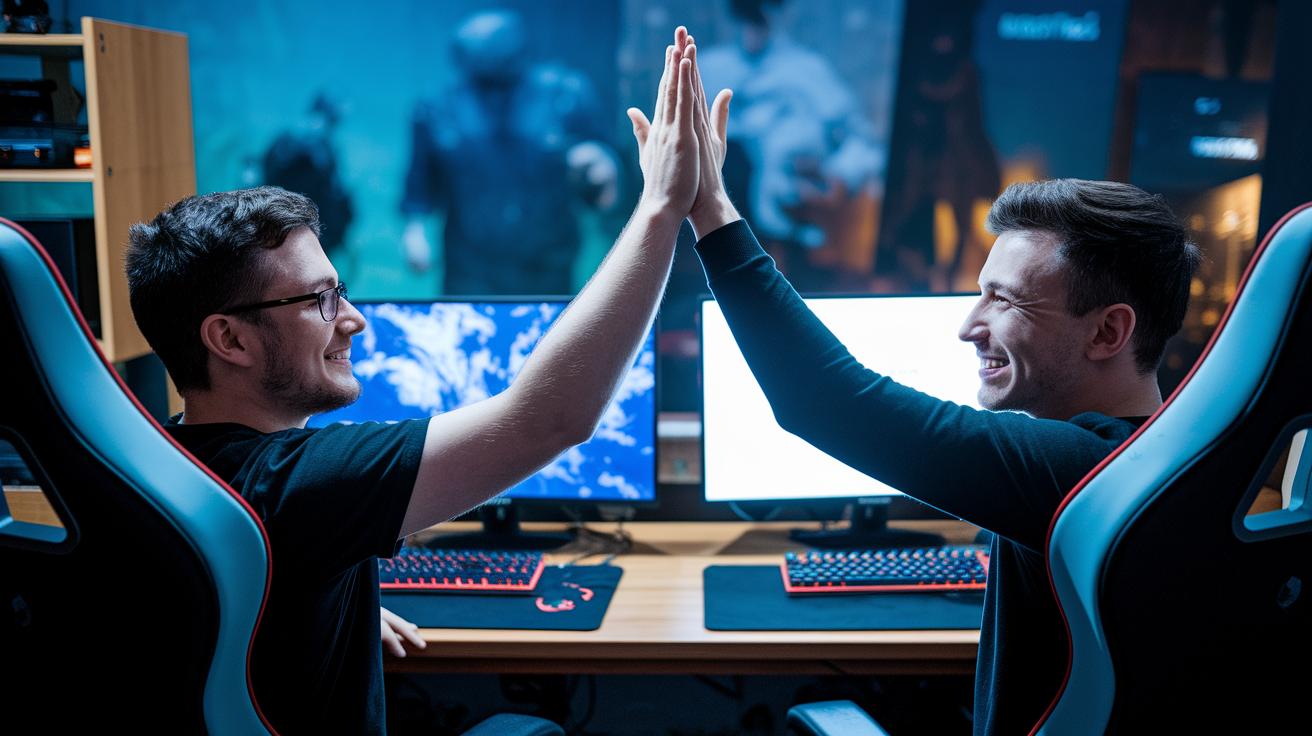
Gaming is getting friendlier these days. More players and developers are dropping the harsh smack talk and focusing on team play and positive vibes. It's like finding your crew after years of playing solo, where everyone looks out for one another.
Developers now lean on smart matchmaking and chat filters to cut down on bad behavior. These tools use AI (a computer program that learns from data) to spot and stop nasty comments before they spread. Imagine jumping into a match and being paired with players who share your playstyle and respect each other. It’s a bit like how social media suggests friends, but here it builds a stronger team spirit.
All these improvements are changing the way gaming feels. With tech keeping hostility in check, matches are smoother and more focused on fun and strategy. It feels like a win when you can spend your game time enjoying cool tactics and good company rather than fighting off toxicity.
Final Words
In the action, this post broke down toxic gamer culture from its early days in arcades and home networks to modern shifts with AI and refined moderation. It explored how anonymous chatrooms and aggressive play first sparked harsh exchanges, shaping the origins of toxic gamer culture we see today.
This deep look sheds light on key moments like GamerGate and streaming’s impact. Positive changes in game design and community management prove that progress is possible, pushing us toward a friendlier gaming arena.
FAQ
Origins of toxic gamer culture Wikipedia
The origins of toxic gamer culture on Wikipedia explore how early online harassment and aggressive behavior took root in gaming, tracing back from arcade days to modern online contests.
Origins of toxic gamer culture PDF
The origins of toxic gamer culture in PDF resources break down research and historical documents that examine the early instances of trash talk and aggressive interactions in gaming environments.
Origins of toxic gamer culture timeline
The origins of toxic gamer culture timeline outlines key milestones, starting from arcade competitions through early home networks, marking the rise of unmoderated, hostile interactions in gaming.
Toxicity in gaming statistics
The toxicity in gaming statistics reveal high numbers of reported harassment and abuse, highlighting how anonymity and weak moderation systems have fueled the spread of aggressive behavior among players.
Effects of toxicity in gaming
The effects of toxicity in gaming include negative community vibes, heightened tension during matches, and in some cases, a drain on team morale, all of which can spoil the overall gaming experience.
A look at gaming culture and gaming related problems: From a gamer’s perspective
A look at gaming culture and its problems from a gamer’s perspective shows that persistent negativity and harsh language can impact teamwork, dampen enjoyment, and drive players away from games.
How to deal with toxicity in video games
The ways to deal with toxicity in video games involve using mute and report features, applying chat filters, and sometimes stepping away from heated matches, which all help keep the gaming environment more positive.
Don’t you know that you’re toxic: normalization of toxicity in online gaming
The idea that “don’t you know that you’re toxic” points to the normalization of toxic behavior, where aggressive language becomes routine, often making it harder for players to recognize or change their actions.
What is a toxic gamer?
A toxic gamer is defined as someone who repeatedly uses hostile or abusive language during gameplay, often emerging from frustration or a win-at-all-costs mindset that hurt team dynamics.
When did the gamer subculture start?
The gamer subculture started in the 1970s and 1980s, growing from basic arcade competitions into a fully-fledged community that now spans diverse platforms and genres.
What ethnicity are most gamers?
The question about what ethnicity most gamers are highlights that gaming is a global pastime, drawing participants from varied regions, with large communities in both Western and Asian countries.
Why does gaming have a bad reputation?
The reasons why gaming has a bad reputation include the high visibility of toxic behavior, major controversies, and inconsistent moderation, all of which contribute to negative public perceptions.