
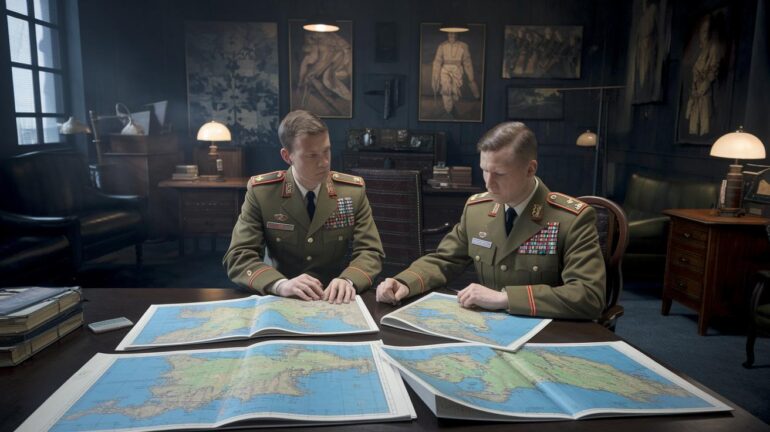
Ever thought a burst of speed could flip the whole battle? Blitzkrieg shook up World War II by combining tanks, soldiers, and air strikes (that means bombing runs from planes) into one super-fast attack.
This new plan turned old, slow moves into a lightning-quick team push that left enemies totally stunned, all thanks to fast radio calls linking everyone together.
Today, we dive into how quick moves and smart teamwork changed military playbooks and led to one of history’s most epic wins.
Understanding the Blitzkrieg Strategy in WWII
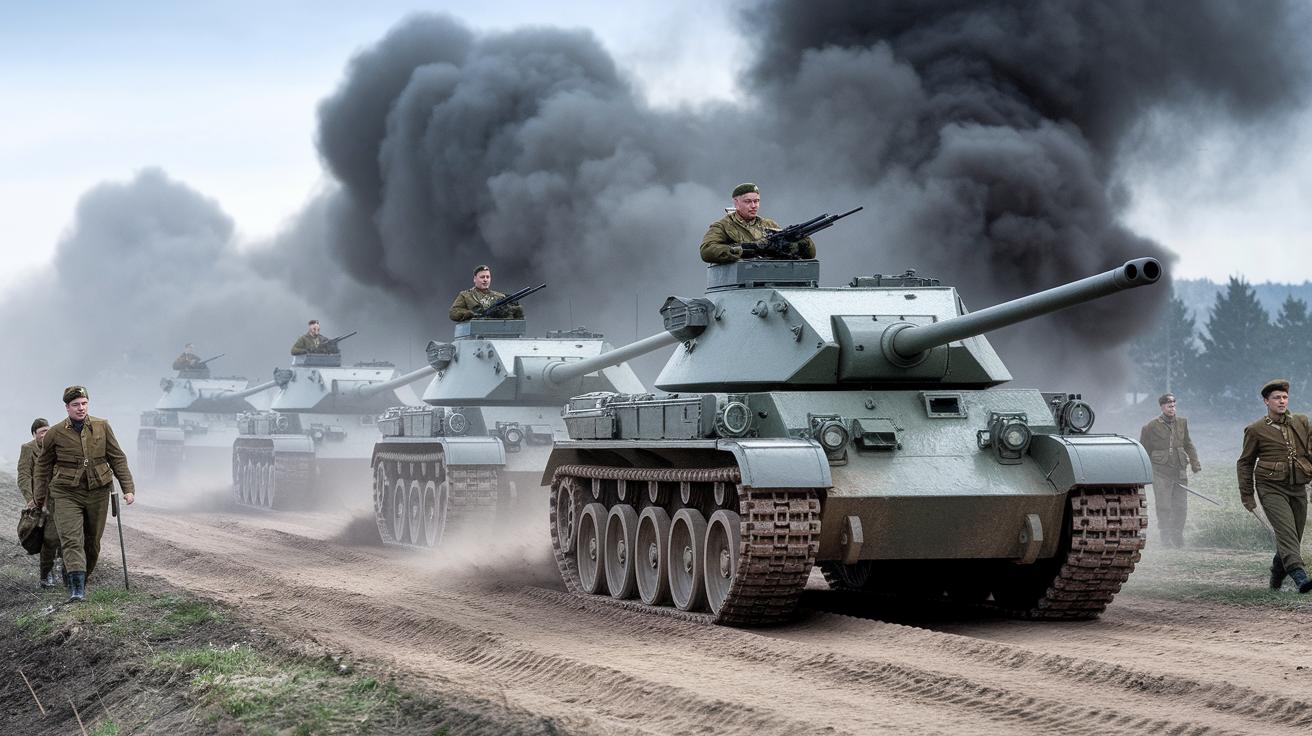
Blitzkrieg was a game-changing tactic in WWII that used speed and teamwork to outsmart opponents. It mixed fast tanks, foot soldiers, and air strikes to hit enemies hard and fast. Germany first rolled out this quick approach during the 1939 invasion of Poland, shifting from slow, heavy trench battles to rapid, mobile moves. Radios were a big deal, letting troops share live updates so they moved as one. Picture it like this: tanks roaring ahead, infantry right on their tails, all guided by fast radio calls.
This method was all about catching the enemy off guard and nailing the timing. German forces quickly found weak spots and smashed through defenses before their foes could recover. This mix of speed and teamwork set blitzkrieg apart from older battle plans, bypassing even the toughest fortifications. Its impact rippled through later military ideas, showing how a fast, coordinated hit can flip the script in a fight.
Origins and Evolution of Blitzkrieg Strategy

Blitzkrieg started as a response to the brutal lessons of World War I. Germany suffered through deadly trench battles that took nearly two million lives. In that messy and painful time, military leaders looked for a faster way to fight. They switched gears to use quick, moving forces instead of lumbering battles that dragged on forever. One memorable line sums it up: "Armored units lunged forward with relentless speed, reshaping the battlefield with every move." It shows how tactics shifted to a more dynamic, fast-paced approach.
The name blitzkrieg was born out of both need and influence. Nazi propaganda loved the term because it made the German forces seem unstoppable and fierce. That catchy name stuck, and soon everyone pictured a rapid, all-out assault. After the war, historians debated whether blitzkrieg was a complete revolution in tactics or just an upgrade of older methods. By mixing modern radio communication with mobile tanks and artillery, the Germans revamped how battles were fought. This clever blend of new ideas and on-the-go strategies left old, slow warfare behind, marking a major turning point in military tactics during World War II. Epic, right?
Key Components of Blitzkrieg Tactics
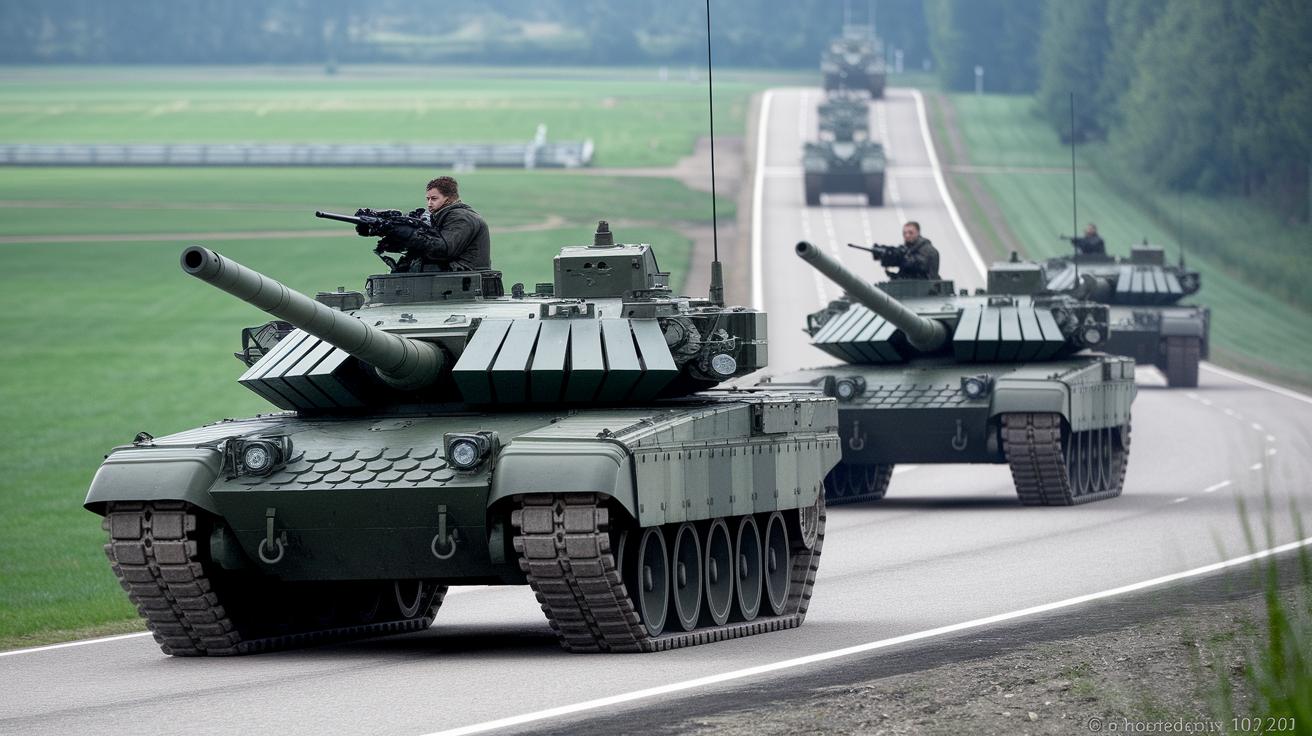
Blitzkrieg was all about fast, focused moves that left enemies totally stunned. The idea was to use speedy, mobile forces to sneak past heavy defenses and hit the enemy hard right where it hurt. German troops zoomed in with tanks leading the way, while infantry quickly followed to lock down every new foothold. It was a mix of strong firepower and quick action that skipped drawn-out battles and broke enemy lines before they could even get ready.
Radio networks were a huge part of the plan. Sharing live updates about enemy spots meant commanders could rearrange forces fast to cover any gaps. It was like turning war into a series of on-the-fly, well-coordinated strikes.
- Fast tanks leading the charge
- Motorized and parachute infantry rushing in
- Close air support delivering precise strikes
- Real-time radio chatter keeping everything in sync
Each bit of this setup worked together perfectly. Tanks smashed through the enemy’s front, while quick infantry moved in to secure the breach and keep the pressure on. Air support provided that perfect burst of firepower to scatter the opposition, and constant radio updates ensured everyone was on the same page. Every move was planned to keep the momentum, overwhelm the enemy, and force a fast surrender. It was this sharp coordination that made blitzkrieg a real game-changer on the battlefield.
Notable Campaigns and Examples of Blitzkrieg Strategy

Blitzkrieg was like a lightning-fast attack that surprised everyone. In 1939, German forces moved so quickly in Poland that they toppled defenses in just a few weeks. It was almost like watching a well-timed combo in your favorite game.
Then in 1940, things escalated. Belgium, the Netherlands, and France fell fast after some smart, coordinated moves, in some cases, surrender happened in under six weeks. Pretty wild, right?
But it wasn’t just about battles on land. Between 1940 and 1941, the British Isles faced nonstop air raids. Bombs dropped over factories and neighborhoods, making life really tough during what became known as the Blitz.
Later, in 1941, Operation Barbarossa forced deep moves into Soviet territory, pushing back the Red Army for about four months, even as they fought hard.
| Year | Campaign | Outcome |
|---|---|---|
| 1939 | Invasion of Poland | Polish defenses fell in weeks |
| 1940 | Fall of France | France surrendered in under six weeks |
| 1940–41 | The Blitz | Heavy damage to British industry and morale |
| 1941 | Operation Barbarossa | Soviet forces pushed back for about four months |
Advantages and Limitations of Blitzkrieg Strategy
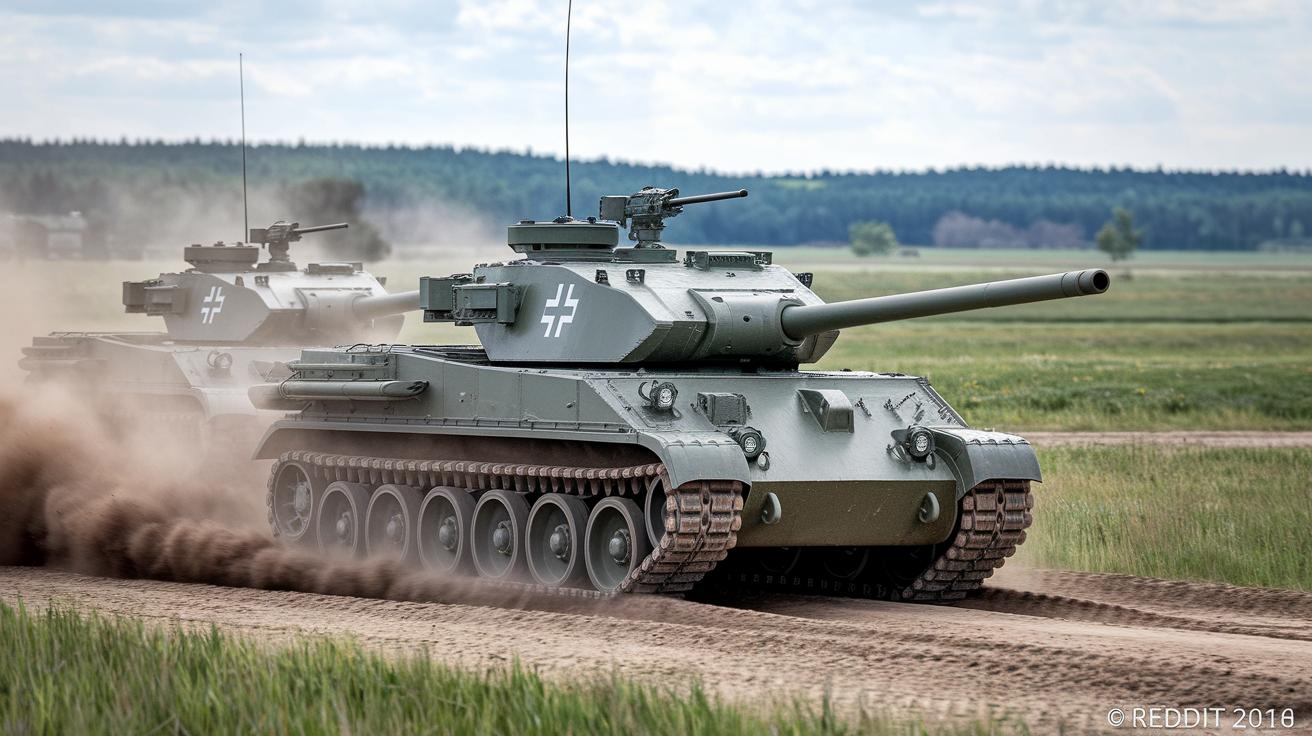
Blitzkrieg was like a super-fast power move that often led to quick wins. Its lightning pace meant that forces could hit hard before the enemy even had a chance to breathe. This rapid assault kept opponents off balance and wiped out their morale as they scrambled to counter each sudden strike.
- Crazy fast pace that left enemies shocked
- A strong surprise effect that broke down enemy defenses
- Concentrated force hitting weak spots for quick breakthroughs
But it wasn’t flawless. Over long distances, supply lines got stretched, and once the initial speed faded, weak spots started showing up, giving the enemy a chance to fight back. Plus, these rapid strikes sometimes led to heavy civilian losses and stirred up ethical debates. In response, Allied forces eventually strengthened their static defenses and developed counter-mobility tactics (ways to quickly reposition troops) to blunt the blitzkrieg’s early success.
When the momentum slowed, the very speed that made blitzkrieg so effective became its undoing. It worked best when every part – tanks, infantry, and air support – was perfectly in sync. Even a small hiccup in coordination could leave the forces open to a counterattack. This mix of brilliance and risk perfectly summed up the high-speed nature of the strategy.
Legacy and Modern Adaptations of Blitzkrieg Strategy
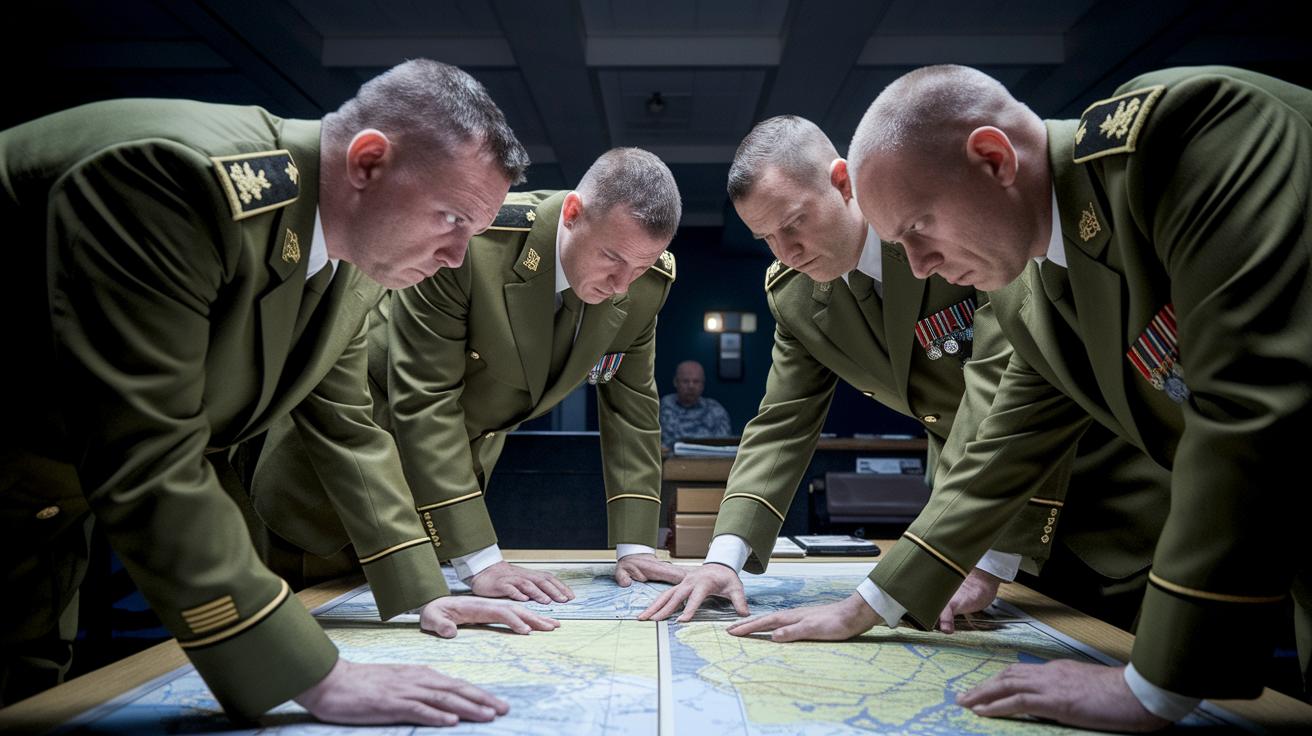
Blitzkrieg ideas are still in play today. Armies use fast moves, tight teamwork, and mixed forces to overwhelm opponents. In 2003, U.S. troops pulled off a "shock and awe" approach that felt a lot like a high-speed raid. Think of it as launching a rapid attack with air strikes, tanks, and soldiers all working together. Every moment mattered, just like nailing a perfect combo in your favorite game.
Today’s battlefields keep learning from that old school plan. Modern tactics focus on quickly combining different units and surprising the enemy, even when supply lines get stretched or politics get in the way. For example, during Russia’s 2022 invasion of Ukraine, the fast and heavy attacks reminded many of blitzkrieg. Those moves showed off aggressive power but also exposed weak spots in logistics and strategy. This mix of rapid strikes and risky overreaches means that blitzkrieg still influences how we think about bold, fast attacks.
Final Words
In the action, we unraveled how blitzkrieg strategy reshaped WWII with fast, sharp moves. We broke down the key components, major campaigns, and fascinating evolutions behind these rapid strikes. The blog post showed how a well-coordinated, rapid assault can turn the tide of any battle, while also weighing in on its limits. It’s all about striking that perfect balance between speed and smart tactics. Keep exploring and leveling up, remember, every good move brings you one step closer to gaming greatness.
FAQ
Frequently Asked Questions
What is the best definition of blitzkrieg?
The best definition of blitzkrieg is a fast, coordinated military tactic that uses rapid mechanized advances, combining tanks, infantry, and air support to quickly overwhelm enemy defenses.
When was blitzkrieg first used?
The blitzkrieg tactic was first used by Germany in 1939 during the invasion of Poland, marking the start of its rapid and coordinated warfare approach.
Who invented the blitzkrieg tactic?
The blitzkrieg tactic was developed by the German military, drawing lessons from World War I to create a strategy centered on speed, motorized units, and real-time communication.
Why was blitzkrieg so effective?
Blitzkrieg was effective because its rapid, coordinated assaults shocked enemies, concentrating force at weak points to quickly break through defenses and disrupt morale.
How did World War I influence blitzkrieg strategy?
World War I, marked by static trench warfare, taught lessons that led to blitzkrieg’s evolution, shifting focus to fast, dynamic operations that overcame the stalemate of the trenches.
What does Blitzkrieg London refer to?
Blitzkrieg London is a reference to the sustained bombing attacks on London during World War II, where rapid air raids aimed to damage infrastructure and lower civilian morale.
What were Hitler’s tactics in relation to blitzkrieg?
Hitler’s tactics, often linked with blitzkrieg, revolved around rapid, decisive assaults that aimed to achieve swift victories by disorganizing enemy defenses early in World War II.
How is blitzkrieg adapted in modern strategies?
Modern strategies borrow blitzkrieg’s focus on speed and coordinated force, seen in operations that integrate air, ground, and digital communication for rapid, overwhelming attacks.