
Ever pull an all-nighter and end up feeling off your game? Sleep isn’t wasted time, it’s like unlocking a secret cheat code that boosts your focus, sharpens your reflexes (which means you react faster), and levels up your skills.
Picture it like recharging your energy bar after a break. This guide packs easy, game-changing sleep tips that turn your downtime into your best strategy. Think of these hacks as power-ups against fatigue, keeping you fired up and ready to dominate every round.
Essential Gamer Sleep Improvement Tips
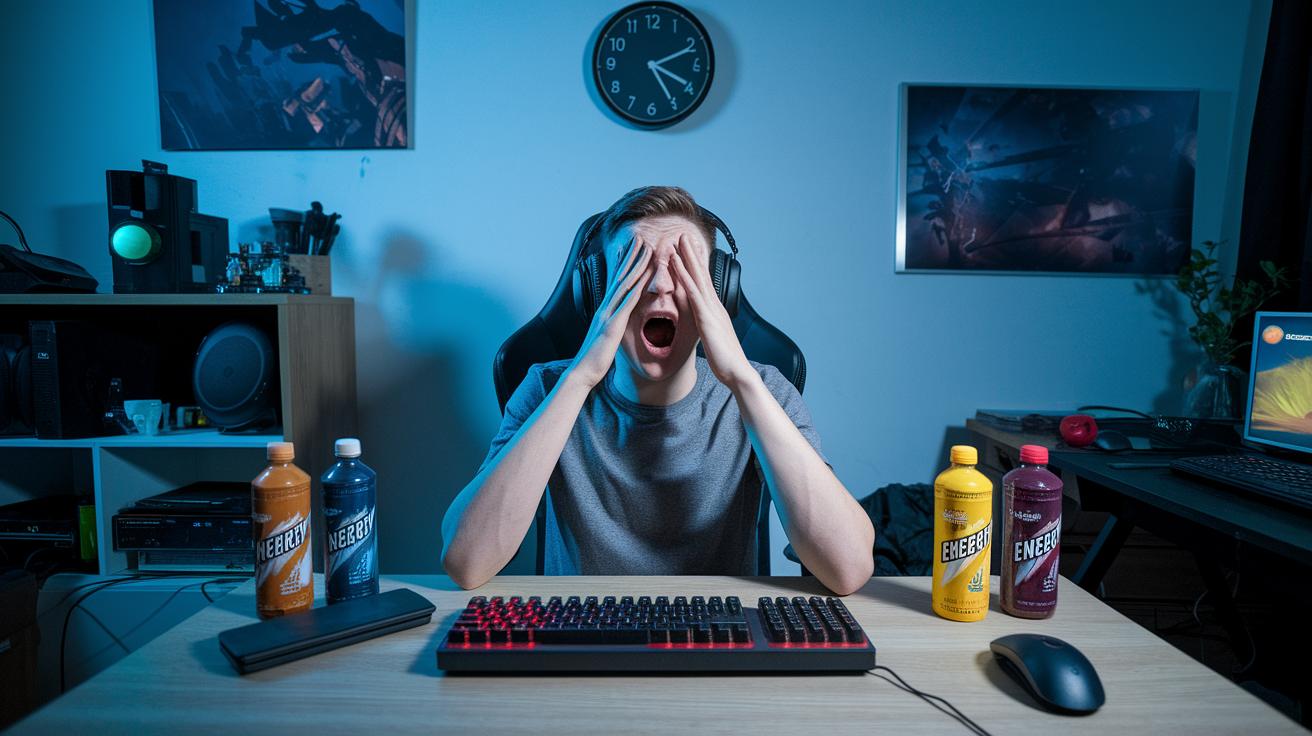
Sleep is like your secret power-up in gaming. When you get a good night’s rest, your reflexes, hand-eye coordination, and focus all level up, helping you land those clutch plays. Did you know that gamers who sleep just five hours might see their grades and in-game skills take a dive? Missing out on sleep isn't just a drag, it slows you down exactly when every split-second counts.
When you don’t catch enough Z's, it’s like trying to play without reloading your mental ammo. Think of sleep as your chance to gear up for the next match. Here are some easy hacks to boost your sleep game:
- Stick to a regular bedtime and wake-up routine. This steady rhythm helps set your internal clock and gets your body ready for top recovery.
- Power down screens at least one hour before bed. This small change stops blue light from messing with your melatonin (the hormone that helps you sleep) and tells your brain it’s time to chill.
- Create a cozy sleep setup. Keep your room around 65°F, find a comfy mattress, and maybe use some soft white noise to drown out distractions.
- Skip caffeine and heavy meals late in the day. Avoiding those stimulants a few hours before bed can help keep your sleep on point.
And here’s a quick tip: try a 10-minute wind-down with light stretching or a mindfulness exercise to signal your brain that it’s time to relax. With these simple strategies, you’ll warm up both your mind and body, so you're always ready to perform at your best when it really counts.
Structuring Pre-Sleep Routines Tailored for eSports Players
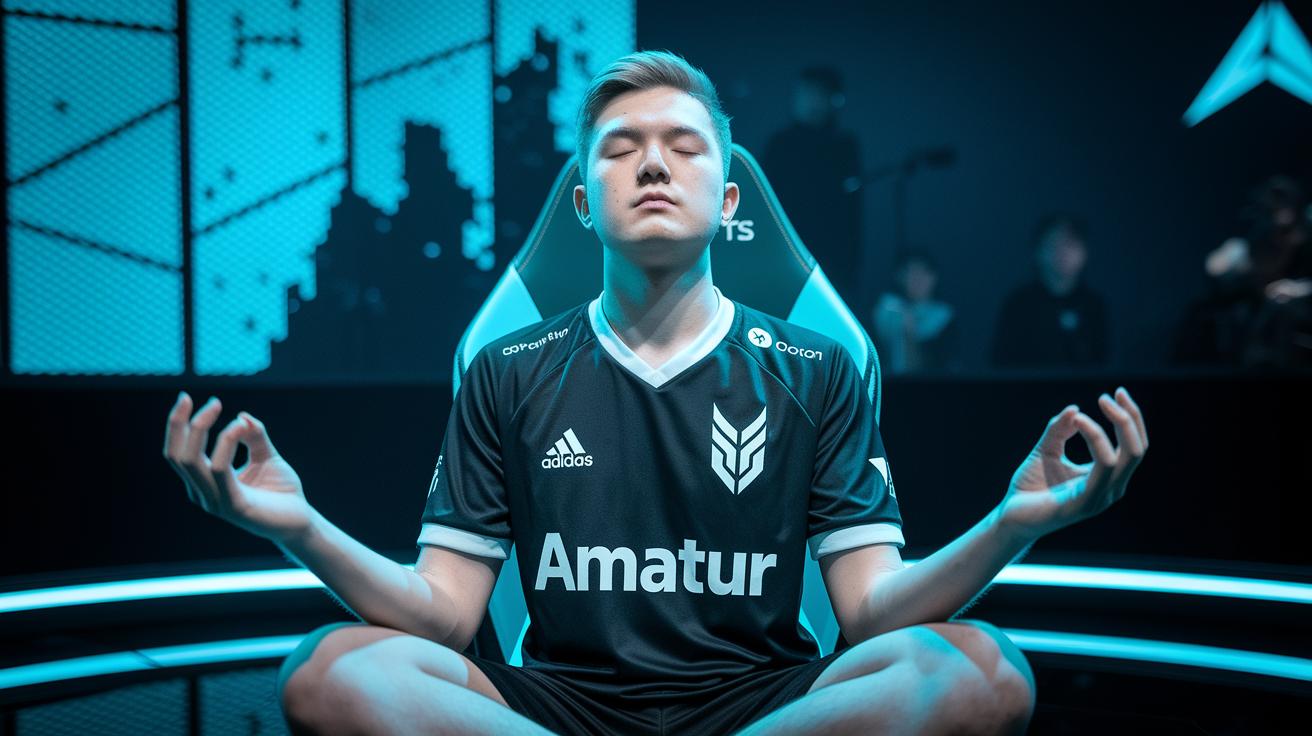
Turn off your devices like you already know. When you switch off your screens, it’s like pausing an epic match, giving your brain a break before the next big challenge. Imagine simply turning off your phone and letting calm take over just before facing that tough boss.
Mix in some quick mindfulness moves made just for gamers. Instead of sitting through a generic meditation, try focused breathing to clear out the match adrenaline. Picture it like this: sit back, breathe in slowly, and let go of the tension, just as you would gear up for a clutch play.
Keep your room cool, around 65°F if you can. A cooler space helps your body relax and tells it it’s time to rest. Add some soft sounds, like white noise, to keep distractions away.
Stick to this routine every night. This steady habit lets you shake off the pressure of high-stakes play and recharge perfectly for your next big match.
Managing Screen Exposure to Reduce Blue Light Effects

Blue light from TVs, phones, and laptops can mess with melatonin, your body's natural sleep hormone, and push your bedtime way back, sometimes by up to 12 hours. So if you're winding down for the night, try powering off your devices at least an hour before bed.
Here are a few easy tips you can follow:
- Keep your bedroom free of gadgets to help stop your brain from staying in high gear.
- Switch on the night mode on your smart devices to cut back on blue light.
- Set a regular screen curfew that includes turning on night mode and shutting down screens early. This helps your body get into a natural, chill mode.
By mixing these steps together, you're giving your brain the best shot at naturally making melatonin so you can fall asleep quicker and wake up ready to hit that next high score.
Optimizing Sleep Environments for Gamer Comfort
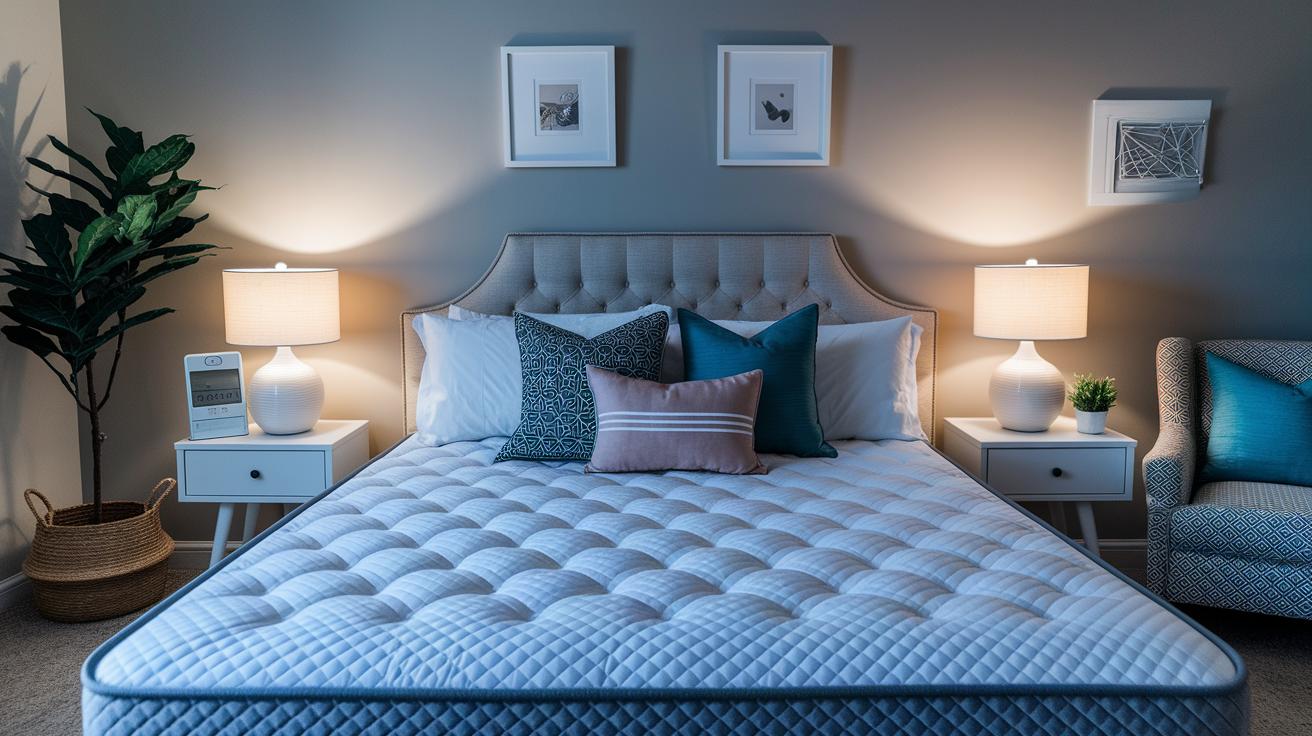
Having your own sleep zone helps clear your mind and lets your body recover. Studies show that gamers with a dedicated sleep space tend to focus better and react faster during games. One study found that playing in a cool, distraction-free room makes your in-game responses sharper, kind of like getting a personal system upgrade while you rest.
Setting up clear borders between gaming and sleep also eases stress. Experts explain that when your room gives off "rest mode" vibes, your brain kicks off essential updates (like memory consolidation, which is your brain sorting through the day). Imagine it like reloading in a match, each cycle helps boost your recall and reflexes.
Here are some simple tips:
- Keep your room cool (around 65°F) so your body knows it's time to wind down.
- Use comfy bedding to support your physical comfort.
- Tuck away gaming gear to train your brain when it's time to power off.
- Play some gentle white noise to help smooth out the shift from wakefulness to sleep.
| Modification | Gamer Impact |
|---|---|
| Cool room (65°F) | Boosts recovery and reaction time |
| Dedicated sleep zone | Reduces stress and sharpens focus |
| Quiet ambient sound | Enhances transition into deep sleep |
Lifestyle Adjustments: Exercise, Nutrition, and Caffeine Control

Working out during the day gives your sleep a serious boost. When you get your heart pumping with a brisk walk or a bike ride by mid-afternoon, your body gets plenty of time to settle down before bed. A little tip: finish your exercise at least one to two hours before you sleep so you don't end up feeling too wired.
Meal timing is key, too. Try to finish dinner two to three hours before bedtime. Go for something light and easy on the fat, like a salad with lean protein, so you don't feel sluggish later. Eating a big meal right before sleep can slow you down, much like lagging during a tight match.
Cutting back on caffeine and alcohol is another smart move. Avoid coffee or energy drinks later in the day (caffeine can stick around for up to 12 hours) so it doesn't mess with your sleep cycle. These simple tweaks can help you sleep better and stay sharp for every in-game challenge.
gamer sleep improvement tips Elevate Your Sleep Game

Sleep trackers are a game-changer for anyone wanting to boost their sleep routine. Imagine an app quietly tracking your snooze, telling you when you're in deep sleep and when you’re just dozing off. It's like fine-tuning your in-game settings. Ever had that moment when you wake up feeling fresh, as if you just hit a respawn point? That's the magic of syncing your sleep with your natural rhythm.
Using these trackers gives you solid data on your sleep quality. You can tweak your bedtime to sharpen your reflexes and stay laser-focused for your next match. It’s like tweaking your loadout, every detail counts when you’re aiming for win after win.
A quick power nap lasting 15 to 20 minutes works wonders too. Think of it as a mini-health boost during a marathon raid. It recharges you without messing up your regular sleep schedule. Quick and effective, just like grabbing a health pack in the middle of a heated battle.
- Track your sleep stages with a mobile app.
- Set a 15–20 minute nap when you’re feeling the slump.
- Use the insights to adjust your sleep and wake times.
These tech tips can be your secret weapon for not just epic gaming sessions but also rocking your daily routine.
Final Words
In the action, we explored how sleep quality affects game performance. We broke down setting a calming bedtime routine, cutting down screen time, and designing a comfy sleep space. We also covered smart lifestyle moves like proper exercise, careful snack choices, and even power naps to boost energy. These gamer sleep improvement tips are meant to help boost reaction times and overall in-game performance. Keep trying these moves and enjoy the wins, both in sleep and on the screen.
FAQ
How do video games affect sleep quality?
The impact of video games on sleep quality comes from intense screen time, which can delay sleep signals and keep your brain wired. This makes falling asleep harder and overall rest less refreshing.
Why is it hard to sleep after gaming?
The challenge in falling asleep after gaming arises when high-energy play boosts adrenaline and alertness, making it tricky to relax. A calming wind-down routine can help ease your mind for sleep.
How can gamers fix a disrupted sleep schedule?
The tips to fix a sleep schedule include a steady bedtime routine, reducing evening screen time, and adjusting lifestyle habits like exercise and meal timing. These steps help balance gaming and quality, restorative sleep.
What do the 3-2-1 sleep rules for gamers mean?
The 3-2-1 rules suggest switching off screens three hours before bed, cooling your room two hours prior, and starting a one-hour wind-down routine. This plan gears your body for a smoother, faster transition to sleep.
What is the best sleep schedule for a gamer?
The best sleep schedule for a gamer focuses on consistent sleep and wake times, optimizing your room for cool, dark, and quiet comfort, and incorporating pre-sleep routines to reset your mind after intense gaming sessions.