
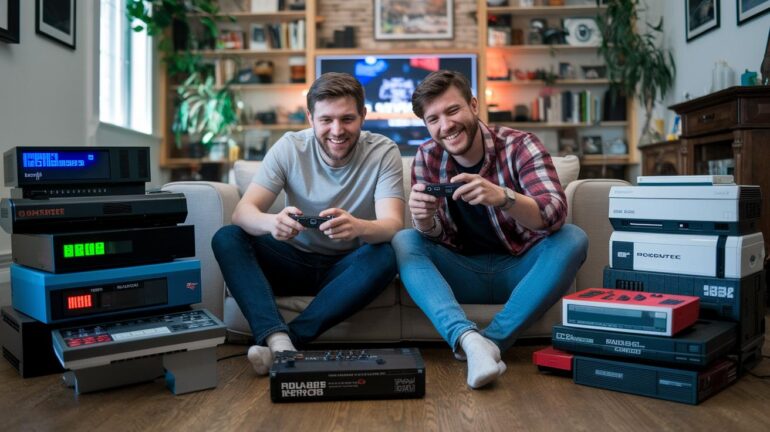
Ever wonder how a simple box became your launchpad for epic wins? Back in the day, those old consoles brought everyone together for a fun night in the living room.
Over time, these boxes transformed into sleek, high-tech machines that dish out crisp visuals and deep, booming sounds. Each upgrade cranked up the excitement, pushing tech and fun to new levels.
Let’s take a quick stroll through their evolution. From humble beginnings to game-changing upgrades, the journey of consoles has redefined how we play and enjoy our favorite games.
Overview of Generations of Gaming Consoles Timeline
The story of gaming consoles is nothing short of epic. It’s a ride from the simple one-game machines we started with to today's slick, high-resolution systems that blow your mind. Every generation fired up our passion for gaming, pushing the limits of tech and fun. Check out our history of gaming systems for the full scoop on how each era made a big splash in the industry.
Below is a table that breaks down the active years and famous consoles of each generation:
| Generation | Years Active | Notable Consoles |
|---|---|---|
| Gen One | 1967–1972 | Magnavox Odyssey, Home Pong |
| Gen Two | 1976–1983 | Atari 2600, Coleco Telstar |
| Gen Three | 1983–1989 | Nintendo Entertainment System, Sega Master System, Atari 7800 |
| Gen Four | 1987–1996 | Sega Genesis, Super Nintendo |
| Gen Five | 1988–2001 | PlayStation, Sega CD |
| Gen Six | 1998–2006 | PlayStation 2, Xbox, GameCube |
| Gen Seven | 2005–2013 | Xbox 360, PlayStation 3, Wii |
| Gen Eight | 2012–present | PlayStation 4, Xbox One, Wii U |
| Gen Nine | 2020–present | PlayStation 5, Xbox Series X|S |
From the days of simple, built-in games that lit up living rooms to today's blockbusters with stunning graphics and online play, the journey of consoles is full of jaw-dropping upgrades. Early systems brought families together for a dose of arcade fun, while newer ones deliver crisp visuals, booming sound, and global online battles.
This timeline is a mix of tech breakthroughs and how we connect over games. Each generation brought its own style, opening doors to better graphics, richer sound, and vibrant online communities. The evolution from retro classics to today’s masterpieces is a wild ride that keeps gamers buzzing with excitement.
Early Console Generations in Gaming Console Evolution

Back in the day, home gaming burst onto the scene with bold ideas and raw, simple tech. The first consoles brought a spark to living rooms by packing one built-in game per system. It was like the start of a digital adventure in the 1970s that got gamers hooked on the thrill of playing at home.
These early systems were pretty basic but totally game-changing. They set the stage for the huge variety of games we have today. For example, consoles such as the Magnavox Odyssey, Coleco Telstar, and Home Pong defined Generation One with their one-game setup. Later on, Generation Two came along and switched things up by using ROM cartridges (small chips that hold game data), which meant you could change games and enjoy a whole library of them.
Generation One: Single Game Units
Generation One consoles were all about that one built-in game experience. Each device was designed to run a single title, which gave it a unique charm that early gamers really loved. Think about the Magnavox Odyssey, it was simple but memorable, offering a taste of home gaming that many of us still recall today.
Generation Two: Era of Cartridges
Generation Two brought a cool upgrade by shifting to cartridge-based systems. With consoles like the Fairchild Channel F and Atari 2600, gamers could swap out different games instead of being stuck with just one. This change opened up a wider range of games and made every session feel fresh and full of new challenges.
8-Bit and 16-Bit Generations in Gaming Console Evolution
Back in the 1980s, gaming really stepped up its game. Consoles moved away from plain graphics and started showing off a ton more detail. Imagine the excitement when simple pixels began to form real, intricate worlds. It totally changed the way we played.
With cooler hardware on the scene, game makers began to push the limits with more complex designs. This period turned gameplay into an even richer experience. It paved the way for legendary game series and fierce head-to-head battles.
Generation Three: 8-Bit Era
Generation Three brought us those famous 8-bit consoles like the Nintendo Entertainment System, Sega Master System, and Atari 7800. These machines served up clear graphics and fun, catchy tunes that grabbed everyone’s attention. Those breakout games not only hooked players but also stretched the capabilities of early hardware to its max.
Generation Four: 16-Bit Era
Then came Generation Four, sending 16-bit consoles like the Sega Genesis and Super Nintendo into the mix. These consoles cranked things up a notch with richer sound, smoother animations, and more detailed worlds. Iconic game franchises blossomed, and gaming hit a fresh level of competition as players enjoyed graphics and gameplay that were both visually stunning and super slick.
Optical Media Generations in Gaming Console Evolution

Generation Five (1988-2001) was a game changer. Optical discs turned things upside down. Consoles like the Sega CD and PlayStation (1994) used CD-ROMs to pack in a ton more data. They even featured full-motion video and crisp sound (that’s what Red Book audio means). This upgrade was like switching from a simple sketch to a vibrant animated scene.
Then came Generation Six (1998-2006). Consoles such as the PlayStation 2, Xbox, and GameCube jumped on DVD technology. These systems could play movies and connect online, turning them into full-on multimedia centers. It wasn’t just about games; it was a complete entertainment package that opened the door to richer visuals and interactive experiences.
Optical discs completely reshaped how games stored content and delivered multimedia features. Moving from CDs to DVDs meant gamers could enjoy more detailed visuals and immersive soundtracks. This breakthrough set the stage for the high-tech gaming systems we know today.
Connectivity and Distribution in Gaming Console Evolution
Generation Seven consoles rocked the gaming world by bringing online play right into our living rooms. Systems like the Xbox 360, PlayStation 3, and Wii introduced us to network features like Xbox Live and PlayStation Network (basically, online play servers). They let friends team up and battle together even when they weren’t in the same room, like grabbing a controller after school and jumping into a fun match.
Then came Generation Eight, which really upped the game. Consoles such as the PlayStation 4, Xbox One, and Wii U started offering crisp 4K visuals along with cool cloud services (that means you can download or even stream your games). This shift pushed physical disks to the background, making it easier and more flexible to get your game on. It was like laying down the blueprint for smart, connected play.
All these changes in online play and digital distribution have totally reshaped how we enjoy our games. Moving from simple network features to a deep digital ecosystem means each gaming session feels smoother and more immersive. Whether you’re instantly accessing games through cloud gaming or downloading them the old-fashioned way, the experience is always evolving, keeping the excitement fresh every time you power up.
Generation Nine and Future Directions in Gaming Console Evolution

Generation Nine consoles have upped the game in home tech. Think about the PlayStation 5, Xbox Series X|S, and the newly revamped Nintendo Switch, they bring ultra-fast SSDs, ray tracing (tech that makes light and shadows look super real), and smooth 4K/60 fps play into your living room. Plus, you can dive back into old favorites with extensive backward compatibility. It's all about combining raw power with smart design. Check out our next gen gaming systems for more on these amazing setups.
Looking ahead, gaming is about to get even more wild. Soon, cloud-native streaming (playing high-end games online without heavy gear) will make top-tier titles available to everyone. And standalone VR/AR consoles, as we talk about in our Virtual reality gaming platform review, promise to blur the lines between the real and virtual. AI will tweak games to fit your style, while modular hardware gives you the freedom to upgrade piece by piece. With immersive haptic feedback that makes your controller feel every rumble, it’s clear the future of gaming is personal and buzzing with energy.
Final Words
in the action, we traced the evolution from those single-game units all the way to today’s high-tech consoles. We broke down eras like the cartridge boom, the 8-bit classics, and the optical media shift, then explored how online play flipped the script. Every step along this timeline shows how generations of gaming consoles have shaped gameplay and sparked excitement. Here's to leveling up and enjoying every upgrade in the game!
FAQ
What are the generations of gaming consoles and their timeline?
The generations of gaming consoles trace a timeline from early single-game units in Generation One to advanced, high-speed systems in Generation Nine, marking tech shifts and evolving play from the 1960s to today.
What systems make up the 9th generation consoles?
The 9th generation consoles include platforms like PlayStation 5, Xbox Series X|S, and upgraded Nintendo models, featuring fast SSDs, ray tracing, and strong backward compatibility for immersive gameplay.
What are examples of 2nd generation consoles?
The 2nd generation consoles, such as the Atari 2600 and Fairchild Channel F, introduced cartridge-based play, expanding game libraries and moving away from single built-in games.
What systems define the 7th generation of video game consoles?
The 7th generation consoles, which include the Xbox 360, PlayStation 3, and Wii, revolutionized play by bringing online connectivity and social features to the gaming experience.
What defines the 5th generation consoles?
The 5th generation consoles marked a shift to CD-ROM technology with systems like the PlayStation and Sega CD, boosting game storage and offering richer multimedia features.
What do the eight generations of game consoles represent?
The eight generations represent tech leaps from early single-game setups and cartridge systems to optical media and digital, networked consoles, each era improving gameplay and interactive features.
What are the 10th generation consoles?
The term “10th generation consoles” hints at upcoming systems beyond Generation Nine, as current innovations have pushed gaming up to Generation Nine with cutting-edge technology.