

Ever notice how a quick flick of a switch transformed clunky boxes into gateways for pure fun? Gaming consoles started as simple, basic machines and evolved into powerhouses that light up our living rooms. From the original Brown Box to today’s super-fast, eye-popping systems, every upgrade has changed how we play. I’m excited to share some key moments that not only shaped our gaming journey but also brought back those awesome memories. Ready to dive into the evolution of home gaming over the years?
Executive Snapshot: Key Milestones in Gaming Consoles Timeline
Gaming history is like watching a thrilling tournament unfold. In 1967, Ralph Baer’s Brown Box prototype set the stage for home video gaming, sparking a revolution in living rooms everywhere. By 1972, the Magnavox Odyssey hit the market and brought interactive play right into people’s homes, changing the game forever.
Then in 1975, Atari’s Home Pong made a huge impact with its simple, addictive design that hooked millions. Fast forward to 1988 when the Sega Genesis cranked up the energy, heating up the console wars with fierce competition and non-stop action.
In 1994, everyone’s attention shifted to the Sony PlayStation, which introduced CD-based gaming (where games came on discs), offering a bigger game library and deeper, richer experiences. The excitement soared again in 2005 as the Xbox 360 and PS3 launched true 1080p HD. Imagine playing in crystal clear resolution, it was a pixel-perfect dream come true.
Then, between 2013 and 2020, consoles kept leveling up with SSDs (faster storage), streaming, and VR technology, completely reshaping our digital playground. These milestones show just how fast things have changed and how video game systems have grown into powerful entertainment machines that keep surprising us.
First Generation Gaming Consoles: Innovations and Impact
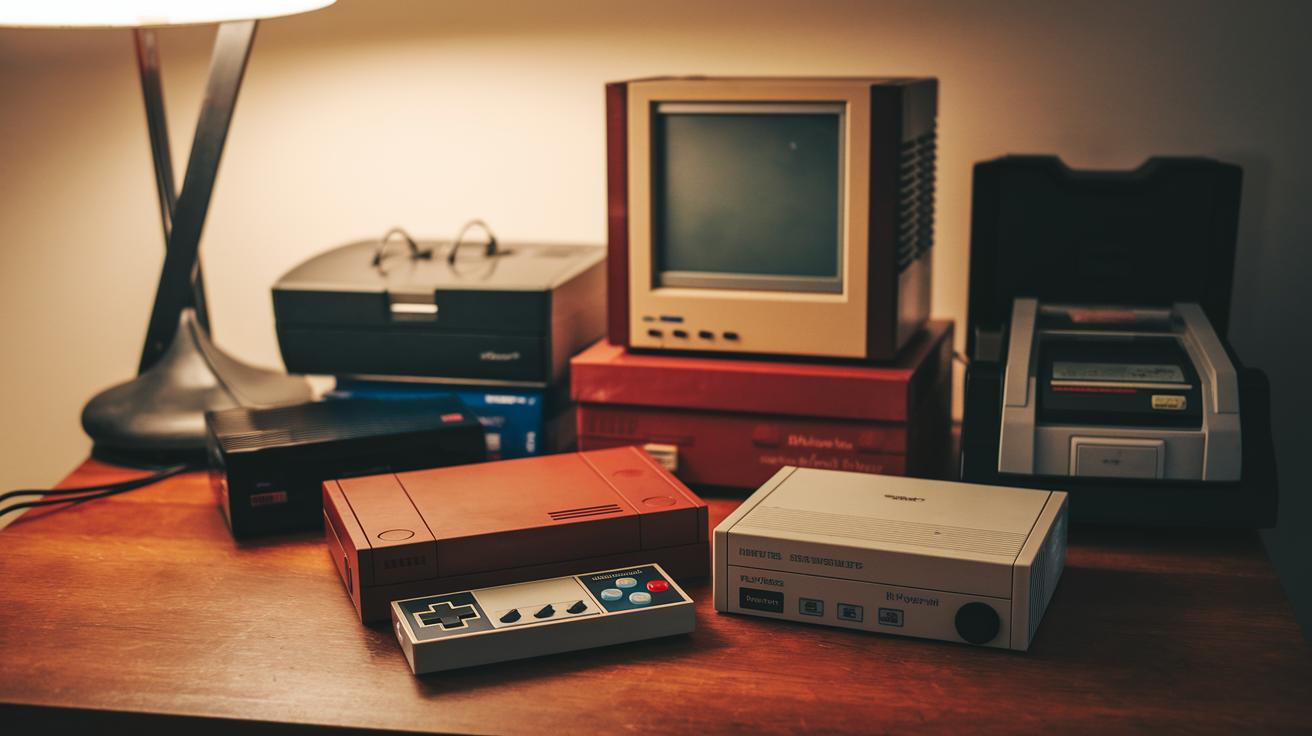
The first gaming systems were total trailblazers, even though their tech was pretty basic. The Brown Box, with its analog circuits and two wired paddles, kickstarted home gaming. It was simple, using raw electronic signals to set up the playfield for the next wave of consoles. Check out the console hardware release scoop for more on these breakthrough designs.
Then came the Magnavox Odyssey, adding cool moves like switchable game cards and overlay graphics. Sure, the visuals were just black and white and the processor wasn’t the most powerful, but it still gave gamers a taste of variety. Early players felt both the thrill of discovery and a bit of frustration when the hardware didn’t always perform perfectly.
The market was careful, yet curious. By 1974, around 100,000 Odyssey units had found their homes. That early success hinted at a bright future, even if there was plenty of room to level up. Many gamers still recall the excitement of seeing their first interactive screen – a spark that fueled decades of console evolution and gaming fun.
Second Generation Gaming Consoles: Cartridge Era and Market Expansion
Remember when gaming felt like a brand-new adventure every time you switched a cartridge? The second generation changed the game by introducing ROM cartridges, so you could swap out games on one console without needing a whole new setup. Early consoles were limited to just one game, but with cartridges, gamers suddenly had access to a whole library of fun. Even though these systems used basic hardware like the MOS Technology CPU and simple color output, they still packed a punch and ignited that sense of wonder.
Big titles like Combat and Space Attack grabbed our attention, and Atari Home Pong kept on winning hearts. Meanwhile, systems like the Nintendo Color TV Game and Coleco Telstar offered fresh gaming vibes for different groups of players. In North America, Japan, and Europe, game libraries even got a local twist to better match what players enjoyed.
Players began to see the benefits:
- More game options with interchangeable cartridges
- The freedom to try different genres on a single console
- Better gameplay experiences thanks to tech upgrades
This era marked a true turning point. Every cartridge promised a new adventure, and game collections started growing in ways no one had imagined. These upgrades set the stage for the explosion of creative designs and diverse genres in later consoles, paving the way for the future of gaming.
Third & Fourth Generation Consoles: 8-bit to 16/32-bit Evolution
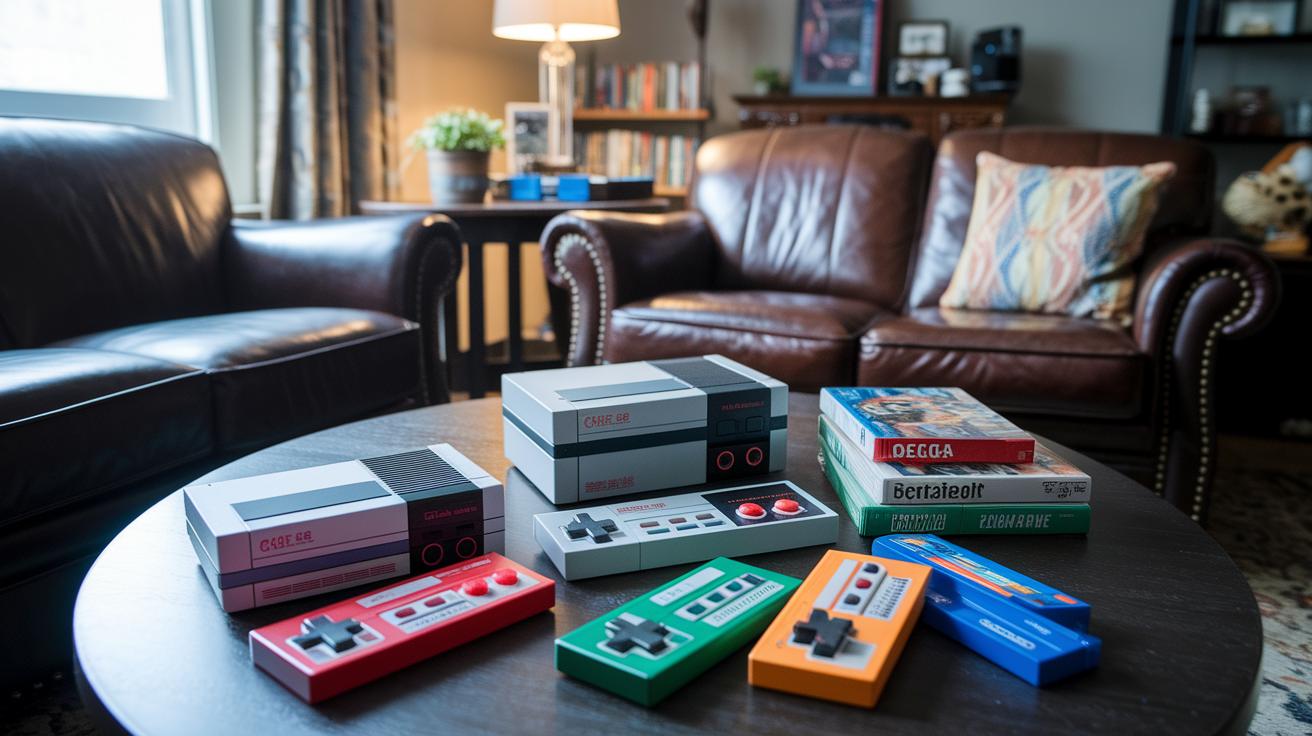
Third-generation consoles made gaming take a giant leap. Characters moved smoothly thanks to improved sprite handling, and multi-channel audio filled every play session with awesome sound effects. The NES, famous for its lockout chip (a tool that limited who could make games), had a unique but small collection of titles. Developers had to get creative under tight restrictions. One designer put it perfectly: "Working with the NES lockout was like creating art with a tiny paintbrush."
Market strategies also shaped this era. Nintendo stuck with strict licensing to keep quality high, while Sega used low prices to win players worldwide. Gamers could choose between a refined, smaller library or a bigger, more affordable selection. Midway through, some consoles even tried out CD-ROM add-ons, like the TurboGrafx-CD and Mega CD, that offered extra storage for richer audio and sharper visuals, even if they didn’t catch on with everyone.
Then came the fourth generation with its cool new tech breakthroughs. With 16-bit CPUs such as the Motorola 68000, these consoles rocked Mode 7 graphics (a trick to make flat images seem 3D) and vibrant color palettes. Iconic games like Super Mario World and Sonic the Hedgehog burst onto screens with unbelievable energy. Every new feature felt like a power-up, boosting gameplay and changing what games could be. These advances created unforgettable moments in video game history.
Next-Gen to Modern Gaming Consoles: Connectivity, HD, and Beyond
Gaming consoles have seriously evolved from the days of CD games and slow dial-up connections. Back then, the PlayStation rocked CD-based games and Dreamcast even came with a built-in modem (a device that lets you connect to the internet) so you could go online. It was a game changer, literally, as online connectivity started to matter as much as the game itself.
Then came the era of true high-definition gaming with consoles like the Xbox 360 and PS3. These machines ran on 1080p GPU setups, turning pixelated graphics into crisp, vibrant scenes. Ever felt the thrill when a game suddenly pops with clear, sharp images? That’s exactly what happened. And let’s not forget the Wii: its motion-control gadgets meant you could actually jump into the action with movements that felt totally real.
Digital stores and subscriptions like Xbox Live and PlayStation Network made grabbing new games a breeze. Instead of standing in line or swapping discs, everything was available with just a click. This instant access meant waiting was out and playing was in.
Today’s consoles, like the PS5 and Xbox Series X, pack even more punch. They come with super-fast SSD load times and ray-tracing (a way to create super realistic lights and shadows), making every game look stunningly real. With native 4K or even 8K output, every scene is ultra-sharp. Add in VR support like PlayStation VR and cloud-streaming options such as xCloud, and it’s like bringing an entire digital world right into your living room.
Now, gaming isn’t just about playing; it’s about connecting seamlessly and diving into smooth, immersive experiences that make every session feel epic.
Handheld Gaming Consoles: Portable Powerhouses
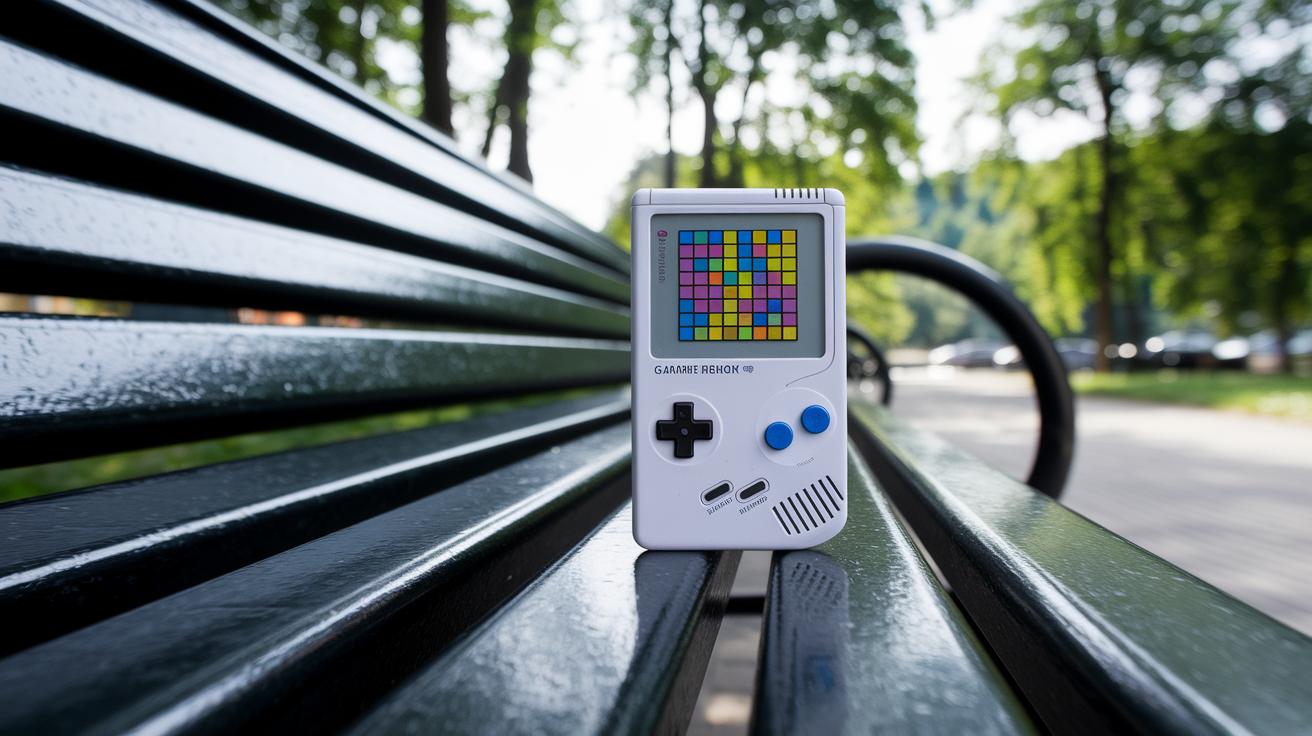
Handheld consoles flipped the script on gaming, letting you play on the move from way back when. Remember the Game Boy? Its basic monochrome screen and amazing 15-hour battery made playing Tetris a must-do for millions. It was pure excitement powering through level after level, even before screens exploded in color.
Then came the era of color screens. The Game Gear’s bright backlight went head-to-head with the Lynx’s bold hardware upgrades. Both of these consoles offered a fresh visual twist that had gamers pulling out their devices whenever and wherever they could for a quick game.
After that, the PSP stepped in and cranked things up a notch. With UMD media (that’s a mini disc format you could play games, movies, and even join Wi-Fi multiplayer battles on) it brought a richer experience right into your hand. And later, the Nintendo Switch smashed old limits with its hybrid design, use it docked at home or undocked on the go, and with its cool detachable Joy-Cons, friends could join the fun in a snap.
Every new upgrade pushed the freedom to play anytime, anywhere, proving that handheld gaming is still a key part of our digital lives.
Final Words
in the action, this guide covered key steps from early prototypes to today's HD and VR worlds. We broke down the rise of first-gen game design, the boom of cartridges, epic 8-bit battles, and the leap into modern, connected platforms. Each section shed light on game-changing moments in the gaming consoles timeline. The rich history shows us how innovations turned simple play into the thrilling experiences we have today. It's exciting to see how far technology has pushed our favorite pastime. Enjoy the game!
FAQ
What does a video game console timeline cover from 1967 to 2022?
The timeline covers major milestones from early prototypes like the Brown Box in 1967 to modern consoles, highlighting system launches, technology leaps, and iconic models with clear visual aids.
What is the order of game consoles?
The order follows the evolution from early systems like Magnavox Odyssey and Atari Home Pong to 8-bit, cartridge-based consoles, then CD-based, and finally modern high-definition systems with advanced features.
What is the life cycle of a gaming console?
The life cycle begins with an exciting launch, moves into a period of peak performance with support and updates, and eventually gives way as new, more advanced systems are released.
What are all the generations of consoles?
The console generations start with first-gen systems like the Brown Box, followed by second-gen cartridge devices, then 8-bit and 16-bit eras, and now modern consoles with online, HD, and VR capabilities.
What was the first gaming console?
The first gaming console dates back to the Brown Box, a prototype developed by Ralph Baer in 1967, which set the foundation for the home gaming systems that followed.