
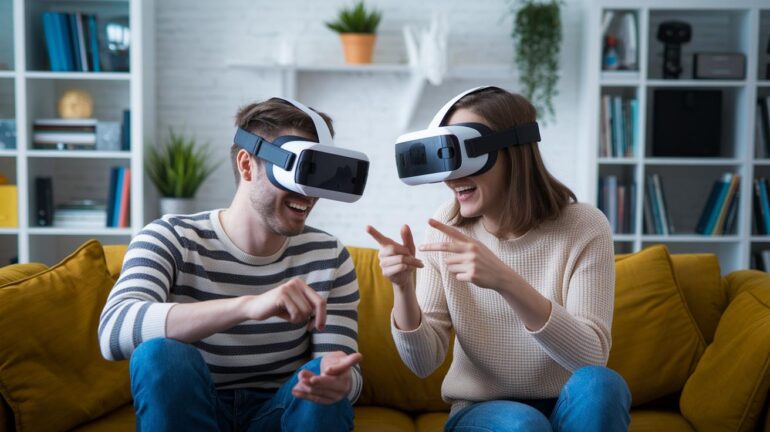
Ever thought your game nights could be epic adventures? Virtual reality is shaking up the way we play. Imagine rocking a wireless headset that lets you move around freely, a PC rig blasting stunning visuals, or a console that makes game switches super quick. In this guide, we break down what’s out there so you can pick the system that fits your play style, budget, and love for lifelike thrills. Ready to take your gaming to a whole new level?
Comprehensive Overview of Virtual Reality Gaming Systems
VR systems come in three main flavors that fit different play styles and budgets. First up are standalone headsets like the Meta Quest 3 ($499) or the Quest 3S ($399). These devices pack their own processors and screens so you don’t need a PC or console. Imagine stepping into a game without any pesky wires, total freedom from cords and lag.
Next, you have PC-driven setups that are all about high performance. Headsets such as the HTC Vive Pro 2 (around $800 for just the headset) and the Valve Index (about $999) offer top-notch visuals and tight tracking (meaning they detect your movements really well). Keep in mind though, they need a powerful PC with a high-end GPU, which may push your total setup cost over $1,000. These are perfect for gamers who crave crisp graphics and pinpoint motion control.
Lastly, there are console-based options like the PSVR 2. It comes with a smooth OLED 120 Hz panel and is made specifically for the PS5. If you already have the console, setting it up is a breeze and you get an immersive experience without any hassle.
When talking cost, headsets under $600 give you an entry-level taste, those between $600 and $1,000 offer a balanced mix of features, and premium systems over $1,000, like the top-tier Apple Vision Pro at $3,499, raise the bar with unmatched visual detail and advanced capabilities.
Standalone Virtual Reality Gaming Systems for Immersive Headset Experiences
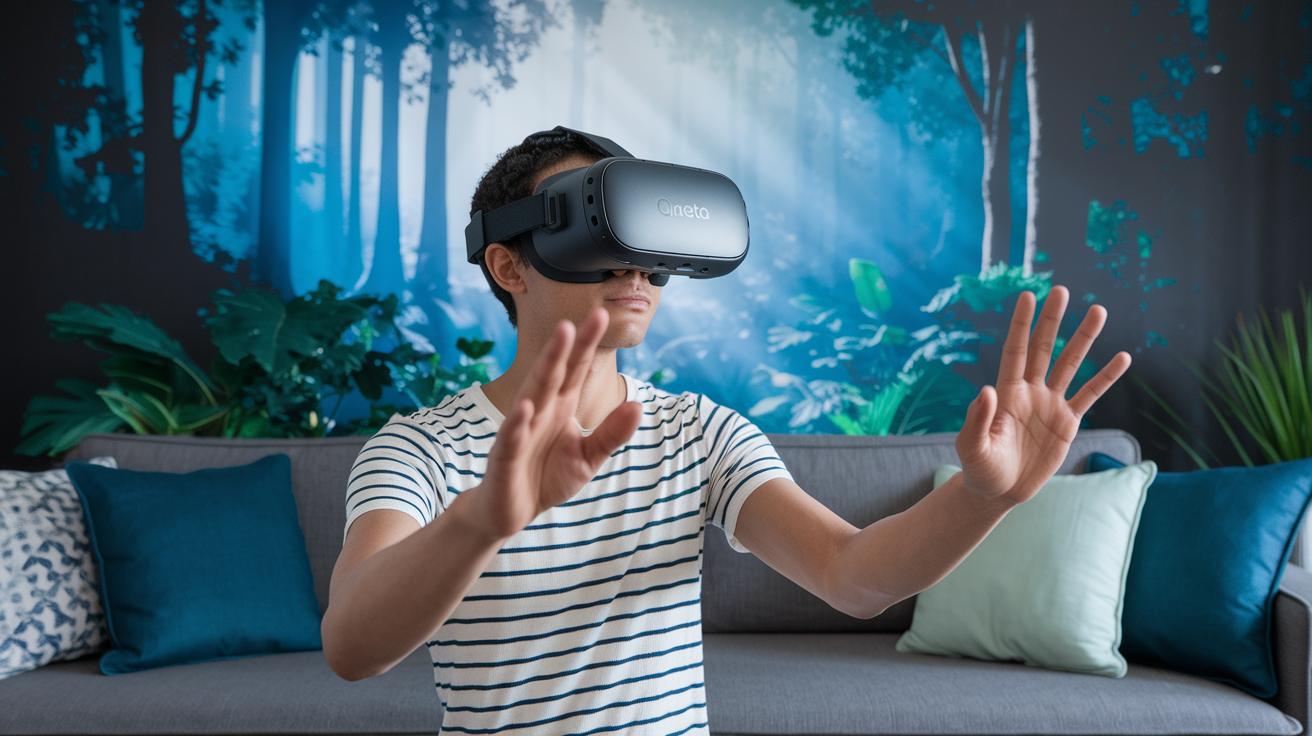
Meta Quest 3
The Meta Quest 3 is your go-to rig if you want to jump straight into the game. With mixed-reality pass-through, you get a cool blend of your real world and a virtual one. It runs on the Snapdragon XR2 Gen 2 chipset, giving a smooth 120 Hz display at just $499. Sure, it doesn’t have eye-tracking, but its inside-out tracking nails your movements without any messy wires. Imagine diving into a VR world where every turn and swipe feels as authentic as a living room brawl.
Meta Quest 3S
The Quest 3S picks up where its big brother left off, using the same optics as the Quest 2. It pushes performance further with boosted GPU clocks and supports Oculus Link, fitting right into different play styles. For only $399, it's a sweet deal if you want immersive play without breaking the bank. Just a heads up, the strap might need a little adjustment to keep things smooth during those intense, fast-paced battles.
Meta Quest Pro
If you’re all about advanced features, the Meta Quest Pro is designed just for you. It stands out with pancake optics (a type of lens design that makes visuals pop) supporting color-mixed reality. Its halo band hugs your head for extra comfort, but the battery lasts only about 2 hours of play. At $1,499, this premium unit is built for gamers ready to invest in a top-tier wireless experience with solid controller support.
Pico 4 Ultra
The Pico 4 Ultra delivers sharp visuals with a crisp 2160×2160 resolution per eye, running on a Snapdragon XR2 Gen 1. Priced around £449 in the UK, it’s known for a light fit that feels great on long sessions. Its software library might not be as vast, but it still offers a compelling, immersive experience for those who crave smooth gameplay.
Apple Vision Pro
Apple Vision Pro takes visuals to the next level with a stunning 23-megapixel micro-OLED display per eye and advanced eye-tracking that follows your gaze. It does need an external battery pack and comes with a hefty price tag of $3,499. This headset is for those who demand the best in high-definition VR and are ready to pay for cutting-edge quality.
| Headset | Display | Tracking | Price |
|---|---|---|---|
| Meta Quest 3 | 120 Hz LCD | Inside-out | $499 |
| Meta Quest 3S | 90 Hz LCD | Inside-out | $399 |
| Quest Pro | 90 Hz Pancake | Inside-out | $1,499 |
| Pico 4 Ultra | 90 Hz LCD | Inside-out | £449 |
| Vision Pro | Micro-OLED | Eye & inside-out | $3,499 |
PC-Compatible Virtual Reality Gaming Systems for High-Performance Graphics
The HTC Vive Pro 2 is a beast when it comes to stunning visuals. It delivers a crisp 4896×2448 per eye using dual-OLED screens, so every detail pops like your favorite high-definition game scene. Its tracking uses SteamVR base stations, meaning external sensors catch every move you make with crazy accuracy. At around $800 for just the headset, you'll need a powerful graphics card to fully enjoy its potential. Imagine dodging a virtual arrow with your wrist flick captured perfectly every time.
The Valve Index is another top-tier option that gamers love. It rocks a 144 Hz refresh rate and a wide 130° field of view so you get an all-around immersive feel. With its Lighthouse tracking tech (which uses external sensors to pinpoint your movements) and deluxe controllers, every in-game action feels natural. Costing about $999 for the whole kit, it's great if you've got a solid Steam library loaded with high-end titles. One minute you’re roaming a digital arena, and the next you’re landing the perfect combo.
For those of you watching your budget, the HP Reverb G2 is a smart pick. It sports a 2160×2160 LCD per eye and uses inside-out tracking, so no extra sensors clutter your space. At roughly $600, it delivers clear, sharp visuals without breaking the bank, ideal for those who want a quality feel on a tighter budget.
Then there are the Pimax Crystal and its lighter version called the Crystal Light, which both serve up 4K mini-LED lenses at 120 Hz. The original might feel a bit cumbersome due to heavy cables that can slow you down during fast-paced play. The Crystal Light is a bit more streamlined, though its tracking system and slightly flimsy controllers might throw you off sometimes.
These headsets push the limits of what immersive VR can be. When your PC is up for the challenge, every flicker, every movement feels real, making you feel like you're actually stepping into your favorite game world.
Console-Integrated Virtual Reality Gaming Systems with Dedicated Platforms
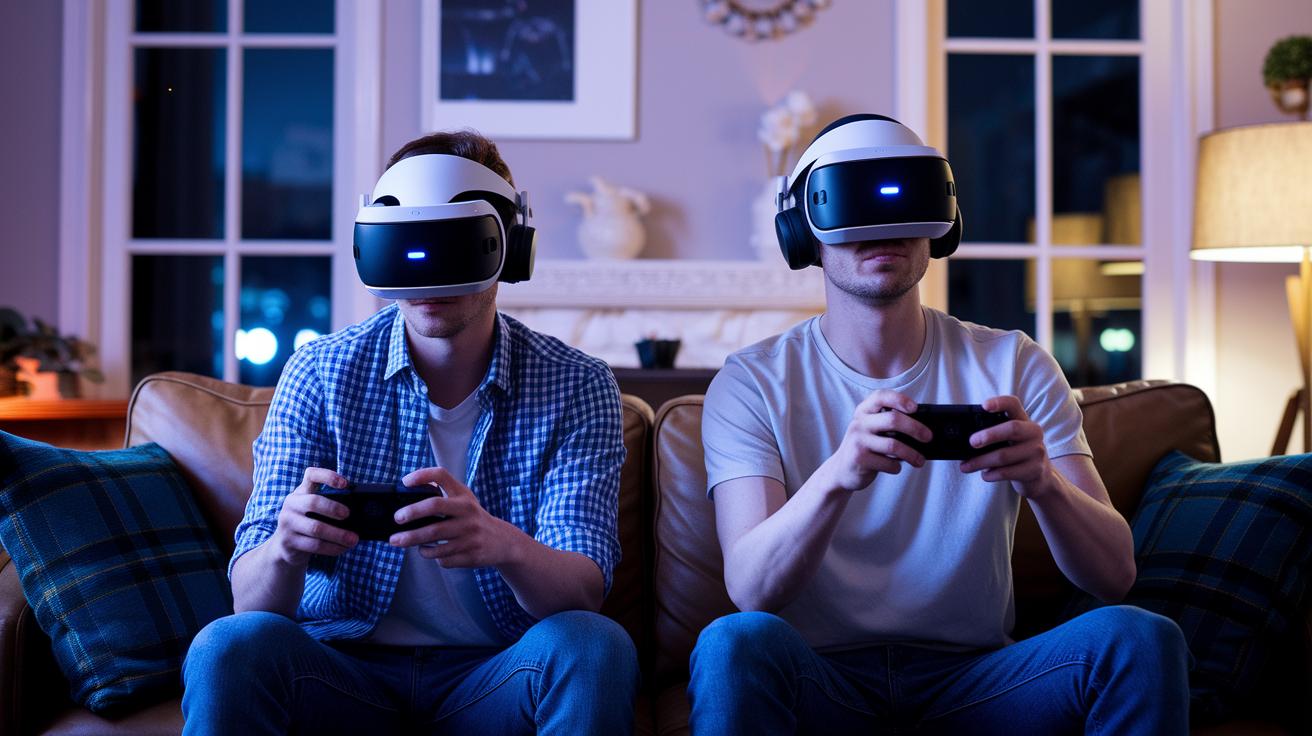
PSVR 2 is a one-of-a-kind VR system made just for PS5 fans who don’t want the hassle of a PC setup. It’s built to work right out of the box, with a crisp OLED screen (2000×2040 per eye) and a smooth 120 Hz refresh rate that makes every game feel alive.
It also comes with Haptic Adaptive Triggers and Tempest 3D Audio, which give you real feedback and cool, 3D sound that moves with you. Ever felt that rush when every sound hits just right? That’s what this headset brings. No extra hardware is needed, just plug in and jump into the game.
At $549, PSVR 2 mixes high-definition visuals with easy access to next-gen gaming. Even though you might see a little ghosting (a bit of blur in bright scenes), it’s a great choice for anyone looking for a simple, console-focused VR adventure in their living room.
Comparative Analysis of Virtual Reality Gaming System Performance and Pricing
Every price level comes with its own blend of cost and performance. The basic devices handle the essentials for a smooth gaming experience. Mid-tier systems step it up with sharper visuals and tighter tracking. And the premium models? They’re all about high-end graphics and pinpoint tracking for those who want to feel every bit of the virtual world.
Think of it like choosing between the standard and deluxe editions of your favorite game. You still get to play, but the deluxe option packs extra perks that really upgrade your adventure.
Virtual Reality Gaming Systems Ecosystem: Tracking and Accessory Innovations
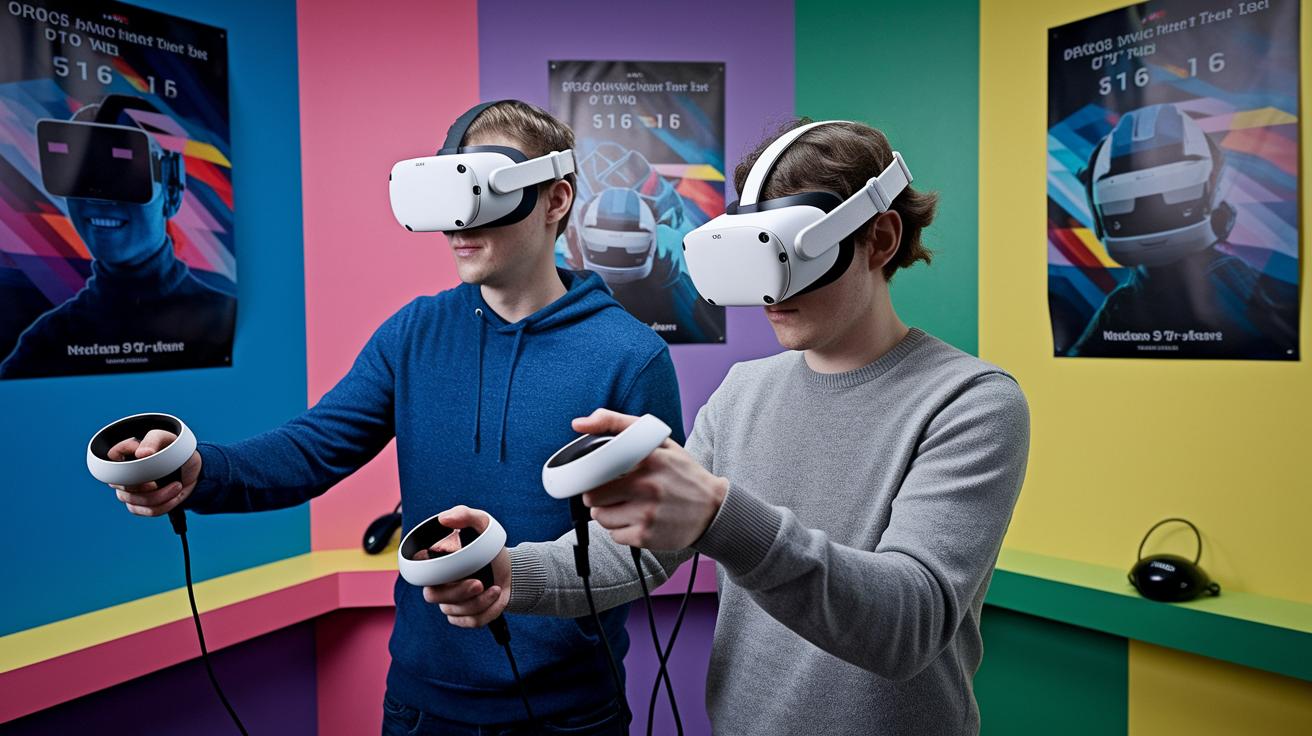
Tracking tech is the heart of any VR setup. Today’s systems use one of two methods. With inside-out tracking, as seen in devices like Quest and Reverb G2, the headset’s built-in cameras map your room. This cuts out extra sensors, reduces wires, and keeps your play zone neat. On the flip side, systems like the Index and Vive Pro 2 use base-station lighthouses (beacons that give very accurate readings) to track your moves down to the tiny centimeter. That kind of precision feels like having super-powered vision in your game.
Accessories also play a big role in making VR feel real. Every gamer needs the right gear. Valve Index Base Stations 2.0 and HTC controllers can catch even the smallest hand movements. The Meta Touch Pro controllers deliver quick, natural responses. Some players even add optional haptic gloves for a stronger sense of touch or use external battery packs with devices like Vision Pro so the fun lasts longer.
Developers depend on strong engine support and easy-to-use content tools. These tools help bring immersive game worlds to life. And if you stream live or play in the cloud, reliable internet is a total game changer.
- Valve Index Base Stations 2.0
- HTC controllers
- Meta Touch Pro controllers
- Optional haptic gloves
- External battery packs
Every piece in this VR ecosystem works together to create a smoother, more immersive gaming experience that fits right into your setup.
Virtual Reality Gaming Systems User Experience and Content Library
Step into virtual worlds where every swipe, tap, and twist gets a speedy response. VR gaming gives you smooth tracking and trusty controller controls that bring digital worlds into life, almost like your own living room. Whether you're solving cool puzzles or going head-to-head in digital arenas, each game uses cutting-edge sensors (tech that follows your moves) to serve up an experience you won’t forget.
Flagship titles that deliver top gaming thrills include:
- Blade & Sorcery (PC) – gritty melee combat that makes you feel like you're really sparring.
- Half-Life: Alyx (PC) – a mix of deep puzzles and edge-of-your-seat story action.
- Superhot VR (Multi-platform) – where time only moves when you do, making every move count.
- Beat Saber (Quest, PSVR 2) – a rhythm game that syncs your moves with pulsating beats.
- Walkabout Mini Golf (Quest) – a fun, precise game on the virtual green.
- Red Matter 2 (Quest, Pico) – a visual feast packed with puzzles in a futuristic setting.
- The Last Clockwinder (PC & Quest) – an atmospheric adventure that’s great solo or with friends.
These games show off how design and smart simulation let your real-world moves shine on screen. Imagine nailing a perfect move in a digital brawl and instantly feeling that feedback from your controller. Every game here throws unique challenges at you, blurring the line between what’s on screen and what feels real.
Future Trends and Advancements in Virtual Reality Gaming Systems

Gear up for a sneak peek into the next level of VR gaming. Picture this: you step into a VR arena, and suddenly your view explodes with a wider field that makes the digital world feel massive, like hitting a secret level in your favorite game. Next-gen devices will include eye-tracking that follows your every glance with near-perfect accuracy, making every move feel almost magical.
Developers are cooking up full-body haptic suits so that every punch, kick, or gesture really hits home. Plus, with edge-cloud VR streaming, you'll enjoy lightning-fast play with hardly any lag. And get this, AI-powered NPCs are on the way to give you smart, lifelike opponents and teammates, upping the stakes with quick reactions and real talk.
Expect better battery life and slick AR/VR hybrid headsets that let you play longer and switch effortlessly between augmented and virtual worlds. In the near future, these advances are set to crank up the thrill factor and level up your digital adventures like never before.
Final Words
in the action, we broke down the different types of virtual reality gaming systems, from standalone headsets to PC-compatible rigs and console-integrated solutions. We laid out pricing, performance, and cool accessories that bring these setups to life.
We wrapped up by comparing platforms and hinting at upcoming trends. All this info aims to help you level up your gaming skills while exploring immersive worlds. Keep experimenting and enjoy every epic moment with virtual reality gaming systems.
FAQ
Virtual reality gaming systems reddit
The discussion on virtual reality gaming systems on Reddit highlights user reviews and community comparisons on popular headsets and accessories like Meta Quest, PlayStation VR, and Oculus systems.
What is the best VR gaming system and which options should I consider?
The best VR gaming system depends on your needs. Standalone options like Meta Quest 3 offer simplicity, while PC-based systems like HTC Vive Pro 2 provide high-end visuals—you can match your style and budget.
What does a VR headset do?
The term VR headset refers to the gear you wear to step into virtual worlds. It displays sharp images and tracks your movements, creating a truly immersive play experience.
What are VR games?
The phrase VR games means interactive titles designed for immersive play. You can enjoy experiences from relaxed puzzlers to dynamic action games available for various VR platforms.
What is PlayStation VR known for?
The PlayStation VR is a headset made for console gamers, delivering engaging visuals on the PS5 along with features like haptic controllers to boost the immersive feel.
How does the Meta Quest 3 stand out?
The Meta Quest 3 stands out as a standalone VR system with a 120 Hz display and mixed-reality pass-through, delivering a wire-free and engaging gaming experience at an affordable price.
Which is the best VR headset for PC?
The best VR headset for PC offers high-resolution visuals and improved tracking. Top choices like HTC Vive Pro 2 and Valve Index provide outstanding performance for desktop gaming.
What does Oculus VR offer?
The Oculus VR brand, now part of Meta, offers popular headsets like the Quest series that blend ease of use with immersive gameplay, backed by a strong community and reliable design.
What devices do you need to play VR?
The devices you need for VR include a headset, compatible controllers, and sometimes sensors, along with a supporting system such as a PC, console, or a standalone unit.
Do VR games cost money?
The inquiry on VR game prices shows that many titles require a purchase, although some free-to-play games exist. Prices vary based on the game and the platform’s marketplace.
What is the best platform to make a VR game?
The best platform for making a VR game depends on your tools and budget—Unity and Unreal Engine are popular choices, offering robust support and strong community resources.
What are some popular VR headsets across different systems?
The popular VR headsets include Meta Quest 3S, Oculus Rift, HTC Vive Pro 2, Pico 4 Ultra Enterprise, and Apple Vision Pro. Each delivers unique features to suit different gaming styles and budgets.