

Ever thought about whether multiplayer radar integration really gives you an edge in your game? Imagine spotting an enemy coming in with super quick timing, a rush like landing that perfect headshot.
In this review, we chat about how fast the data comes through, how clear the updates look, and if the system truly boosts your play at the exact moment you need it. We dug into everything from data speed to what players are saying.
Keep reading and see if this feature can deliver top-notch performance when the battle heats up.
Reviewing Multiplayer Radar Integration: Performance, Challenges, and Benefits
Multiplayer radar integration gives you a live, in-game view of your surroundings. The system collects real-time data like player positions and other clues from the game world. This means you can get a quick feel for what’s happening around you during intense matches.
Why does this matter? Because smooth data and spot-on info can change the entire game. Imagine the rush when you see an enemy approach a split second earlier. That’s the kind of help this feature can give during a heated battle.
We looked at how these radar systems handle quick updates in competitive play. By checking things like how fast data moves and how true the info is, we can see if the feature really ups the gaming experience or if it brings along some glitches that might slow you down.
Check out these key points in the table below:
| Metric | Description |
|---|---|
| Latency | How fast data travels between players |
| Synchronization | Makes sure every player’s view matches up in time |
| Compatibility | Ensures the system runs smoothly on different devices |
| Data Fusion Accuracy | Keeps the radar signals clear and precise |
| User-Reported Stability | Gathers player feedback to spot any hiccups during gameplay |
So, here’s the lowdown. Average latency tells you how quickly info is shared in-game. Synchronization makes sure everyone is on the same beat. Compatibility checks mean it works no matter what system you're on. Data fusion accuracy keeps your radar info spot-on, and player feedback on stability shines a light on any issues that could throw off a crucial play. All these pieces help us understand if multiplayer radar is a solid addition or if it might need a bit of a tune-up.
Technical Components of Multiplayer Radar Integration

The sensor hardware uses special phased-array sensor modules, basically, a set of high-speed eyes on the battlefield. They capture every small, fast movement with amazing accuracy. Imagine spotting an enemy’s move before you even turn your head.
Next up is the data-fusion engine. This core part gathers bits of information from different sensors and blends them into one clear picture. It’s a bit like assembling a puzzle, where each piece fits perfectly to reveal what’s really happening in the game.
Then there are the network communication layers. They handle data transfer using common tools like TCP and UDP (simple methods to send information quickly). Just like instant messaging delivers your text in a flash, these layers ensure every radar update reaches your screen right on time.
Finally, signal-management pipelines tie the whole system together. They act like smart filters, getting rid of distractions, processing raw signals, and ironing out any glitches. When things get hectic and signals start to jam, these pipelines pick out the best data so you always have a clear, reliable view.
Configuring Multiplayer Radar Integration in Real-Time Environments
Prerequisite Environment Setup
Before you hook up your radar API to the game engine, make sure your setup is rock-solid. Check that you have top-notch hardware like fast sensors and a strong CPU. Update your operating system, whether it’s Windows 10/11, the newest Linux, or macOS, so everything runs without glitches. Also, install the right drivers that let your system chat with the sensors. Don’t skip engine plugins for Unity or Unreal; these tools link the radar API to your game engine like key parts of your gaming rig, making every move count. For example, keeping your graphics drivers fresh is like upgrading your setup before a big match.
- Required hardware components
- Updated operating system
- Latest driver and sensor software
- Game engine-specific plugin additions
Calibration and Frequency Adjustment
Now, it's time to get things in sync. Calibrating means aligning sensor outputs with in-game positions. Start by setting the right sampling rates to capture all the fast action. Adjust your frequency bands so that signals don’t step on each other’s toes, kind of like finding the clearest radio station. Test different ranges and pick the best ones based on what’s happening in real time. This tuning compares what the sensors say with where things should be in the game, keeping everything sharp during epic battles.
Monitoring and Diagnostics
After setup and calibration, keep a close eye on your system. Use logging tools to record every update from your sensors. Diagnostic dashboards can show you stats like throughput, jitter (the little delays that can mess things up), and signal quality, giving you a quick health check. When you add diagnostic APIs into your engine, it’s similar to watching your health bar during a tough boss fight, you catch issues early and fix them fast. Tracking these details helps you maintain a smooth multiplayer experience with no sudden lags or glitches.
Benchmarking Multiplayer Radar Integration Performance Metrics

When you’re in the midst of multiplayer action, your radar system needs to send fast, clear info so you can keep ahead of the competition. We ran tests to see if the system fires on all cylinders by checking how quickly data moves, if signals line up nicely, and if everything adds up for smooth gameplay.
| Metric | Test Method | Expected Range |
|---|---|---|
| Latency (ms) | Ping over UDP | 20–50 |
| Sync Jitter (ms) | Timestamp comparison | <5 |
| Fusion Error (%) | Ground-truth vs. output | <2% |
| Throughput (Mbps) | Continuous data stream | 10–20 |
Think of each of these numbers as key players on your team. Latency tells you how fast your actions show up in the game world – the lower, the better, like nailing those quick reflexes in a heated match. A sync jitter under 5 ms keeps everyone’s game view in line, stopping any annoying lag that can throw off your moves. The fusion error is like a little blip, showing how often the radar might mix things up; staying below 2% keeps your map almost perfect. And when throughput is between 10 and 20 Mbps, you’ve got a steady stream of data that won’t let you down during those nail-biting moments.
Put it all together, and these metrics give you a clear picture of how solid your gameplay setup is. When every number lines up just right, your game feels smoother and more predictable – letting you focus on scoring that big win.
Compatibility and Interoperability in Multiplayer Radar Integration
When you dive into multiplayer games, radar integration doesn’t behave the same on every platform. Windows, Linux, and consoles each run their own engine routines (think of these as the game’s behind-the-scenes helpers), which means radar data might show up quicker on a top-notch Windows setup compared to a less common Linux system. It’s like playing on different courts; each one has its own vibe, so keeping things in sync is a major win for developers.
Then there’s the hardware and driver puzzle. Every system needs the right network card drivers and hardware parts to handle signals smoothly. Outdated or mismatched drivers can cause little glitches or delays that really mess with your game flow. That’s why it pays off to keep your drivers fresh and your hardware on point. It's not just about matching bits and pieces, it’s making sure everything works together seamlessly for non-stop multiplayer action.
Firmware updates, patch cycles, and scaling up server power add the final touches. Think of firmware updates and patches as your system's way of leveling up its communication skills, cutting down unexpected crashes and hiccups during those nail-biting moments. And when more players join the fray, having a beefy server setup keeps the game running without lag. In short, these updates and tweaks help your radar integration keep pace, letting every match feel smooth and reliable.
Advantages, Drawbacks, and Case Studies of Multiplayer Radar Integration
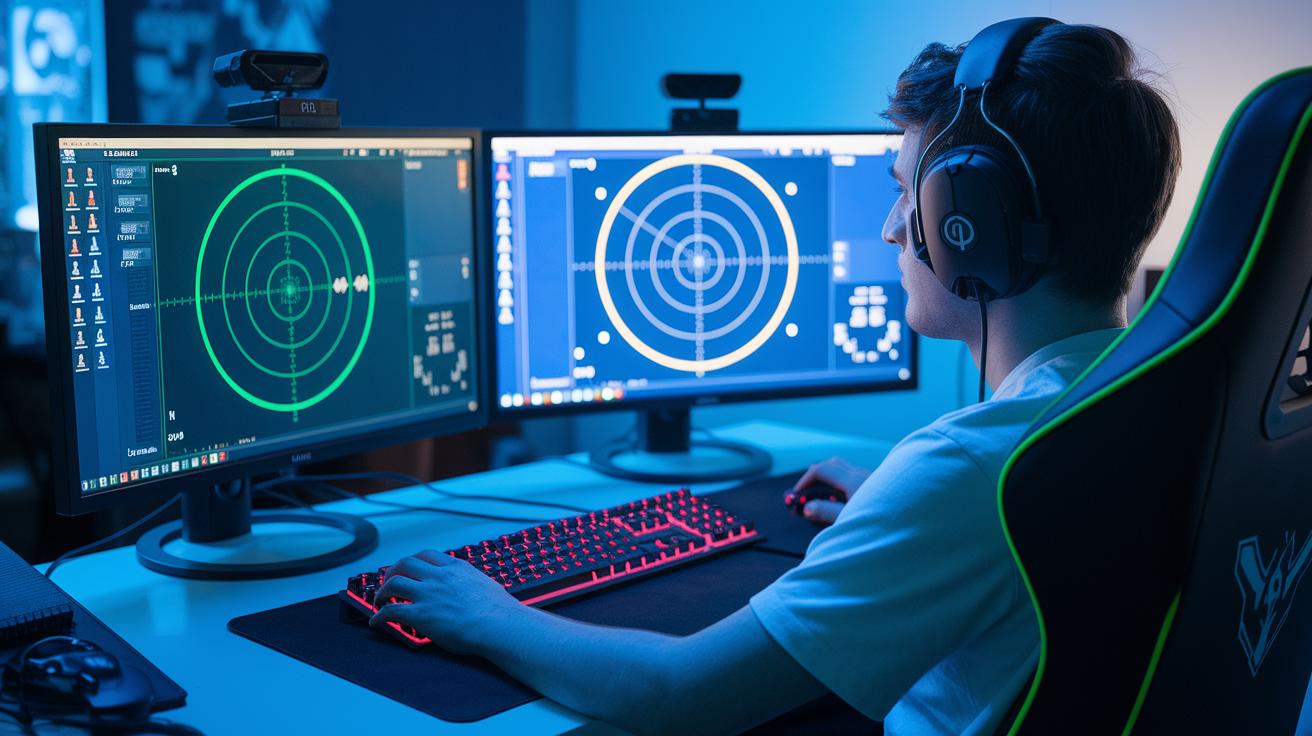
One cool perk of adding multiplayer radar is that it amps up your situational awareness. It shows you where enemies are and how they're moving, making it super easy for your team to coordinate. Imagine getting updates in real time that help you pull off that clutch save instead of losing the match. It really makes a difference when the stakes are high.
But it's not all smooth sailing. The radar can tax your system and be a bit tricky to set up. Sometimes, you need to fine-tune the sensors to sync up perfectly with the game elements, and that extra step can slow down the start. This extra workload might call for more resources, which could bump up costs.
Now, check out a few quick examples. In military simulations, integrating multiplayer radar gives you realistic tracking and command responses that mirror real-life combat. In big AAA game lobbies, it ramps up team play by sharing precise situational data, boosting your overall strategy. And in VR training, the tech blends digital cues with physical feedback, creating a totally immersive vibe. Every case shows awesome benefits, but they also remind us that it's key to balance performance with system demands.
Another tip? Use continuous monitoring tools. Setting up automatic alerts and backup plans means that if a sensor hiccup happens, you catch it quickly and keep the game running smoothly.
In the end, pulling off a great multiplayer experience is all about keeping things balanced. Developers should run thorough tests before launching and roll things out gradually. With smart planning, quick error fixes, and flexible deployment strategies, you can overcome technical issues and enjoy a much smoother, more robust gaming environment.
Final Words
in the action, we jumped right into multiplayer radar integration, covering its core elements from sensor hardware and data fusion to real-time setup and performance benchmarks. We highlighted challenges like synchronization, compatibility, and the impact on user-reported stability. Each point, from latency tweaks to seamless connectivity, builds toward a smoother, more engaging gameplay experience.
Whether you're fine-tuning your setup or leveling up your overall approach, this multiplayer radar integration review has you covered. Happy gaming!
FAQ
What does multiplayer radar integration entail?
Multiplayer radar integration involves combining sensor hardware, data fusion, network communication, and signal processing to boost team coordination and smooth gameplay in real time.
Why is evaluating multiplayer radar integration important?
Evaluating multiplayer radar integration matters because it helps monitor latency, accuracy, and user feedback while ensuring the system runs reliably during competitive play.
What are the key technical components of multiplayer radar integration?
The technical setup of multiplayer radar integration covers sensor modules, data-fusion algorithms, network interfaces, and signal-processing pipelines, each crucial for delivering dependable in-game performance.
How can I configure and monitor multiplayer radar integration in real-time environments?
Configuring multiplayer radar integration involves linking radar APIs with game engines, calibrating sensor outputs, adjusting frequencies, and using dashboards and logs to monitor signal quality and performance metrics.
What benefits and challenges come with multiplayer radar integration?
Multiplayer radar integration offers enhanced situational awareness and smoother team coordination but can also introduce extra system overhead and calibration challenges, as seen in real-world case studies from gaming and simulation.