

Ever wonder how a clunky box from the 60s turned into the slick consoles we now love? Gaming systems aren’t just machines, they’re markers of our tech wins.
From the bold Brown Box to the game-changing home systems of the 2000s (think of it as a big power-up in your living room), every step sparked fresh creativity.
This piece dives into those key moments that reshaped our game, giving a nod to the early tech breakthroughs that still influence our play today. Ready to see how yesteryear’s sparks fuel today’s gaming dreams?
Gaming Systems Evolution Timeline
Gaming systems have come a long way, starting with Ralph Baer's Brown Box prototype in 1967. This early device laid the groundwork for home video game systems. Then, the Magnavox Odyssey hit shelves in 1972 as the first console to use that technology. It completely changed the game and kicked off a long timeline of innovation that still shapes how we play today.
Over the years, each era brought its own breakthrough. In the late 1970s, Atari brought Pong into our living rooms and updated systems like the Odyssey 100 and 200 made home gaming even more exciting. Meanwhile, Nintendo’s Color TV-Game series made its debut between 1978 and 1980, inviting families to join the fun at home.
The early 1980s marked a golden age of gaming. New genres popped up, including fighting, platform, adventure, and RPGs (role-playing games where you step into a character's shoes). As the late 1980s and early 1990s rolled around, fierce console battles pushed companies like Sega and Nintendo to keep innovating.
The early 1990s saw the rise of CD-ROM technology, which allowed for cool 3D graphics and a huge variety of games. This set the stage for popular consoles like the Xbox 360, PlayStation 3, and Wii in the mid-2000s, each pushing the limits with 1080p HD visuals and motion control.
| Period | System | Notable Advancement |
|---|---|---|
| 1967 | Brown Box | First home video game hardware |
| 1972 | Magnavox Odyssey | First commercial console |
| 1975–1977 | Atari Pong / Odyssey 100 & 200 | Arcade adaptation for home use |
| 1978–1980 | Nintendo Color TV-Game | Entry into home gaming |
| 1981–1985 | Various systems | Rise of gaming genres |
| 1986–1990 | Sega Mega Drive/Genesis | Enhanced graphics and speed |
| 1991–1993 | New consoles | CD-ROM shift enabling 3D |
| 1994–1997 | Sony PlayStation & Genesis 2/3 | Advances in multimedia |
| 1998–2004 | Sega Dreamcast | Built-in online play |
| 2005–2011 | Xbox 360, PS3, Wii | 1080p HD & motion control |
This timeline shows a clear journey from early experiments to advanced systems that continue to reshape the way we game.
Early Home Gaming Systems Origins
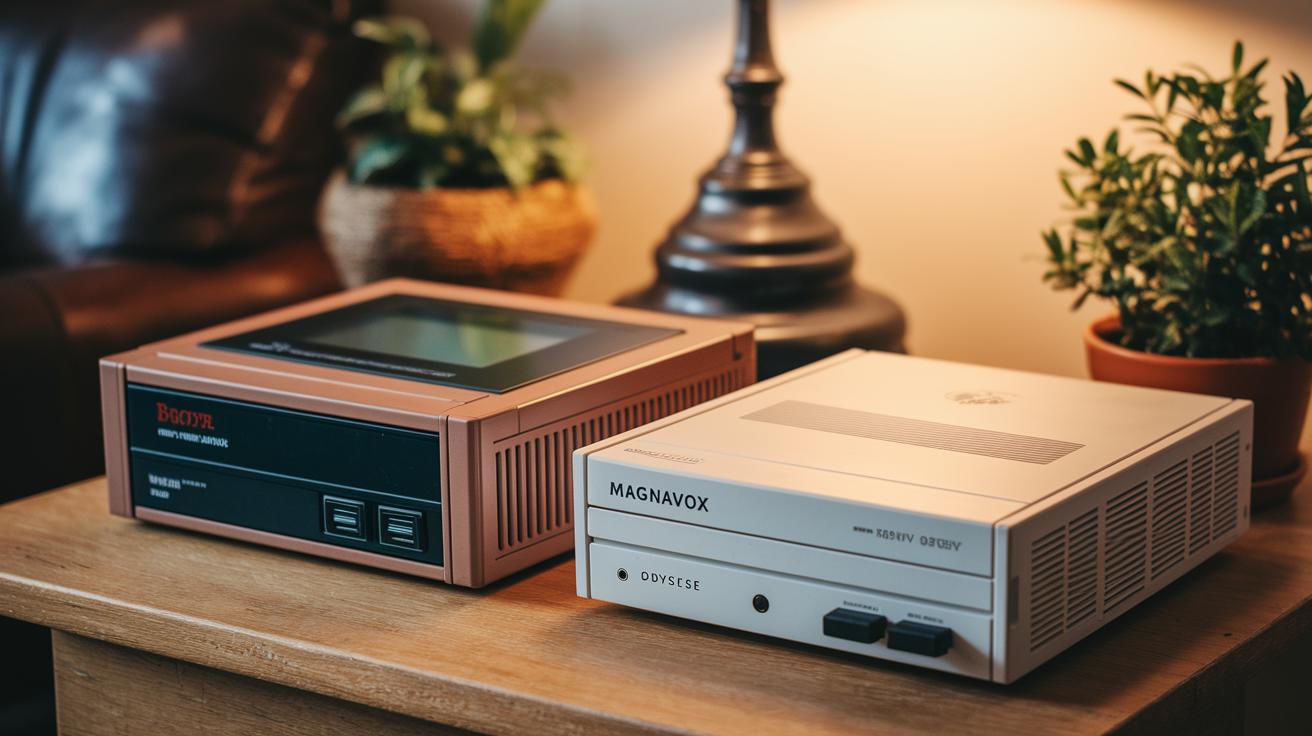
Ralph Baer's Brown Box brought wired controllers into our homes, setting the scene for early digital play. Its wooden design was like the first gamepad, giving gamers a real feel for comfort and control.
Magnavox took things further with the Odyssey. Even though its visuals were simple and its effects basic, it invited players to add their own colors to the screen. Its wired setup gave that early sense of touch, like feeling every press of a button as you dove into pixelated action.
Both systems sparked ideas that power today’s consoles. Their innovative designs paved the way for modern controllers and interactive visuals, showing how early tech experiments still shape our gaming adventures.
Transition from Arcade to Home Gaming Systems
Back in 1975, Atari shook things up by bringing Pong into living rooms. They licensed their arcade hit so gamers could enjoy that classic vibe at home. At the same time, Magnavox jumped on board with their Odyssey 100 and 200 systems, which packed several Pong-style games into one board. This made it easy for everyone to get that arcade thrill without leaving the house.
As more people got hooked on playing games, gaming nights moved from chance gatherings to planned sessions with friends.
Arcade ideas sparked big leaps in hardware improvements. Developers tweaked controllers and game setups (simple changes that make gameplay easier) to make home systems feel just like arcade machines. The simple, clear designs helped both old-school gamers and newbies jump right in. It was a creative time when home consoles started taking the coolest parts of arcade games, bringing nonstop multiplayer battles and fun right into living rooms. These changes boosted game speed, sharpened visuals, and made interfaces easier to use, paving the way for the home gaming systems we love today. Even now, you can see a bit of that arcade spark in every new console design.
8-Bit and 16-Bit Era in Gaming Systems
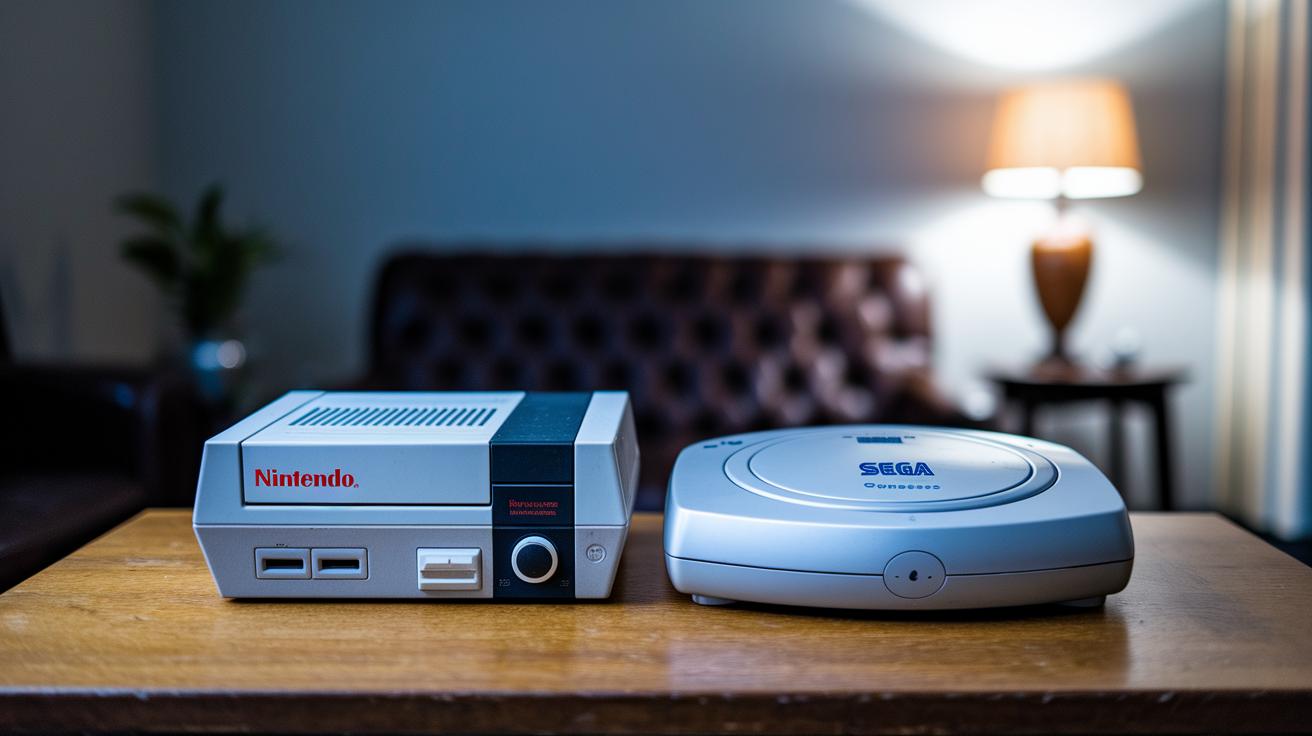
The 8-bit and 16-bit times changed home gaming big time. Consoles moved from simple displays to systems with cool sounds and visuals that pulled you right into the game. It was the start of more immersive play, setting up the action we see today.
- 1983: Nintendo Entertainment System – Kicked off with an 8-bit CPU and a new controller that felt really responsive.
- 1988: Sega Genesis (Mega Drive) – Brought a 16-bit processor and richer audio, which made game worlds feel deeper and more exciting.
- 1990: Super Nintendo Entertainment System – Used clever techniques like sprite-scaling and Mode 7 graphics (a way to create cool background effects) to make games look smoother and more lively.
These gadgets totally changed the game. The Nintendo Entertainment System came out with a design that gamers loved, helping turn things around after some rough patches. Then, the Sega Genesis upped the ante with better sound and visuals, making competitive games even more thrilling. When the Super Nintendo hit the scene, its tricks with scaling and effects let designers get creative, crafting game worlds that were memorable and fun. All in all, these hardware breakthroughs turned simple pixel art into rich, interactive experiences that still inspire modern games.
Console Wars Rivalry in Gaming Systems
Back in the late 1980s, Nintendo and Sega went head-to-head in an epic showdown to win over gamers. Nintendo, famous for its NES and Famicom, was the spot for reliable, family-friendly fun. Sega, on the other hand, broke the mold with its Master System and Genesis, throwing down bold moves that got everyone talking. They even hyped up their gear with buzzwords like "Blast Processing" (a fancy way to brag about speed), turning the competition into a wild ride. Exclusive titles and dedicated fanbases made every duel feel personal, setting the stage for many more console clashes.
Nintendo’s Transition from 8-Bit to 16-Bit
Nintendo wasn’t about to rest on its laurels. They upgraded from classic 8-bit systems to the slick, powerful 16-bit Super Nintendo. They took what made the NES great, solid, fun games, and cranked up the graphics, animations, and sounds. It was like uncovering a secret bonus level that elevated the whole gaming experience. Gamers quickly got hooked on the extra punch, sticking with Nintendo through every twist and turn.
Sega’s Rise with Master System and Genesis
Sega’s journey was all about smart plays and daring moves. The Master System paved the way, but it was the Genesis that truly rocked the gaming world. With a focus on showing off its technical edge, and that catchy "Blast Processing" claim, Sega pushed players to experience games in a whole new way. Their lineup of exclusive titles made every match feel like a nail-biter. It was the kind of rush you get during a final, clutch play that leaves you grinning long after the game ends.
This rivalry wasn’t just about the hardware. It changed how consoles were designed and marketed, laying down the rules for the epic battles we see in the gaming world today.
CD-ROM and the 32/64-Bit Revolution in Gaming Systems
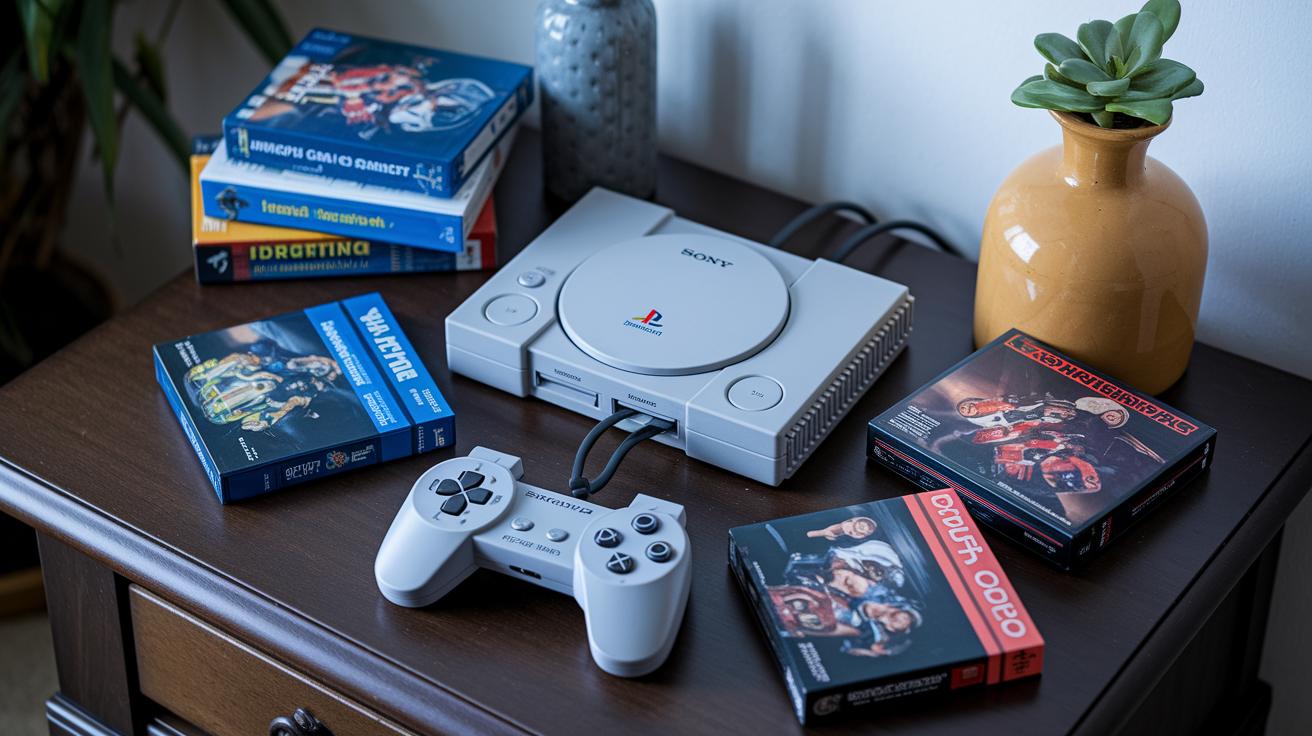
Back in the early '90s, around 1991 to 1993, gaming consoles took a huge leap by switching from tiny cartridges to CD-ROMs. This change meant storage jumped from a few megabytes to hundreds. Game makers suddenly had room to pack in crisp 3D graphics, awesome soundtracks, and deep storylines that went way beyond what cartridges ever offered. It was like opening a door to a whole new world, where every game felt more alive. This shift pushed the industry forward, setting the stage for all the connected, multimedia features we enjoy today.
Sony PlayStation’s CD-Based Breakthrough
When Sony dropped the PlayStation in 1994, it was a game-changer, literally. The console used CD storage to create vast, 3D worlds that hooked players right from the start. Developers had the freedom to build bigger game levels, use sharper textures, and add mini-movie sequences into the gameplay. This new style of design completely flipped what gamers expected from a console. Imagine diving into a game where every level felt like a mini blockbuster hit. The PlayStation didn’t just reshape games; it sparked excitement across the globe, making every gamer feel the thrill of discovery with every play.
Sega Saturn and Dreamcast Innovations
Sega wasn’t about to be left behind. In 1995, they launched the Saturn, which boasted a unique dual-CPU design that allowed for smoother, more detailed visuals, even if it meant developers had to think outside the box to get things just right. Then came the Dreamcast between 1998 and 2004, which leaned into online play by including a built-in modem. This meant friends could jump into games together online, setting the groundwork for lively online communities and real-time gaming action.
These innovations with CD-based systems didn’t just upgrade media; they redefined how we experience games, blending storytelling, graphics, and interactive play like never before.
Online Play and Modern HD Era in Gaming Systems
When consoles started outputting full 1080p (that means really sharp, high-definition visuals), gaming felt like a whole new world. Back in 2005, the Xbox 360 hit the scene with crisp images and a digital store called Xbox Live Marketplace, a fresh way to buy and download games. Then, in 2006, the PlayStation 3 took it further with not just 1080p graphics but also Blu-ray support, delivering richer textures and clearer sound that made every scene pop.
Online play also got a major upgrade. Services like the PlayStation Network and Xbox Live brought gamers together for online battles and digital downloads, making it easier to connect with friends and rivals. Meanwhile, Nintendo broke the mold in 2006 with the Wii that introduced motion controls, letting you swing and tilt like you were actually in the game. This blend of eye-popping visuals and interactive online features transformed home gaming into a connected, dynamic world where every detail felt more real and exciting.
Legacy and Retro Appreciation of Gaming Systems
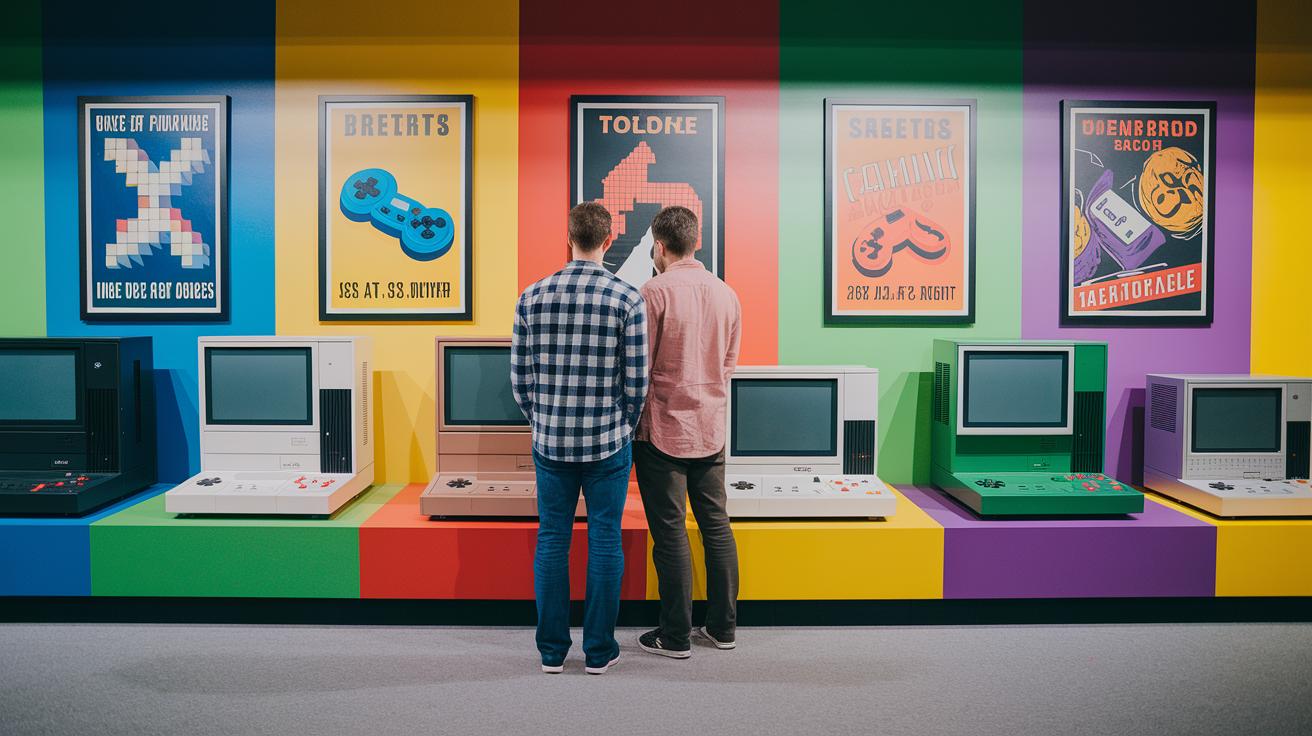
Retro exhibits at places like the Retro Gaming Museum are just awesome. They show off consoles and cool memorabilia from 1972 through 2000, giving fans a peek at the gadgets that started it all. It brings up all the nostalgic feels and makes you wonder just how far gaming has come.
Interactive zones make history feel alive. The High Score Challenge and Arcade Age Exhibit let you relive the arcade buzz, while Indie/Homebrew Showcase and PC Freeplay link modern players with vintage tech. You'll see rare systems, odd game cartridges, original posters, and classic promo gear up close. Special guests and meet-ups add that extra personal touch, where industry veterans and dedicated fans share insider stories. Even the retail booths like Shop at LI Retro offer collectibles that spark lively chats. It’s like stepping into a living archive where each display entertains as much as it educates, showing how those early innovations paved the way for today’s digital adventures.
Celebrating gaming history brings fans together. These events keep old-school systems alive in our hearts and memories, offering a spot to share stories, swap tips, and draw inspiration from the moments that continue to shape how we play.
Final Words
In the action, we raced through decades of change, from the early days of the Brown Box and Odyssey to the heated console duels and the leap to online, HD gaming. We spotted key shifts in how games evolved and how hardware innovations shaped play.
This overview of the history of gaming systems shows just how far tech has come. Keep exploring and sharing your own upbeat moments as you level up your gameplay. Happy gaming!
FAQ
Q: What is the timeline of gaming systems evolution?
A: The timeline of gaming systems evolution tracks milestones from Ralph Baer’s 1967 prototype to modern HD consoles. It highlights breakthroughs like the Odyssey, Atari Pong, Nintendo’s systems, and the online play era.
Q: What was the first gaming system?
A: The first gaming system started with Ralph Baer’s “Brown Box” in 1967, which laid the foundation for home play and later evolved into the Magnavox Odyssey.
Q: Who invented the gaming system?
A: The gaming system was invented by Ralph Baer, whose innovative “Brown Box” prototype set the stage for home video game consoles.
Q: What are some notable old gaming systems?
A: Notable old gaming systems include the Magnavox Odyssey and Atari Pong consoles, which moved arcade-style play into homes and influenced future console developments.
Q: What defines the history of computer gaming?
A: The history of computer gaming spans from early home consoles and arcade hits to modern systems with online and HD capabilities, showing steady advancements in graphics and gameplay.
Q: How are video game consoles ranked among the top games?
A: Top lists of video game consoles often include standout models like the Magnavox Odyssey, Atari Pong, Nintendo Entertainment System, and Sega Genesis, each known for setting trends and enhancing play experiences.