

Have you ever paused to consider how a few coin-operated machines ignited a worldwide phenomenon? Gamer culture began in vibrant arcades where classics like Space Invaders and Pac-Man reigned, before transitioning into family living rooms with consoles that brought people together around their screens. What once were simple games evolved into a dynamic art form that continually reinvents itself. Follow this journey as we explore the transformation from vintage arcades to the epicenter of modern entertainment, unveiling the magic behind a culture that still inspires millions today.
Gamer Culture Origins and Evolution Overview
Gamer culture has grown from coin-operated arcade machines to the vast world of mobile gaming. In the 1970s and 1980s, arcade games such as Space Invaders (1978), Pac-Man (1980), and Donkey Kong (1981) transformed local arcades into lively social hubs. Imagine enthusiastic players gathered around a screen, determined to beat the high score and test their skills with every game played.
The scene shifted when home consoles stepped into the spotlight. Systems like the Atari 2600 (1977) and NES (1983) brought interactive gaming into living rooms, creating opportunities for individuals and families to share engaging adventures in a new digital era. These consoles were more than just machines; they opened doors to a growing and interconnected world of gaming traditions.
The 1990s introduced a new chapter with PC titles like Doom (1993), Quake (1996), and Half-Life (1998), which pushed graphical boundaries and deepened narrative experiences. These games also nurtured communities where players could modify and create their own content, turning fans into innovators and reshaping the gaming experience.
Recently, the industry has expanded even further with mobile hits like Candy Crush (2012), Clash of Clans (2012), and Pokémon Go (2016). Today, gaming leaves its mark on music, fashion, language, and global pop culture, seamlessly linking diverse traditions and stories through interactive play.
Retro Arcade Era: Foundations of Gamer Culture

Innovation in arcade machines completely reshaped video gaming during the early seventies. The debut of Pong in 1972 set off an arcade surge that inspired an array of coin-operated games, laying the groundwork for what was to come. Soon after, Space Invaders in 1978 became a cabinet sensation as new challenges filled the arcades, drawing players into a dynamic atmosphere where every coin offered a chance to shine. For instance, players often shouted "Every high score meant instant fame!" as they gathered eagerly around the glowing screen.
Classic titles such as Pac-Man (1980) and Donkey Kong (1981) took competitive play to a new level by introducing score leaderboards and timed challenges. The energetic pursuit of top scores fostered friendly rivalries and helped form early gaming communities. Arcade halls evolved into social centers where strategic skill and rapid reflexes were celebrated, and every win enhanced a player’s reputation.
- Pong (1972): Launched the initial excitement.
- Space Invaders (1978): Spurred widespread cabinet adoption.
- Pac-Man (1980) and Donkey Kong (1981): Raised the stakes of competitive play.
Neighborhood arcades became vibrant hubs where the excitement of coin-operated challenges brought people together. The shared enjoyment of a single machine nurtured a culture founded on togetherness, enthusiasm, and the tireless chase for high scores. Today, that spirited legacy continues to influence and inspire modern gaming.
Home Console Milestones and Gamer Culture Evolution
When home gaming moved from bustling arcades to the comfort of our living rooms, a fresh wave of interactivity and community spirit took shape. The Odyssey in 1972 and the Atari 2600 in 1977 opened the door for in-home digital adventures, letting players explore new worlds right at home. Early adopters soon realized that these systems did more than entertain; they sparked a growing subculture where swapping cartridges and chasing high scores ignited lively conversations among friends and family. Many gamers fondly remember the excitement of inserting a cartridge and gathering around the TV for friendly battles.
A major turning point came with the 1983 crash, yet the scene was revitalized with the NES launch in 1985. This console renewed the market and inspired innovative game design, paving the way for a wider variety of genres and richer gameplay experiences. Later, the 16-bit era brought further breakthroughs with systems such as the Sega Master System (1985), Genesis (1988), and SNES (1990), expanding the range of games to include platformers, role-playing adventures, and fighting titles that appealed to a diverse audience.
- Sharing cartridges led to a culture of game exchanges.
- Fan magazines and neighborhood get-togethers helped strengthen community bonds.
- Local gatherings naturally evolved into informal centers for swapping strategies and celebrating milestones.
These key developments not only bolstered the identity of individual gamers but also laid a solid foundation for the dynamic console communities we value today.
PC Gaming Legacy and Gamer Culture’s Online Inception
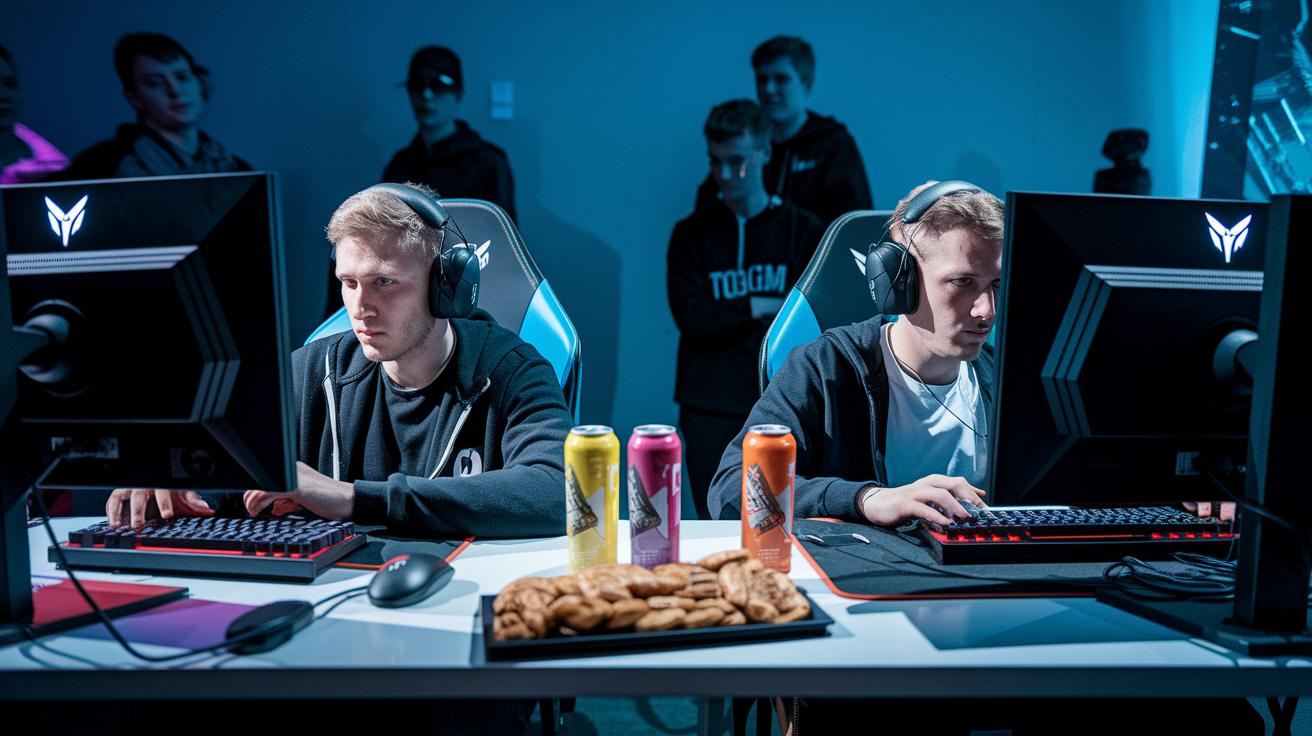
PC gaming evolved from a pastime for individuals into a lively arena for players around the world. Classic titles like Doom (1993) and Quake (1996) delivered immersive first-person shooter experiences with cutting-edge 3D graphics that excited fans and gave birth to LAN party culture. Many gamers recall that starting Doom was akin to stepping into a world where each detail promised a fresh adventure.
The creative journey continued when Quake's 1997 map editors and Half-Life’s (1998) mods enabled players to shape the game on their own terms. These innovations fostered a community built on user creativity and set the stage for the rich variety of experiences available today. Early online play, supported by services such as Kali, paved the way for the transition to multiplayer gaming. For more details, explore your favorite online gaming platforms.
| Milestone | Contribution |
|---|---|
| Doom (1993) and Quake (1996) | Introduced 3D shooter mechanics and ignited LAN party culture |
| Quake map editors and Half-Life mods (1998) | Inspired a surge in user-generated content |
| Early networked play | Connected gamers from around the globe |
| MMORPGs such as Ultima Online (1997) and EverQuest (1999) | Offered expansive, persistent virtual worlds |
Advancements in technology not only refined gameplay mechanics but also reshaped social interactions within the gaming community. Moving from solo gaming sessions to seamlessly connected online experiences has transformed the way players interact, collaborate, and compete, marking a key turning point in gamer culture.
Rise of Esports and Competitive Gamer Culture
Competitive gaming began to take shape with events like Atari's Space Invaders Championship in 1980, which introduced the concept of organized contests that emphasize skill and strategy under pressure. Arcades emerged as the first venues where players competed for high scores, creating a unique blend of technology and community spirit.
In 1997, the Nintendo World Championships unified gamers nationwide under a formal tournament structure, sparking a competitive passion that led to the development of professional circuits in the early 2000s with titles such as StarCraft, Counter-Strike, and Warcraft III. Today, tournaments hosted by organizations like ESL and DreamHack offer million-dollar prize pools and attract audiences from around the world, transforming friendly competition into a professional, high-stakes sport. (see esports history for further details)
- Atari's Space Invaders Championship (1980) kick-started mass gaming contests.
- The Nintendo World Championships (1997) established formal tournament play.
- Early 2000s competitions laid the groundwork for professional esports leagues.
By organizing competitive play, gamer culture evolved from mere arcade battles into full-scale digital sports events that shape identity, enhance skill development, and fuel passion across generations. This rapid transformation has made esports a key pillar of modern interactive culture, continually driving innovation and fostering global unity.
Indie Roots and Modding: Gamer Culture Creativity
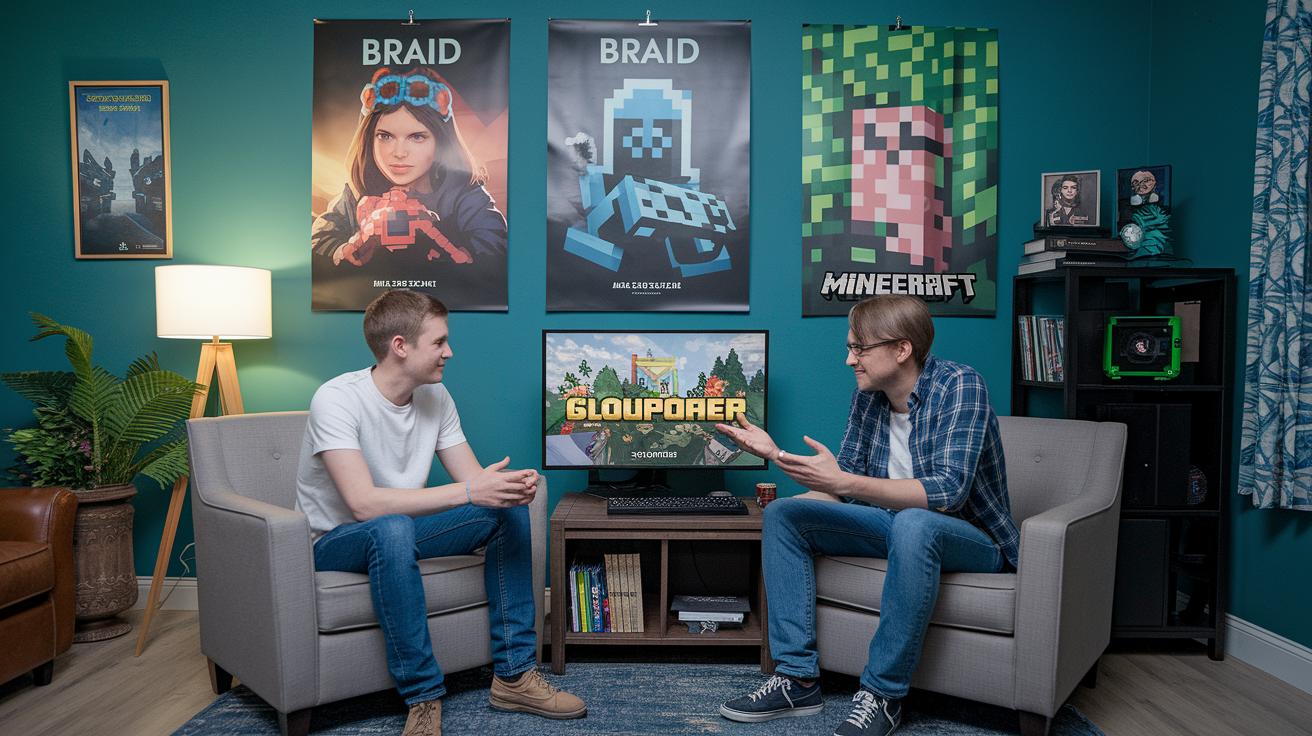
In the early 2000s, independent communities like TIGSource and Newgrounds exploded with creativity as small teams released games fueled by passion and limited resources. These communities became hubs for innovative projects, challenging conventional gameplay and offering players unique worlds and stories built from scratch. One developer famously recalled creating a game in a small room armed with nothing more than dreams and a second-hand PC.
Titles such as Braid (2008) and Minecraft (2011) quickly showed the impact of player-led design. Minecraft encouraged a boundless environment for creativity, while Braid introduced time manipulation to tell complex stories in a fresh way. These games demonstrate how indie developers transformed challenges into creative strengths, fueling an era where every obstacle sparked inventive solutions.
Modding communities, particularly those around Half-Life and Morrowind in 2002, extended this trend by creating total game conversions that reshaped both narrative and gameplay. At the same time, simulation games like Sims (2000) pushed sandbox storytelling to new limits, offering players immersive and dynamic experiences that blurred the line between scripted content and spontaneous play.
- Independent hubs fostered creativity.
- Groundbreaking games reimagined stories.
- Modding communities reshaped interactive experiences.
Modern Gamer Culture: Digital Communities and Social Dynamics
Digital communities have transformed the way gamers shape their identity, communicate, and interact with one another. Early hubs such as GameFAQs (1995) and IGN boards set the stage for exchanging game secrets and strategies. One gamer recalled logging in and stumbling upon a thread that altered their approach to a difficult level, making gaming feel less like a lone expedition and more like a shared quest.
Platforms for digital distribution, such as Steam (2003) and app stores (2008), have revolutionized access to games. This change turned buying and playing into a worldwide experience that gave rise to independent studios and hobbyists in spaces once ruled by major developers. In one memorable moment, discovering an unknown game on Steam was like finding a secret treasure that enriched a gamer's collection.
Streaming services such as Twitch (2011) and YouTube Gaming have turned gameplay into a communal event, attracting audiences who actively engage and shape the experience. Modern tools like Discord (2015) and in-game chat have further strengthened these ties by ensuring constant, real-time interaction.
- Early forums laying the groundwork for vibrant discussions
- Digital distribution innovations that made games globally accessible
- Live-streaming platforms that encouraged spontaneous, real-time engagement
Collectively, these digital spaces empower gamers to celebrate their shared culture, exchange insights, and continuously redefine the landscape of interactive entertainment.
Final Words
In the action, the article traced how gaming leaped from arcade cabinets to immersive digital realms. We journeyed through early coin-op challenges, home console milestones, and PC innovations, all fueling vibrant fan communities. The rise of competitive play and the creative spark of indie modding added fresh layers to this evolving legacy. Each phase contributes to the rich history of gamer culture, highlighting how every era built a more connected, innovative, and passionate gaming landscape. Embrace these inspiring milestones and look forward to even greater adventures ahead.
FAQ
What does the history of gamer culture timeline reveal?
The history of gamer culture timeline shows a progression from early arcade games like Pong and Space Invaders through home consoles, PC gaming breakthroughs, and online multiplayer trends that structured today’s dynamic gaming communities.
What is gaming culture?
The definition of gaming culture encompasses a community built around gaming experiences, including arcade origins, home console milestones, modern digital platforms, and the social behaviors and traditions that unite diverse players.
How has gaming influenced culture?
The influence of gaming on culture is evident in music, fashion, language, and global subcultures, with digital communities and competitive events progressively reshaping social dynamics and entertainment landscapes.
Who was the first gamer in history?
The concept of the first gamer in history is not attributed to a single individual; rather, early enthusiasts of arcade and home console games collectively laid the foundation for modern gamer culture.
What constitutes a gamer subculture?
The concept of gamer subculture involves a subset of the broader gaming community that develops unique practices, social norms, and collective identities centered around shared gaming interests and online interactions.
What are common gaming culture norms?
Common gaming culture norms include embracing friendly competition, sharing tips and mods, celebrating retro classics, and fostering communities that value creativity, collaboration, and mutual respect.
What statement about gamer culture is true?
It is true that gamer culture is continually evolving through technological innovation, interactive media, and community-driven initiatives that have transformed gaming into an influential and globally recognized cultural phenomenon.