

Ever felt like the usual rating system just misses a game's true spark? In our world of cookie-cutter reviews, this guide shows a better way.
We break down smart, flexible ways to rate everything, from cool graphics and smooth gameplay to those little details that give a game its vibe. By mixing clear insights with overall scores, you'll see how this fresh take can capture both the art and fun factor of any game.
Ready to boost your review game and score some epic wins?
Essential Frameworks for Rating Video Games

Ever noticed that sticking to a fixed list just doesn't capture the magic of some games? When rating video games, it's way better to use flexible criteria that really match a game's creative vibe. Instead of slicing a game into basic categories like graphics, gameplay, and story, this approach catches those cool, unexpected sparks, especially in indie titles. For instance, games with an Undertale-like twist show that preset checklists might miss out on the real experience. Fun fact: Early reviews of Fallout 76 didn’t catch later updates that totally changed how the game played. It shows that our reviews need to keep up and evolve.
Another neat trick is holistic weighting. Instead of giving separate scores for each element, you blend art, narrative, and how engaging the game is into one overall score. This way, you honor both the creative vision and playability. Plus, adding in performance details like frame-rate, resolution, and load times paints a fuller picture. Imagine a game where smooth performance pairs with stunning visuals, it just feels right, doesn’t it?
Also, think about re-checking games over time. Big titles like No Man’s Sky or Assassin’s Creed Unity can change a lot with patches and new content. Regular review rounds help adjust the scores so they stick to the game’s current vibe.
| Criteria | Weighting |
|---|---|
| Graphics | 20% |
| Gameplay | 25% |
| Story | 15% |
| Performance | 20% |
| Engagement | 20% |
Applying Objective Scoring Guidelines to Video Game Ratings

Did you know nearly half of all game ratings are E, while only 23% fall under T? It’s a fun fact that shows how different groups tune into game content. Whether you get a digital download or a physical copy, they all follow a common framework built on clear, data-backed groups.
Think of these numeric scales like the measuring stick you grab before a big match. Imagine setting up a test for a game, maybe checking the frame rate in a fast-action shooter (that’s when every single frame counts) or making sure the resolution stays sharp. These tests are like your in-game power-ups; they keep the ratings reliable and the standards high.
Every score gets a reliability check too. The review team might run quick drills, kind of like a warm-up before a big game, to test load times and other performance bits. This way, the score stays true to the game’s current vibe. Mixing solid numbers with real data builds a trust factor, so everyone knows what they’re playing with.
Balancing Subjectivity with Adjustment Techniques in Game Rating

Indie games often ditch the usual rules. They focus on storytelling and cool visuals more than just smooth gameplay. Some critics say standard scorecards just don’t catch the whole creative vibe. This is where tweaking the rating process really makes a difference.
They hold group chats where reviewers share thoughts on a game’s style and tone all at once. For example, one pixel art scene once left a reviewer totally speechless and shifted his whole review style. These discussions help balance out different opinions while keeping the ratings fair and true to each game’s creative spirit.
Sometimes, they add set adjustment factors to even out scoring. This process makes sure extreme scores don’t wash out a game’s true flavor. Even if reviewers see things differently, calibration sessions help level the field. In short, these methods keep ratings balanced and celebrate the wide range of gamer experiences. Think of it like fine-tuning your controller settings to hit that perfect performance.
Benchmarking Video Game Ratings with Industry Standards

Using big systems like ESRB (in North America) and PEGI (in Europe) gives us a clear way to score games fairly. ESRB uses age ratings and more than 30 clues, like language hints and even a bit of physical action, to help decide who the game is for. Ever notice that nearly half the games are rated E, while only 23% get a T? That’s a cool example of how these tools can capture a wide range of game types.
Digital stores often toss in extra details, like interactive feature labels that you won’t see on a physical game box. This means we need a set of simple rules that can adjust to different digital info while still keeping the play fair.
Reviewers break down game scores by looking at things like graphics, gameplay, story, and performance. Using the same scale every time builds trust with gamers. It shows that solid, industry benchmarks can make game reviews easy to understand and reliable.
Incorporating Player Feedback into Video Game Rating Processes
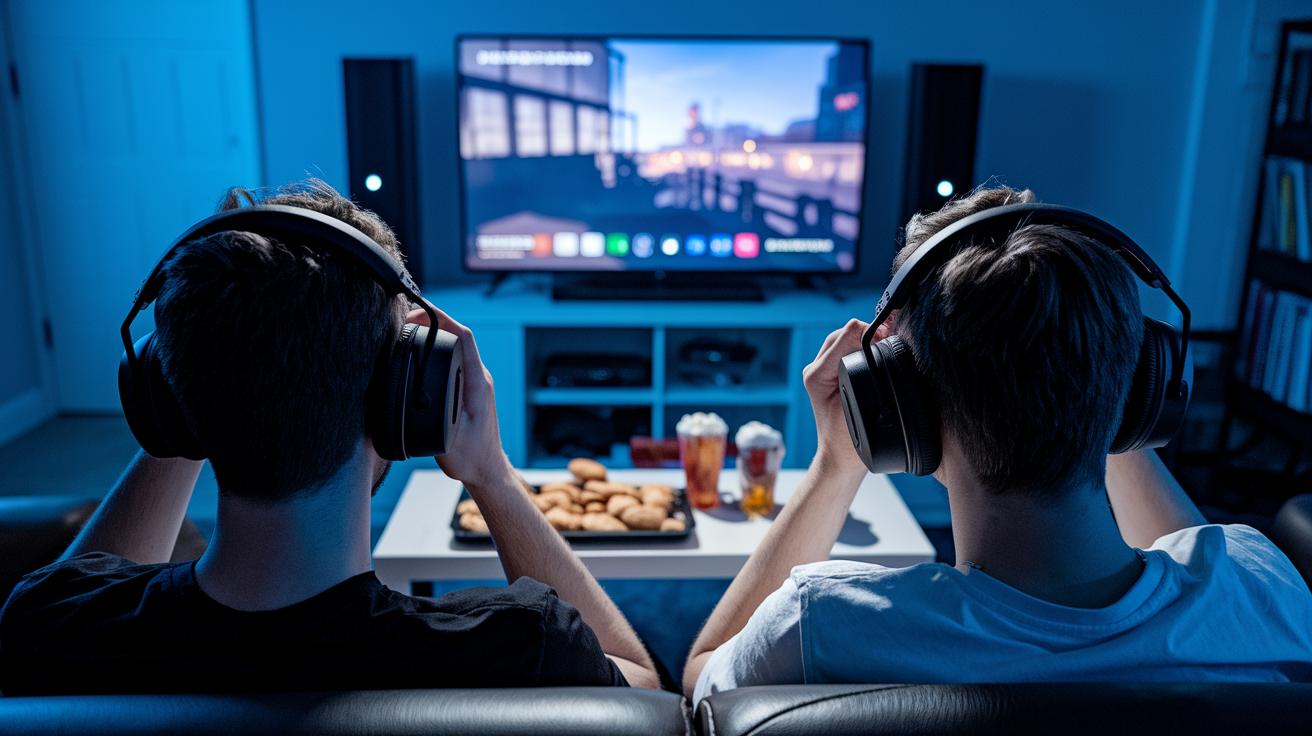
When players share their thoughts, it’s a real game-changer. Their input links the initial expert reviews to how a game actually grows and changes over time. Surveys and community ratings provide quick insights that point out which tweaks can seriously boost, or sometimes hurt, the game. Think about No Man’s Sky or Fallout 76. They both had huge post-launch updates that turned the game experience around, something early reviews didn’t always capture.
Review teams are mixing hands-on play tests with expert opinions these days. One cool method is to run a follow-up review right after a DLC drop or major patch, where players and critics come together to chat about the changes. Ever seen a quick poll asking, “Did that update improve the enemy AI?” Even small questions like this add real depth to the overall score.
Regular feedback meetings and scheduled check-ins help keep game ratings spot-on over time. By merging the voices of the community with the insights of seasoned pros, every update ends up reflecting the game’s current state.
Establishing Transparent Evaluation Models for Video Game Scores

When scores are clear, trust grows among gamers. But keeping things open isn't always easy. One reviewer shared how a major update changed the game so much that they had to adjust the score weights on the fly. Fun fact: In one case, a game completely overhauled its graphics engine after launch, so they had to redo the scoring plan in a hurry.
Case studies help show these challenges up close. Take a popular game that originally set ratings as graphics 20%, gameplay 25%, story 20%, replayability 15%, and performance 20%. Then new performance boosts came to light, and reviewers had to mix old rules with fresh info. This shows that keeping it transparent means tweaking how scores are made as the game grows.
To keep things real, publishing all the methods and updated rules makes everyone responsible. Open evaluation models not only lay out how scores are built but also show the real struggles of changing the rules mid-review. This way, the gaming community stays in the know every step of the way.
Maintaining Dynamic Calibration in Video Game Rating Updates

We update game ratings every time a patch drops or new DLC comes out so the numbers match what’s really happening in the game. Remember when we talked about using player feedback in the Essential Frameworks? This is just that in action.
Take Assassin’s Creed Unity as an example. When it got a big update, our team scheduled a session to recheck everything. It’s like finding a secret level and resetting your high score, you know that rush when everything feels fresh again.
After a patch like v1.1, our crew sits down to compare notes and tweak scores. Even the smallest changes in gameplay get noticed. This score review flows right into our other rating systems, making sure as the game evolves, our ratings evolve with it.
Final Words
In the action, we've broken down how different frameworks and scoring guidelines can shape both objective and subjective game ratings. We talked about flexible criteria, iterative review cycles, and incorporating community feedback to keep ratings current. These best practices in rating video games help both casual players and competitive eSports athletes understand game quality better. It all circles back to making game reviews more honest, reactive, and in tune with evolving gameplay updates. Keep your eyes on those updates and game on!
FAQ
What are best practices in rating video games on platforms like Reddit?
Best practices in rating video games stress using flexible criteria, clear rubrics, and periodic review cycles. They also welcome player feedback to blend objective data with genuine gameplay experiences.
What criticisms exist about IGN reviews and rating methods?
Criticisms of IGN reviews point to inconsistent scoring and puzzling ratings, like extreme 1/10 scores. Critics argue a transparent, well-defined scale would boost their credibility.
How do you properly review a video game?
Properly reviewing a video game means assessing key aspects such as gameplay, visuals, and story. It also involves using clear, measurable benchmarks alongside personal play experiences.
What is the 20 rule for video games?
The 20 rule generally refers to assigning around 20% weight to major aspects, such as technical performance. This helps in balancing different elements to create an even, fair score.
How are video game ratings determined?
Video game ratings are determined by combining quantitative metrics like performance benchmarks with qualitative insights on gameplay and story, all guided by a set rubric that may adjust over time.
What are three common criteria used to evaluate video games?
Common criteria include gameplay mechanics (how smooth and fun the game feels), narrative quality, and technical performance such as frame-rate stability and load times.