

Ever felt like one move could flip your whole game? Reversi is all about those smart, little plays on an 8×8 board that can totally change the vibe. Each move flips discs and shifts the balance, kind of like switching up the game pace with a well-timed power-up. This guide shows you how nabbing the corners and setting up clever moves builds an edge you can really count on. It’s not just about luck, it’s planning, control, and making every move hit. Ready to see how these tactics can level up your play?
Fundamental Concepts for Mastering Reversi Strategy
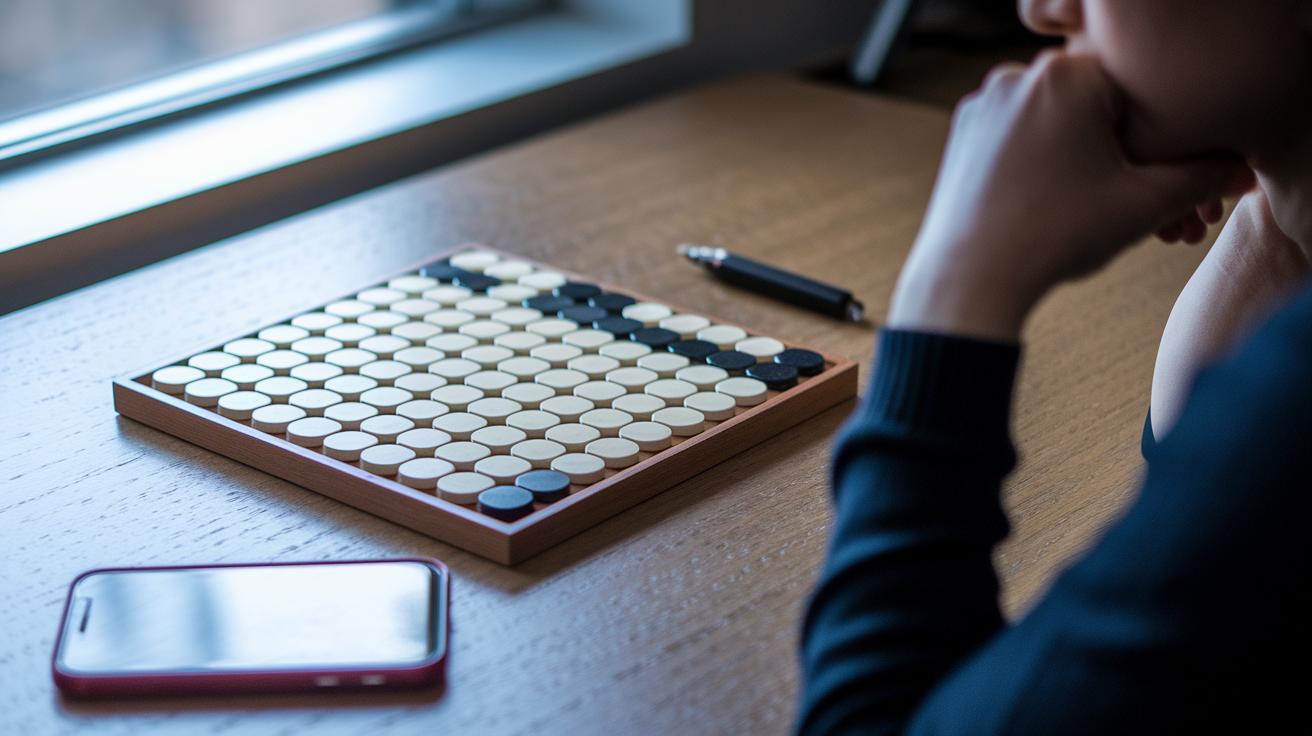
Reversi is played on an 8×8 board with 64 squares, where each player gets 32 discs. The game kicks off with four discs placed at the center in a neat diagonal setup, two dark and two light. Dark goes first, and every move you make has to flip at least one line of light discs (that means a row, column, or diagonal). In simple terms, when you put down a dark disc, it has to sandwich some light ones so they flip over. Each move is all about smart placement and flipping the right number of pieces.
Corners and edges are super important. Grabbing a corner is like locking in a safe spot because those discs can’t be flipped later. Corners also help you control the diagonals and nearby edges. Edges give you a feeling of stability but play them carefully, overdoing it might leave nearby cells open for your opponent. Holding down the center is key too, since it offers multiple flipping moves and opens up big opportunities later. This balance of securing safe zones without overextending is at the heart of a solid Reversi strategy.
Playing smart in Reversi means keeping your board active and your options wide open. Early on, making small moves that flip just a couple of discs can protect your flexibility while limiting what your opponent can do. This guide shows you how to build from simple basics to clever tactics, paving the way for each move to bring you closer to a win.
Early Game: Optimal Opening Moves for Reversi
Starting the game slow is a smart move. Flip just one or two discs each turn so you don't open the door for your opponent. This laid-back start gives you room to plan ahead and keeps the board open while you build up your options. It’s like saving your best moves for that epic moment without giving away any weak spots.
Check out these moves:
| Move | Tip |
|---|---|
| C4 | Balances your flips and dodges risky X-squares |
| F5 | Boosts center control without risking the corners |
| D3 | Keeps your diagonal options wide open |
| E6 | Gets you set for a solid edge play |
| C5 | Adds extra mobility and keeps balance (parity) intact |
These moves lay down a strong early game foundation. For instance, playing at C4 or F5 puts you in the center and guides the game into safer areas. Meanwhile, D3 and E6 open up fresh angles, letting you flip in multiple directions without handing over the corners to your rival. And C5? It gives you all the flexibility you need, almost like keeping the board wide open for creative plays.
When you start out this way, you limit your opponent’s choices and set up your game to eventually snag those valuable corners. A well-thought-out opening like this means you can focus on locking down key spots later, even when the midgame heats up.
Strategic Control: Corners and Edges in Reversi

Corners are your rock-solid safe spots in Reversi. They can’t be flipped, making them perfect for controlling important diagonal lines. Snagging a corner early means you don’t need to worry about defending those risky nearby squares, so your opponent is forced into making bold, gamble-like moves.
| Position | Strategic Value |
|---|---|
| Corner | Reliable stability; locks down diagonals and the edges nearby |
| Edge | Good for flanking plays but risky if pushed too far |
| Center | Offers many flipping chances and stays versatile |
Edges can really boost your board control when you’ve got a solid corner backing them up. They open up flanking moves, yet require a careful approach. Go too far along an edge without corner support, and you might just set a trap for yourself, picture a well-laid plan that totally backfires. This mix of unbreakable corners and smart edge tactics keeps your game tight and strategic.
Midgame Tactics and Piece Parity Management in Reversi
In the midgame, every move counts, especially when it comes to piece parity. Parity is just a fancy way of saying whether the number of open squares left is even or odd. Think of it like getting ready for a final boss battle, you want to save that last move to claim victory. A smart, careful flip can really upset your opponent’s game plan while keeping extra options open.
Midgame move optimization is like setting up a killer strategy before the final showdown. Each move should widen your range without leaving you too vulnerable. Picture lining up a clever flanking play, where one move can flip pieces in two directions, opening new paths while keeping you safe. The trick is flipping just enough pieces to create future openings and keep the pressure on your opponent. Every calculated play builds a strong foundation for what's coming next, keeping you one step ahead as the game heats up.
Endgame Techniques: Best Move Calculation for Reversi

Reversi's endgame is where every move counts and a tiny slip-up can change everything fast. When the board starts to fill up, each flip you make can tilt the score in a big way. One wrong move might hand over control to your opponent during those final, crucial moments. With fewer plays left, it’s all about planning ahead and keeping your eyes on the prize, like nabbing the perfect corner or that sneaky diagonal square.
Here’s a quick guide to help you out:
- Count how many pieces you'll flip right away.
- Check how many empty squares are left after each move.
- Think about how your move could unlock access to corners and edges in the next round.
- Line up your moves so you get to make the very last play.
Use these ideas to build a smart strategy that cuts down on risks and puts you ahead when the game’s tight. A perfectly timed flip not only stops your opponent from grabbing those key spots but also sets you up to take control of the board. Getting your moves right in the endgame is like landing that final combo attack, it ties your strategy and play together, making sure every move drives you closer to a win.
Advanced Maneuvers and Predictive Play in Reversi
Expert players in Reversi don’t just flip discs, they set clever traps and make smart trade-offs. They sometimes let their opponent grab a small win so they can snag a big corner later. Ever left an opening on purpose? That trick tempts your rival into flipping a few discs, which leaves their defense weak. Losing one or two pieces now might open the door to a game-changing spot later. This tactic, often called a "sacrificial play" (putting up a small loss for a major win), turns a temporary setback into a long-term advantage. It forces your opponent into awkward moves and shifts the battle in your favor.
Predictive play takes things up a notch by planning for what your opponent might do next. Imagine you’re eyeing your next move and think, "I bet they’ll flip here." With a bit of foresight, you counter their likely moves and set up positions that leave them scrambling. Tools like AI simulations (which show you probable moves) can help tweak these strategies, making sure your game stays flexible. When you plan several moves ahead, you keep the game flowing dynamically and your rival guessing, all while boosting your chances to dominate the board.
Final Words
In the action, this guide broke down board basics, smart openings, and how to control corners and edges. It walked through solid midgame tactics and precise endgame moves, while also sharing tips on baiting opponents and planning your plays ahead.
Each step ties back to reversi strategy to boost your gameplay, from the first moves to intricate advanced plays. These insights set you up for smoother matches and more wins. Stay positive, sharpen your skills, and keep rocking every game.