

Have you ever thought about how a local hangout spot could change up your neighborhood? Community hubs do more than just post flyers, they bring people together. They mix quick updates with face-to-face chats, turning everyday moments into wins. I once saw a town spark more events just by using a community hub. So, let’s check out how these hubs boost local unity and turn daily interactions into an epic team effort.
Defining a Community Hub and Its Core Purpose
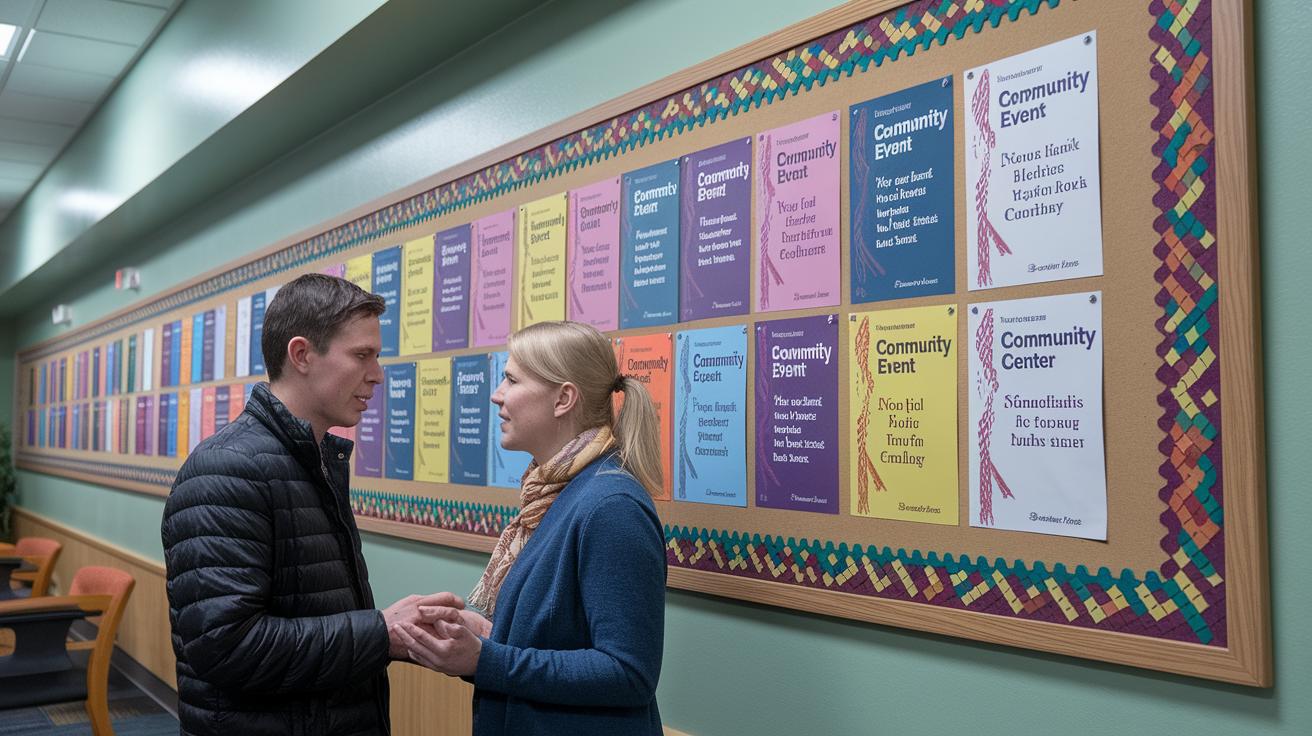
A community hub is a cool meeting spot, whether in a physical space or online, where neighbors get together and chat, help each other out, and share resources. It’s like your local community center that offers a friendly hangout for chatting, learning, and mutual support. Think of it like a backyard get-together where everyone brings something to the table to create an epic day full of fun and support.
Community hubs help fight that feeling of being alone that many of us face today. They set up local events, wrap up handy services, and give you a place to swap useful details like job notices or local meet-ups. For instance, one town saw a near 50% jump in local event participation in just one season, thanks to its community hub. By mixing real-time updates with real neighborly connections, a community hub becomes the go-to spot that keeps neighborhoods buzzing and united.
Key Services Provided by a Community Hub

A community hub offers lots of cool tools that bring neighbors together. It helps families, local businesses, and everyone keep up with what’s going on around them. You get live updates paired with eye-catching visuals that make info easy and fun to share. Imagine checking a calendar and seeing a local food fair right around the corner!
- Community Calendar
- Data Hub
- Community Voices
- Healthcare Resource Center
- Care Coordination Network
- Digital Engagement Platform
- Volunteer Coordination Portal
Each tool is designed for a special purpose. The Community Calendar works like a shared bulletin board, letting everyone post events and news. The Data Hub turns up-to-date stats into simple stories, much like a quick in-game update that shows real trends. Community Voices collects images and messages that capture the real spirit of the area.
The Healthcare Resource Center makes it simple to grab health info when you need it most. With the Care Coordination Network, different services team up to support residents right away. The Digital Engagement Platform pushes out urgent news on digital signs so nobody misses a beat. And the Volunteer Coordination Portal connects the right helpers with the right projects.
Together, these tools act like a finely tuned gaming team, making sure every neighbor feels heard and supported.
community hub Fuels Local Unity

Web-based community platforms are booming, reconnecting neighbors in fresh, fun ways. These digital hubs offer you instant local updates, kind of like a live game stream that never misses a beat. Think of them as your virtual hangout spot where alerts pop up as fast as your favorite in-game notifications.
Cool tools like digital signage software, handy phone apps, and web embeddables power these hubs. Digital signage lights up local screens with event times, urgent alerts, and even fun community challenges. For example, a local store might shout out “Flash Sale – 20 Minutes Left!”, just like that in-game timer nudging you to jump in. Meanwhile, a phone app sends updates straight to your pocket so you’re always in the know. And web embeddables let community calendars and live info pop up on partner websites, making sharing a breeze. Together, these tools work like a well-coordinated raid, ensuring every community call counts.
Dashboards also play a key role by acting as virtual meeting spots and central info hubs that bring neighbors together. Picture a citywide dashboard displaying live updates on things like electricity, water, and even air quality, just like a real-time game stats board. This setup keeps you informed while making you feel like an essential part of the bigger picture. With interactive visuals that break down complex info into clear patterns, you can easily spot any unusual changes, much like planning your next strategy move in a game. These digital dashboards mix real-time analytics with community vibes, ensuring each update strengthens bonds and fuels local unity.
How to Find or Set Up a Local Community Hub

Think of community hubs as your neighborhood’s chill spot where people meet up, swap ideas, and grab handy resources. These places, acting as local community centers and civic outreach spots, help everyone connect and get the practical support they need.
A lot of cities have resource guides or municipal portals that list community centers and neighborhood service stations. It’s like having a game map showing you where all the cool bases are. Start by checking your town’s website or pop over to your local government office. They usually list hours, upcoming events, and contact info so you can easily figure out if an existing hub fits your needs.
If you're planning to start your own hub, begin with a simple needs check. Grassroots groups, local governments, or nonprofits can survey the neighborhood to learn what services or programs are most wanted. With that info, you can plan out the space, from flexible seating (think modular furniture) to tech upgrades that keep things running smooth, ensuring everyone feels welcome.
Don’t forget to team up with other local players. Reaching out to nonprofits, civic groups, and volunteer networks can rack up extra know-how and resources. These partnerships help connect residents to services like job training, youth programs, and healthcare support. Working together with established community groups creates a hub that truly vibes with local needs and builds lasting bonds.
Events and Programs at Your Community Hub
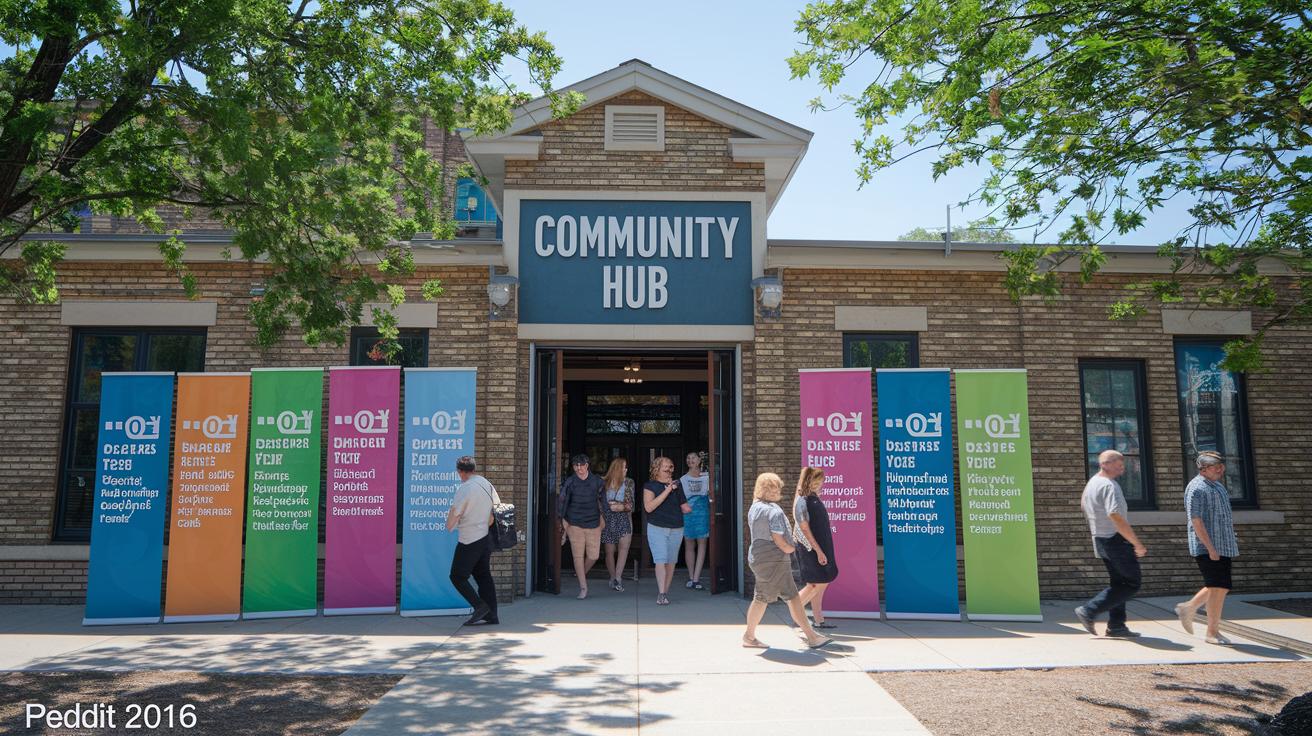
Community hubs are all about bringing people together. They throw a mix of events and programs that help locals learn, share, and connect. Think of it as a chill spot where everyone, from budding entrepreneurs to lifelong locals, feels like they truly belong.
These hubs cover loads of activities. You might find hands-on skill classes, personal growth workshops, and sessions that encourage everyone to pitch in. It’s all about building unity and tackling everyday issues in the neighborhood while bridging gaps between different groups.
Take the youth entrepreneurship platform, for example. It gives local talent the real-world business tips they need. There are also gender equality sessions where folks can talk openly about respect and fairness, plus diversity workshops that build understanding. And then there are mental health groups that offer a safe space to share struggles and recharge. Impact measurement clinics even show just how much of a difference these programs make. Hubs like TCH in Egypt, which launched in 2019 and already have over 2,000 young members, keep inspiring fresh ideas and strengthening local bonds.
Connecting with Your Neighborhood Community Hub
Want to join in on the local action? Start by checking out your nearby community center or service hub. Use your preferred online directory or local government listing to find a spot that fits your interests or matches your skill set. Think of it as gearing up for a big boss fight, knowing your target makes the journey smoother.
| Hub Location | Services | Contact Info |
|---|---|---|
| Downtown Center | Food Bank, Health Services, Workshops | 555-1234 |
| Westside Hub | Youth Programs, Care Coordination | 555-5678 |
| East End Center | Volunteer Sign-ups, Local Events | 555-9012 |
Jumping into volunteer portals and local directories is a quick way to get started. It helps you share your skills while adding some extra energy and connection to your community. It's like hitting that sweet combo that brings everyone together.
Final Words
In the action, we broke down how a community hub connects residents with vital resources and interactive tools. We covered its definition, key services like community calendars and digital platforms, plus practical ways to set one up.
These insights serve as a guide for transforming local spaces into thriving centers of collaboration. The blog reminds us that every small step in building a better community hub can lead to big, positive changes. Keep pushing your limits and enjoy leveling up your network!
FAQ
What is a community hub?
A community hub is a central space—physical or online—that brings neighbors together to share information, events, and resources while offering support and creating local bonds.
What are the benefits of a community hub?
A community hub boosts collaboration by coordinating services and events, making it easier for residents to connect, share resources, and work together for a stronger neighborhood link.
What is an example of a neighborhood hub or community wellness hub?
A neighborhood hub might be a local center hosting fitness classes, mental health sessions, and social events, combining wellness programs with community support to improve overall resident well-being.
What other names or synonyms are used for a community hub?
Alternate terms like local center, public resource network, or outreach center refer to similar spaces that encourage community interaction and provide essential local services.
What are some examples of community hubs like KNIME, Purdue, or HRC?
Examples such as Community Hub KNIME, Purdue, and HRC show diverse approaches to connecting residents, each offering unique services and events designed to boost community engagement.
What is typically included in a community hub menu?
A community hub menu often lists services like event calendars, digital signage updates, and resource directories, giving residents a quick view of what’s available to support local engagement.
How do I find a community hub near me?
You can locate a community hub by exploring local resource directories or municipal portals that list nearby centers, complete with contact details, service information, and event schedules.
What is community hub architecture?
Community hub architecture refers to the design and layout of these spaces, combining open areas for interaction with designated zones for services, ensuring accessibility and flexible use for everyone.