

Ever wonder why every game matters in a tournament where each team battles every other team? Round robin tournaments set up matchups so that every team gets a fresh shot to shine. Each game plays a big part in the final rankings.
Whether you’re cheering for your favorite team or planning your own bracket, this system makes things fair and keeps the thrill alive. Stick around to see how this format levels the playing field and keeps everyone in the fight.
what is a round robin tournament: Exciting Format
A round robin tournament is a way for every team or player to go head-to-head with all the other competitors at least once. That means every match can change the overall ranking, and each game really counts. Imagine a four-team setup where six matches are played, each team faces the others, showing off their skills in every round.
To figure out how many games are played, you can use a simple formula: n*(n–1)/2. In other words, if there are n teams, every team plays one match against each other, keeping things balanced.
Here are five easy points to remember:
- Every team gets to play against all the others.
- The number of games is set by the formula n*(n–1)/2.
- This format gives everyone a fair shot since one loss isn’t the end.
- It's popular for sports leagues and group stages where fair play matters.
- With lots of teams, the number of games can add up, which might make scheduling a bit tricky.
This setup not only shows a clear ranking of skills but also gives teams a chance to bounce back after an early loss. Still, planning all the matches can be a challenge when there are many competitors to juggle.
Round Robin Tournament Scheduling and Fixture Planning
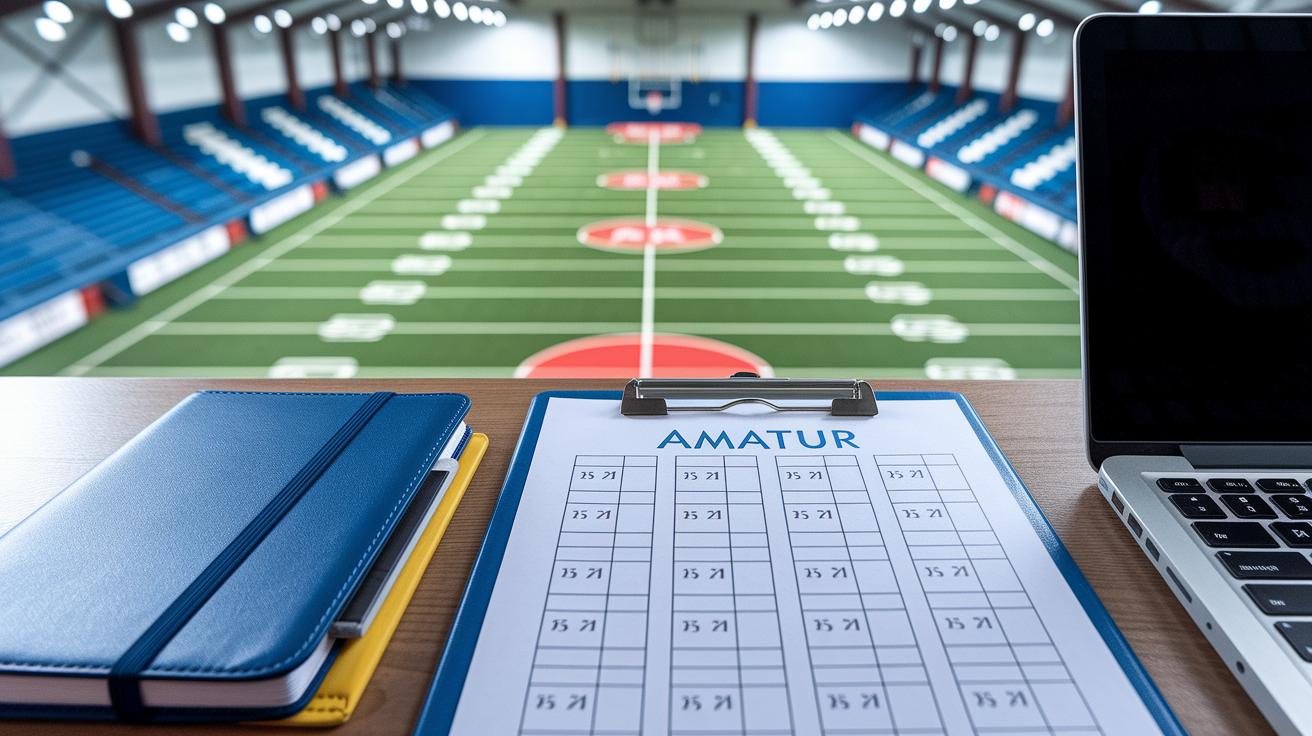
When you dive into a round robin tournament, every team goes head-to-head with every other team. That means nailing the schedule is a big deal. Organizers often set up game rotations using online tools or simple spreadsheets (think of these as trusty sidekicks) to line everything up perfectly so no match overlaps or drags on too long.
| Round | Matchup | Notes |
|---|---|---|
| 1 | Team A vs Team B | Kickoff match |
| 2 | Team C vs Team D | Early rivalry game |
| 3 | Team A vs Team C | Close contenders meet |
But let’s be real, it gets a bit tricky with a big roster. Handling the game rotation precisely is key, and sometimes organizers lean on online generators to dodge any scheduling hiccups. By plotting out each round with clear matchups and times, every team gets its moment in the spotlight, and the event runs like a pro play.
Benefits and Drawbacks of the Round Robin Tournament System
The round robin setup is all about giving everyone a fair shot. Every team or player gets to play against each other, so one loss won't knock you out of the game. It’s like a strategy session in your favorite game where every move counts.
But here’s the twist: managing all these matches can become a bit of a grind. Imagine organizing your game rotations, you need to plan carefully, and even a tiny mistake can mess up your schedule.
Let’s break it down:
| Advantage | Description |
|---|---|
| Fair Play | Every competitor plays against each other, so performance is clear. |
| Safety Net | A single loss won’t mess up your overall ranking. |
| Time-Consuming | The format demands many matches, which can stretch out the schedule. |
| Resource Demanding | Planning the rotations and keeping track of everything needs a lot of effort. |
Real-World Applications and Examples of Round Robin Tournament Formats

Round robin tournaments keep things fair and square in real-life competitions. In this setup, every team or player faces off against every other one, just like testing out all your favorite weapons to see which really fires on all cylinders. It works great when you need to rank everyone because it gives a full picture of how each competitor performs.
Take a look at these classic examples:
| Example | Description |
|---|---|
| International Soccer | Every team in a group plays against the others during the group stage. |
| Chess Tournaments | Each player challenges every opponent to show their skills. |
| Local Sports Leagues | Teams face each other for a complete view of performance over the season. |
But round robin isn’t just for traditional sports. Many eSports events and gaming meetups use this format too. In these contests, the schedule is planned out like a careful strategy before a big boss fight so that everyone gets a fair shot. Each match counts, making the whole event feel balanced and exciting.
Ever felt that rush when every game moment matters? That’s the magic of a round robin tournament.
Final Words
In the action, we've seen what is a round robin tournament and its inner workings. The article broke down the format, shared scheduling tips, and weighed benefits versus challenges. We even looked at how this setup plays out in events from sports to chess. Your take? A clear, fair system that, despite complex scheduling, offers every competitor a shot at the spotlight. Keep strategizing and leveling up your gameplay, each match brings new insights and wins.
FAQ
What is a round robin tournament format?
The round robin tournament format is a system where every team or player faces each other. This setup ensures no one gets left out and helps rank competitors based on all matchups.
How is the total number of games calculated in a round robin tournament?
The round robin tournament calculates games with the formula n*(n-1)/2, meaning every team’s matchup is counted once. This method provides clear details on the number of fixtures.
What are some key benefits of a round robin tournament?
The round robin system benefits fair play by letting every competitor face all others. It gives a complete performance review while reducing the impact of one loss on overall standings.
What scheduling tools can help manage round robin tournaments?
Round robin tournaments often use pairing calculators, online generator tools, and spreadsheets to create fixtures. These tools make planning match rotations simpler and keep the schedule balanced.
What are some drawbacks of the round robin tournament system?
The round robin system can lead to many games, especially with more teams. This high volume may cause logistical challenges and longer tournament durations, sometimes stressing the organizers.