
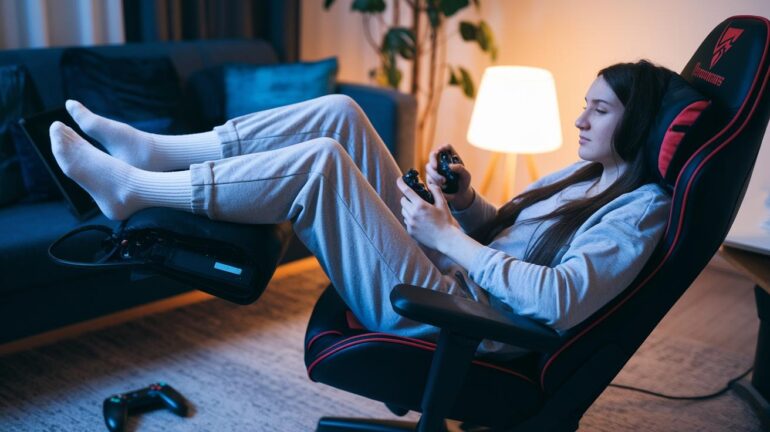
Ever feel like your legs are heavy or even numb after a long gaming session? It might sound odd, but sitting still for too long can slow your blood flow, kind of like a car engine running without a break.
Taking quick breaks to stretch or walk around can help get your blood moving again and ease that heavy feeling.
In this post, we share some easy moves and small changes that let you game on without sacrificing leg health. Ready to feel strong and keep playing?
Addressing Gamer Legs: Relieving Leg Pain, Numbness, and Circulation Issues
Ever notice how your legs start to feel off after a long gaming session? Sitting for hours can slow your blood flow, leaving your legs feeling heavy or even numb, kind of like a car left sitting in the garage too long. It happens because your muscles aren’t getting the workout they need to pump blood efficiently.
When you stay still too long, you could risk developing issues like deep vein thrombosis (a condition where clots form in the deeper veins). The warning signs are pain, swelling, or numbness in one leg. A gentle calf massage, a quick ankle spin, or simply pressing your toes up while you're still seated can really help boost your blood flow.
Even a short break, say, five minutes, can work wonders for your legs, almost like a race car pit stop before you hit the track again. If you start feeling any pain or weird sensations, it’s a good idea to stand up, stretch, and take a little walk. A few leg movements, self-massages, and targeted stretches will ease the strain from those long sessions, keeping you ready for your next gaming adventure.
Enhancing Gamer Legs Health: Ergonomics, Seating, and Equipment Adjustments
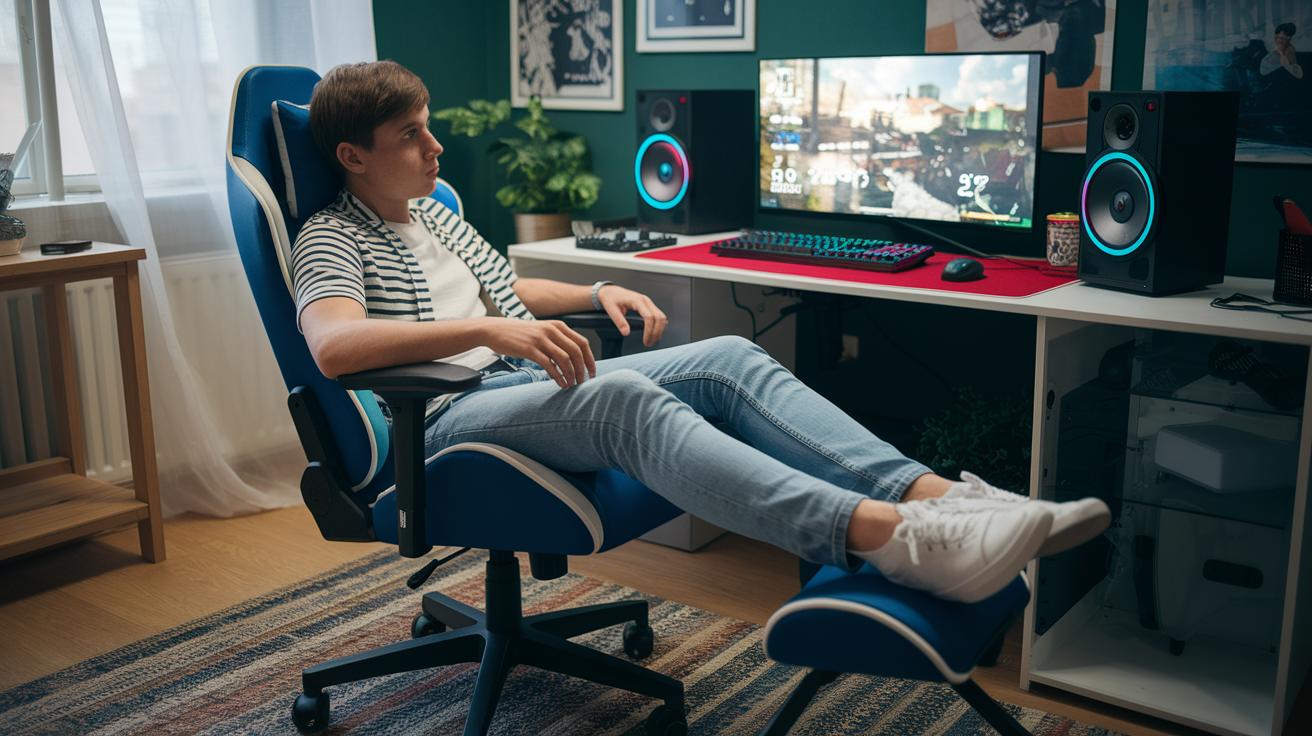
Upgrading your gaming setup can really change the game for your legs when you’re in long sessions. Switching to a chair that’s built for gamers not only brings comfort but also supports your lower body, encouraging movement and proper posture. It’s like finding a secret bonus level where every long play feels a bit easier. These chairs come with built-in lumbar support and adjustable settings that help align your posture and reduce leg strain.
Adding a few accessories can also give your legs a boost. Under-desk pedal exercisers, like the FlexCycle, let you keep small movements going even during those intense gaming moments. Setting up a footrest or posture aid can help balance your weight and keep the blood flowing in your legs. Imagine casually pedaling while you game, keeping your legs active without missing a beat. These small tweaks can ease discomfort and lower the risk of circulation issues.
Sometimes, investing in the right gear is all you need. Gamers often chat about how ergonomic chairs, footrests, and posture aids help combat the downsides of sitting too long. Together, these adjustments boost blood flow in your lower body and create a smoother, more comfortable gaming experience. It’s like power-upping your comfort, giving your legs the support they need to stay strong and ready for the next match.
Gamer Legs: Feel Strong and Comfortable
Ever notice how long gaming sessions can make your legs feel like they're under heavy pressure? Sitting for hours might leave you with stiff muscles and poor circulation. Taking quick exercise breaks is like hitting a power-up for your legs, it helps them relax, improves blood flow, and cuts down on that nagging tightness. Studies back this up: even a few simple moves can ease muscle tension and boost how well you move.
Try this routine next time you play:
- Start by warming up with light leg movements.
- Do a set of calf raises.
- Try seated leg extensions.
- Follow up with some targeted stretches.
- End with a cool-down leg massage.
This sequence is like a mini-game for your muscles. First, you get them awake and ready, then strengthen key spots like your calves and thighs, and finally, you let them recover with a massage, kind of like using a health boost when your character is low on life. Regularly taking these breaks can make a huge difference, keeping your legs feeling strong, comfortable, and ready for the next round.
Gamer Legs Culture: Community Insights and Humor on Leg Discomfort
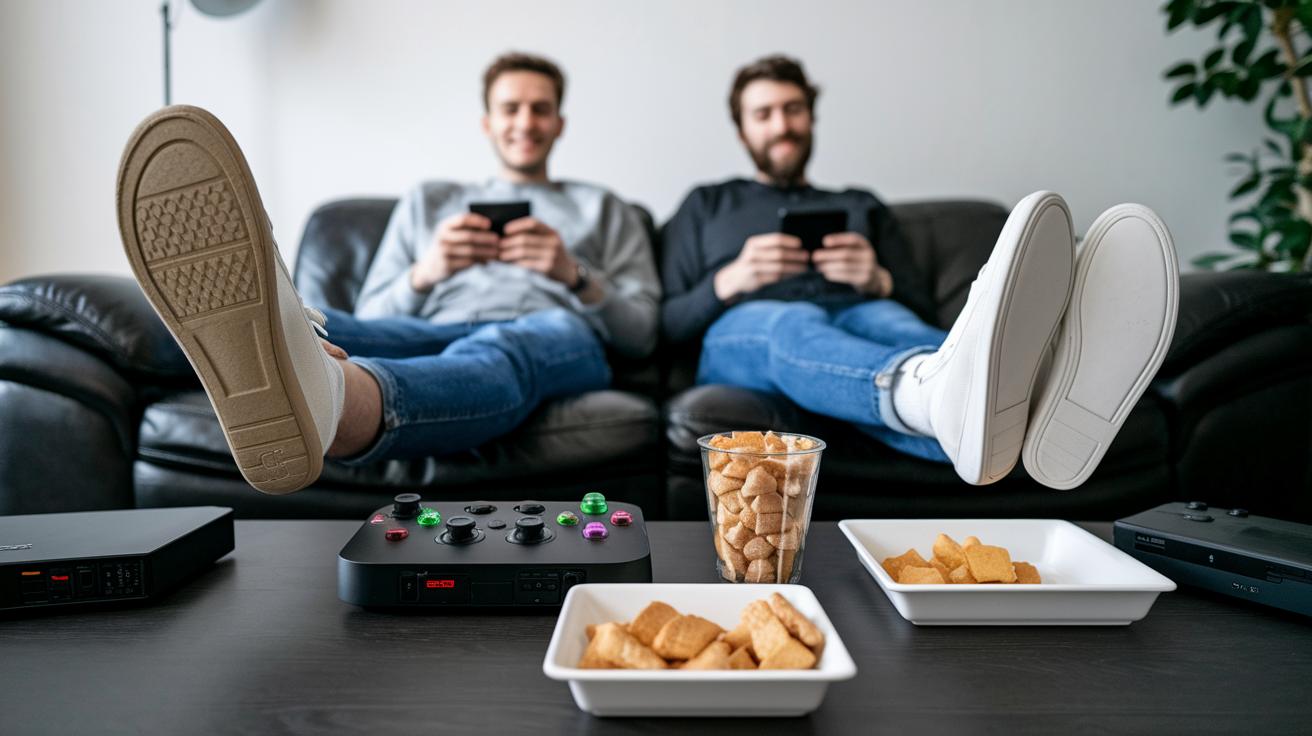
Gamers everywhere are swapping real-life, funny stories about leg aches after marathon game sessions. You often see a meme saying, "My legs are in sleep mode," which shows even the most hardcore players feel the burn. One post joked, "Leg pain is just my avatar's way of telling me I need a break." People share simple tips like stretching or giving their legs a quick massage to keep things fun and practical.
Players also share quick fixes like setting a timer for a mini break or doing a fast calf squeeze before the next round. It turns what could be a pain into a lighthearted chat where everyone knows the struggle. It’s like being part of a secret club where even the toughest gamers smile at that familiar twinge. These relatable and humorous exchanges not only make you laugh but also remind you to take care of your legs while still enjoying the game.
Gamer Legs Alert: Recognizing Warning Signs and When to Seek Medical Guidance
Sitting for hours during your gaming marathons can really take a toll on your legs. Long sessions might lead to deep vein thrombosis, which means you could experience swelling, sharp pain, or even sudden changes in one leg. These symptoms are a sign that all that sitting might be hurting your leg health. Sometimes, you might also notice signs of irritated blood vessels in your legs. If you start feeling unusual pain or see more swelling than usual, it’s time to think about getting checked out, even if the discomfort seems light at first. A quick ultrasound is usually advised for anyone who might be at risk.
Noticing these warning signs early can go a long way. If your leg pain gets worse or appears all of a sudden, touching base with a healthcare professional should be your next move. Sometimes, specific tests (like an ICD-10 diagnosis, which is just a coding system for medical issues) can help figure out what’s going on from all that sitting. Getting help quickly is important to stop any serious problems before they take hold. Taking that proactive step keeps your legs in check, letting you game on without worry.
Final Words
In the action, we explored how to ease leg pain and boost circulation during long gaming sessions. We broke down tips for setting up ergonomic gear, fitting in quick stretches, and even a five-step exercise to keep your legs active.
We also shared community banter and real warning signs that prompt you to check in with a doctor when needed. Keep applying these tips and take care of your gamer legs for a healthier, more fun play every time.
FAQ
What does gamer legs mean, and why are they discussed on Reddit?
Gamer legs mean leg pain, numbness, and poor circulation from long hours of sitting. This term is widely discussed on Reddit as gamers share their experiences and tips to ease discomfort and reduce risks.
What is Marn’s leg or Whang Gamer Leg?
Marn’s leg and Whang Gamer Leg are playful terms used in gaming circles to describe the leg pain and numbness picked up during extended play sessions. They’re not formal diagnoses but nods to shared struggles.
What does gamer neck refer to?
Gamer neck refers to neck pain and stiffness resulting from poor head and shoulder alignment during long gaming sessions. Adjusting your seating and taking breaks can help ease these symptoms.
Why do gamers get carpal tunnel?
Gamers get carpal tunnel due to repetitive wrist movements and prolonged pressure from game controllers. This stress can irritate the median nerve, leading to pain and reduced hand function.
What is gamer posture?
Gamer posture means sitting with a neutral alignment that minimizes strain on your neck and back. Good posture helps improve circulation and reduces discomfort during long gaming sessions.
How can gamers prevent blood clots?
Gamers can prevent blood clots by taking frequent breaks, doing leg exercises, and giving themselves a self-calf massage to boost circulation. This helps lower the risk of deep vein thrombosis.