
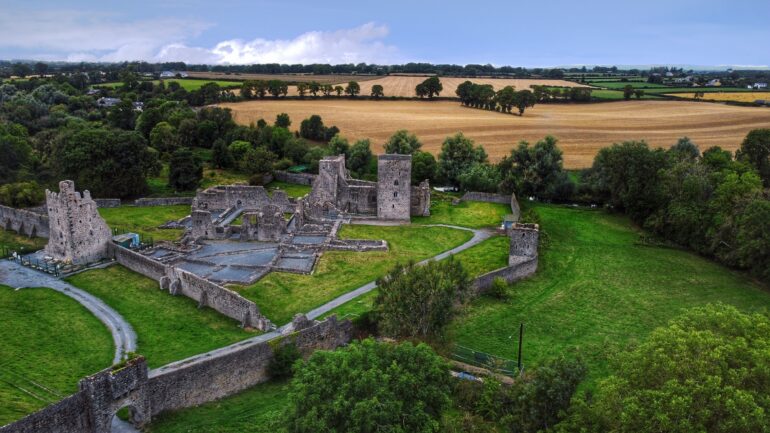
Ireland has no shortage of dramatic castles, lively pubs and windswept coastal viewpoints. However, the country is also an excellent destination for curious travelers who enjoy archaeology, astronomy, engineering, folklore and wonderfully specific museums.
These nerdy things to do in Ireland go beyond the standard sightseeing checklist. You can inspect prehistoric carvings, study preserved bog bodies, explore railway history and spend an evening beneath some of Europe’s darkest skies.
You do not need to be an expert to enjoy them. A willingness to read every information panel is more than enough.
Quick Guide to Ireland’s Best Nerdy Attractions
| Experience | Location | Best For | Allow |
|---|---|---|---|
| National Museum of Ireland | Dublin | Archaeology and ancient artifacts | 2 to 3 hours |
| Brú na Bóinne | County Meath | Prehistoric engineering | Half a day |
| Mayo Dark Sky Park | County Mayo | Astronomy and stargazing | One evening |
| Valentia Island | County Kerry | Weather and communications history | Half a day |
| Casino Model Railway Museum | Malahide | Trains and miniature engineering | 1 to 2 hours |
| Birr Castle Demesne | County Offaly | Historic science and astronomy | 2 to 3 hours |
1. Examine Ireland’s Archaeological Treasures in Dublin
The National Museum of Ireland’s archaeology collection is one of the best starting points for understanding Ireland’s ancient past. Its exhibitions cover prehistoric Ireland, Viking settlements, medieval craftsmanship and ceremonial objects created thousands of years ago.
The museum’s collection of preserved bog bodies is particularly memorable. The natural chemistry of peat bogs preserved skin, hair and other details that would normally have disappeared centuries ago. Nearby displays explain what researchers have learned about the individuals, their diets and the societies in which they lived.
Admission to the National Museum of Ireland Archaeology is free, making it an easy addition to a Dublin itinerary.
2. Study Stone Age Engineering at Brú na Bóinne
Newgrange is often described simply as an ancient tomb, but that barely captures what makes it remarkable. The monument was built more than 5,000 years ago using carefully positioned stones, some of which were transported over considerable distances.
Its passage was designed so that sunlight enters the inner chamber around the winter solstice. That precise alignment makes Newgrange an extraordinary example of prehistoric planning, astronomy and construction.
Visits to Newgrange and Knowth begin at the official Brú na Bóinne Visitor Centre. Guided-tour spaces can fill quickly, so advance booking is sensible.
3. Go Stargazing in Mayo Dark Sky Park
City residents can easily forget how crowded the night sky becomes when artificial light disappears. Mayo Dark Sky Park, within Wild Nephin National Park, offers the chance to see stars, planets and meteor showers in exceptionally dark conditions.
You may be able to identify familiar constellations with the naked eye, while binoculars reveal star clusters and details that are normally lost to light pollution. Dedicated stargazers can bring a telescope, although it is not essential.
- Bring a red-light torch to protect your night vision.
- Wear warm, waterproof layers, even during summer.
- Check the cloud forecast before making a long journey.
- Give your eyes at least 20 minutes to adjust to the darkness.
The National Parks and Wildlife Service describes the park as Ireland’s first Dark Sky Park and notes the exceptional quality of its night sky.
4. Discover Ireland’s Weather History on Valentia Island
Valentia Island is known for Atlantic scenery, but it also has an unexpectedly important place in scientific and communications history. The area has been associated with long-term weather observations, early transatlantic communication and the study of Ireland’s changing climate.
Valentia Observatory has recorded weather conditions for more than a century. Its lengthy record helps meteorologists compare present-day temperatures and rainfall with historical patterns. Met Éireann has recognized Valentia as a Centennial Observing Station, highlighting the value of its continuous measurements.
While exploring the island, you can also learn about the first successful transatlantic telegraph cable, which connected Europe and North America and dramatically reduced the time required to send information across the ocean.
5. Visit the Giant Telescope at Birr Castle
During the 19th century, Birr Castle became one of the most important places in the world for astronomical observation. Its enormous telescope, known as the Leviathan of Parsonstown, was once the largest telescope on Earth.
The instrument allowed astronomers to study distant objects in greater detail than had previously been possible. Observations made at Birr contributed to the developing understanding of spiral-shaped nebulae, which scientists later recognized as distant galaxies.
The reconstructed telescope remains an impressive sight. Its vast wooden supports and metal tube demonstrate how much mechanical engineering was required before computerized tracking systems and modern observatories.
6. Explore Miniature Railways in Malahide
The Casino Model Railway Museum in Malahide contains detailed models from the Fry railway collection. The layouts reproduce stations, bridges, locomotives and historic rail routes on a miniature scale.
It is a satisfying stop for train enthusiasts, model builders and anyone who appreciates tiny objects created with unreasonable levels of precision. Its location near Malahide railway station also makes it an easy trip from central Dublin.
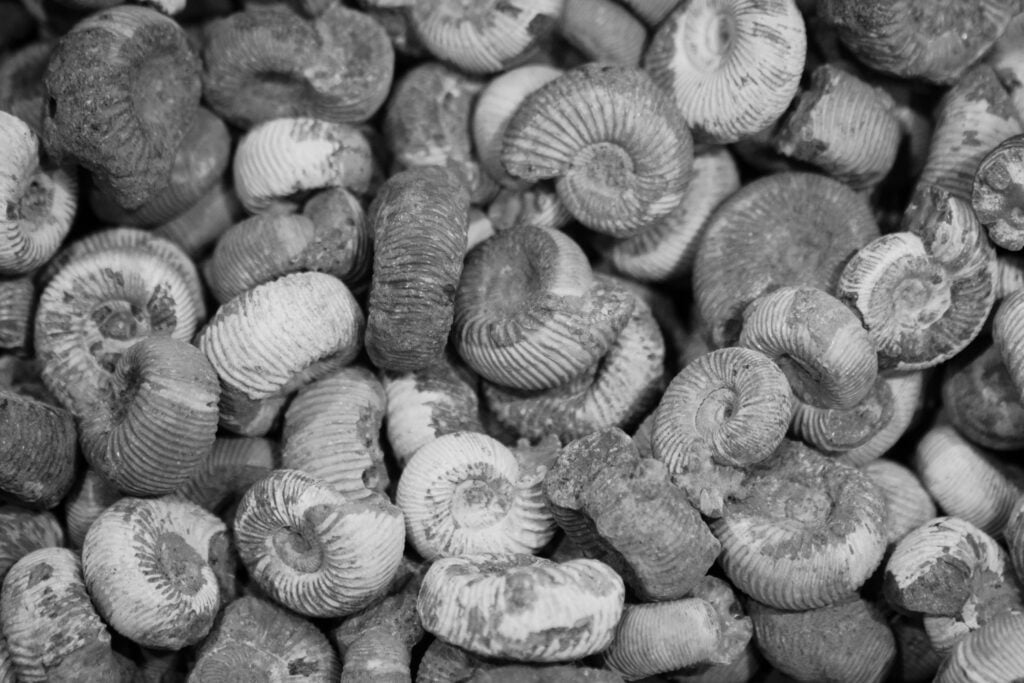
7. Search for Fossils Along the Coast
Ireland’s coastline contains visible layers of geological history, particularly in areas with exposed limestone. Fossil hunting can turn an ordinary coastal walk into a slow-moving scientific expedition.
Look for patterns left by ancient marine creatures, including shell shapes and coral-like structures embedded in rock. Fossils should be observed responsibly. Avoid damaging rock faces, entering unstable areas or removing material from protected sites.
8. Decode the Carvings at Knowth
Knowth receives less attention than neighboring Newgrange, but its carved stones are arguably even more appealing to history enthusiasts. The site contains an extraordinary concentration of megalithic art, including spirals, circles, zigzags and geometric patterns.
No one can say with certainty what every symbol meant. They may have represented astronomical observations, spiritual beliefs, territorial markers or ideas that no longer have a modern equivalent. Trying to interpret them is part of the fun.
9. Trace Your Irish Family History
Genealogy can easily consume an entire afternoon, particularly once parish records, census documents and historical maps become involved. Ireland has several archives and local heritage centres where visitors can begin investigating family connections.
Before arriving, collect as much information as possible about names, approximate birth dates, occupations, religions and counties of origin. Searching for “John Murphy from Ireland” is unlikely to produce a relaxing day.
10. Walk Through a Landscape Shaped by Limestone
The Burren in County Clare is one of Ireland’s most distinctive geological regions. Its exposed limestone pavement is divided by deep cracks, creating a landscape that can resemble an enormous natural grid.
The geology also supports an unusual combination of plants. Arctic, alpine and Mediterranean species can grow surprisingly close together because of the area’s soil, climate and limestone environment.
11. Investigate Ireland’s Castles Properly
Rather than photographing a castle and immediately leaving, spend time examining how it functioned. Look for defensive walls, arrow loops, gatehouses, spiral staircases and changes in masonry that reveal where structures were expanded.
Guided tours can explain why staircases twisted in particular directions, how rooms were heated and where defenders would have gathered during an attack. Once you understand these features, ruined castles become much easier to read.
12. Build an Entire Nerdy Ireland Road Trip
The easiest way to combine these experiences is to choose a few regional bases rather than changing accommodation every night. Dublin works well for museums and railway history, County Meath provides access to major archaeological sites, and Mayo is ideal for dark skies and remote landscapes.
Kerry can then add weather science, telecommunications history and dramatic Atlantic scenery. For help choosing practical bases between these stops, this guide to things to do in Ireland, where to stay and places to visit provides a useful starting point.
Tips for Planning a Nerdy Trip Around Ireland
- Book major archaeological attractions early, particularly during summer.
- Leave extra time for museums because one interesting display can derail your entire schedule.
- Download maps before visiting remote areas with limited mobile coverage.
- Carry waterproof clothing for outdoor observatories, ruins and geological sites.
- Check official websites for opening hours, access restrictions and seasonal tours.
Final Thoughts
The best nerdy things to do in Ireland reveal a country shaped by scientific discovery, prehistoric engineering, natural forces and centuries of detailed recordkeeping.
You can stand inside a monument aligned with the winter sun, examine artifacts preserved in peat, study a telescope that changed astronomy and watch the Milky Way appear above a national park.
Ireland’s famous scenery may get you through the door, but its strangest facts, smallest details and biggest unanswered questions may become the parts of the trip you remember most.