
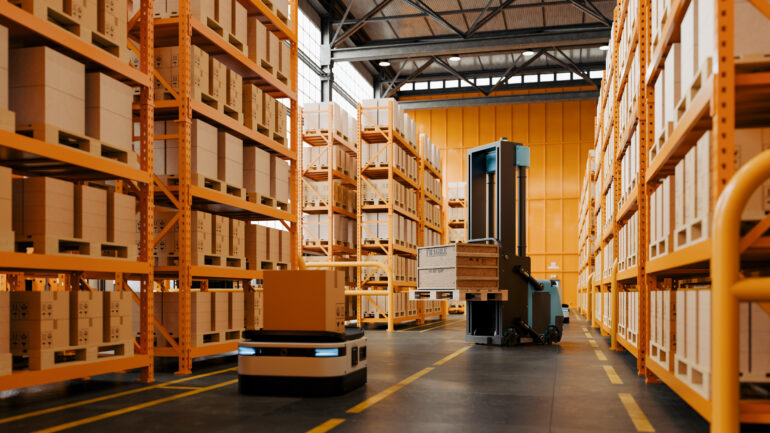
Running a warehouse or distribution center is a constant balancing act. When operations are humming, everything looks effortless. But behind the scenes, IT issues can quietly chip away at productivity, costing teams time, money, and customer trust. Here are seven common IT problems that hold warehouse and distribution teams back — and why addressing them matters.
1. Unreliable Wi-Fi Coverage
Dead zones and spotty connectivity bring handheld scanners, mobile devices, and warehouse management systems to a halt. When workers lose their connection mid-task, errors multiply and workflows stall. Consistent, facility-wide wireless coverage is the backbone of modern warehouse operations.
2. Outdated Hardware
Aging computers, barcode scanners, and printers may technically still function, but they slow everything down. Slow boot times, frequent crashes, and incompatibility with newer software create frustrating bottlenecks that ripple across the entire operation. Modern IT solutions help ensure hardware keeps pace with operational demands.
3. Disconnected Systems
When your warehouse management system doesn’t communicate with your inventory software or shipping platform, staff are forced to manually re-enter data. This duplication isn’t just tedious — it’s a direct path to costly errors and delays. Integrated IT solutions eliminate the gaps that disconnected systems create.
4. Poor Cybersecurity Practices
Distribution centers handle sensitive data — customer information, shipment details, vendor contracts. Without proper security protocols in place, this data is vulnerable. Phishing attacks, ransomware, and unauthorized access can bring operations to a complete standstill. Proactive cybersecurity is no longer optional; it’s essential.
5. Inadequate IT Support
When a critical system goes down during a peak shipping period, every minute of downtime has real consequences. Teams that lack dedicated or responsive IT support are left scrambling, relying on workarounds that create further complications. Fast, knowledgeable support keeps disruptions short and manageable.
6. Slow or Unreliable Internet Connectivity
Cloud-based platforms, real-time inventory tracking, and digital communication tools all depend on a stable internet connection. Slow or inconsistent internet doesn’t just frustrate employees — it delays order fulfillment and creates a ripple effect throughout the supply chain. A reliable, high-speed connection is no longer a nice-to-have.
7. Lack of Scalable Infrastructure
Distribution centers grow. Seasonal surges, new product lines, and expanding routes put pressure on existing IT infrastructure. Systems that weren’t designed to scale become roadblocks when capacity increases. Without a flexible, scalable IT foundation, growth becomes harder to manage rather than easier.
The Bottom Line
These aren’t minor inconveniences. Each of these IT problems directly impacts order accuracy, team efficiency, and the ability to meet customer expectations. The good news is that they’re all solvable.
Partnering with the right IT solutions provider means warehouse and distribution teams get proactive support, modern infrastructure, and systems that are built to handle the demands of the job. Whether it’s upgrading connectivity, integrating platforms, or locking down cybersecurity, the right IT strategy turns these pain points into a competitive advantage.
If your team is dealing with any of these challenges, it’s worth taking a closer look at what better IT support could do for your operation.