
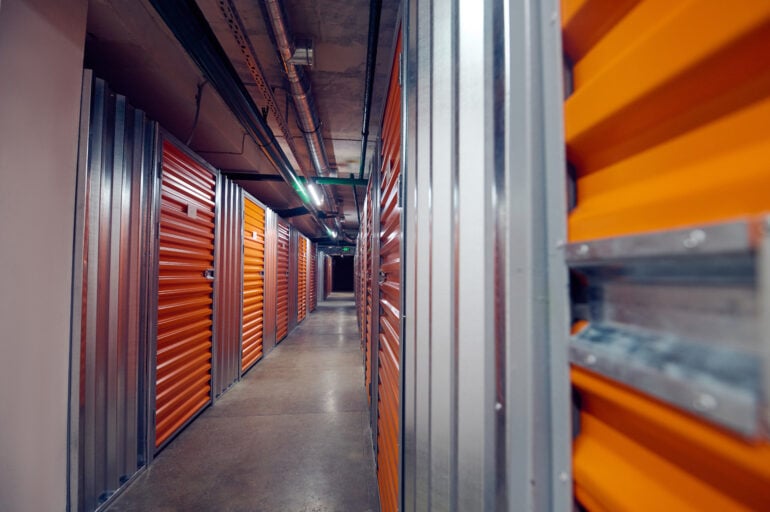
If you’re renting a storage unit for the first time, you might wonder whether the facility provides a lock — or if you need to bring your own. It’s a fair question, and the answer matters more than you might think. Security isn’t something to leave to chance, especially when you’re storing valuables, furniture, documents, or anything else you actually care about.
Here’s what you need to know.
Does the Facility Provide a Lock?
Most storage facilities do not provide a lock as part of your rental agreement. You’re typically responsible for securing your own unit. Some facilities sell locks on-site, which is convenient but not always the most cost-effective option. Others may include a basic lock with certain rental packages, but this isn’t the norm.
The bottom line: don’t assume a lock will be waiting for you. Check with the facility before your move-in date so you’re not caught off guard.
Why You Should Use Your Own Lock
Using your own lock gives you control. When you supply the lock, you hold the only key — and that’s exactly how it should be. You know the lock’s history, its quality, and who has access to it.
A lock provided by the facility or purchased from an unknown source introduces variables you can’t account for. Even well-run storage facilities benefit from a tenant who takes personal responsibility for their unit’s security.
What Type of Lock Should You Use?
Not all locks are created equal. The type of lock you choose can make a real difference.
- Disc locks are widely recommended for storage units. Their round shape makes them difficult to cut with bolt cutters, and they fit most standard hasp latches found on roll-up unit doors.
- Padlocks are common and widely available, but quality varies. Look for hardened steel shackles and pick-resistant cylinders if you go this route.
- Cylinder locks are built directly into the door latch on some unit types, offering a clean, tamper-resistant option when compatible.
Avoid cheap, lightweight locks. They might look functional, but they offer minimal resistance against anyone determined to break in.
Can the Facility Access Your Unit?
This is where things get important. Storage facilities typically retain the legal right to access your rented storage unit under specific circumstances — such as non-payment, emergencies, or legal requirements. However, the day-to-day reality is that your lock is your barrier. The facility shouldn’t need to access your unit outside of those situations.
Read your rental agreement carefully. It should outline when and how the facility can enter your unit, what notice they’re required to give, and under what conditions they might cut your lock. Being informed protects you.
A Few Extra Security Tips
Beyond the lock itself, a few habits can go a long way:
- Don’t share your access code or key with anyone you don’t fully trust.
- Inspect your unit and lock each visit to make sure nothing looks tampered with.
- Choose a facility with good lighting and surveillance cameras, since a strong lock works best as part of a broader security environment.
- Consider insurance for the items you’re storing, because even the best lock isn’t a guarantee against every scenario.
The Short Answer
Yes — you need your own lock for a storage unit. Don’t rely on the facility to provide one, and don’t cut corners on quality. A solid lock is a small investment compared to the value of what you’re protecting. Take ownership of your unit’s security from day one, and you’ll have one less thing to worry about.