

Ever think hitting pause might be your secret weapon? Pro gamers know a quick break after each match clears the mind and gives a fresh look at what went down. They break down wins and mistakes to spot cool patterns that boost their skills. Clear recordings and honest feedback turn every match into a learning chance. Ready to see how a pause can level up your game?
Structured Self-Review Workflow for Competitive Gameplay Improvement
A solid self-review routine can seriously ramp up your game. After each match, take a break for about 10 to 20 minutes to cool off. This pause helps you clear your head so you can look at your gameplay with fresh eyes.
Approaching your game like this builds mental toughness. When you split your performance into wins and mistakes, you start to see patterns that you might miss otherwise. These regular, quick reviews turn ordinary matches into awesome learning opportunities.
-
Emotional cooldown period before analysis
(Take a short break after each game so your feelings settle.) -
Record both highlights and full-match footage
(Capture both key moments and the entire match for a complete review.) -
Objective identification of errors and strengths across mechanical, decision, and tactical areas
(Break down your play step by step without any bias.) -
Categorize mistakes and assign performance metrics
(Sort out the errors and rate your performance in different areas.) -
Set SMART goals and schedule follow-up reviews
(Establish clear, measurable targets and check in on your progress regularly.)
Stick with these steps and watch your competitive play steadily improve. Over time, your game clips will turn into valuable insights. You might even want to explore extra mental game resources like audio CDs, free eBooks, tests, or surveys to dive deeper. For more ideas on setting cool and realistic improvement goals, check out Optimize Ladder Performance in Games.
Recording and Capturing Gameplay for Effective Self-Review
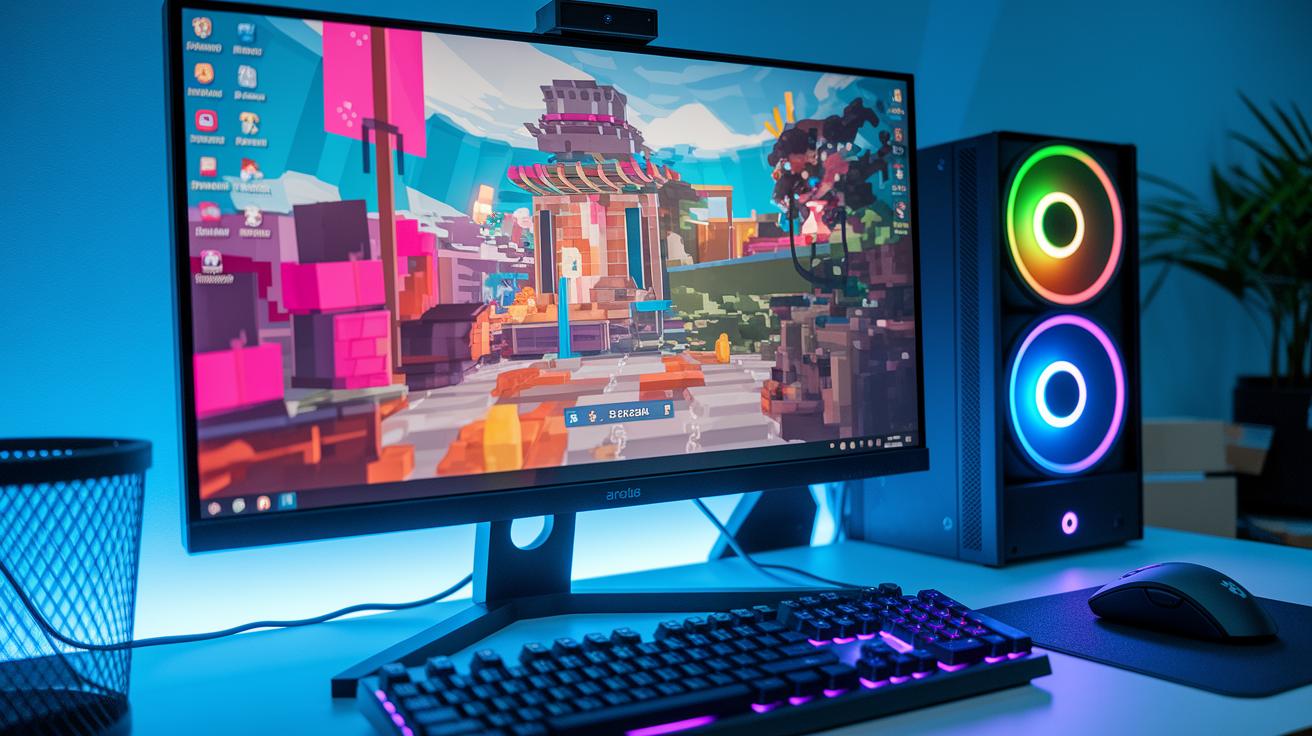
When you're looking to up your game, clear footage is a must. Crisp visuals let you catch every move and decision in real time. It’s like watching your gameplay in slow motion to spot both your epic wins and those slip-ups that could cost you.
| Setting | Recommendation |
|---|---|
| Resolution | 1080p or higher |
| Frame Rate | 60 fps+ for extra accuracy |
| Input Overlay | Display mouse clicks and keystrokes (to see your actions clearly) |
| Timestamp Sync | Keep video and performance data in line |
Staying organized is key. Save your clips in a folder by date or session, think of it as your personal highlight library. That way, when you need to review a clutch play or learn from a tough loss, it’s always at your fingertips. And don’t forget to back up those crucial moments so you never lose your progress.
By capturing every detail of your gameplay, you get a clear picture of your performance. This lets you fine-tune your strategies and build up skills that can truly make a difference in your next match.
Analyzing Key Performance Metrics in Competitive Play
Numbers give you a real, clear look at how you do in your matches. They show where your game is on fire and where you might need a little practice. Breaking down the main stats lets you see how you stack up against tough benchmarks. Think of these figures like your game's scoreboard, straightforward and honest. For example, your K/D ratio tells you how many kills you get versus how many times you get taken out, while APM (Actions-Per-Minute, meaning the number of moves you make per minute) shows how fast you’re playing.
| Metric | Typical Benchmark | Your Score |
|---|---|---|
| K/D Ratio | Above 1.5 | |
| Accuracy | 70% or higher | |
| APM | 150+ actions | |
| Reaction Time | Under 250ms | |
| Objective Control Efficiency | Depends on role |
Checking how your numbers match up against these benchmarks makes it easy to spot wins and gaps. When one stat falls short, it’s like a heads-up that you could sharpen that part of your game with some focused practice. Over time, watching these figures helps you see your progress or notice if a challenge keeps coming back. And if you're into making these reviews automatic, you might want to check out Implementing Real-Time Game Analytics Systems for more tips on setting it up.
Identifying Strengths and Weaknesses Through Tactical Error Analysis

Want to boost your game? The trick is to look deeply at every mistake as a chance to learn. When you break down what went wrong, you see exactly which part of your play needs a fix.
These are some common error types:
- Mechanical errors
- Decision errors
- Positioning errors
- Resource-management errors
Ever noticed how certain mistakes keep showing up? Check your match replay and mark those moments when a poor choice set you back or when a bold move paid off big time. You might see you rush decisions when the clock is ticking or get stuck when an opening appears. Try mapping these key moments on a timeline or overlaying them on your gameplay footage. This clear view helps you plan focused practice sessions.
By digging into your mistakes, you start to understand your play style better. This insight lets you boost your strengths and fix recurring errors, turning every match into a real chance to level up your competitive edge.
Leveraging Mental Training and Reflective Journaling for Gameplay Insights
If you’re aiming to level up, keeping a clear and steady head is a total game-changer. When your mind’s in the zone, you can focus fully on the action without letting stress mess with your moves. You might use things like audio CDs or even a free eBook (yep, they exist) to build up your confidence. And keeping a journal to jot down your thoughts is a smart way to cut through bias and track your feelings alongside your gameplay decisions.
Think about these:
- Write down times when a bold move worked because you trusted your gut.
- Note moments of hesitation so you can later figure out what sparked that doubt.
- Highlight the in-game choices that made a win possible or got you out of a sticky spot.
- Mark the habits or moves that kept tripping you up so you can tweak your strategy.
Try setting aside just 15 to 30 minutes each week to review your journal. It’s like building your own playbook. You track your progress, spot recurring challenges, and plan your next steps. Before you know it, each review turns into a personal guide that’s ready to get you pumped for your next match.
Case Studies: Self-Review Techniques in Popular eSports Titles

CS:GO Crosshair and Utility Usage Analysis
Playing CS:GO means you need to check out your game clips. Watching replays lets you see if your crosshair was right on target when you met your foes and if you used your grenades and other tools smartly. For instance, you might spot that one grenade throw set up a hot push or left you wide open. Reviewing your spray and positions can show where you missed a key flashbang call. I once noticed my crosshair drifting during a heated fight, so now I practice keeping my aim steady even when the pressure is on.
League of Legends Skill-Order and Positioning Critique
League of Legends is all about nailing the right skill order and staying in the perfect spot. The replay tool helps you check out how you handle minion waves and decide when to roam. Sometimes, a misplayed skill order can cost you big time, like losing a key objective. Watching these moments can uncover better times to use your champion’s abilities. This makes your play more strategic instead of just reacting to what happens.
Tekken 7 Frame Data and Reaction Time Breakdown
In Tekken 7, every millisecond counts. Breaking down your rounds helps you pinpoint when your button presses are off or a combo doesn’t land. Spotting these little delays lets you train specific moves and speed up your reactions. It’s all about catching those tiny mistakes so you can swing back with a counter-attack right when it matters.
For a deeper dive, advanced review tools can offer real-time data and performance insights. Check out this guide for more tips: [Using Game Analytics for Esports Performance Optimization](https://sololadder.com
Tools and Software Recommendations for Autonomous Self-Assessment
Finding the right software can really boost your self-review game. The right tool helps you capture every move and gives you clear, number-based feedback so you know what works and where to improve. When you have solid data, you can focus your training on what matters most.
It’s smart to try out different tools before picking one. Each program comes with its own cool features, so test a few to see what fits your style. Software that offers steady video analysis and performance tracking is often a game changer for self-review.
- OBS Studio: A free tool that captures high-quality game footage without costing you a cent.
- Mobalytics: Breaks down your League of Legends performance (deep game stats) so you get detailed insights.
- Aim Lab: Provides custom drills for first-person shooters to boost your reaction time and aim.
- Generic Replay Analyzer: Versatile support across game types, ideal for rewatching your matches.
- Beast Mode Soccer+ App: Tracks soccer-specific stats to log key performance metrics.
A big tip is to integrate these tools into your regular practice sessions. Test each one to get comfortable with its interface. A trial period is perfect for figuring out which tool matches your training needs. By mapping your performance data, you not only build your confidence but also set clear goals for every session. Mixing automated coaching with your own review makes self-assessment both fun and super effective.
Final Words
In the action, you’ve seen how breaking down your match using a clear five-step process can boost your play. We explored the power of cool-down periods, crisp recording setups, metric analysis, targeted error breakdown, and tactical goal-setting.
Reviewing key performance data, tracking tactical choices, and reflecting through mental training all work together to push your gaming edge forward. Keep using self-review techniques for competitive gameplay improvement to build confidence and keep those wins coming.
FAQ
Q: What self-review techniques are effective for competitive gameplay improvement based on Reddit insights?
A: The self-review techniques recommended on Reddit boost competitive gameplay by suggesting an emotional cooldown after matches, careful replay analysis to pinpoint both strengths and errors, and clear goal-setting to drive steady improvement.