
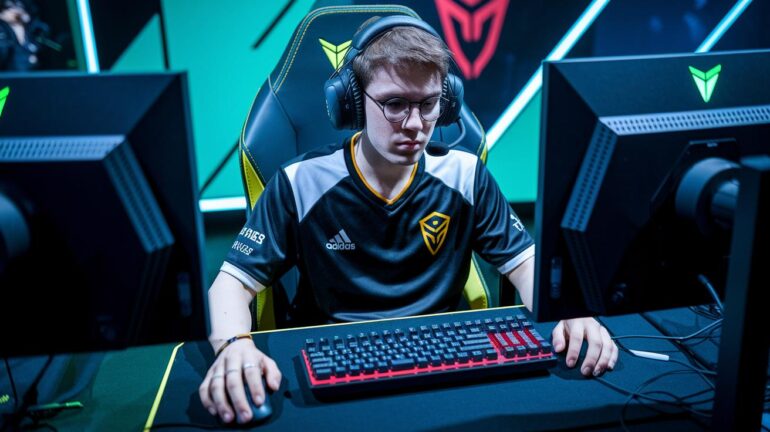
Ever feel like one quick move can flip a loss into a win? In competitive gaming every single blink matters. Studies show that faster reactions help you dodge enemy shots and pull off neat moves (slick moves that surprise your opponent). It’s like a cool dance routine where every step builds up your muscle memory. Today, we’re diving into some simple drills and tips to make your moves feel natural and give you that extra boost in every match.
Core Techniques to Sharpen Reaction Time for Competitive Gaming
Have you ever noticed how a split-second can decide a match? Reaction time is the brief moment between an event happening in your game and your response. In games like Call of Duty, Counter-Strike, Overwatch, or even fast-paced racing and fighting games like Valorant, every single millisecond matters. Research shows that faster reflexes not only give you a boost over your opponents but also improve your overall coordination. In simple words, quicker reactions mean you can dodge enemy fire, pull off crisp maneuvers, and grab those fleeting opportunities that often end up winning the game.
Regular drills work wonders because they train your brain and body to react at light speed. With consistent practice, you build muscle memory and fine-tune your visual processing (how quickly you notice things happening on screen). It’s like leveling up your gaming skills: your slow responses turn into split-second actions while you also develop stronger mental stamina. This means that when the pressure is on, your moves feel a bit less nerve-wracking and a lot more natural.
- Dynamic target drills
- Precision click exercises
- Peripheral flash drills
- Champion’s pace drills
- Memory recall challenges
- Quick reaction sprints
- Interval timing challenges
- Multi-sensory coordination routines
- Decision speed puzzles
- Virtual contest simulations
Mixing these ten drills into your regular gaming routine can seriously boost your performance. Imagine starting your day with a quick precision click drill or ending it with a set of decision speed puzzles. Staying consistent is key, incorporating these exercises into your daily play not only sharpens your reflexes but also trains your brain to process information faster. The more you practice, the more those rapid moves become automatic, giving you the edge when every fraction of a second truly counts.
Physical Training and Nutrition to Boost Reaction Time for Competitive Gaming
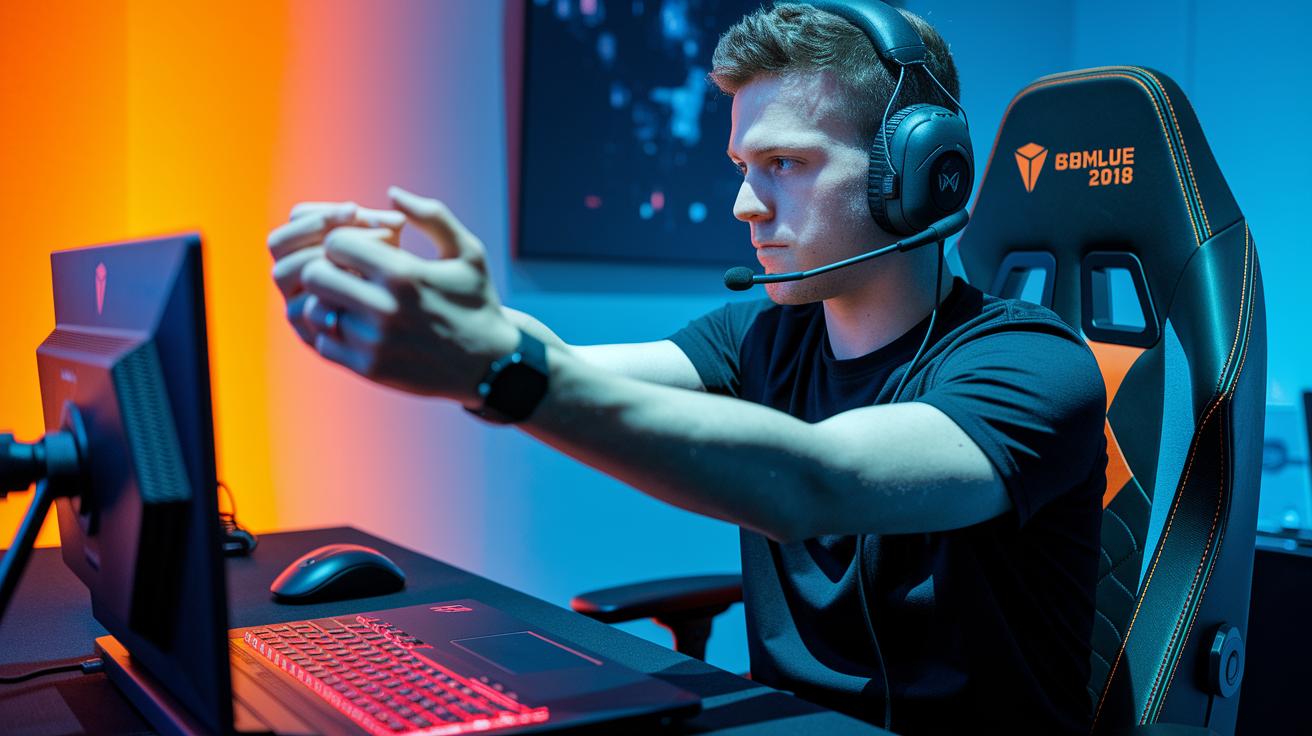
Staying properly hydrated and getting enough sleep is like your in-game power-up for quick reactions. When you drink plenty of water all day and get about 7-9 hours of sleep, you keep tiredness and dehydration at bay. This means your brain stays sharp and your focus stays strong, perfect for nailing those hand-eye coordination drills and widening your game vision.
Mixing in some moderate aerobic and strength exercises can really level up your reflexes too. Think about adding wrist stretches, short bursts of fast cardio, and drills that work your whole body. These moves not only build up your muscles but also help your brain process information faster (in simple terms, making your responses quicker). A mix of steady workouts and adrenaline-boosting sprints trains your body to move swiftly during intense gaming moments.
And let’s not forget about nutrition. Eating meals packed with protein, complex carbs, and healthy fats gives you the energy for long gaming sessions. When you time your meals right, you stay alert and ready to make split-second decisions. Pair your balanced meals with healthy snacks and water breaks to keep your energy steady throughout the game. This game plan fuels both your mind and your body, setting you up for those epic, fast reactions.
Cognitive Drills and Mind Workouts to Enhance Reaction Time
Fast thinking is just as key as having a sharp aim when you play. Brain workouts, like online tests and puzzle challenges, help you make split-second calls. These simple exercises boost your mental speed, kind of like giving your brain a set of push-ups. One gamer even said that practicing these drills every day cut milliseconds off his reaction time!
Online Reaction Time Tests
Online tests are cool because they let you see tiny gains in your speed. When you check your score and spot an improvement, it’s like getting a mini report card on your reflexes. Even a 10-millisecond boost can be the difference between dodging an enemy shot or getting hit in a tight match.
Brain-Training Apps and Devices
These apps throw rapid challenges at you, making you adjust quickly to sudden prompts. Imagine the app flashing a quick visual cue and you have to react before the timer runs out. It’s just like making snap decisions when the game heats up.
Puzzle and Strategy Drills
Timed puzzles and pattern games sharpen your quick-thinking skills under pressure. Solving these puzzles builds skills that are super useful during a game, where every second counts. For example, a puzzle that forces you to switch up patterns fast helps you recognize and respond to enemy moves on the screen.
Mixing these brain drills into your gaming routine will boost your reaction time. The more you practice, the more natural your in-game responses will become, almost like second nature.
Equipment Setup to Reduce Input Lag and Improve Reaction Time

If you want your gaming to feel super smooth, try using a high-refresh monitor like 144Hz or 240Hz along with a top-notch GPU (one that keeps frame delays to a minimum). This means every enemy move becomes crystal clear, and your split-second decisions feel spot on.
Next, play around with your mouse DPI settings, usually between 400 and 800 DPI, to hit that perfect balance of speed and control. It’s like finding the ideal sensitivity where every click counts, making your game actions line up with your lightning-fast decisions.
Finally, upgrading to a low-latency keyboard and gaming mouse can really ups your game. When your gear reacts almost instantly to every keystroke and click, you’re in the zone where every millisecond makes the difference.
Measuring Reaction Time Progress with Tests and Metrics
Online tests work like quick digital scorecards that clock your reaction time in milliseconds. They show you in a snap how fast you're reacting to a sudden prompt, kind of like getting a rapid checkup on your reflexes. For instance, you might see a note saying, "My response time improved by 12 ms after some focused reaction drills." It's a cool way to tune your training and stay pumped as you watch those numbers drop.
Mixing the numbers from your brain’s reaction and your speed of response gives you the full picture of your progress. Checking your agility score often helps you set clear goals and spot trends over a few weeks of practice. With these insights, you can adjust your routines, maybe by adding some quick reaction drills or fine-tuning your in-game moves. For example, after some rapid-fire decision exercises, you might notice your reaction score go up noticeably.
Avoiding Pitfalls in Reaction Time Training for Competitive Gaming

Sticking to a steady routine and taking enough breaks is key. If you miss training sessions or shortchange your sleep, you'll feel tired, and that extra fatigue makes your reactions slower just when you need them most. When you practice regularly, each session builds on the last, helping you keep every millisecond sharp.
Don't forget about your setup and posture, either. If your mouse or keyboard isn’t calibrated right, you might end up with extra lag when every tiny moment counts. Make sure your monitor is lined up, your mouse sensitivity feels natural, and your seating supports smooth movements. A few small tweaks can stop bad habits from forming and keep your game on point.
Mixing solid practice with proper recovery is the way to go. Take regular breaks, stay hydrated, and do quick posture checks to keep fatigue at bay. This balanced approach not only steers you clear of common pitfalls but also builds a reliable system for keeping you fast and focused during every match.
Final Words
In the action, we broke down how to sharpen your response skills. From core training drills to tweaking your gear, every tip works toward faster in-game reflexes. We covered everything from physical routines and brain workouts to tracking your progress with simple tests.
Integrating these methods into your daily play can be a game changer, especially when it comes to improving reaction time for competitive gaming. Keep practicing, stay focused, and let each drill light up your gaming sessions.
FAQ
How can gamers improve reaction time for competitive gaming?
Improving reaction time for competitive gaming means training both your mind and body with dynamic drills, quick decision exercises, and regular physical practice to lower your response time during fast-paced matches.
What does a reaction time test measure?
A reaction time test measures how quickly you respond to a stimulus by tracking milliseconds between an event and your reaction, helping you gauge and improve your fast-response skills.
How can athletes improve reaction time in sports?
Improving reaction time in sport means practicing specific drills that increase quick movements and decision-making, along with regular physical workouts, to sharpen responses during high-pressure game situations.
How can one increase reaction time in fighting games?
Increasing reaction time for fighting games involves training with targeted reflex drills and fast input exercises that simulate combat scenarios, boosting both offense and defense during intense gameplay.
How do you improve reaction time and reflexes?
Improving reaction time and reflexes means coupling cognitive training with physical exercises—using drills that mimic real gameplay scenarios can help reduce the time between stimulus and your response.
How can drivers enhance their reaction time?
Improving reaction time for driving involves practicing quick decision-making drills and using simulation tools or driving games, which helps train your brain to respond faster in real or virtual driving conditions.
What is the average reaction time for gamers?
Average reaction time is the typical millisecond gap between a stimulus and response; most gamers register around 200–250 milliseconds, which serves as a baseline to track improvements over time.
Is a 200ms reaction time good for gaming?
A 200ms reaction time is decent for many gaming scenarios, though top competitive players often achieve faster responses. Faster reaction times can give you an edge in high-speed, competitive environments.