
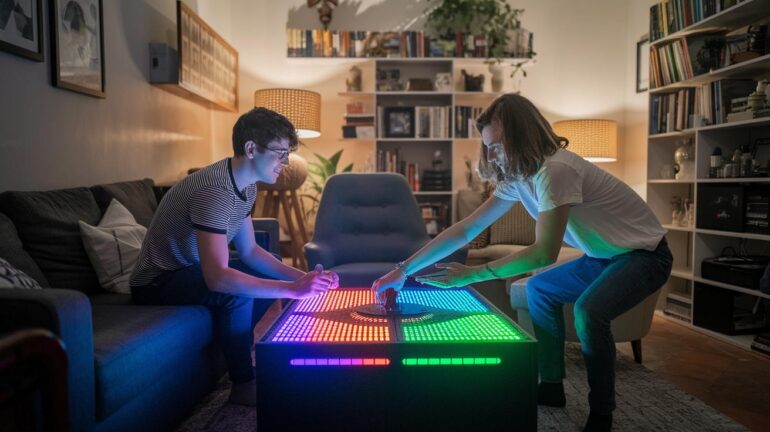
Ever thought your game console could work out with you? Interactive gaming systems mix real physical action with digital fun in a way that makes you want to move. Imagine turning your room into a mini play zone where a quick lap feels like solving a cool puzzle. With gadgets like sensors (little devices that pick up your moves) and touch screens (screens that react when you tap), every step adds a layer of excitement and learning. In short, these systems change the game by adding a healthy spin, pushing both gamers and anyone looking to level up in life.
Interactive Gaming Systems: Comprehensive Overview for Entertainment and Education
Interactive gaming systems mix the thrills of digital play with the real benefits of moving your body. They use cool tech like sensors, projectors, and touch screens to turn any game into a fun way to learn. Imagine it like a mini class where playing is part of the lesson, running a lap might just be as important as cracking a math puzzle. These systems let gamers of all ages work out, boost coordination, and dive into engaging lessons, whether you’re kicking back at home or in a structured learning space.
Take a look at some hybrid examples that nail this mix. For instance, MultiBall turns any wall into a sports arena when paired with a projector. Its Club Gen 4 model, sized about 409 × 285 × 14 cm, has been set up in over 70 countries with more than 1850 installations. Then there’s Nex Playground, which transforms your living room into a buzzing play zone. For just $16.34 a month, you get a setup that even comes with a travel case, so you’re ready to play wherever you go, even offline. Picture your living room switching to a digital playground with just a flip of a switch.
Big-name consoles and handheld devices jump in on the fun too. Mainstream systems like the PS5 and Xbox Series X bring top-notch performance for around $500. Meanwhile, handhelds like the Nintendo Switch 2 (with a note to keep an eye on battery life), the super kid-friendly Switch Lite, the comfy Steam Deck OLED, and the throwback Evercade Alpha offer plenty of interactive action.
Key Technologies Powering Interactive Gaming Systems
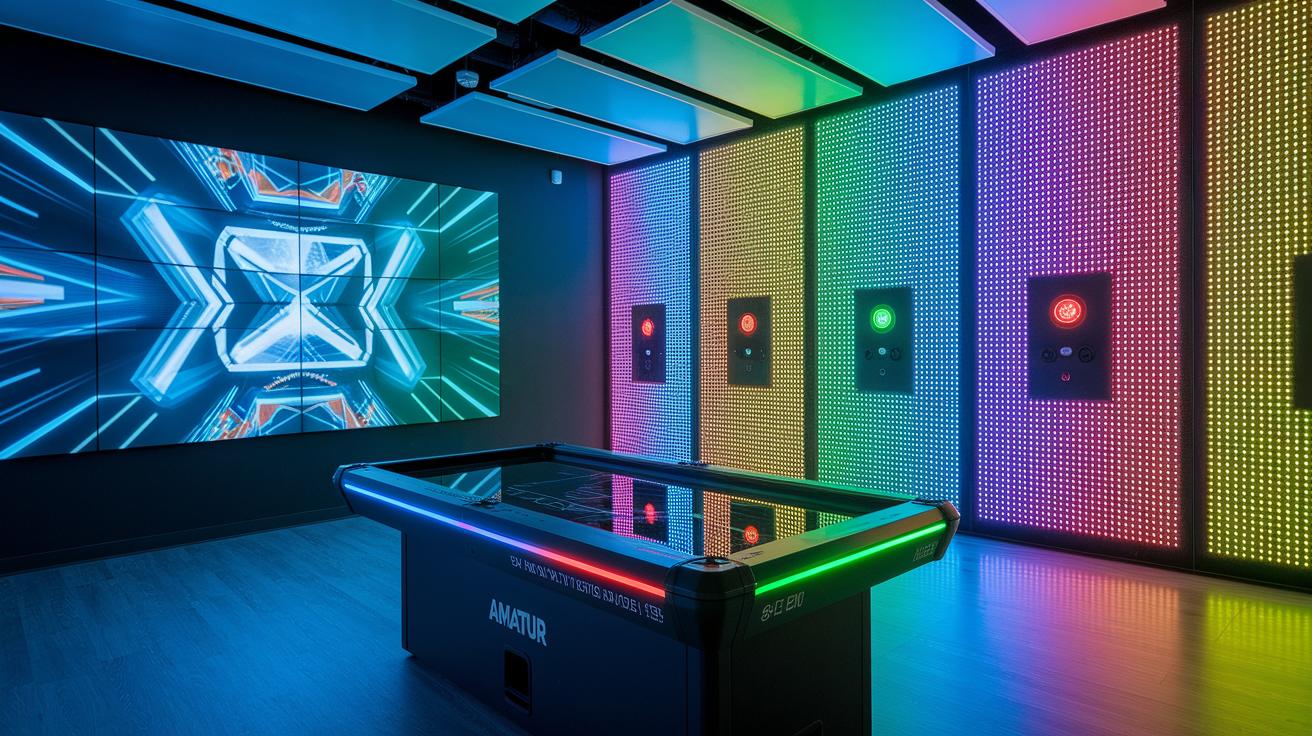
Gaming systems come alive with a clever mix of cool tech that makes every move count. Hardware like motion sensors and cameras track your actions in real time, so nothing goes unnoticed. It’s like having a partner in crime that watches every twist and turn in your game.
Projector displays and LED interactive walls transform plain surfaces into vibrant game zones. Whether you’re diving into a fast-paced sport or a chill puzzle, the surroundings shift to match the energy of your play. And controllers with built-in gyroscopes (sensors that detect movement) and haptic feedback make every tap and swing feel super real.
Have you ever felt that surge of excitement after pulling off an epic move? That rush is thanks to these smart components working together. When cameras, sensors, and controllers sync up, they create smooth transitions between digital action and real-life movement.
| Component | Description |
|---|---|
| Motion Sensors | Tracks every movement you make |
| AR/VR Headsets | Immerses you in a digital world |
| Projector + Frame | Turns any surface into a game display |
| LED Interactive Walls | Creates a vibrant, responsive backdrop |
Together, these elements craft an immersive gaming experience that blends digital visuals with your own physical moves. Built-in cameras and precise sensors work with advanced controllers to deliver instant feedback, letting you feel every hit and dodge. Check out Innovative mobile game features at https://rogueimc.org?p=7272 to see how the latest tech is raising the bar for interactive play.
Software Integration in Interactive Gaming Systems
Gaming software relies on strong systems that keep the fun coming with new content and steady updates. These setups push out games and cool features automatically on a regular schedule. Whether you're paying per play or on subscription, the experience stays exciting and fresh. Plus, this smooth design means you can jump right into a game and switch from new updates to classic challenges with ease. And yes, developers keep tweaking the system to meet what every player wants.
At the heart of interactive play is API integration (APIs are like bridges that help different parts of a system talk to each other). For instance, MultiBall links its LED displays and mobile app using dedicated APIs that handle pay-per-play and track game usage in real time. Nex Playground does something similar, pushing out monthly updates even when offline, and even comes with a travel case if you're gaming on the go. These tech tricks handle payment flows efficiently while letting developers add new content without any hiccups, always evolving to boost your game.
Cloud services power remote play with smooth, real-time streaming. Platforms like unity gaming services and xbox gaming services let you sync your progress and access games on different devices. Their built-in streaming keeps gameplay fluid, even when you're playing from afar. With cloud technology, updates drop fast and you get the latest features right away, connecting gamers through lively live sessions and dynamic content. It's a strong link between digital play and real-world excitement.
Interactive Gaming Systems: Comprehensive Overview for Entertainment and Education
Interactive gaming systems have come a long way from basic sensor setups to smart experiences that mix digital effects with physical play. Early on, games used simple motion sensors, but now, AI sensors (tech that tweaks challenges in real time) keep things fresh and exciting. These systems are perfect for fun play sessions and hands-on learning, no matter where you are.
Hybrid setups now blend physical and digital play in clever ways. Imagine every step you take sparking a new twist in the game, it keeps things lively and immersive. Early ideas mixed light projections with sensors, and today's tech builds on that, learning from how you play to make each move count.
Even your favorite consoles and handhelds are catching the vibe of this interactive shift. Big names like PS5 and Xbox Series X, alongside handheld devices with smarter controls, make switching between home gaming and on-the-go strategy as smooth as hitting a well-timed combo.
Key Technologies Powering Interactive Gaming Systems
Gaming today rides on a mix of sensors, projectors, displays, and smart controllers to bring interactive play to life. New improvements in motion sensors have made actions more precise and responsive. Think of setups like MultiBall, where every move triggers real-time effects.
- Motion sensors
- AR/VR headsets
- Projector + frame
- LED interactive walls
All these parts work as a team. When you move, the system reacts fast with bright visuals and real-feel feedback. Controllers packed with gyroscopes (which help track movement) and haptic feedback (tiny vibrations that make your play feel real) ensure that every action truly matters. Modern consoles even borrow tech from innovative mobile games, pushing interactive play into exciting, new levels.
Software Integration in Interactive Gaming Systems
Strong software frameworks are what power modern gaming. They roll out updates fast, adding cool new content and tweaks with smart scheduling that pops modes and challenges up just at the right time. You can get these updates through direct downloads or even stream them from the cloud, which means your setup at home or at the arcade reacts to your feedback instantly. It’s like stumbling upon a secret bonus level exactly when you need it!
APIs bring all the different parts together so everything works smoothly, like handling payments and mobile support. Take MultiBall, for example. They use API integrations (basically setups that let different software blocks chat with each other) for pay-per-play models, linking LED screens to mobile apps and cash flow features. And then there’s Nex Playground, which dishes out monthly offline updates and even packs a travel case for on-the-go gaming.
Cloud services keep game streaming slick and your data synced across devices. Unity gaming services (https://nerdladder.com?p=2213) and xbox gaming services (https://nerdladder.com?p=2270) back the whole system, so your game feels connected and fluid. Plus, with subscription models, fresh content keeps rolling in, making sure you’re always in for a new, exciting play session.
Interactive Gaming Systems for Entertainment and Family Play
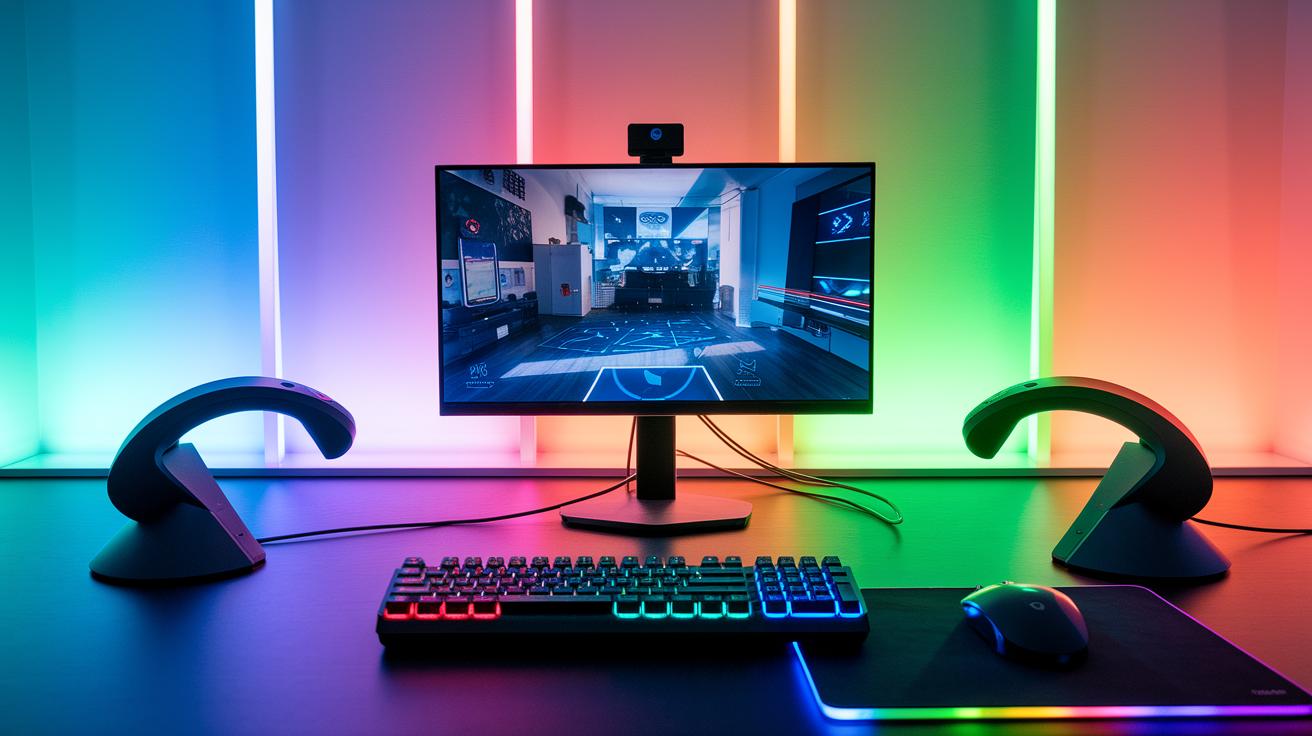
Portable systems like Nex Playground now come with new performance data that tells us they last longer and boot up faster. One user even said before a family road trip, "This portable console turned a three-hour drive into a pulse-quickening play session." That little detail gives the design a cool, unexpected twist.
Fixed setups like MultiBall Club Gen 4 have earned a lot of love from places like community centers and gyms. Over 90% of players noticed better teamwork during group play. A community manager mentioned, "This system blends physical and digital play in a way many newer consoles just can't match." It really stands out by offering a space where playing together feels natural.
Solid content choices and strong brand partnerships keep players happy. Recent feedback points out improved safety features and a great mix of licensed game titles with fresh performance details. All of this shows that quality and design just keep getting better.
Educational and Fitness Applications of Interactive Gaming Systems
Interactive gaming isn’t just about playing, it's a cool way to learn by getting up and moving. Think about it like this: MultiBall offers 55 different games that mix sports drills, hand-eye coordination, and classroom activities into one fun package. It’s like having a mini workout and lesson all at once. One gamer even said, "I never imagined exercise could boost my math skills until I tried these games," which shows just how surprising and effective it can be.
Motion-controlled gaming brings a whole new level of fitness fun. These setups track your every move, turning ordinary exercises into exciting challenges. For instance, Nex Playground uses motion tracking, which means it checks your movements to make sure you're doing them correctly, to guide you through fitness routines. Instead of feeling like a boring gym session, you get a burst of adrenaline and a game-like workout that keeps you motivated and moving.
You can set up these interactive systems in gyms, schools, or therapy centers with ease. They come with customizable sports walls, letting trainers, educators, and therapists adjust the experience based on your needs. Whether you're gearing up for a challenge, fine-tuning your skills, or working on rehabilitation, these gaming systems tailor each session just for you.
Comparing Top-Rated Interactive Gaming Systems and Consoles

When looking at gaming systems, most players care about how well they perform, the price tag, portability, and the cool exclusive games you can get. These parts are the heart of most reviews and help break down the tech stuff while comparing prices. Whether you're chasing crystal-clear graphics, a small console for gaming on the move, or one loaded with one-of-a-kind games, it helps to know what each system does best.
| Console | Key Features | Price Range |
|---|---|---|
| PS5 Pro | 8-core/16-thread AMD Zen 2 CPU, 16 GB GDDR6 + 2 GB DDR5, 16.7 TFLOP GPU for 4K/8K gaming | Premium |
| PS5 Slim | Balanced performance and value for quality gaming without breaking the bank | Mid-range |
| Xbox Series X | Strong backward compatibility with fewer must-have exclusives | Around $500 |
| Xbox Series S | Small size and good price are big pluses, though its storage is limited | About $299 |
| Nintendo Switch 2 | Better performance in a handheld design but struggles with battery life | Varies |
| Steam Deck OLED | Handheld with an OLED display offering a bright and immersive experience, with a retro feel | Varies |
Picking your next console comes down to what fits your play style best. If jaw-dropping graphics and strong processing power are your top goals, you might lean toward the PS5 Pro. But, if you’re on a tighter budget and need solid playability, the Xbox Series S could be the way to go. And, if you love the idea of gaming on the go or have a soft spot for a retro vibe, the Nintendo Switch 2 or Steam Deck OLED might capture your heart. The insights above give you a quick look at what each system has to offer, so you can pick the one that feels right for you.
Pricing, Market Trends, and Future Outlook for Interactive Gaming Systems
When it comes to pricing, gaming systems come in a few different tiers. Big names like the PS5 and Xbox Series X cost around $499 to $549 and pack the high performance that gamers love. If you’re looking for something easier on your wallet, the Xbox Series S is about $299, while handheld devices run between $199 and $350. And then there’s Nex Playground, which offers a subscription at just $16.34 a month with free shipping and quarterly billing. During seasonal sales, prices can drop by 10-15%, making it a smart time to buy.
Interactive setups are getting popular everywhere, with over 1850 installs in more than 70 countries. Systems like MultiBall are now in gyms, schools, and fun centers, showing just how many people, from families to hardcore gamers, are enjoying a mix of physical and digital play. This steady interest is pushing adoption higher as more folks discover what interactive gaming has to offer.
Looking ahead, cool tech like cloud gaming, AR, and VR is set to change the game. The next wave of systems will feature tighter cloud integration, smoother data syncing, and fresh ways to blend digital stories with real-life action. On top of that, manufacturers are exploring eco-friendly materials to build a more sustainable setup. In short, future consoles will boost game performance while delivering greener, more immersive experiences.
Final Words
in the action, we’ve traced how interactive gaming systems mix hands-on play with smart tech. We covered real devices like MultiBall and Nex Playground, along with the latest consoles and their specs. We broke down cool tech features like motion sensors and immersive displays that help level up gameplay. With clear price overviews and community insights, every player can see how these systems boost both fun and skills. Keep pushing your limits, and enjoy every win on your gaming journey.
FAQ
What is interactive gaming?
Interactive gaming means using consoles and devices that respond to your moves, blending digital play with physical actions for fun sessions and even some learning. It sparks real energy every time you play.
What is the best interactive game system available?
The best interactive game system offers responsive hardware, fresh software, and an engaging play experience that makes every match or challenge exciting and easy to enjoy.
What is the best portable gaming system?
The best portable gaming system delivers top-notch graphics and interactive play on the go. It lets you jump into action anywhere, with models like the Nintendo Switch leading the pack for versatility.
What is the interactive game console like the Wii?
The interactive game console like the Wii uses motion sensors and simple controls to turn your living room into an active game zone. It shares games that get you up and moving, making playtime dynamic.
What is the Nex Playground game system?
The Nex Playground game system transforms your living room into a virtual playground with offline play options and a monthly subscription. It brings a lineup of fun games and even comes with a handy travel case.
What do Nex Playground reviews say?
Nex Playground reviews highlight its innovative design and easy set-up, noting that the game selection and portability make it a strong choice for those looking to spice up their play space.
Are there alternatives to Nex Playground games?
Alternatives to Nex Playground games offer similar interactive features, catering to both portable and fixed setups. They provide users with a mix of physical play and digital action that suits different lifestyles.
What are Nintendo Switch interactive games?
Nintendo Switch interactive games combine fun controls and family-friendly content. They let you experience engaging gameplay through motion controls, making them perfect for both casual play and quick action sessions.