

Have you ever wondered why some players always seem one step ahead?
Sometimes, the secret to a win is just a tiny tweak to your setup.
When you adjust your frame rate and smooth your graphics (making game visuals faster and cleaner), you get a real boost in every match. Secret tools can even catch slowdowns before you feel the lag.
Stick around to learn simple ways to fine-tune your game and climb the ranks with ease.
Core Strategies to Boost Your Ladder Performance in Games
Kick things off by nailing a steady frame rate. When your game runs smoothly, you can focus on quick decisions without any interruptions. A stable frame rate helps you spot enemy moves right away, giving you that split-second edge in heated rounds.
Next up, clean up your graphics. Use simple tweaks like culling (which means cutting out stuff you can’t see) to lessen the load on your system. Think of it as clearing your desk before an important game, it makes everything feel lighter and faster.
Profiling tools are like your secret sidekick in the game. They sniff out any system hiccups that might drag down your performance. With regular testing on different setups, you can spot problems early, adjust your strategies, and boost your rank without breaking a sweat.
Core strategies include:
- Tweaking your game engine and using profiling tools to keep frame rates stable.
- Simplifying graphics rendering to ease the strain on your system.
- Regular testing to catch and fix performance issues.
- Making smart hardware adjustments, check out how to optimize pc for gaming for more tips.
For even more insight, dive into tips to climb gaming leaderboards. These extra tactics work perfectly with the strategies above to help you climb the ranks.
These game-changing moves form the backbone of boosting your ladder performance, making every tweak and strategy count towards a better in-game ranking.
Skill Development Routines for Ladder Rank Advancement

Focus on flexing your decision-making muscles with quick, daily practice. Think of it like spaced repetition in your training routine, practice a move, then take a short break so your brain resets and locks it in. Did you know? Gamers who work in quick bursts tend to level up faster than those who grind non-stop.
Create a training plan similar to streaming game assets. Instead of trying to tackle every skill at once, focus on the ones that pack the biggest punch on the field. Picture your most important moves getting loaded first in a match, giving you that game-winning edge. Set clear goals, just like checking your game profile for what needs polishing.
Keep your routine fun and flexible by mixing quick mechanical drills with decision-making challenges. Use timers, checklists, or even a quick match replay to see where you’re growing and where you might need to tweak your strategy.
Experiment with fresh drills and revisit your core moves until every session feels like that clutch, match-winning play.
Performance Tracking and Data Analysis for Ladder Climbing
Tracking your game stats gives you a clear picture of where you excel and where you need a boost. Start by checking out important numbers like your win rate, kill-to-death ratio, and resource control. For example, you might say, "After looking at my stats, I saw my win rate drop when I used too many resources during the late game." It’s a straightforward way to spot areas that need work.
Benchmarking is like comparing your current story to your past games. Use simple charts or a quick spreadsheet to see if your tactics are really doing the trick. It’s all about understanding if your gameplay is paying off.
There are handy tools that log detailed info during every match. They capture the stats that matter when you need to make quick decisions in high-pressure moments. With these insights, you can decide whether to strengthen a specific skill or tweak your strategy on the fly.
Key things to keep an eye on include:
| Key Metric | Description |
|---|---|
| Performance Tracking Methods | Ways to record and review your game stats |
| Performance Metric Analysis | Breaking down your important game numbers |
| Data Evaluation Methods | Techniques to figure out where you can improve |
| Analytical Game Insights | Detailed info that helps you make fast decisions |
Use these metrics to shape data-driven win strategies. By understanding your match data, you can adjust your tactics as you play and boost your ladder performance.
Real-Time Strategy Adjustments to Enhance Ladder Performance
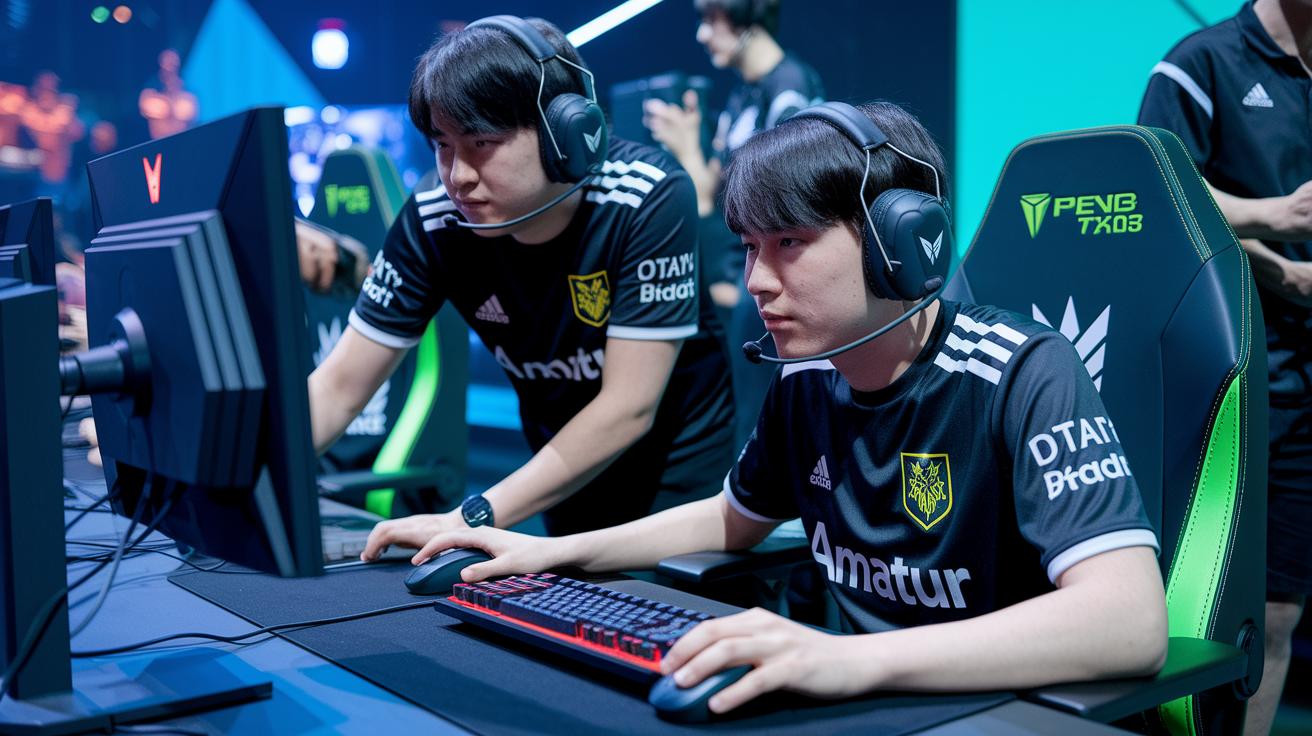
When the match gets heated, quick, on-the-fly planning is a game-changer. Switching your strategy in the middle of a game can flip the outcome in seconds. Think about it like this: using smart filtering to cut out moves that don't work lets you focus on the ones that do. This helps you change gears fast when your opponent suddenly shifts tactics.
Balancing the load between your CPU and GPU is a lot like balancing a strong offense with a solid defense. When things get intense, mix up aggressive plays with sturdy defense. Picture it as having a well-rounded team where every decision counts. Testing new ideas during the game gives you room to see what really clicks.
Adaptive strategy coaching is all about learning as you go. Use the live feedback during your match to tweak your moves right away so they match your opponent's pace. Key tips include:
- Rapidly filtering out options with smart techniques.
- Mixing aggressive moves with timely defense.
- Constantly trying new tactics and refining your plan.
These quick adjustments help you stay one step ahead and boost your performance in every live round.
Hardware and Settings Tweaks to Support Ladder Performance
Adjusting your settings can seriously boost your game. One neat trick is to cut input lag, basically the delay between hitting a button and seeing your move, by changing your display settings and refresh rate. When your screen updates faster, your moves get registered quicker, letting you react in split seconds. And turning off extra features like dynamic shadows means your game only loads what you really need, keeping load times short and your frame rate steady.
Upgrading your hardware is a game-changer too. A faster SSD, a more powerful CPU, or a high-end graphics card can work together like a killer squad, giving you smoother performance during those heated matches. By fine-tuning both your settings and equipment, you reduce lag or frame drops when it counts. Try different setups to find what suits your style best. Every little tweak builds toward a smoother game and a better chance to climb that ladder.
Pre-Match Preparation and Mindset for Consistent Rank Ascent
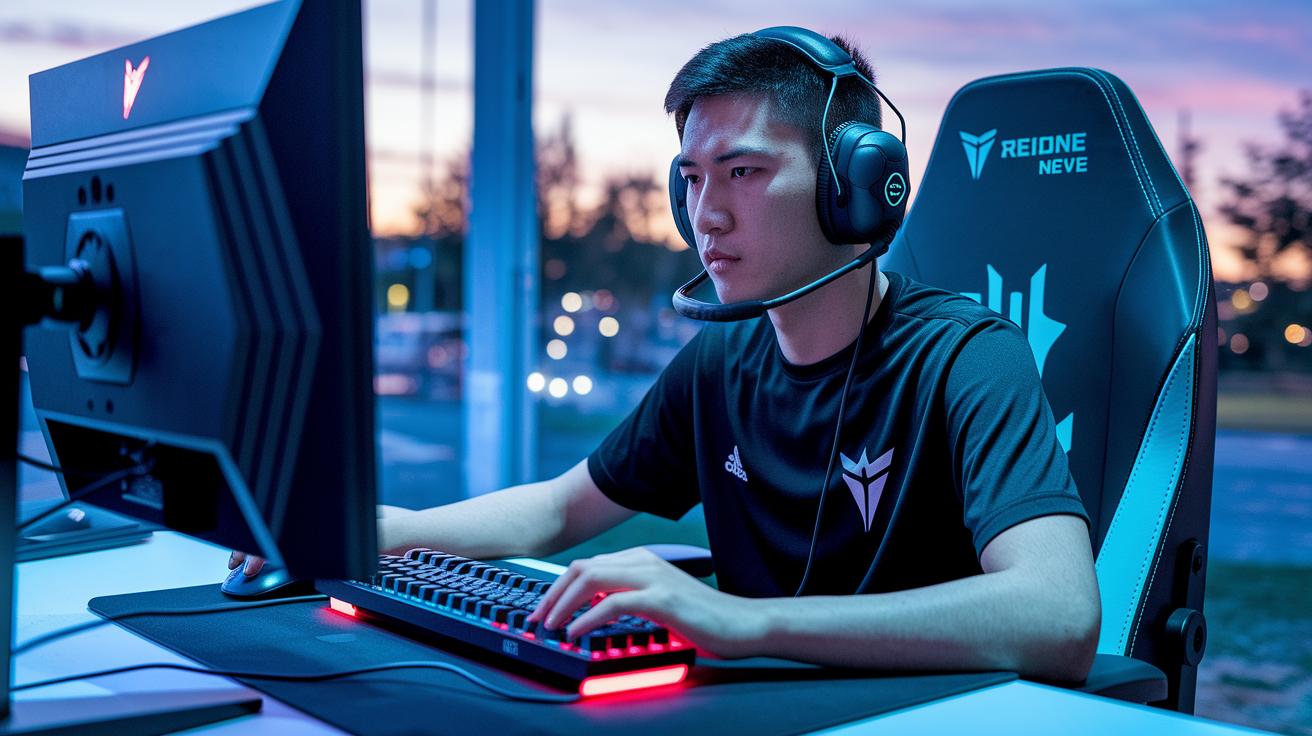
Before your game even loads, set yourself up for success. Start by picking a few clear goals, like shaving off reaction time (that means getting you to respond faster). It’s kind of like setting a timer for an intense warm-up.
Run through a couple of simple drills that get you in the groove. These practice moves are like a quick check-up to make sure your muscle memory is sharp. Think of it as tuning up your gear before the big match to clear out any glitches.
Staying in the zone is all about a steady routine. Take a moment to review your past games and stick to strategies that work for you. This pre-game ritual helps you get focused and climb the ranks one match at a time.
Keep your focus tight; every second in mental clarity stacks up your chances of scoring a win.
Final Words
in the action, this guide broke down key techniques that boost your game rank. We covered everything from technical tweaks and smart hardware settings to skill practice routines and real-time strategy adjustments. Each part shows simple steps to track your progress and fine-tune your performance. Testing, adjusting tactics, and setting clear goals can bring a clear edge to your play. Keep experimenting with these tips, and watch how they help you optimize ladder performance in games. Play smart and have fun.
FAQ
How can I optimize ladder performance in games on Reddit and in 2022?
The query on ladder performance from Reddit and 2022 focuses on boosting your rank by sharpening skills, tweaking hardware settings, and using data analysis to improve gameplay and steady frame rates.
What does game optimization on Android and Samsung devices mean?
The question on Android and Samsung optimization means adjusting system settings and using dedicated apps to minimize lag and boost smoothness. This creates a more responsive and enjoyable gaming experience.
What are some game optimization techniques?
The query on game optimization techniques refers to steps like lowering graphics settings, simplifying rendering paths, and using profiling tools. These methods help improve frame rates and maintain smooth gameplay.
How do game optimization software and apps help improve performance?
The question about optimization software or apps explains that these tools adjust in-game settings and manage system resources in real time, which cuts lag, stabilizes frame rates, and enhances your overall performance.
What is the game optimizing service on my Samsung phone?
The query about Samsung’s game optimizing service refers to built-in tools that adjust graphics and CPU use, streamlining game assets for smoother and more consistent gameplay during competitive sessions.
How can I increase game optimization on my PC or console?
The question on increasing game optimization means fine-tuning hardware settings, reducing input lag, and using performance tracking tools. Following these steps leads to steady frame rates and better in-game control.
What does optimizing a game on Nvidia involve?
The query on Nvidia game optimization involves adjusting settings like texture quality and framerate limits through Nvidia’s control panel, which helps balance visual quality with smoother, more responsive gameplay.
How can I optimize game assets for better performance?
The question on optimizing game assets means streamlining textures, models, and code to reduce load times. This approach enhances frame stability and ensures games run smoothly even during high-intensity action.