

Ever thought your messages could be secret power-ups? Picture this: each chat you send earns you points like scoring a win in your favorite game, and cool rewards pop up as you go.
It’s like turning a normal conversation into a fun mission where each message feels like a mini challenge. Instead of just stacking badges, every chat becomes a chance to level up your skills and boost your connections.
So next time you type out a message, think of it as a chance to grab that extra boost, just like nailing a perfect combo in your game.
Core Concepts in Gamification of Social Interaction within Games

Gamification is all about turning everyday chats into fun, game-like challenges by adding familiar game mechanics into our online talks. Imagine your messaging app turning into a mini game, where every conversation earns you cool rewards, kind of like picking up points on a quest board in your favorite online games. This setup gets everyone more involved, making simple messages feel like part of an epic adventure.
Experience Points (XP) work in two ways: one type shows your personal progress, and the other lets you trade points for real rewards. It's like leveling up in an old-school video game, where each milestone proves your growing skills and boosts your social rep. You get to see your progress through clear bars and dashboards that track your journey step by step.
Elements like progress bars, performance dashboards, dynamic avatars, badges, leaderboards, and team challenges all work together to create an atmosphere as exciting as a multiplayer match. Dynamic avatars react to your wins and losses, adding a personal touch to every score you rack up. And team challenges not only spark fun rivalries but also bring everyone together for some friendly competition.
With clear progress indicators and real-time performance tracking, every chat, every point, and every achievement builds up to a rewarding experience. This mix of personal gains and community rewards keeps players coming back for more, turning every interaction into a chance for growth and fun.
Motivational Drivers and Behavioral Impact of Social Gamification

Ever been sucked into a game because every move feels like a win? Gamified systems stack up challenges and rewards that keep you on your toes. They set clear goals, toss in fun surprises, and let you snag mini victories every time you play. It’s like that unexpected bonus that fires you up mid-match.
These clever systems tap right into our urge to level up and compete. Imagine the buzz of sound effects and flashy visuals cheering you on, it’s personal, social, and totally addictive. It not only builds your confidence but also stokes a friendly rivalry with other players, making the experience memorable and fun every single time. Fun fact: one study found that players with clear rewards were 30% more likely to log in daily.
Tools like CRM Automation and Bonus Engine are real power-ups in this game. They automatically serve challenges based on how you’re playing while tossing rewards your way, making you feel like a true VIP.
And then there’s the multi-provider jackpot system. Every win sparks a burst of social buzz, turning big wins into community conversations. It’s that rare moment when your success lights up the whole online world, keeping the energy high and the gameplay rolling.
Strategies for Cooperative and Competitive Engagement in Gamified Social Play

Cooperative Challenge Designs
Cooperative challenges in games bring players together with shared goals and clear roles. It’s like planning a raid with your squad, where everyone has a job and gains rewards in return for their effort. Each quest sets out simple goals, such as points you earn by playing your role well. Fun fact: in one game mode, teams that shared tasks finished 25% faster than teams going it alone.
Shared-goal quests fire up teamwork by using easy-to-read tools like progress bars or group scoreboards. This way, you can watch your team’s progress in real-time. It also encourages everyone to choose the roles that work best for them, mixing strategy with fun for a tighter crew bond.
Competitive Incentive Frameworks
Competitive rewards add that rush of rivalry while keeping the game fair and lively. Real-time leaderboards push you to level up since they update instantly. For example, check out how do gaming leaderboards work to see how these dynamic systems boost the competitive spirit.
Tiered rewards and set milestones give you clear targets to aim for. Many platforms also use dashboards that track how you and your team are doing. Developers study benchmarks like impact of gaming leaderboard design on player engagement to make these features work just right. By blending personal rewards with fair player-versus-player goals, gamified systems keep competition exciting while making sure everyone feels part of the team.
Case Studies: Social Gamification in Gaming and Impactful Applications

Case studies show how adding game elements to social tasks can light up a community and bring players together. They give real-life examples you can use to make your game more interactive and fun.
Charity Miles makes everyday exercise feel like an epic quest for charity. You log your steps or run distances, set your own goals, and score badges when you hit milestones (like leveling up after a solid run). It’s a cool way to stay active and do some good at the same time.
Trash Tycoon brings recycling into the gaming arena. In this game, you manage a virtual recycling company and make smart choices about waste (think of it as strategic in-game decisions). The goal is to boost environmental awareness while keeping things fun and competitive.
Foldit mixes brainy science with gameplay. You join forces with other gamers to solve protein puzzles, and every correct move helps real scientific research. It’s awesome how fun challenges can spark serious teamwork and problem-solving.
Sparked, which you might remember as Extraordinaries, turns volunteering into a competitive quest. You complete small tasks and track your impact to earn points, almost like scoring in your favorite game. That friendly rivalry and clear progress make you want to keep giving back.
Recyclebank rewards your green moves with points you can trade for discounts or donations. By turning everyday recycling tasks and quizzes into a challenge, it encourages you to make responsible choices while having fun. It’s a win-win for personal achievement and community benefits.
These examples prove that mixing game-like elements into social programs can boost participation and build strong bonds. With the right balance of challenge, reward, and teamwork, gamification can bring a burst of fun and create real-world impact.
Measuring and Optimizing Social Engagement in Gamified Gaming Systems
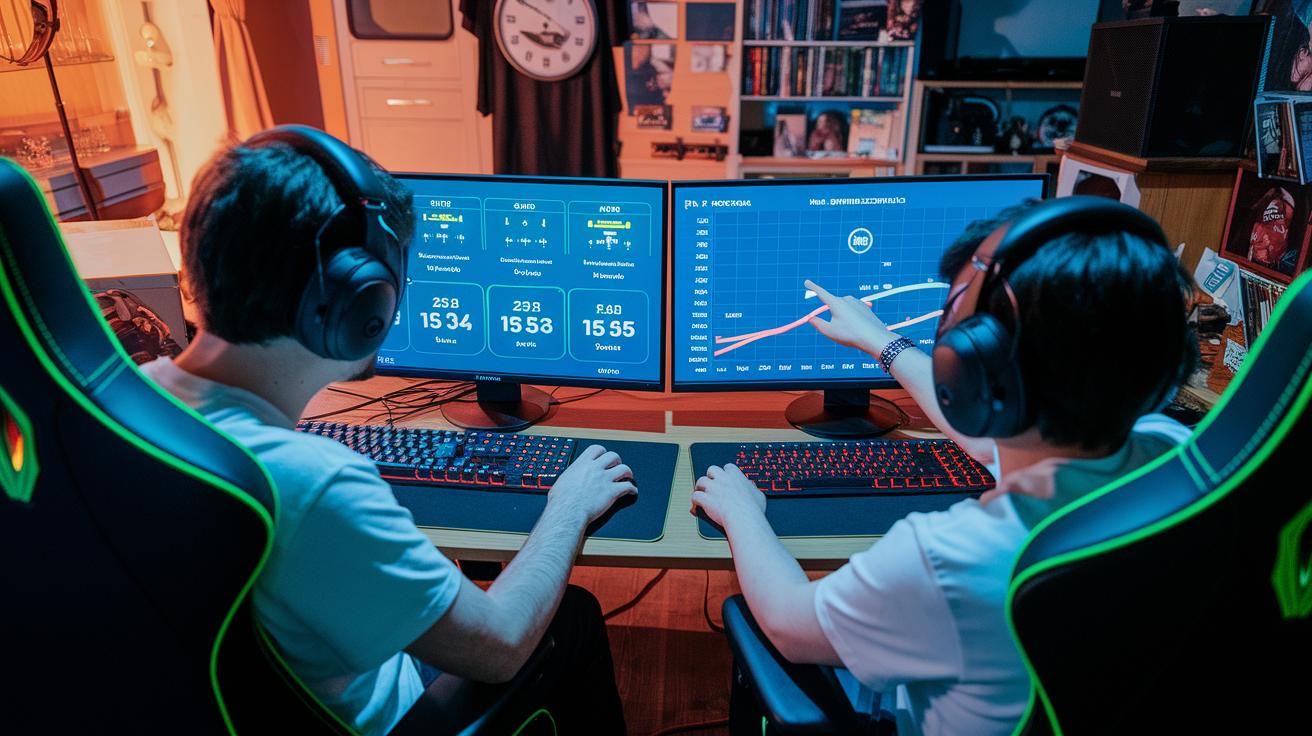
In gamified gaming systems, it's super important to keep track of cool stats like daily active groups, how often players chat, and how long a group session lasts. These numbers show you how much players are actually interacting. Developers can use public APIs to pull in this info, and new dashboards give real-time updates on group plays and chat buzz. This helps everyone see if the game’s social vibe is on point or if it needs a little tweak.
With these insights in hand, game teams can try out new mechanics and smooth the player flow to build tighter community bonds and get players to stick around. Detailed guides and set triggers for reward loops (automatic moments that give players extra perks) help creators nail down exactly when and where players get hyped up. By fine-tuning in-game rewards and tweaking challenges based on what the metrics show, each session can feel even more epic. In short, these ongoing upgrades make sure every game hour is filled with energy and shared fun.
Final Words
In the action, we broke down key elements like XP systems, progress bars, and team challenges. We looked at how tools like bonus engines and jackpots boost group play and how real cases bring these systems to life.
We also explored how careful design and solid metrics keep play fun and engaging. Gamification of social interactions in gaming fuels community spirit and skill growth. Keep the energy high and enjoy every match.
FAQ
What is an example of gamification in gaming?
The gamification of social interactions in gaming means layering rewards like experience points, progress bars, dynamic avatars, and badges onto play to boost team challenges and friendly rivalries.
How does online gaming affect social interactions?
The effect of online gaming on social interactions comes from multiplayer modes and chat features that help players coordinate, build connections, and create shared experiences that feel rewarding.
How do video games affect social skills both negatively and positively?
The influence of video games on social skills includes growth in communication and strategy from cooperation, while excessive play might lead to less real-world social time and face-to-face interactions.
What are the benefits of playing video games with friends?
The benefits of playing video games with friends include improved teamwork, a shared sense of achievement, and stronger bonds as players chat, laugh, and tackle in-game challenges together.
How does gaming help with social interaction?
The role of gaming in social interaction shows up in multiplayer experiences where shared goals and real-time communication make digital play a fun way to connect and work together.
What is the game theory of social interaction?
The game theory of social interaction studies how players choose strategies when facing challenges, weighing risks and rewards in both cooperative and competitive settings.
How does gaming culture affect social interactions?
The effect of gaming culture on social interactions is seen in lively online communities where shared language, tournaments, and friendly rivalries foster lasting relationships and mutual respect.
What insights come from a systematic review of social gaming?
A systematic review of social gaming uncovers trends in cooperative challenges, ranking systems, and incentive models that drive how players engage, compete, and bond in their digital communities.