
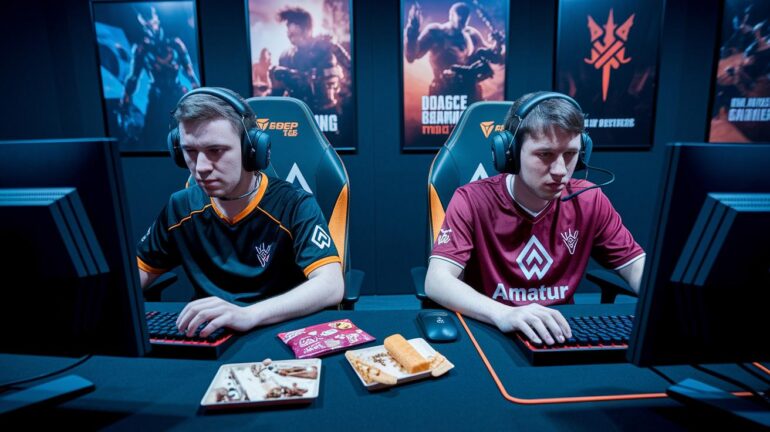
Ever wonder if one tweet can kick off a real gaming bond? Today, social media brings players from all over together in a flash.
Whether you're chatting on classic forums or watching live streams blasting on TikTok, gamers are swapping tips, laughs, and wins like never before. Think about it, a funny meme or a cool clip might totally change your game night.
Social media is reshaping gamer culture. It makes it easy to connect, cheer on your friends, and keep that energy high.
Community Building in Gamer Culture via Social Media
Social media sites like Twitter, Facebook, Instagram, and Discord have completely changed how gamers connect. They’ve built a global crew where players from everywhere can swap tips, chat strategies, and celebrate wins. Quick messages spark fast chats and can turn a casual post into an epic play session, just like an impromptu in-game meetup that turns friends into battle buddies.
Back in the day, early digital hangouts like bulletin board systems set the groundwork for today’s online hubs. Over time, these simple forums grew into lively spaces on sites like Reddit and Instagram. Now, gamers trade reviews, share cool screenshots, and add personal touches that make game stories even richer. It’s a bit like watching a small guild morph into a legendary team ready for big battles.
When games like Among Us blew up in 2020, it really showed how powerful social media can be. Viral Twitch streams and TikTok clips turned a small indie game into a massive community hit. Gamers now load the feed with reviews, creative photos, and fun clips that boost the game’s story and keep players coming back for more. This everyday sharing proves that digital communities and fan-made content are driving gamer culture to new heights.
Social Media Trends Driving Game Discovery
Social media is shaking up how we find new games. Instant updates and viral moments spark excitement and get games noticed fast. In 2020, TikTok put games like Among Us in the spotlight, with every post helping to fuel big buzz, turning the platform into a hot trend hub.
- Twitch viewership can spike in minutes.
- TikTok can make a game famous overnight.
- Memes turn gameplay into viral hits.
- Live streams draw in huge crowds.
- Quick challenges spark fun community dares.
But remember, virality doesn't last forever. A game might skyrocket one day only to fall off when the hype dies down. Every trend comes with its own risks and rewards.
New Web3 trends bring something cool to the game. Blockchain games now let players own digital rewards (digital prizes) that they can share in an instant on social channels. Some platforms are even blending live multiplayer gameplay with on-the-fly content creation, so you can watch, chat, and jump into the action all at once.
This evolution is changing how games build a fan base and start conversations online. Every viral hit has the power to change a game's fate by sparking challenges, reactions, and debates all around the globe. Social media now connects players to new titles faster than ever, letting communities rally behind the next big release. The constant buzz creates a cycle of excitement that drives market shifts and inspires fresh ideas. Gaming experts say these trends are truly redefining how we discover and enjoy games.
Influencer and Content Creator Impact on Gamer Culture
People on YouTube and Twitch are turning regular gamers into big online names. With nothing more than a camera and some genuine passion, anyone can kick off reaction video culture and spark lively chats among friends. This wave is changing old media rules, letting personal game stories drive the buzz while even small channels mix up the community vibe.
| Strategy | Platform | 2020 Revenue | Growth Rate |
|---|---|---|---|
| In-game Mobile Advertising | Multiple Titles | $3B+ | 47% |
| Rewarded Video Ads | Wooga’s June’s Journey | Data N/A | 400% |
| Content Creator Outreach | YouTube & Twitch | Varies | Rapid Increase |
Brands are now ditching old TV and radio in favor of dynamic social spots where ads blend right into gameplay. For example, Wooga’s June’s Journey slips in about 2.5 ads a day so the promos add to the fun instead of breaking the flow. Insights from digital marketing (you know, like on https://nerdladder.com?p=263) back up how influencer moves in esports are totally reshaping how companies make money. Social media gives creators a real channel to drop gameplay tips, share behind-the-scenes moments, and post reaction videos that really click with fans. In this way, brands and creators keep the conversation going, evolving gaming culture and opening up fresh ways to earn cash while boosting community spirit.
Esports and Live Events Amplified by Social Media
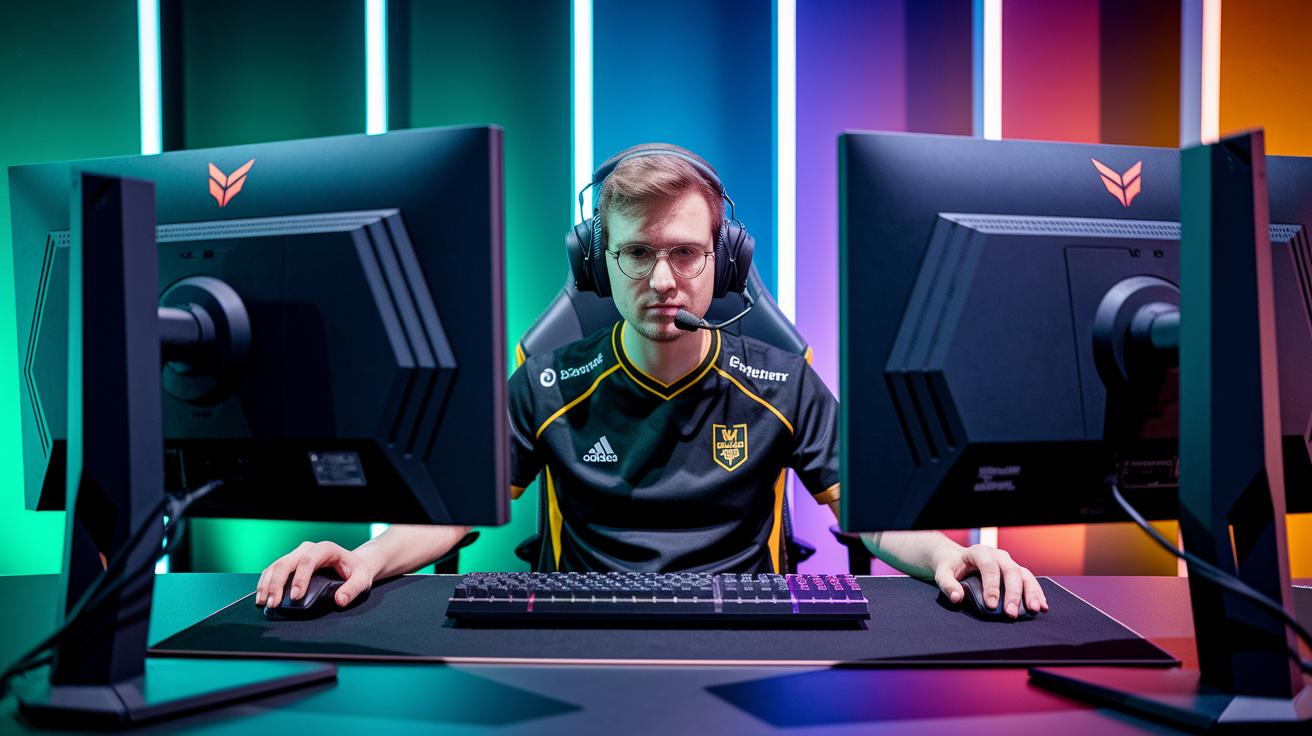
Esports has grown into a huge billion-dollar world where pro gamers shine on platforms like Twitch, YouTube Gaming, and Facebook Gaming. Live broadcasts bring the heart-pounding action of matches right to your screen, and real-time chats let you feel like you're in the arena. There are even simple guides (like one for streaming on Twitch) that help newcomers dive in, turning casual watchers into true fans.
Live event socials are shaking things up. They give you cool behind-the-scenes peeks and special takeovers that make events feel extra personal. Platforms like Instagram Live and TikTok Live serve up event news and quick game updates, complete with fun community polls and reaction clips. It’s a mix that keeps everyone on their toes and builds a tight-knit crew, whether you’re watching a huge tournament or a laid-back watch party on Discord or Reddit.
Streaming communities have totally changed the way fans join in. Instead of just sitting back, you’re right there with a crew sharing every win and loss. Continuous multi-platform streams and live updates make you feel like you’re part of every play, blending competitive spirit with digital camaraderie. Every match turns into an experience that's personal and instantly shareable.
Addressing Challenges of Social Media in Gamer Culture
Toxic chatter, bullying, and nasty comments can really mess up what should be a great gaming session. It’s like getting hit with constant lag during an epic run, suddenly, that safe, fun vibe vanishes.
Privacy worries add even more pressure. A lot of gamers feel uneasy sharing personal info, like standing at the edge of a level full of hidden traps. We all just want stronger security, so we can play without feeling exposed.
Moderators have a tough job keeping things both free and safe. They try hard to maintain that raw, energetic space we love while guarding against toxic behavior. Sometimes a hot viral trend boosts the mood in seconds; then, when the hype fades, everything crashes like an unexpected glitch in a match. Cyberbullying, data concerns, and strict controls mix together, leaving everyone feeling a bit guarded. And that dulls the fun atmosphere that should be at the core of our gaming culture.
Future Trajectory of Social Media in Gamer Culture
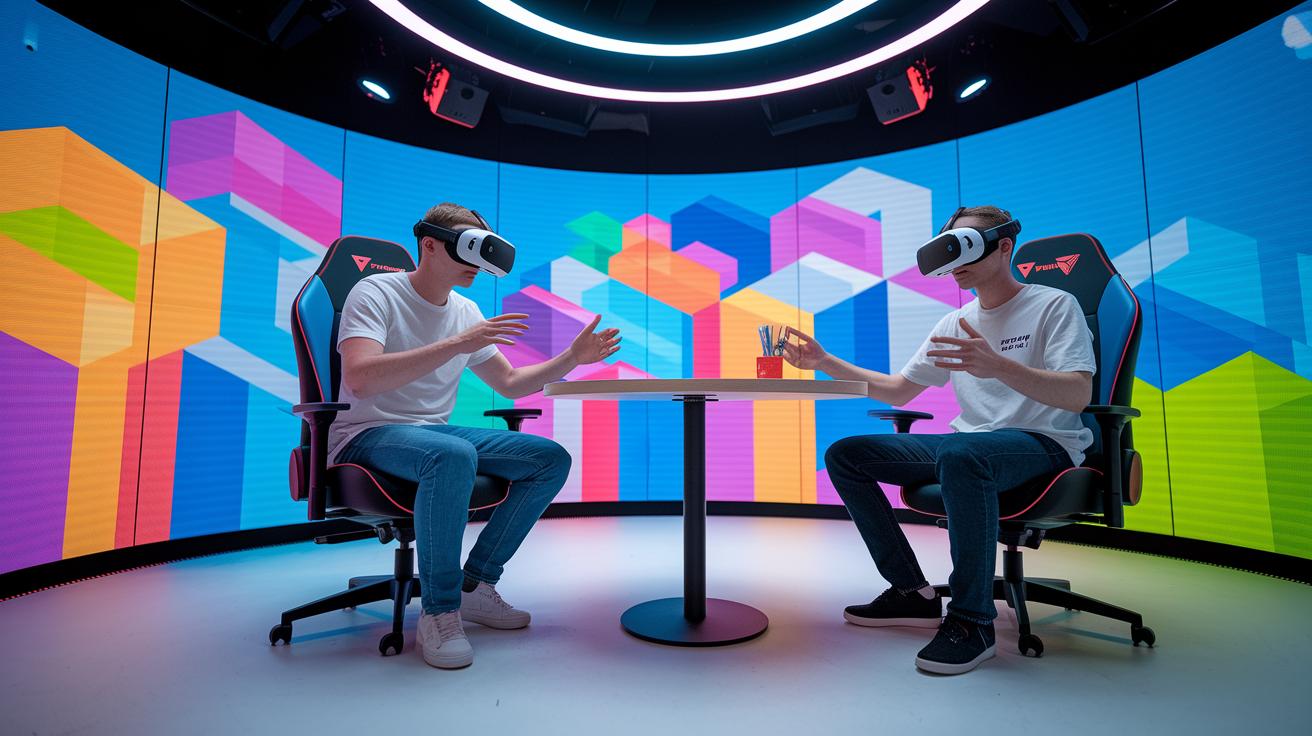
Social media is taking gamer culture to whole new levels. Platforms like TikTok are trying out live multiplayer games, letting viewers jump right into the action. It’s like mixing a live show with gameplay, making everything more exciting. Fans are now spotting trends and teaming up with friends in ways we’ve never seen before.
VR (virtual reality) and AR (augmented reality) are stepping in to create magical online meetups. Gamers can now hang out in cool 3D spaces that feel almost real, like a digital version of being side by side with your crew. More money is being put into these ideas, with game-like features and interactive polls that spark buzz and get everyone involved.
Web3 gaming had a rocky start in 2021 but is now gaining ground. It promises real ownership of in-game items (think of it like having your own gear you control entirely). A recent update from December 6, 2024, shows fresh innovations pushing these next-gen ideas even further. With community teamwork at the forefront, social media is blending tech, interactive fun, and live plays to create one dynamic online playground.
Final Words
in the action, the post broke down how social media bonds gamers into vibrant communities. It took you through platforms that drive game discovery, influencer power, esports live excitement, and the challenges that come alongside these digital hubs.
The post highlighted the pivotal role of social media in gamer culture, proving its impact on gameplay, community insights, and live events. The outlook remains upbeat, promising more epic moments ahead in every match and every stream.
FAQ
What is the role of social media in gamer culture?
The role of social media in gamer culture is to connect players from all over the world, foster lively discussions, and support user-created content that fuels network growth and a shared passion for gaming.
What is the impact of social media on video game communities and the gaming industry?
The impact of social media on gaming communities and the industry works like a power-up—it boosts game discovery, sparks viral trends, and promotes user-generated content that helps both players and developers thrive.
What social media platforms do most gamers use?
Many gamers choose Discord, Reddit, Twitter, and Instagram for chatting, finding tips, and sharing live-stream moments, making it easy for them to engage in the community and track the latest gaming updates.
Which social media networks work best for game developers?
Game developers often lean on Twitter, LinkedIn, and Discord to share updates, get direct feedback, and build personal brands, offering a direct channel to both the gaming community and industry insiders.
How does social media influence gamers’ purchasing decisions?
Social media influences gamers’ purchasing decisions by showcasing reviews, live streams, and influencer endorsements. This firsthand content often helps gamers feel more confident when choosing new games or in-game items.
What role does media play in influencing gaming?
Media influences gaming by highlighting new releases, sharing trending content, and offering insight from influencers. This discussion drives community buzz and helps shape players’ expectations during game launches.
How does social media’s role differ in the gaming industry versus gamer culture?
In the gaming industry, social media primarily drives marketing and brand updates, while in gamer culture it builds community spirit and shared experiences, letting players connect over a mutual love for gaming.
What is the role of social media in shaping overall culture?
Social media shapes overall culture by driving trends, sharing different viewpoints, and creating spaces where communities can discuss art, music, and lifestyle, thereby influencing opinions both inside and outside the gaming world.