

Ever paused during a match and wondered if your online crew feels like a second family? We’re not just chasing high scores here; we’re in it for the teamwork and laughs during those intense rounds.
In active game lobbies, players swap clever tips and friendly chatter, kind of like chatting with buddies after a tough game. With billions of gamers worldwide, these virtual hangouts spark real changes in how we connect and work together.
Today, we’re diving into how gaming brings pure joy and builds bonds that last both in-game and out.
Key Insights into Online Multiplayer Gaming’s Impact on Social Behavior
Online gaming has exploded into a global hangout, connecting over 3 billion players. It changes how we chat, work together, and even compete, both online and in real life. One cool example: during a tournament, a random joke in voice chat sparked a fun chain of creativity and teamwork, proving that humor can smooth out even the tense moments.
In these games, players quickly switch roles and craft new strategies. They team up on text or voice chat, just like friends huddling up before a neighborhood pickup game. This kind of teamwork not only sharpens communication skills but also builds genuine community vibes.
Digital gaming also amps up collaboration. Picture setting up an ambush that feels like executing a perfect sports play, each member’s role adds to the thrill. These moments of shared strategy are not just fun; they teach important skills like caring for others and thinking ahead.
Casual chats and synced-up plays show us that fun and teamwork really thrive in online spaces. Ever felt that buzz after a well-coordinated win? That’s the magic of gaming bringing people closer together.
Evolution of Virtual Multiplayer Dynamics and Gaming Culture
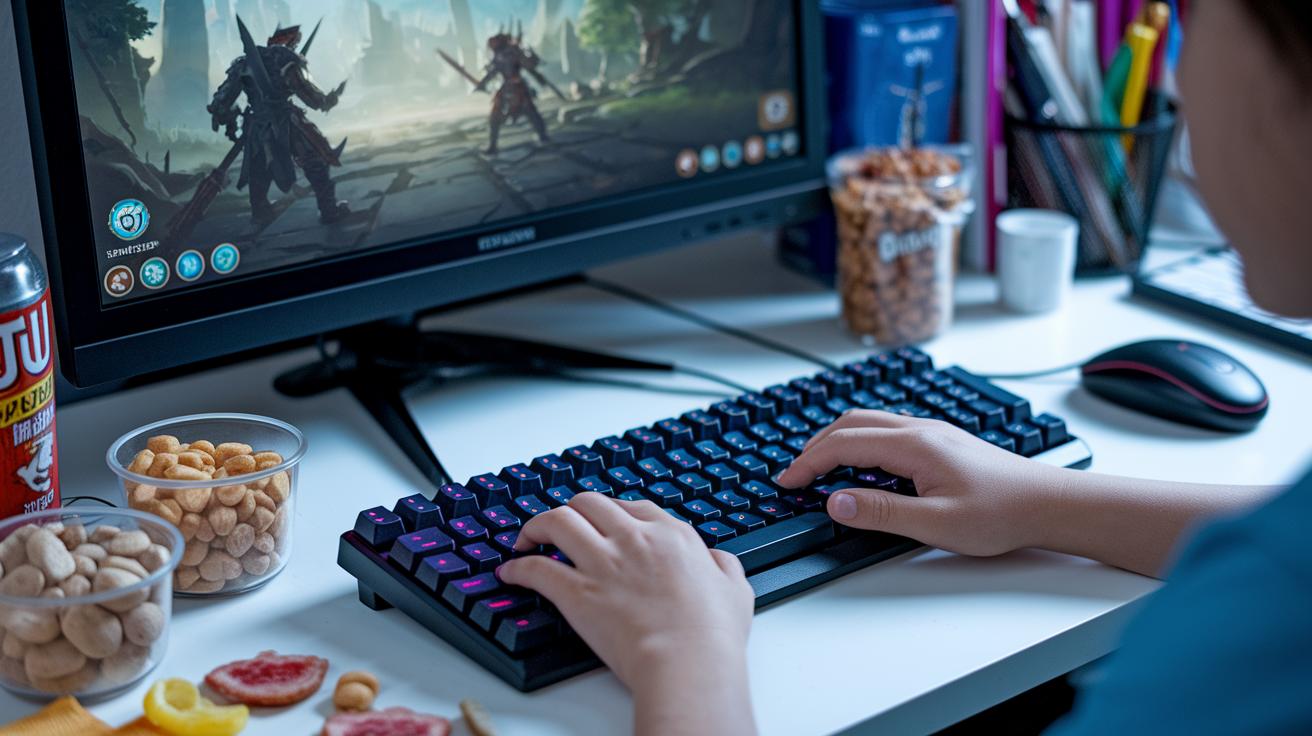
Online multiplayer games began as simple text adventures called MUDs, where players typed commands to explore a fantasy world. Over time, these plain beginnings transformed into graphic adventures that pull you right into the action. Picture a kid tapping at a keyboard, diving into a digital realm. It's a cool shift from basic pixels to vast worlds bustling with thousands of players.
Today, platforms like Twitch, YouTube, and Discord are changing the game. They let you share your epic wins and tough losses in real time, making the whole experience feel like a lively game night where every voice matters.
Gaming culture has grown into a high-energy arena, generating billions of dollars. Pro gamers now earn a living by cheering teams on and creating content. With huge tournaments watched by millions, it shows that digital play is more than just fun, it’s a dynamic world that shapes how we connect.
Each click and command helps build this vibrant digital community, proving that every bit of gameplay adds up to an ever-evolving culture.
Building Online Communities and Forming Digital Social Bonds
Multiplayer games bring players together from all over the world. When you join a guild, clan, or squad, every mission turns into a chance to bond. Imagine planning a raid where everyone shares a quick tip like "Remember, communicate early" to boost teamwork.
Both cooperative and competitive modes let you tackle challenges side by side. A great match isn’t about showing off solo skills, it’s about combining efforts and trusting each other. Picture the rush of coordinating a surprise attack; it’s like hearing, "Stand firm, and gloat later," which makes that sweet victory even better.
Social media adds more fun to the mix. Real-time chats and video streams help keep friendships alive long after the game is over. Platforms like the ones on NerdLadder let you jump into lively discussions, debate game strategies, and share funny banter that lights up the chat.
These shared moments boost both communication and planning skills. When you play without borders, you build real bonds, create lasting memories, and turn virtual connections into true friendships.
Video Game Social Interactions: Psychological Effects and Behavioral Patterns
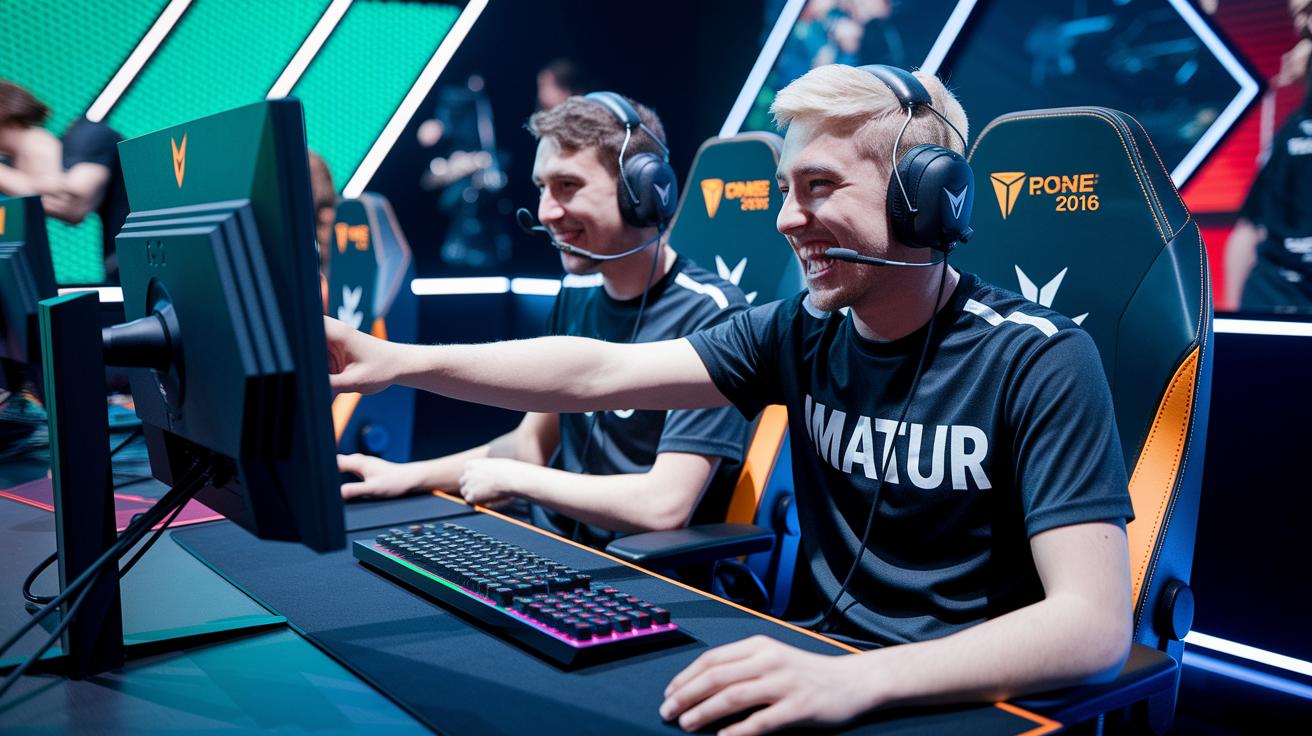
Studies have found that playing first-person shooter games can boost your eyes and thinking skills. It’s like doing a quick math problem that sharpens your reflexes during the heat of battle. Many gamers say they get better at spotting enemy moves and solving in-game puzzles. Basically, your brain levels up with every smart decision you make.
Casual games, like Minecraft, might not push your reflexes as hard as fast-paced shooters. Still, they help you stay focused and spark your creativity. Imagine building an awesome structure block by block. Every move you make under pressure trains you to think clearly and plan ahead.
Some research even shows some cool surprises, like helping kids with reading struggles and offering a bit of relief for those managing tough stress. In a way, these game sessions turn into mini boot camps for your brain.
On the other hand, playing games with lots of violent content can sometimes leave you feeling anxious or down. Some studies suggest repeated exposure could increase feelings of aggression or hyperactivity. It’s important to find a balance so that you enjoy the benefits without the extra stress.
Collaborative Team Dynamics and Socialization Strategies in Esports
Esports tournaments are high pressure, so every word matters. Teams need to make fast and clear callouts. Imagine a medic shouting, "Cover my six!" right when a sniper yells, "Enemy spotted at the ridge!" Quick reports like these change how each player does their part.
Pro teams train hard in tough, fast-paced settings. They practice real-time strategies and drills to get their callouts just right. Picture running a drill where one quick call leads to a coordinated attack, like saying, "Shift left, now!" This practice makes competitive play a whole different game from chatting casually with friends.
| Casual Gaming | Competitive Esports |
|---|---|
| Informal chat and laid-back vibe | Well-timed callouts under pressure |
| Flexible, changing roles | Clear roles with practiced strategies |
Teams adapt in real time, with every call and reply shaping the match. Ever felt that thrill when a well-timed call turns the tide? That's what makes esports so exciting.
Establishing Etiquette and Social Norms in Online Multiplayer Environments
When you're diving into online games, the vibe of how players chat and behave sets the tone for the whole experience. Communities usually have simple rules like no spamming and keeping the chat respectful. It's like the neighborhood rule: be cool and kind. Plus, reporting features and moderators make sure everyone gets treated right.
Players quickly learn how to handle conflict on the fly. When things get tense, you might hear, "Let's mute for now." This shows that taking a breather can be smarter than jumping into a heated fight. Sometimes a quick kick or a bit of mediation is all it takes to stop things from getting toxic and keep the fun going.
Gaming communities really thrive when everyone plays by the same rules. When one person sets a respectful tone, others follow suit, making the atmosphere friendly. It's like a team rally cry, "Play nice, share the fun", that turns every match into a more enjoyable experience.
Influence of Multiplayer Gaming on Real-Life Social Skills and Identity Formation
Online multiplayer gaming gives you the chance to boost your leadership, quick thinking, and negotiation skills. When you're leading your team during a heated match, you're also learning to guide others and make split-second decisions. It’s a lot like being the captain of a sports team, you rally your crew with a confident, "Let's move, team!" and spot the best moments to back up your friends.
These digital battles also shape who you are by bringing together players from all sorts of backgrounds. Imagine chatting with a gamer from a totally different part of the world and picking up a cool new way to solve problems. This blend of ideas builds a strong sense of social responsibility, and pretty soon, veteran players start stepping up as mentors, offering advice that goes way beyond the game.
In these online arenas, every match hones your life skills by teaching you how to handle conflict and plan strategies on the fly. That split-second call during a game can feel a lot like the tough decisions you face in everyday life. You pick up the art of balancing being assertive with knowing when to work together, growing not just as a player but also as a friend and community member. Every callout and victory leaves a mark on who you are both on and off the screen.
Future Trends in Online Multiplayer Gaming and Strengthening Social Connectivity
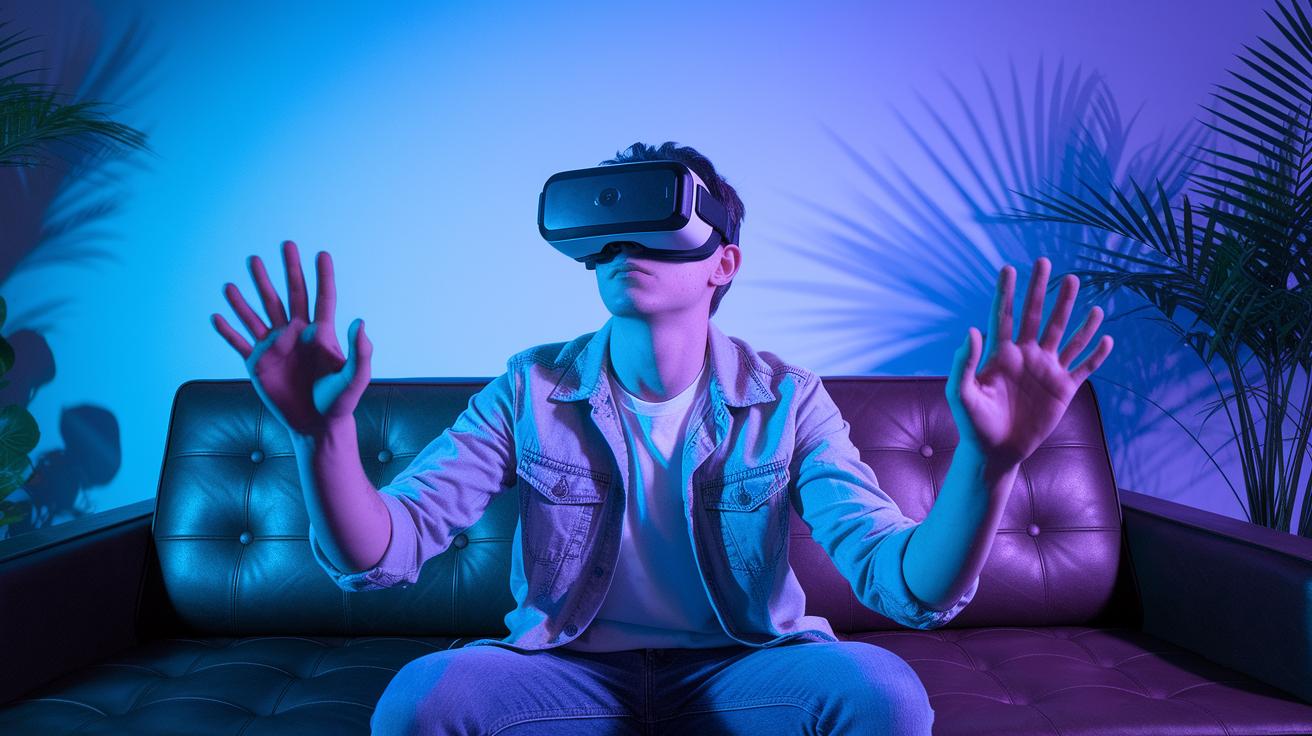
Ever think about how VR and AR are totally changing the game? Imagine popping on your VR headset and stepping into a digital world where you can high-five friends from the other side of the planet. It feels real, fast, and fun, just a taste of what’s coming.
Cloud gaming is breaking down barriers, too. Back in the day, you needed top-notch gear to join in the action. Now, all you need is a steady internet connection to dive into epic multiplayer matches. Remember when expensive hardware kept so many players out? Now, anyone can jump in, making our gaming community bigger and louder.
We also have to keep an eye on our health. Long gaming sessions can mess with your eyes or make screen time feel endless. Developers and community managers are on it, tweaking game speed and adding friendly reminders to take a breather.
This gaming boom is sparking cool career paths, from pro streaming to virtual coaching. Digital hangouts aren’t just casual chats anymore, they’re hubs for creative projects and next-level teamwork. Our online meetups are shaping how we connect in the real world, blending fun with genuine teamwork.
Final Words
in the action, we explored how gaming changed interactions from chat-room text to live battles. We broke down team plays, social rules, and the mental ups and downs of multiplayer play. Each segment laced practical tips on building bonds and steering clear of toxic behavior, while pointing out the rise of new platforms and emerging trends. All these bits paint a clear picture of how online multiplayer gaming shapes social behavior, leaving us charged up for what the next play might bring.
FAQ
Q: How does online gaming affect social interactions and society?
A: The way online gaming affects social interactions is by connecting players across borders, fostering real-time talks and teamwork, and shaping community bonds that spill over into everyday life.
Q: How do video games impact social skills both positively and negatively?
A: The way video games impact social skills combines benefits like improved communication and cooperation with negatives such as increased anxiety or aggression from repeated exposure to violent content.
Q: How do multiplayer online games contribute to teenagers’ social development?
A: The way multiplayer online games contribute to teen social development is by teaching teamwork, leadership, and communication skills while exposing them to different perspectives and problem-solving challenges.
Q: How does gaming affect behavior?
A: The way gaming affects behavior is by sharpening focus, strategic thinking, and reflexes, though excessive or unhealthy play may be linked to signs of anxiety or heightened aggression.