

Have you ever thought your Twitch stream could be your secret hideout? Picture a spot where only your closest friends can see your best plays while you try out new setups. In this guide, you'll learn how to lock your channel down with extra account security and clever streaming tools (extra measures to keep your channel safe). It's like building your own VIP club on Twitch, cooler and much safer. Ready to turn your public stream into a private playground for testing and fun?
Setting Up a Private Twitch Stream
Twitch doesn't really have a "private" mode, so you'll need to use an unlisted stream or work with a Twitch Team. Basically, your stream isn’t hidden by some magic trick, it’s up to you to decide who gets to watch. First off, lock down your account with two-factor authentication (2FA). Think of it as an extra door lock that only lets you change your stream settings.
2FA is a simple way to keep unwanted folks out. Turning it on adds an easy step to block sneaky access. And while you're at it, grab a solid broadcasting tool like OBS Studio or Streamlabs to keep everything running smooth.
Here’s a quick guide:
- Enabling 2FA in your Twitch settings – Head to your Twitch security page, switch on 2FA, and set up that extra secret handshake.
- Installing and setting up OBS Studio or Streamlabs – Download your preferred tool, tweak your scenes, and get your streaming setup just like you’d tune a console before a big match.
- Changing your stream to “Unlisted” – Switch your stream to unlisted so it’s like having a "VIP only" badge on your broadcast.
- Sharing the stream key or link with trusted viewers – Only give your unlisted link to friends, like inviting your best pals for a private LAN party.
- Doing a test run with a friend – Ask a buddy to join a trial run to make sure everything is good to go, just like practicing before a major play.
Keep that unlisted link under lock and key. If someone untrusted gets hold of it, they might jump into your stream. So, only share it with people you trust and be ready to change your stream key if needed.
Twitch Privacy Controls and Platform Limitations
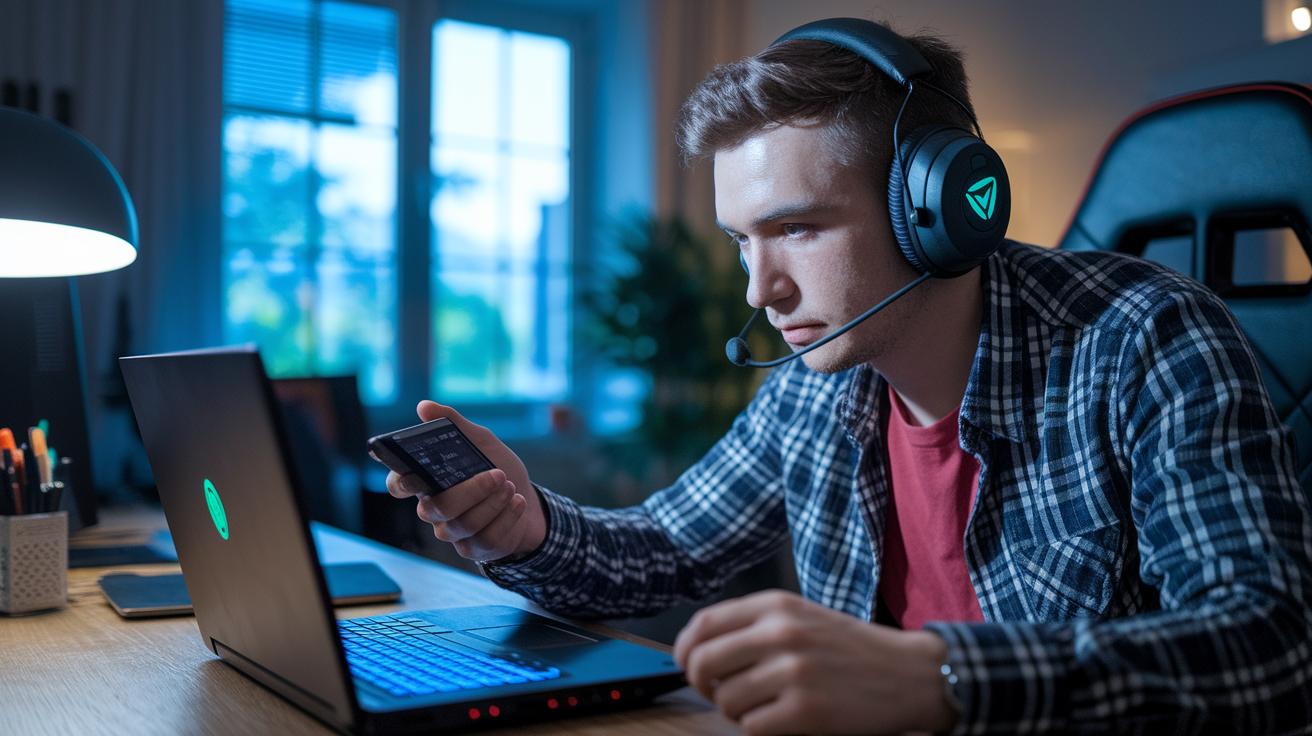
For lots of streamers, going private means testing new gear or gaming with friends and family. When you switch your stream to unlisted, think of it like a chill practice round. You get to fine-tune your audio, video, and overall look without a huge crowd watching. Some use this mode for invite-only events where only those you trust can join. Just remember, this isn’t a full-on private mode, only share your link with people you really trust.
Twitch Inspector is a cool tool that checks your stream’s bitrates and notes any dropped frames. It helps you spot issues quickly. But it won’t stop random folks from joining if they get hold of your link. Even when you set up team streams where only specific accounts can watch, there’s no extra layer like a password. So while you can control who sees your stream a bit, the security really comes down to how carefully you share your access details.
Configuring Unlisted Twitch Streams with OBS
If you've already got OBS Studio or Streamlabs set up, you can skip the installation steps. Now, fire up your streaming software, check that all your settings are current, and get ready to hook up your stream to Twitch.
Next, log in to your Twitch dashboard to grab your stream key. Copy it and paste it into OBS or Streamlabs. Flip your stream status to unlisted (or add a team name) so only those invited can join. Think of it like unlocking your own private match room.
Before you go live, do a quick performance check. Make sure your wired upload speed hits at least 5 Mbps, test your USB microphone for clear sound, and set your webcam to 720p or 1080p for smooth visuals. It's like gearing up for a game, just a quick warm-up to ensure everything is set for action.
Managing Viewer Access for Twitch Private Streams
Sharing your secret Twitch link can be a bit risky. If it gets into the wrong hands, random viewers might crash your private session. So, only hand out your stream URL to people you trust, alright?
| Method | Purpose |
|---|---|
| Link Sharing | Pass the URL directly to your trusted pals |
| Twitch Teams | Add up to 100 accounts so you can keep a careful eye on who’s watching |
| Key Rotation | Change your stream key often to boot out anyone not invited |
| Embedded Streams | Place your stream on a members-only site for extra security |
A few quick tips: change your stream key regularly, and cancel any old links to make sure no gatecrashers get in. Also, keep your Twitch Team updated and double-check that only the right accounts have access. Trust me, keeping a tight grip on who can watch makes your broadcast way safer.
Troubleshooting Twitch Stream Privacy Settings
Ever tried starting your private stream only to get a "404" or "Not Authorized" error? It can be super annoying. Usually this happens if your Twitch stream key got rotated (changed) and you forgot to update it in your broadcasting software. Or, you might see the error because you haven't confirmed your two-factor authentication (2FA), which blocks the stream.
Another common issue is with team invites. If your team members haven't accepted their invitations, they could run into errors trying to join your stream. Check your Twitch Inspector logs, they might show failed authentication or missing 2FA prompts, which gives you a clue about what's going wrong.
Here’s what you can do: rotate your stream key and update it in your streaming app. Then, resend the invites to your Twitch Team so everyone remembers to accept them from the Twitch Dashboard. Make sure 2FA is activated on your account and that you’re sharing the most up-to-date URL. After making these changes, run a quick test to see if the errors disappear. Don’t forget to retest after each change to ensure your private stream is secure and working just right.
Alternative Private Streaming Options beyond Twitch

Discord servers make streaming super easy and safe since only those with an invite can join. You can set up private channels with special role permissions so only the friends you pick get to see your live session. It’s just like hosting a private gaming night with your closest buddies, keeping your content away from the public.
If Twitch feels too limited on privacy, try YouTube’s unlisted streams or Restream’s password-protected embeds. YouTube unlisted streams hide your broadcast from everyone except folks with the link. And with Restream, you can embed your stream on a private website secured by a password, kind of like an extra lock on your door. Choose your platform based on how many people you want to join and what features suit your style, making every private broadcast feel just right.
Final Words
in the action, you learned how to make twitch stream private by setting up 2FA, configuring OBS, and marking your stream as unlisted. We covered simple steps to keep your stream link tight and secure, from key rotation to testing with a friend.
You also saw the limits of Twitch privacy controls and explored backup options like Discord and YouTube’s unlisted streams. With these tips, you’re set to boost your streaming safety and level up your gameplay with confidence.
FAQ
How do I stream privately on Twitch with my console (PS5, Xbox, PS4)?
Streaming privately on consoles means using Twitch’s unlisted stream option. When you set up your stream through your console’s linked streaming app, only those with your private link or invite can watch your session.
How can I change Twitch privacy settings for a private stream?
Changing Twitch privacy settings means marking your stream unlisted or invite-only. While Twitch lacks a true private mode, you can adjust account options and use Twitch Teams with 2FA enabled for added security.
How do I create a password-protected or subscriber-only Twitch stream?
Twitch doesn’t support true password protection. Instead, you can set up subscriber-only or friends-only streams using invite-only features, which restrict access to only approved viewers.
How do I make my Twitch account more private?
Making your Twitch account more private involves updating your profile settings to restrict information sharing and enabling two-factor authentication for secure access management.
How do I stream privately on YouTube?
Streaming privately on YouTube means setting your broadcast to “Unlisted.” This way, only viewers with the direct link can watch your stream, keeping it hidden from public search results.
Can videos on Twitch be made private?
Videos on Twitch can be hidden from the public by not publishing them. You can control who sees past broadcasts through your channel settings, ensuring only trusted viewers gain access.