
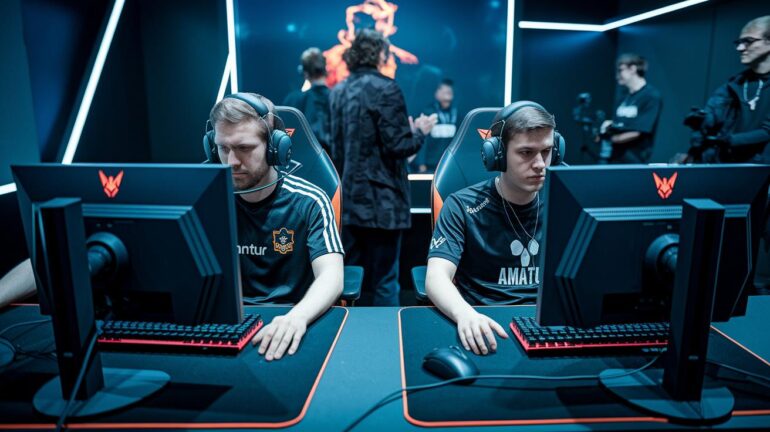
Ever wonder how CS:GO teams climb the ranks? HLTV keeps it real by showing you, live, which teams are on fire. Every win, loss, or nail-biting match shakes up the leaderboard, making each point a big deal. Look at top teams like Astralis and Natus Vincere. One slick move or tiny mistake can flip the game. Let’s break down this clear, number-driven system that shows why some squads soar while others just can’t keep up.
hltv ranking: CS:GO Teams Soar High
HLTV gives you a real-time glimpse of the top CS:GO teams out there. They update the rankings every Monday using clear, straight-up rules. They look at match wins and losses, the toughness of opponents (how challenging the other team is), the stakes of the tournament, and even let older results fade a bit. This mix shows both who’s on fire right now and who stays strong over time.
Here’s the current top 10 HLTV team ranking:
| Rank | Team | Points | Recent Change |
|---|---|---|---|
| 1 | Astralis | 1025 | +10 |
| 2 | Natus Vincere | 980 | -5 |
| 3 | Team Vitality | 965 | +8 |
| 4 | FaZe Clan | 950 | +3 |
| 5 | G2 Esports | 940 | -2 |
| 6 | Ninjas in Pyjamas | 930 | +4 |
| 7 | Mousesports | 920 | +1 |
| 8 | Virtus.pro | 910 | -3 |
| 9 | ENCE | 900 | +6 |
| 10 | MIBR | 890 | -7 |
Every week, as new match results come in, teams jump up or slide down the leaderboard. A key win in a high-stakes match can give a serious boost, while older games start to lose their weight. It’s a clear, fair system that shows the true pulse of the CS:GO competitive scene.
Breakdown of HLTV Ranking Methodology

HLTV's ranking system relies on real, hard numbers instead of just opinions. The algorithm checks out both your latest moves and your overall game history. It's like checking your high score, every win, loss, and even every button press counts.
Match results are the core of the ranking model. Every game outcome either adds or subtracts points from your score. Think of a major win like pulling off a flawless combo, it gives your team a sweet boost. Each match earns weight based on its importance, so you get rewarded for winning when the pressure is on.
Tier weighting is another game-changer. It makes high-stakes matches count more, much like bonus rounds in your favorite game. If your team wins in a top-tier tournament, it's like beating an extra-challenging level for bonus coins. Plus, the system factors in how tough your opponent is, with victories over stronger teams earning extra points, like the thrill of defeating a top boss.
Then there’s the decay model, which makes sure older results gradually fade away so the focus stays on current performance. If teams end up with the same score, the algorithm digs a little deeper by looking at things like regional performance and overall consistency to break the tie. This smart method keeps the leaderboard fresh and the competition exciting.
Historical Evolution of HLTV Rankings
HLTV launched its ranking system in 2015 and has been updating it every week ever since. Back then, the focus was on top-tier events, and teams that played those intense, nail-biting matches earned extra points, like snagging a bonus in a key round. Fans quickly got hooked because it spotlighted teams that shined when the pressure was on.
Over time, the rankings changed a lot. Teams like Astralis and Natus Vincere always played at a high level, keeping the leaderboard exciting. As competition got fiercer, HLTV tweaked its rules to balance big, game-changing wins with consistent performance. Even small differences in play could now shift a team's position, making the whole system feel fairer and more detailed. This evolution boosted the ranking's credibility and had the community even more pumped for every match.
Trends Analysis in CS:GO Leaderboard Reviews
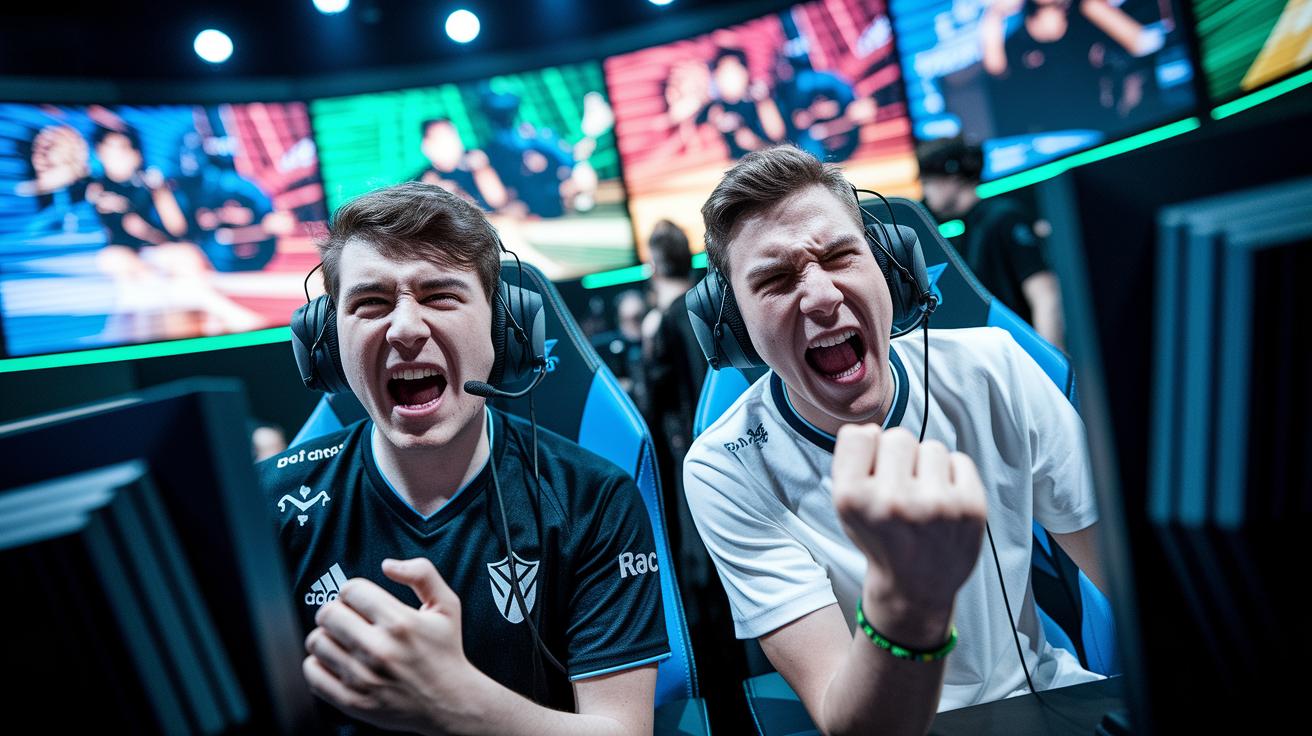
New teams and players are shaking up the leaderboard. We see underdog squads pulling off amazing moves that quickly boost their rankings. It’s like when you unlock a secret level in your favorite game, the whole vibe shifts instantly.
There’s a growing trend where individual players make clutch plays that change the course of a match. These new talents are not letting established names have all the glory. Imagine a rookie stringing together perfect plays, much like leveling up after a tough quest; it really pushes the whole team higher up the board.
Veteran teams still hold their ground with solid, reliable plays. Their smart in-game moves and tight coordination remind you of a well-practiced routine that fans can always count on. Even as fresh energy enters the scene, experience remains a key factor in staying at the top.
In-game stats also play a big role in the rankings. Key numbers like AWP kills per round and overall consistency act like a report card for each match. This detailed overview, backed by historical data, helps fans see why teams move up and down, making every match a crucial part of the bigger picture.
Navigating HLTV Rankings and Update Tracking
Start by heading over to the HLTV website and finding the rankings page. Once you’re there, look for the live standings that show each team’s spot, their performance points, and key stats. It’s like opening your favorite game menu where all the scores are right in front of you.
Next, try out the filters on the site to zero in on the matchups that matter most to you. You can pick out "Today's Matches," check the latest results, or see what’s been happening recently. Think of it like tweaking your dashboard in a strategy game, choosing the right view helps you spot the important updates.
Finally, don’t miss the weekly update when the rankings refresh every Monday. Keeping an eye on this is like tracking your daily performance points in a game. Use the performance metrics in the Stats Overview and Top Teams tabs to see how teams are rising or dropping. It’s a quick, easy way to turn raw numbers into a live snapshot of CS:GO action.
Final Words
In the action, we explored current CS:GO standings, breaking down how match results, event tiers, and opponent strength shape the rankings. We checked out the weekly updates, showing how clear metrics influence team positions. The blog revealed insights on both emerging teams and veteran consistency while tracking shifts over time. Seeing the process behind each hltv ranking helps sharpen your gaming strategy and understanding. Stay tuned to these stats and enjoy every pulse-pounding update.
FAQ
Q: What does HLTV ranking for CS2 mean and how is it updated?
A: The HLTV ranking for CS2 means team standings for Counter-Strike 2. It is updated every Monday by looking at match outcomes, opponent strength, event importance, and how recent the matches are.
Q: How do HLTV rankings differ from ESL rankings?
A: HLTV rankings use weekly match data and objective metrics like match results and event types, while ESL rankings focus on tournament performance with their own set of criteria.
Q: How are HLTV and Valve CS2 rankings determined?
A: HLTV CS2 rankings are based on game metrics updated weekly, including recent match results and opponent quality. Valve’s ranking follows its internal criteria, which may differ from HLTV’s methods.
Q: What factors shape HLTV rankings in CS:GO and how do player rankings compare?
A: HLTV CS:GO rankings are built on match outcomes, opponent quality, and event importance, balancing recent and long-term performance. Player rankings focus on individual stats like kills and performance in key rounds.
Q: What is the HLTV rating and is a 1.1 rating considered good?
A: The HLTV rating is a performance metric based on in-game stats. A 1.1 rating is strong in competitive play, reflecting a very solid and effective performance during matches.
Q: What does the HLTV world ranking indicate and who is the best CS:GO team?
A: The HLTV world ranking shows global team performance based on recent results and consistency. The best CS:GO team is usually the one leading these rankings, recognized for meeting key performance metrics.
Q: How do HLTV matches influence the Top 20 rankings?
A: HLTV matches directly affect team standings as each game sends performance points into the weekly ranking system, helping shape the Top 20 list that spotlights teams with consistent, high-level play.