
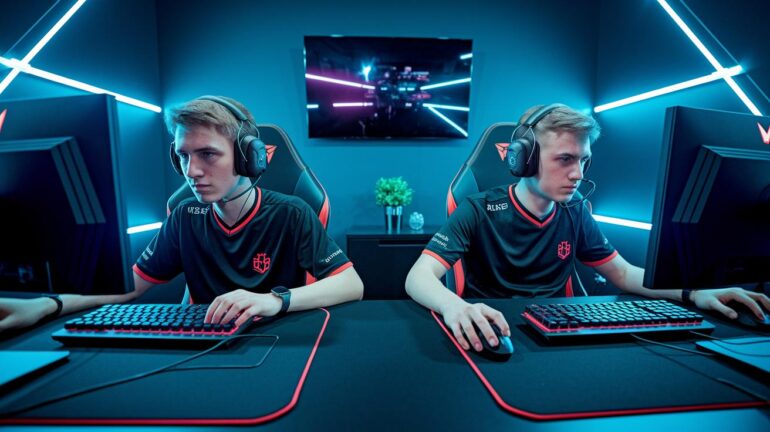
Ever wonder why esports champions stand out from the crowd? In competitive play, every move matters, and players switch strategies faster than you can blink. Think about a StarCraft II game where each resource move (basically deciding where to put your funds) can completely change the outcome, or a Counter-Strike match where mastering the map shifts the balance. Quick, smart decisions aren’t just about reacting, they build momentum and get the whole team in sync. This post shows how setting clear goals and staying flexible can turn tough moments into epic wins.
Foundations of Strategic Decision Making in Competitive Esports
Competitive esports demand players who are quick, smart, and ready to change plans on the fly. Take StarCraft II, for example, players work hard managing their resources (think of it like collecting power-ups) and organizing their bases while trying to guess what their foes will do next. And then there’s Counter-Strike, where controlling the map, picking smart positions, and syncing up with your team are key to pulling off those epic clutch plays.
Top teams break big season goals into match-by-match tasks and always have a backup plan when the game suddenly changes. Ever picture a player switching roles right in the heat of battle? Like swapping a sniper for a breacher just as the enemy’s push takes an unexpected turn. Epic.
Good strategic planning is all about setting clear win conditions, knowing the risks, and staying flexible. Key ideas include:
- Setting clear goals for each match.
- Keeping a tight grip on your resources.
- Picking roles and switching them up fast when the situation changes.
- Figuring out what your opponents might do and planning a counter.
- Having backup moves ready to keep the team in the fight even when things get tough.
This approach works across all game types. Whether you’re dealing with resource fights in StarCraft II or managing map control in a shooter, having multiple game plans ready to roll helps every pro stay on top. It’s not about sticking to one rigid plan, it’s about being ready to change tactics the moment something unexpected happens, making quick decisions as the match unfolds, and keeping the whole team in sync. This mix of planning before the match and tweaking your strategy during play builds the foundation for success in today’s fast-paced esports battles.
In-Match Decision Frameworks and Real-Time Tactical Adjustments in Esports

In any esports match, every second matters. Pro teams make quick calls and switch up their strategies on the fly, turning the tide of the game. They keep an eye on how the match is flowing, spotting enemy moves and reacting before the opposition can steal control. With live data feeds (real-time stats that let you see what’s happening as it happens), teams switch tactics in a heartbeat. It’s like reading a playbook that's constantly updating, you get new info and suddenly, roles, resources, or positions might need a change.
Here are five core real-time adjustment moves that pro teams use:
- Rotating resources: Shifting backup or firepower exactly where it's needed, imagine sending extra ammo to a buddy in a hot zone.
- Reallocating roles: Mixing up who does what mid-match; think about swapping a defender for someone ready to attack.
- Executing fallback maneuvers: Pulling back smoothly when an attack isn’t working, then regrouping to counter swiftly.
- Adjusting formations: Tinkering with positions to cover weak spots that pop up during the match.
- Leveraging live data insights: Using quick alerts to spot chances to turn the game around, just like getting a sudden tip in a tight match.
Each of these adjustments keeps the gameplay fluid and exciting. Ever felt that rush when a last-minute play flips the game? That’s the power of real-time decision making in esports!
Tournament Preparation Tactics and Meta Analysis Techniques for Competitive Esports
First off, dig into those patch notes and watch how your rivals play. In games like Blue Archive, checking out team setups helps you see how character pairings and mission types work together. Pros in League of Legends and Fortnite spend hours watching replays and patch updates to catch any power spikes for upcoming matches. This deep dive sets the stage for a solid game plan and clear goals before you jump into a tournament.
Next, break down the overall strategy into small, practical steps. Start by reading the newest patch notes to spot any gameplay tweaks. Then, watch replays or highlight clips to learn your opponents’ play styles and past performances. After that, tweak your strategy based on each map or level’s quirks, and remember how hero or character choices can totally change your game plan.
| Meta Analysis Factor | Description |
|---|---|
| Opponent Playstyle | Learning enemy habits and common moves |
| Patch Trends | Keeping up with changes and balance updates |
| Map-Specific Strategies | Finding special tactics for each battleground |
| Hero/Character Picks | Figuring out which heroes or characters work best together |
Using this checklist makes your tournament prep feel like a well-planned raid, ensuring you’ve covered every angle before you step into the arena.
Team Coordination Methods and Squad Communication Protocols in Competitive Esports

Good, quick communication can be the difference between winning and losing a match. Pro teams, whether they are five-player League of Legends squads or two-player Fortnite duos, depend on clear voice chat and solid trust. They use simple calls like role calls (each player shares their current job), timer checks (short updates on when abilities or objectives refresh), and emergency pings (alerts for sudden threats). This keeps everyone in sync when things get hectic.
Team leaders drop quick hints to guide the crew. A fast call to reposition or a shout of "backup needed" can instantly change the team’s focus. Advanced in-game messaging lets players swap roles and adjust plans smoothly, keeping the team flexible.
Best practices include:
- Role calls before each fight to confirm everyone’s spot.
- Timer reminders that help players predict enemy moves.
- Emergency signals to kick off fallback maneuvers.
By fine-tuning these chat tactics, teams boost their synergy. They mix individual skills with smooth teamwork to form a tight unit ready to take on the fast pace of competitive esports.
Risk Assessment Methodologies and Tactical Risk Management in Esports Matches
In the heat of esports battles, teams have to decide fast. They weigh the risk against the reward with every move. For example, in StarCraft II, players often decide whether to go all in early with a big push or slow down and build up steadily. And in Counter-Strike, teams check their intel and plan how to use their gadgets (like flashbangs, which can temporarily blind opponents) before making a risky site push. They even think through what might happen before putting their plan into action.
Many top players sketch out decision trees during tournaments. Imagine a tree with branches splitting out. One branch might show a daring, offensive play, while another shows a safe, defensive move. This method helps teams compare possible gains and losses, so they steer clear of moves that could hurt their game.
Key tactics include:
- Weighing resource trade-offs before making a move.
- Drawing up decision trees to explore different plays.
- Tweaking strategies based on what’s happening in the game.
- Balancing real-time intel gathering with quick decisions.
- Having backup plans ready in case things go south.
Using these methods, teams make smart choices under pressure. Every move is a calculated step to keep them ahead in the game.
Leveraging Data: Analytics and Performance Metric Evaluation for Esports Strategies

Teams in competitive esports trust data like a secret weapon. Big names check K/D ratios (kills-to-deaths), objective control percentages, and resource-per-minute stats to spot where they can improve. Imagine logging into your analytics tool and seeing a spike when your opponent starts rotating. Instantly, every move counts, like having a live cheat sheet right at your fingertips.
Teams use real-time dashboards that show enemy movements the moment they happen. Picture this: your dashboard lights up as an opponent repositions, and boom, your team adjusts their play on the fly. It’s that quick reaction turning insights into game-changing moves.
Predictive modeling is another game-changer. It crunches current and past data to forecast what might happen next, so you’re not just trusting your gut. For example, if a post-match review shows your resource-per-minute stats are falling behind, it signals that a tweak in strategy might be needed. Fun fact: in one major tournament, a team ramped up their win rate by 15% just by shifting resources after spotting a trend!
A solid workflow typically includes:
| Step | Action |
|---|---|
| 1 | Capture baseline metrics before each match |
| 2 | Monitor data live with dashboards |
| 3 | Review match stats in detail |
| 4 | Adjust strategies as trends emerge |
| 5 | Reassess performance in future games |
These tools and methods turn raw numbers into smart moves, constantly sharpening your game plan. Check out game analytics to see how post-match reviews can fuel your next tactical shift.
Developing a Competitive Mindset: Mental Agility and Pressure Management Strategies in Esports
When the pressure is on, thinking clearly can make all the difference between a crisp win and a mistake you’ll regret. Gamers train their minds with cool workshops and drills that push them to decide fast and act even faster. Imagine having only a few seconds to choose your next move – that burst of adrenaline gets your brain ready for anything.
Core exercises include:
- Quick-reaction drills that challenge you to react in the blink of an eye.
- Visualization steps where you picture every move, like running a replay in your head.
- Review sessions that break down your choices after each match, so you learn what works and what doesn’t.
These techniques do more than sharpen your in-game skills, they help you stay cool when life throws challenges your way, whether at work or school. By practicing tactics like those in the mental game strategies for ladder competitions, you build resilience and boost your ability to decide on the fly. Over time, this focus turns pressure into a secret weapon for making faster, better plays.
Ever felt that rush after a clutch win? Keep training, and let your competitive edge shine.
Final Words
in the action, the blog broke down key tactics that drive smart gameplay. We covered game planning basics, in-match calls, tournament tactics, clear team comms, and ways to weigh risks. Data tips and mental drills also showed how to make split-second calls feel like second nature. All these ideas circle back to strategic decision making in competitive esports, helping you boost your gaming skills step by step. Keep ahead of the curve and enjoy every clutch moment on the battlefield.
FAQ
Q: Strategic decision making in competitive esports pdf
A: The inquiry about strategic decision making in competitive esports pdf refers to a document that outlines how teams plan moves, manage resources, and adjust tactics in fast-paced games like StarCraft II and tactical shooters.
Q: Strategic decision making in competitive esports examples
A: The inquiry about esports examples shows real-life cases where teams plan moves, such as managing resources in StarCraft II or controlling key areas in tactical shooters, to tip the scales in their favor.
Q: What are some examples of strategic decision-making?
A: The question about examples of strategic decision-making highlights decisions like choosing high-risk plays in Counter-Strike or adjusting tactics in real time during a match, providing clear comparisons between different game scenarios.
Q: How strategic decision-making is used for competitive advantage?
A: The inquiry on how strategic decision-making secures a competitive edge explains that teams use fast adjustments, data-driven insights, and clear team roles to outthink their opponents during crucial moments of play.
Q: How can esports help students improve their decision-making skills?
A: The question on esports and student skills shows that gaming improves quick-thinking, planning, and teamwork, which help students sharpen their quick decision-making abilities both inside and outside the game.
Q: What is the game theory of strategic decision-making?
A: The inquiry about game theory explains that it examines how players anticipate opponents’ moves and plan resource allocation, much like classic strategy games where every decision can tip the balance.