

Ever wonder if your team might be missing a hidden advantage? Many teams stick with the same old routine. A smart practice schedule can boost your skills and change the whole game.
Our guide breaks it down step by step. First, mix in drills, scrims (practice matches played like real ones), and game reviews to create a smooth setup. This plan saves time and helps you win more often.
Every minute counts when you’re leveling up. With a well-planned routine, you turn each session into a chance to get better and dominate the digital arena. Trust us, a better schedule could be the secret weapon your esports team needs.
Build Your Esports Practice Schedule: Templates and Strategies
Coaches looking for a solid practice plan, here’s a strategy to help you get started. Begin every session with a quick check-in, ask your players how they're feeling for just a minute or two. Then jump into a brief 3-5 minute talk to set your game plan and win conditions. Every minute counts, making sure drills and breaks both have a purpose.
Imagine splitting your week into clear parts: in the morning, focus on individual drills that boost your mechanics and reaction time; by afternoon, dive into team scrims where you work on real-time strategies; and in the evening, spend time checking stats and reviewing game footage (VOD reviews). This cycle prepares you for online battles while leaving room for quick recaps and short breaks.
| Day | Morning Session | Afternoon Session | Evening Session |
|---|---|---|---|
| Monday | Individual drills | Team scrims | Analytics review |
| Tuesday | Mechanic training | Scrim setups | VOD review |
| Wednesday | Aiming practice | Strategy sessions | Stat tracking |
| Thursday | Reaction drills | Team scrims | Performance analysis |
| Friday | Solo routines | Match preparation | Recovery and review |
Using this plan, teams can keep getting better every day. Coaches can track progress by watching game footage and tweaking drills based on team feedback. This routine prepares you for online matches with clear pre- and post-scrim steps, and yes, you even get recovery time thrown into the mix. With goals mapped out and a solid schedule, every practice is a chance to master in-game skills and leave no room for guesswork. It’s a reliable path to steady improvement, one session at a time.
Setting Esports Practice Goals and Timelines
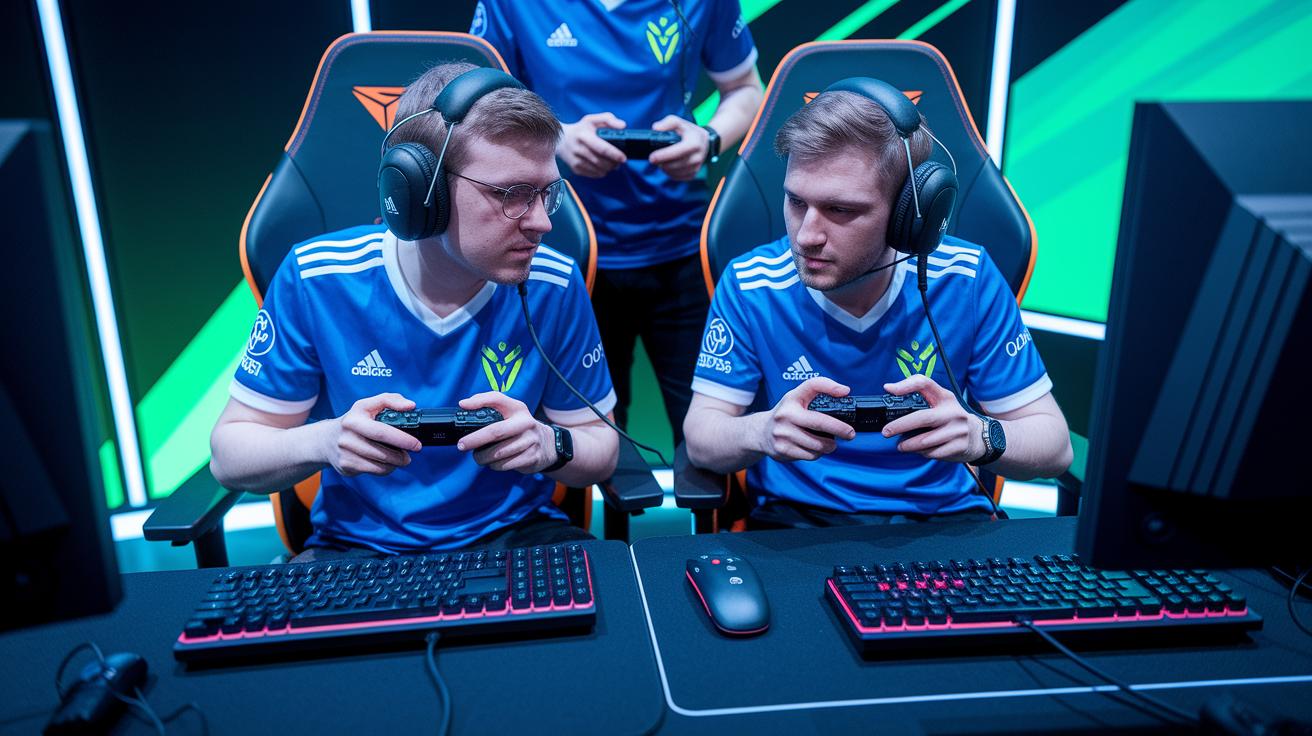
Start every session with a quick team huddle. Check in on everyone’s mood and energy like you're gearing up for an epic match. Ask simple things like, "How pumped are you for tonight's scrim?" This little chat sets the vibe and reminds everyone that every minute matters.
Link each daily check-in to a clear, measurable goal. Whether it's a warm-up drill or a tactical scrim, every exercise should level up your team's skills and keep the energy focused.
Then, pair these daily targets with weekly milestones that pave the way for long-term competition readiness. Think of your schedule as a game map where drills, scrims, and recovery breaks come together for a big win. Regular tracking helps you tweak plans when needed, like adjusting a drill if reaction times aren't improving. By planning a smart timeline for every session, you'll make each practice count and help your team climb the ladder steadily.
Structured Drill Organization for Skill Development
Drills form the heart of your practice routine. They keep your skills sharp and your game fresh. A solid drill plan helps you focus on key areas like your aim and reaction time while also boosting team synergy. Mixing up drill types keeps things exciting and helps you improve steadily.
Individual Skill Drills
Individual drills let you work on your own game. This is where you fine-tune your aim, polish your movement, and make quick decisions. It’s like warming up before a big tournament: you practice your aim, hop between targets, and adjust your moves until they feel just right. For example, try setting up targets and see how fast you can hit them all, this really boosts your reflexes. Coaches also use performance stats to spot where you can improve and then suggest drills tailored just for you. Every solo session builds a strong base for those epic, game-changing moments.
Team-Focused Scrims
Team scrims are all about syncing up with your squad. They go beyond raw skill and focus on clear communication and understanding your teammates' moves. A good scrim might include drills on rotations, set plays, or practicing quick callouts during intense moments. This type of practice helps you nail your callouts and find the best spots on the map when the pressure is on. Whether you’re setting up a surprise play to catch the enemy off guard or tweaking your team rotations, these drills copy what happens in real matches so everyone feels connected and ready when it counts.
- Aim Practice
- Reaction Drills
- Communication Exercises
- Map Awareness Routines
- Strategic Play Scenarios
- Clutch Situation Drills
Time Management and Recovery in Esports Training Calendars

Balancing tough training sessions with smart breaks is a game-changer for any esports player. When you’re pushing hard during practice, it helps to take quick, focused pauses, like a five-minute reset, to keep your mind fresh. Think of it as hitting pause during a match to plan your next epic move. Mixing in full rest days along with structured training means you’re not just grinding non-stop; you’re also giving your body and brain the recharge they need. Add in plenty of sleep, good food, and some chill time, and you're setting yourself up to dodge burnout every time.
Staying on top of your game means finding the right mix of hard work and breaks. After each practice block, take a minute to figure out what worked and what could use a tweak, sort of like checking a replay to see where you can improve. These planned breaks let you step back, see your progress, and adjust your training intensity. A routine that balances effort with recovery not only strengthens you physically and mentally, but also sharpens your skills and helps you make every practice session count.
Tracking Progress and Adjusting Your Practice Agenda
Keeping track of your team's progress starts with simple, clear numbers from every game session. Stats like KDA (which measures how many kills, deaths, and assists you have), win rate, average reaction time, and objective control give you a quick look at how you’re playing. They show which parts of your practice might need a little extra boost. Tools like the Performance Tracking System Review Radar let you see real-time data, which means you can jump in and make quick tweaks to your practice plan.
After a scrim, a short team chat is super helpful. A quick debrief lets everyone share what worked and what didn’t on the fly. When you mix this real talk with your game stats, you can focus more on drills that need extra attention. This approach, watching your numbers and listening to each other, turns every practice into a chance to get better.
Essential Tools and Software for Esports Practice Scheduling

Digital tools like Google Sheets and Trello act like your personal game plan. They let you mark out each practice session by day and time, giving every moment a clear purpose. Imagine setting up a schedule that says "Morning drills, afternoon scrims, and evening reviews", it’s like mapping out your power moves before the big match.
Clockify is perfect when you need to keep time on point, tracking every interval with precision. Aim Lab steps in next, offering drills to sharpen your mechanics (that’s your in-game moves). And then there are Overwolf apps that help your team coordinate during scrims, sending quick alerts when it’s time to switch tactics. Together, these digital playbooks boost your productivity and make sure every practice session is organized and ready for action.
Periodizing Esports Practice for Tournament Readiness
Kick things off with a clear, step-by-step plan that gears you up for tournament battles. A well-structured cycle lets you switch from broad, all-around practice to sharpening the little details before the showdown.
Volume Building Phase
In this first stage, you focus on moderate drills spread out over several days. It's like playing different game modes to get a feel for your controller and reaction times without overdoing it. Coaches might check in with you after sessions and adjust the drills based on what worked and what didn’t, making sure you cover everything from basic mechanics to team chatter.
Intensity and Simulation Phase
Once you’ve built your base, it’s time to up the ante with match-like scrims that mimic the heat of a tournament. Here, you tackle set goals, like reaching specific win conditions or running timed drills. Every move feels crucial, and even slip-ups teach you a thing or two, kind of like learning from the rush of a near-perfect play.
Taper and Recovery Phase
When the big day is near, pull back a bit to let your skills settle. Lower the workload, chat about what worked and what didn’t, and get your head in the game. It’s all about reflecting on past plays and keeping your mind sharp without burning out. Coaches use this time to look over key moments and tweak strategies, making sure you’re not overloaded before you step onto the stage.
Every phase builds on the one before, turning your practice routine into a solid plan that boosts your skills and confidence for the tournament.
Final Words
In the action, we broke down how to build an efficient schedule with ready-made templates, organized drills, and smart recovery techniques. We explored setting clear goals, using digital tools, and tweaking sessions based on real feedback.
A solid esports practice schedule planning guide puts structure in your training while keeping it fun and effective. Keep putting these strategies to work, and soon you'll feel that rush from every well-executed play. Happy gaming!
FAQ
Q: What is an esports practice schedule planning guide pdf?
A: The esports practice schedule planning guide pdf is a document that outlines weekly training plans, with session templates and clear strategies designed to help coaches and players improve performance.
Q: What does an esports practice schedule planning guide free include?
A: The esports practice schedule planning guide free offers ready-made templates and practical tips, giving gamers instant tools to structure their practice sessions and sharpen key skills.