

Ever wonder if tomorrow’s games might bring back that familiar feel from your childhood? Back in 2022, gaming took some wild twists. Developers started remixing our favorite classics with cool, unexpected changes, all while gamers chatting online began to steer big choices.
Check this out: Roblox searches shot up by 57% (that means lots of players are trying out games on different devices together). This write-up digs into how changing markets and what players love are flipping game launches and strategies on their head, giving old favorites a fresh, new spin.
Top Trends in the Gaming Industry: Market Insights and Forecasts
Since 2022, the world of gaming has been shaking things up. Developers and publishers are switching gears to match new economic trends and changing playstyles. Gamers seem to love reboots and remakes, even if they're old classics. This means companies are reworking beloved games instead of rolling out completely new ones. Online buzz and player feedback are steering these shifts, mixing the warm fuzzies of nostalgia with fresh, modern strategies.
Meanwhile, the market is both opening new doors and throwing some curveballs. With a focus on value and smarter game-making, the industry is exploring uncharted territory. Changes in player habits and online trends are nudging game launches and marketing to become more creative and flexible.
- Expect more remakes and reboots of your favorite franchises, similar to tactics seen in movies.
- A 57% boost in Roblox searches over the past five years shows gamers are diving into cross-platform play.
- Some big Triple-A games stumbled between 2023 and early 2025, hinting that even high-budget titles can face challenges.
- New PC gaming platforms are stepping up to challenge Steam’s stronghold.
- Cloud gaming is on fire, with a 975% jump in search volumes over five years.
- Next-gen consoles like Xbox Series X and PlayStation 5 continue to fuel steady market enthusiasm.
- Early Access models are growing fast and reshaping how games are developed and released.
These trends go beyond just the games, they mirror bigger shifts in how we spend our time and money. Developers are adjusting their strategies to match what players want, blending tight budgets with high expectations. As classic gaming models evolve into fresh, innovative experiences, players are finding new ways to enjoy every level. It’s a scene of thoughtful planning mixed with daring experimentation, capturing the spirit of a community always ready for its next epic win.
Technological Innovations Shaping the Gaming Industry

Game creators are using AI tools to speed up development and throw in clever tweaks. These smart tools handle boring, repetitive tasks (think of it as your background helper) and spark fresh design ideas. Developers rely on them to craft lifelike enemy actions and build fun levels. Sure, some worry about job cuts, but smaller teams now pull off big projects by letting AI quickly tackle complex work. It's like having a digital buddy that sets up your game levels in the blink of an eye, imagine AI predicting your next move just before a boss fight.
Cloud gaming is completely changing how players tap into high-end graphics and smooth multiplayer modes. With search interest jumping by 975% in just five years, these platforms deliver on-demand performance without overloading your device. This system lets game teams of every size run vast worlds filled with dynamic player interactions. Picture a server that adapts in real time to thousands of players, keeping lag nowhere in sight. For more details, check out Benefits of cloud gaming services.
Blockchain experiments and VR upgrades are taking game interactivity to new levels. Early trials with NFTs (unique digital tokens that prove ownership) and tokenized assets let players hold a stake in virtual items, while VR feels more real thanks to rising headset use. Programs like the Unity Labs Beta Program are trying out next-level VR features that pull you deep into digital worlds. To explore more, visit VR gaming innovation scoop and Blockchain in games: emerging trends and development headlines.
| Innovation | Growth Metric |
|---|---|
| AI | Boosts productivity |
| Cloud Gaming | 975% search growth |
| VR | Increased headset adoption |
| Blockchain | NFT & token trials |
Mobile Play Evolution in the Gaming Industry
Gamer habits are changing fast. Instead of chasing every shiny new title, many players are going back to their favorite old franchises. This shift has game makers creating mobile games with fast, fun sessions that fit into your busy schedule.
Mobile games are getting a cool makeover. Picture this: a five-minute game perfect for a break between classes or work. These games pack in excitement with quick, easy controls so you can jump right in. And when it comes to buying stuff in the game, things are blending seamlessly. You might see tiny in-game purchases or a few ads that don’t interrupt your fun. It all feels natural, giving you the freedom to enjoy a game without a long commitment. Plus, daily rewards and special events keep the action fresh and invite you back for more quick rounds.
What’s even better is that mobile gaming is more accessible than ever. You can start a game on your phone and pick it up later on your tablet or laptop, making it super convenient. This cross-device play means you never miss a beat, no matter where you are.
Esports Expansion Patterns and Competitive Play Trends
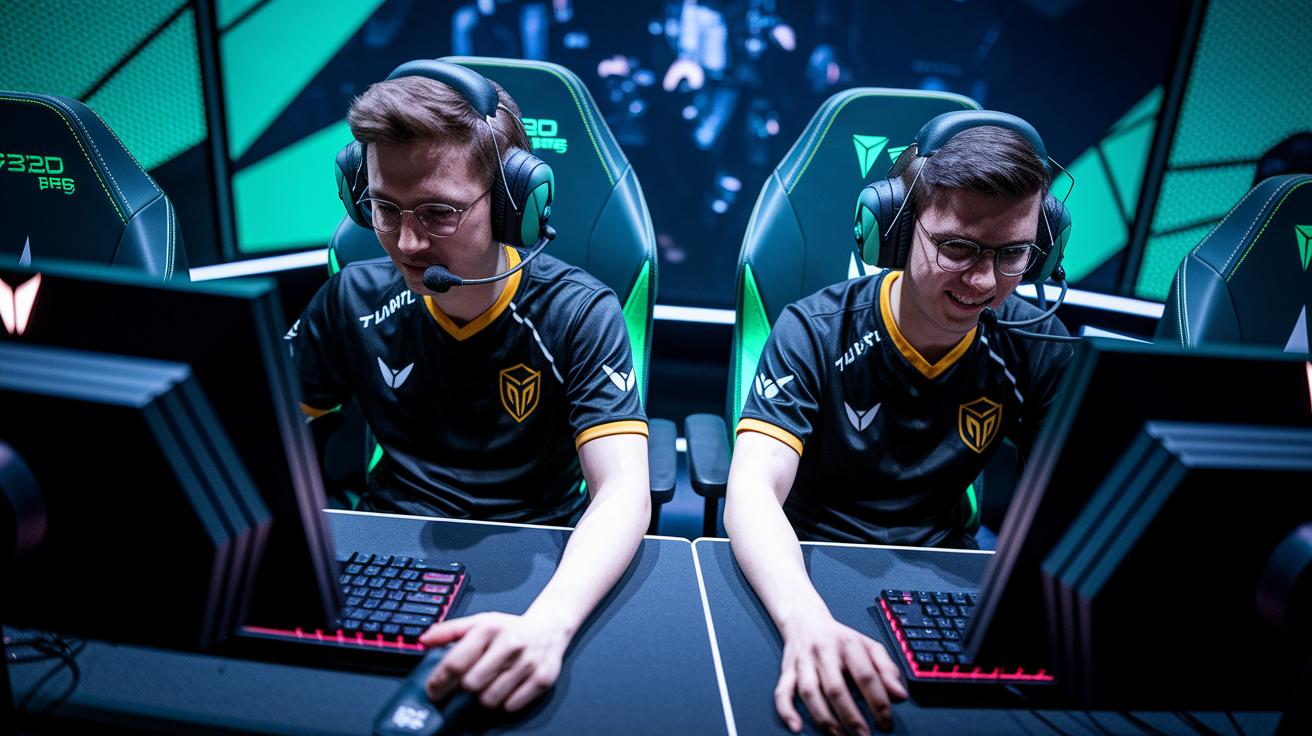
Even when the economy is shaky, esports holds its own. Research shows that gamers still join live events and tune in to competitions, even in tough times. This strength comes from a devoted community that craves the thrill of competitive play. Budgets might get tight, but the passion for the game never fades.
Thanks to excited fans and solid broadcast deals, tournaments keep growing like a steady winning streak. It's like every play in a high-stakes match adds fuel to the fire. No matter what’s happening outside, the numbers keep climbing, pushing the growth even further.
Sponsorship spending is also on the rise. Big brands are stepping in because they know the power of connecting with a lively, passionate crowd. With more events going virtual, fans from all over the world can join in, giving advertisers a cool way to reach their audience. This fresh approach brings more cash flow, which in turn fuels better tournament setups and top-notch production.
Leagues are shaking things up with match formats and prize pools, too. They’re trying out quicker game styles and creative tournament structures that keep viewers on the edge of their seats. Plus, prize pools are being reworked to attract top talent and push teams to play harder.
Streaming Platforms and Social Play Influences on Industry Trends
Streaming platforms are exploding in popularity among gamers and creators. They’re not just spots to rewatch old plays; they’re live stages where you can chat with fellow fans and even talk directly with developers. Live events and tournaments now happen in real time, where you can join viewer polls and even drop a comment backstage. Think of it as a virtual arena where creators show off cool projects like Unity’s Made with Unity showcase, blending creativity with real hands-on tips.
Social play has totally changed how games evolve. Gamers now share clips, walkthroughs, and even mod clips that kick off lively chats. Every video and comment gives developers ideas to fine-tune the game (like a friendly cycle of tweaks and upgrades). This back-and-forth fuels a community where everyone contributes and every shared moment builds a richer gaming world.
Indie Developer Breakthroughs and Monetization Strategy Shifts

Indie developers are doing great these days thanks to tools like Unity Ads, the Asset Store, and solid quality checks that help get their games noticed. These tools give small studios a boost with easy promotion, access to key resources, and reliable support on global storefronts. This system lets developers focus on making awesome games while keeping costs in check.
- free-to-play with microtransactions
- subscription tiers
- season passes
- ad-supported models
- crowdfunding
With these money-making methods, indie teams can earn steady income while keeping games fun and accessible for everyone. Developers are playing around with flexible pricing and regular updates, which helps meet the many ways gamers enjoy playing. Even the smallest studios can now launch games that reach players all over the world.
Distribution has changed a lot too. Indie creators are now using niche marketplaces and alternative channels that skip the usual roadblocks. This not only expands their reach but also builds stronger community bonds and better feedback. By using innovative ways to get their games out there, small teams offer unique experiences that keep players coming back for more.
Future Forecasts for Trends in the Gaming Industry
When predicting what comes next in gaming, experts dig into past trends and use cool modern tools. They check out old revenue rebounds, kind of like pulling off a clutch comeback in a tight match, to guess future moves. They study downturns and speedy recoveries to set solid benchmarks, even when the industry is cutting back. Plus, they mix in fresh data from AI tools (that’s when computers help spot trends) to refine predictions on staffing and where money goes.
Subscription services are really on the rise. The numbers show that these services now bring in a big piece of the overall cash. Experts believe they could make up a huge part of the industry's income through 2026. It’s like leveling up your in-game perks, small upgrades today can lead to epic wins tomorrow.
Companies are also joining forces and streamlining how they work. This move brings both cost savings and some risks. Studios might have to quickly switch tactics, much like changing strategies mid-game when the unexpected happens. This helps them stay in tune with what players are looking for.
Final Words
in the action we've explored the rapid shifts in gaming since 2022. We've seen remakes, tech innovations, mobile play changes, esports surges, streaming impacts, indie breakthroughs, and future forecasts that tackle trends in the gaming industry head-on.
These points show how economic shifts and new consumer habits are molding the gaming world. The insights here give a clear picture of today's market vibes and set the stage for even more excitement ahead.
FAQ
Frequently Asked Questions
What are the trends in the gaming industry on Reddit?
The trends on Reddit highlight discussions around remade franchises, indie game breakthroughs, and emerging tech like cloud and VR, reflecting gamers’ evolving interests and market shifts.
What were the trends in the gaming industry in 2022?
Trends in 2022 focused on remakes, increased indie title buzz, mobile gaming surges, and early access models that reshaped game development and consumer expectations.
What are the top 10 trends in the gaming industry?
Top trends include the push for remakes, cross-platform play, early access growth, cloud and mobile gaming surges, esports expansion, social streaming, indie breakthroughs, next-gen consoles, community feedback, and tech innovations.
What are the current gaming trends?
Current trends show a mix of remade classics, rising mobile odds, cloud streaming advances, esports growth, and community-driven indie successes that mirror shifting consumer preferences.
What will gaming industry trends look like in 2025?
In 2025, expect advanced mobile play, boosted cloud services, cutting-edge AI and VR integration, and evolving indie models that continue to spark excitement and drive market shifts.
What are the mobile gaming trends for 2025?
Mobile gaming trends for 2025 point to quick-session play, hyper-casual title growth, improved cross-device sync, and community-driven experiences that enhance social interaction.
What are the gaming trends on YouTube?
Gaming trends on YouTube showcase gameplay remakes, indie highlights, detailed reviews, and live streams that create vibrant communities and share tech and strategy tips.
What are the social trends in gaming?
Social trends in gaming center on community-driven content, live streaming, shared gameplay sessions, and robust player feedback that influences game updates and indie projects.
What is the next big thing in the gaming industry?
The next big thing involves immersive experiences powered by cloud tech, AI tools, and next-gen consoles, all creating deeper, more engaging gameplay and community ties.
What three trends are transforming the video game industry?
Three key trends are the rise of remade franchises, the growth of cloud gaming with early access models, and expanded community-driven content via social and streaming platforms.
What are the consumer trends in gaming?
Consumers are leaning toward quick play sessions, engaging remakes, social streaming formats, and flexible cross-platform gaming that meets the demand for convenience and connection.
What is the current state of the gaming industry?
The gaming industry today blends established franchises with indie breakthroughs, booming cloud services, resilient esports, and strong community dynamics that drive both innovation and engagement.