
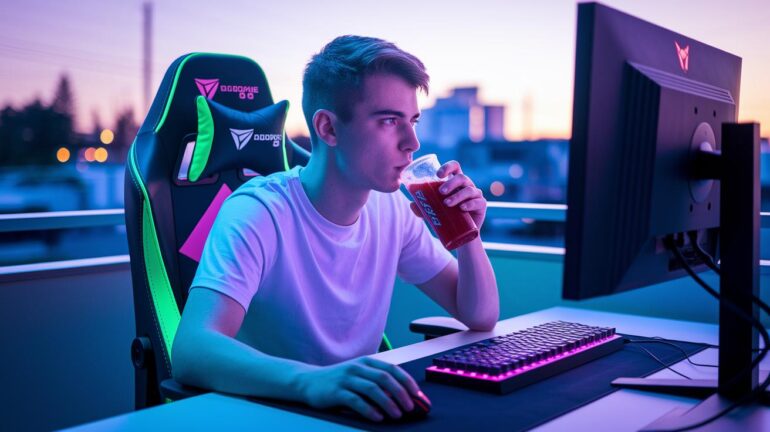
Ever think your loss might start with your night routine? Wrapping up a tough match and cooling down right can boost your next win. Imagine giving your game engine a break before you jump back in. About 30 minutes after playing, a little snack and shutting off your screens can work wonders. An evening routine for competitive gamers isn’t just about sleep. It recharges you and sets the stage for your next epic session. Ready to level up your off-screen game?
Performance-Boosting Night Schedule for Competitive Gamers
After a tough gaming session, it's time to cool down and let your body recover. Instead of crashing into bed right away, try a simple routine that eases you into chill mode, kind of like cooling off after a heated match.
About 30 minutes after your game, grab a snack that helps you bounce back. Think almonds or pumpkin seeds loaded with magnesium (a mineral that helps ease muscle tension), paired with something like whole-grain toast with turkey for a mix of slow-burning carbs and lean protein. This small meal keeps your energy steady so you don't crash later.
Then, about two hours before you plan to sleep, start winding down your screens. Turn off your devices to avoid blue light messing with your natural sleep signals. Instead, switch to soft lighting and enjoy a quiet activity, maybe a light book or just mulling over what went down in your game. This digital detox gets your mind ready for a deep, restful sleep and gears you up for your next big session.
Post-Match Wind-Down Tips in Your Evening Routine for Competitive Gamers

After an intense match, your body and mind need a quick reset to ease into recovery. Jumping right into a cool-down routine helps slow your heart rate and relax those tense muscles, so you avoid stiffness and get ready for the next round.
- Do foam rolling for each muscle group for about 30 seconds, then take 3–5 deep breaths.
- Stretch your forearms and wrists slowly.
- Do some gentle neck and shoulder release moves.
- Practice diaphragmatic breathing (taking deep breaths that fill your belly).
- Try a few light yoga poses to ease your lower back tension.
Sticking with these wind-down tips builds a solid habit over time. When you mix in some physical stretches with calming breathing exercises, you let go of all the in-match tension. Keeping the same cool-down steps every time means you’ll steer clear of stiffness and feeling overloaded, setting you up perfectly for your next competitive play.
Nutrition and Hydration Strategies in Your Evening Routine for Competitive Gamers
After a long gaming session, a meal plan that helps you relax is key to bouncing back. Try eating whole grains and lean protein, like turkey on whole-grain toast, to help your muscles and brain repair themselves. Stay away from fatty or sugary foods because they can slow you down when it’s time to sleep. Snack on goodies rich in magnesium (a mineral that helps muscles and nerves recover) to get ready for your next round.
| Snack/Meal | Best Time | Key Benefit |
|---|---|---|
| Almond-banana smoothie | 30 min post-play | Magnesium + carbs |
| Greek yogurt with berries | 1 hour post-play | Protein + antioxidants |
| Herbal tea (chamomile) | After meal | Calming effect |
Drinking plenty of water is just as important. After you finish playing, keep sipping steadily because water helps your cells recover and replaces the fluids lost during intense sessions. But be careful to slow down on the water about an hour before bed so you won't wake up in the middle of the night. Think of it this way: as you wind down, a little cup of water keeps you balanced without interrupting your sleep.
Sticking to these nutrition and hydration habits not only helps you recover but also fuels you for a win in your next competitive match.
Digital Detox and Screen Time Balance in an Evening Routine for Competitive Gamers
Blue light from screens messes with your sleep by stopping melatonin (that’s the hormone that helps you sleep). Give your devices a break for at least two hours before hitting the sack. It’s like letting your gaming rig cool off, when you power down early, your brain gets a chance to reset.
Switch over to soft, warm lighting during that time. It makes winding down way easier than dealing with harsh screen light. Use these moments for offline stuff like reading or a bit of light stretching to get your mind calm and ready for a good night's sleep.
Mindfulness and Stress Reduction Rituals for Competitive Gamers’ Evening Routines
After an intense match, take a quick break with a simple breathing exercise or guided meditation. Sit quietly for a few minutes and focus on deep, slow breaths, like pausing a game to check your strategy. This little moment helps slow down your brain and clear out the overload, setting you up for calm recovery.
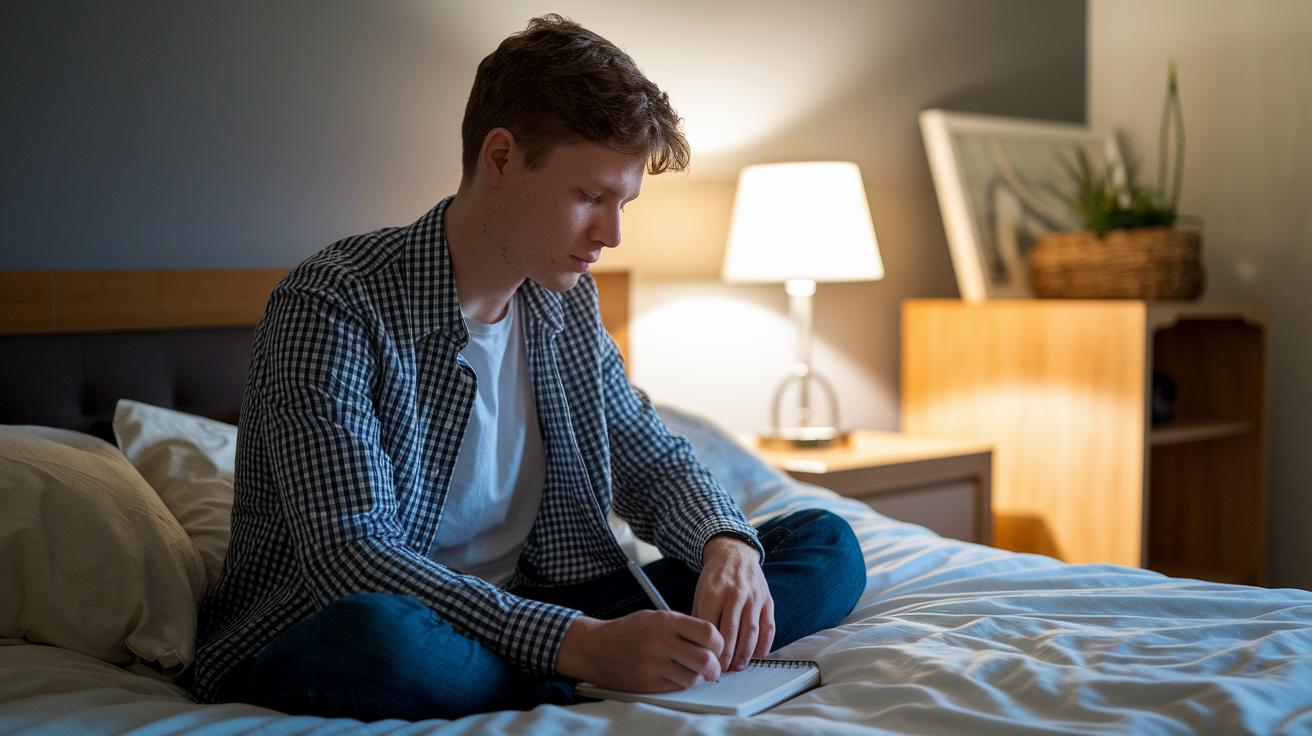
Then, grab a notebook for a short journaling session. Jot down the key moments from your match or note one thing to improve next time. This 5- to 10-minute reflection gets the in-game worries off your mind and boosts your focus for the challenges ahead. Ever thought about asking yourself, "What could I change in my gameplay next round?" It might just give you that extra edge.
Before you hit the sack, relax further with a quick aromatherapy and tea ritual. A whiff of lavender or a sip of chamomile tea can work wonders by calming both your body and mind. This gentle wind-down helps you drift off to a deep sleep, ready to bounce back for the next match.
Sleep Hygiene Guidelines in an Evening Routine for Competitive Gamers
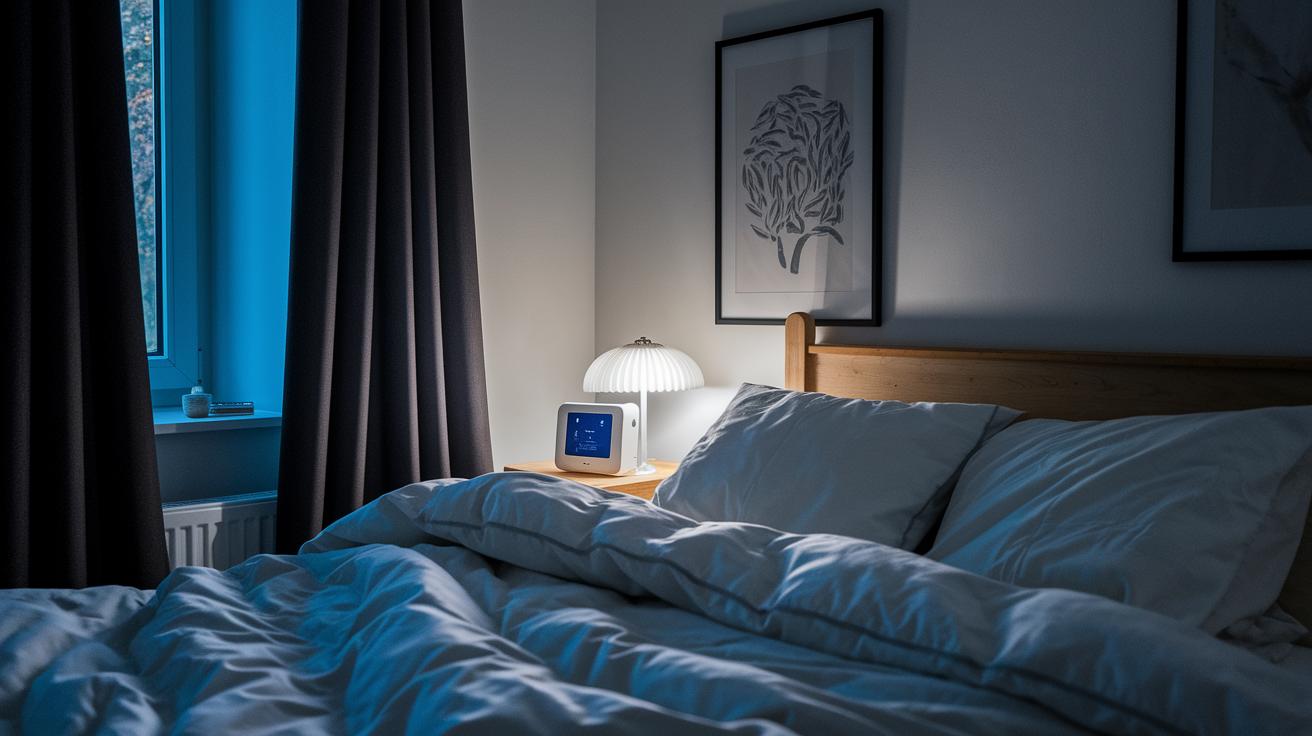
Start by setting up your sleep space like you’d prep your gaming station. Get your room around 65 to 68°F so your body cools down after those long gaming marathons. Keep it dark with blackout curtains or an eye mask. And try to hit the sack at about the same time every night, give or take 30 minutes, so your sleep cycle stays on point.
Next, shut out the noise. Crank up some white noise or nature sounds (think of it as a chill background soundtrack) to cover up any random disruptions. Picture it like pausing a game between rounds, a smooth transition into sleep. Close windows, turn off extra gadgets, and let your room turn into a silent sanctuary. This trick not only helps you fall asleep faster but also keeps your body clock steady for deep, boss-level recovery.
Finally, reserve your bed just for sleep and relaxing. No gaming, texting, or other distractions allowed. This special zone tells your brain it’s time to wind down and hit a reset, just like logging off to recharge for the next big match.
Performance Analysis and Goal-Setting in Post-Game Evening Routine for Competitive Gamers
After wrapping up a match, take a quick look at your game instead of watching the whole replay. Pick a few key moments that show what worked and what didn’t. This short review helps you focus on the right spots without getting bogged down by every single play.
For your next session, try setting SMART goals (that means goals that are Specific, Measurable, Achievable, Relevant, and Time-bound). Choose a couple of targets, like speeding up your reaction or fine-tuning a decision during matches. For example, you might say, "I want to trim my reaction time to under 200 milliseconds." This mini debrief connects your last match to your next big move. Oh, and if you’re interested in some advanced in-game tips, check out this link: https://sololadder.com?p=1758. Jot down your goal with clear details and a deadline, it keeps everything real and on track.
Don’t forget to track your progress, too. Write down your tweaks, self-checks, and feedback from each match in a gaming journal or app. This habit not only shows how you’re growing but also helps you adjust your gameplay for a steady, personal routine over time.
Final Words
in the action, we broke down each step of a well-planned performance plan, from post-match cooldown moves to sleep-friendly nutrition. We explained how a consistent digital detox and mindful wind-down can clear your mind. Every tactic fits together to boost recovery and set you up for the next big play. Follow these tips to improve your evening routine for competitive gamers and enjoy better sleep and even sharper gameplay. Here's to plenty of wins, both in-game and in your nightly reset!
FAQ
What does an evening routine for competitive gamers on Reddit involve?
The evening routine for competitive gamers often includes physical cooldowns, light nutrition, and a digital detox to switch from a high-adrenaline state to a relaxed one, boosting recovery and sleep quality.
What does a pro gamer’s daily routine or an esports player’s day look like?
A pro gamer’s daily routine covers focused practice, strategic reviews, proper nutrition, and cooldown techniques. This balanced schedule sharpens skills, maintains stamina, and supports mental clarity during competitions.
How many hours do pro gamers typically play a day?
Pro gamers usually play between 5 to 10 hours daily, balancing practice sessions with rest and recovery methods to avoid burnout and maintain peak performance.
What routines do student athletes and famous athletes follow daily?
Student athletes and famous athletes follow routines that mix training, skill drills, proper nutrition, academic or career tasks, and dedicated recovery time to achieve and sustain excellent performance.
What is a typical game day routine in football?
A football game day routine involves dynamic warm-ups, tactical meetings, pre-game nutrition, and focused mental preparations to get both body and mind ready for the match.
What can be expected from a professional gamer’s salary?
A professional gamer’s salary can vary widely and depends on tournament winnings, streaming revenue, sponsorship deals, and team contracts, making earnings unique to each player’s performance level.
What are some pre-game routine examples for competitive play?
Pre-game routines often include dynamic stretching, focused breathing drills, reviewing tactics, and a nutritional boost, all of which prepare the body and mind to hit peak performance in competition.
Is 22 too old for esports?
The idea that 22 is too old for esports is a myth. Many competitive gamers thrive in their early twenties by blending fresh skills with growing experience in high-stakes play.
How many hours of sleep do esport players typically get?
Esport players usually aim for 7 to 9 hours of sleep each night, which helps improve recovery, boost cognitive function, and maintain sharp focus during intense gaming sessions.